







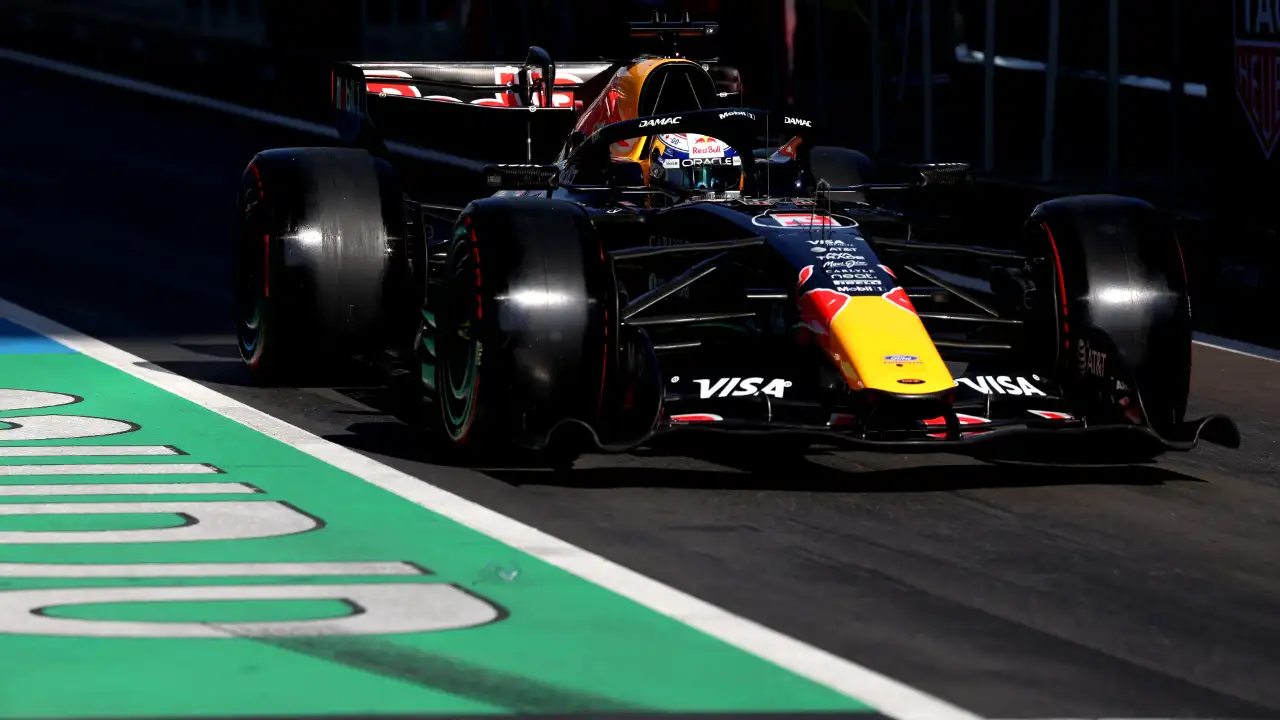

Formula 1, Sportrik Media - The opening phase of the 2026 Formula 1 season has presented unexpected challenges for Red Bull Racing, a team that dominated the final years of the previous regulatory era. Early performances from the RB22, driven by Max Verstappen and team-mate Isack Hadjar, suggest the Milton Keynes squad is still searching for the optimal balance under the sport’s new technical regulations.
The sweeping rule changes introduced for 2026—particularly the power unit architecture featuring an equal split between internal combustion and electrical energy—have significantly altered the performance characteristics of Formula 1 cars. Teams must now integrate complex energy management strategies while maintaining aerodynamic stability and mechanical efficiency.
In theory, teams that concluded the previous era with the strongest cars typically remain competitive at the start of a new regulatory cycle. Red Bull entered the season as one of the favourites after its dominant performances in recent years. However, those expectations have quickly been challenged.
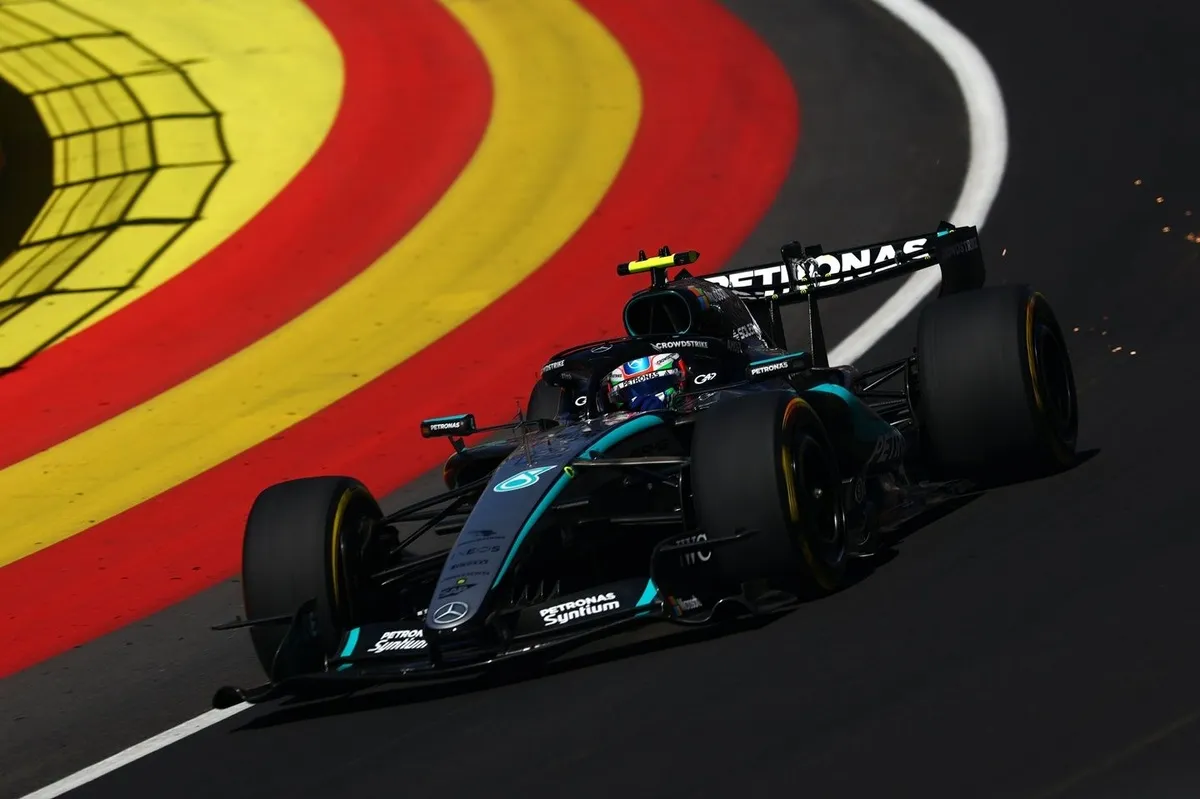
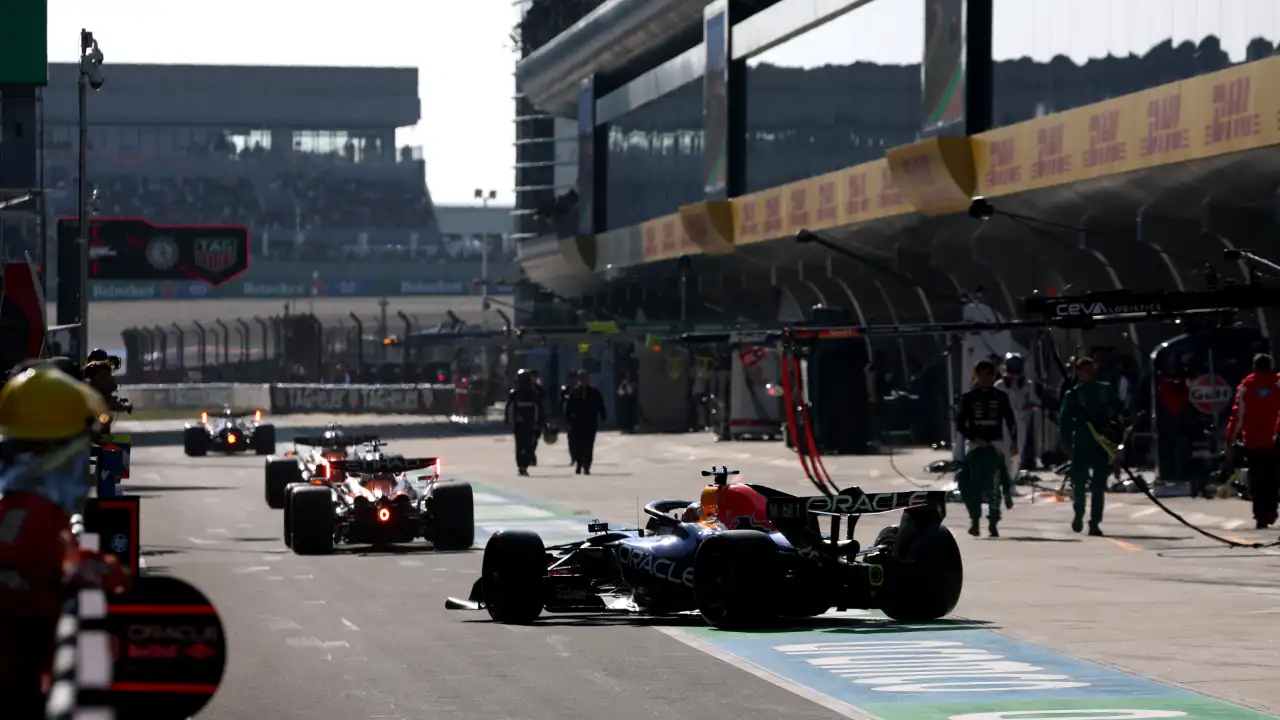
After the opening two rounds in Australia and China, Red Bull’s difficulties have become increasingly evident. The team has struggled not only with outright performance but also with reliability concerns.
At the Australian Grand Prix, technical issues affected Hadjar’s race, highlighting potential weaknesses in the RB22 package. A similar scenario unfolded at the Chinese Grand Prix, where Verstappen was forced to retire after 45 laps due to a technical failure.
Such reliability issues have raised concerns about the integration of Red Bull’s new power unit and energy systems within the car’s overall architecture.
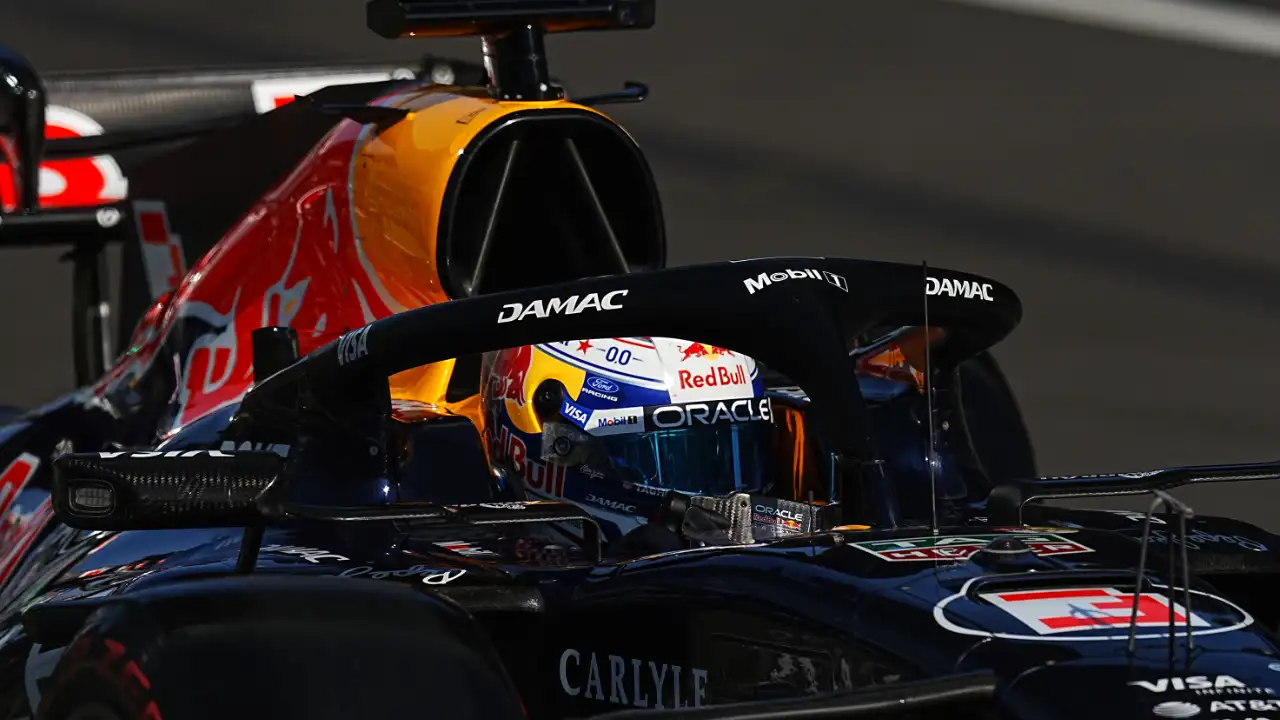
Qualifying performance has also been a major concern for the team. In Australia, Verstappen missed a Q1 run due to technical gremlins, limiting his ability to challenge for a competitive grid position.
Even when both Red Bull drivers completed qualifying laps without major issues, the gap to the front remained significant.
A closer analysis of qualifying telemetry from the Chinese Grand Prix provides further insight into the team’s struggles. Verstappen finished nearly one second slower than the pole position time, while Hadjar was more than a second adrift.
Those lap times placed the Red Bull drivers in eighth and ninth positions on the grid—results far below the standards typically associated with the team.
Examining Verstappen’s onboard footage during his Q3 flying lap reveals several key characteristics of the RB22’s handling problems. The car appears particularly unstable at the rear, forcing the Dutch driver to make multiple steering corrections even at the entry to Turn 1.
This instability becomes even more pronounced in high-speed corners, where the car struggles to maintain consistent rear-end grip.
As a result, both Red Bull drivers are recording noticeably lower apex speeds compared with their direct rivals. This suggests the drivers are forced to reduce cornering speed in order to maintain control of the car.
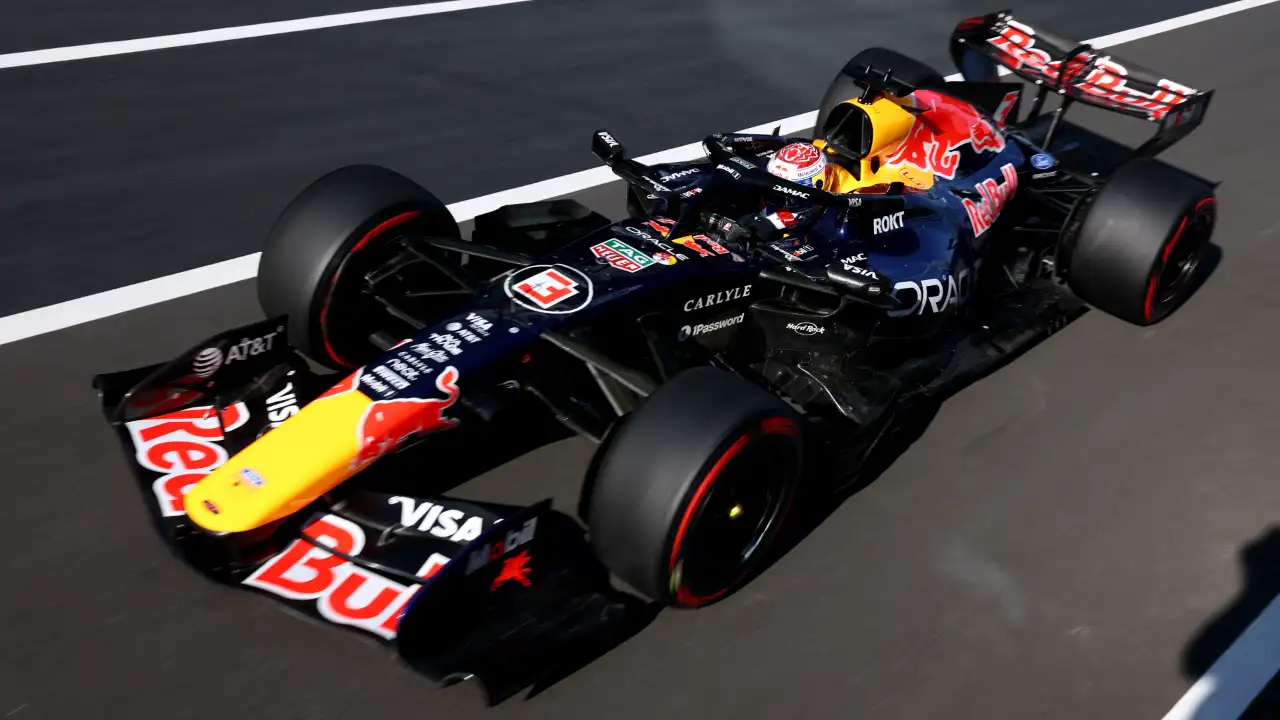
Another contributing factor appears to be the efficiency of the Energy Recovery System (ERS). Data indicates that Red Bull’s energy recovery and deployment strategy may be less effective in certain sections of the circuit.
Because the system is not delivering optimal performance through corners, drivers must sacrifice corner speed to ensure they remain competitive on the straights.
Ironically, straight-line speed remains one of the few strengths of the RB22 package. Telemetry comparisons indicate that Red Bull’s top speeds are broadly comparable with those achieved by Mercedes, suggesting that the raw output of the power unit itself remains competitive.
However, modern Formula 1 performance is determined by the integration of multiple systems rather than engine power alone. Aerodynamic efficiency, mechanical balance, energy management, and reliability must all operate in harmony.
In Red Bull’s case, it appears that these elements are not yet fully aligned under the new regulations.
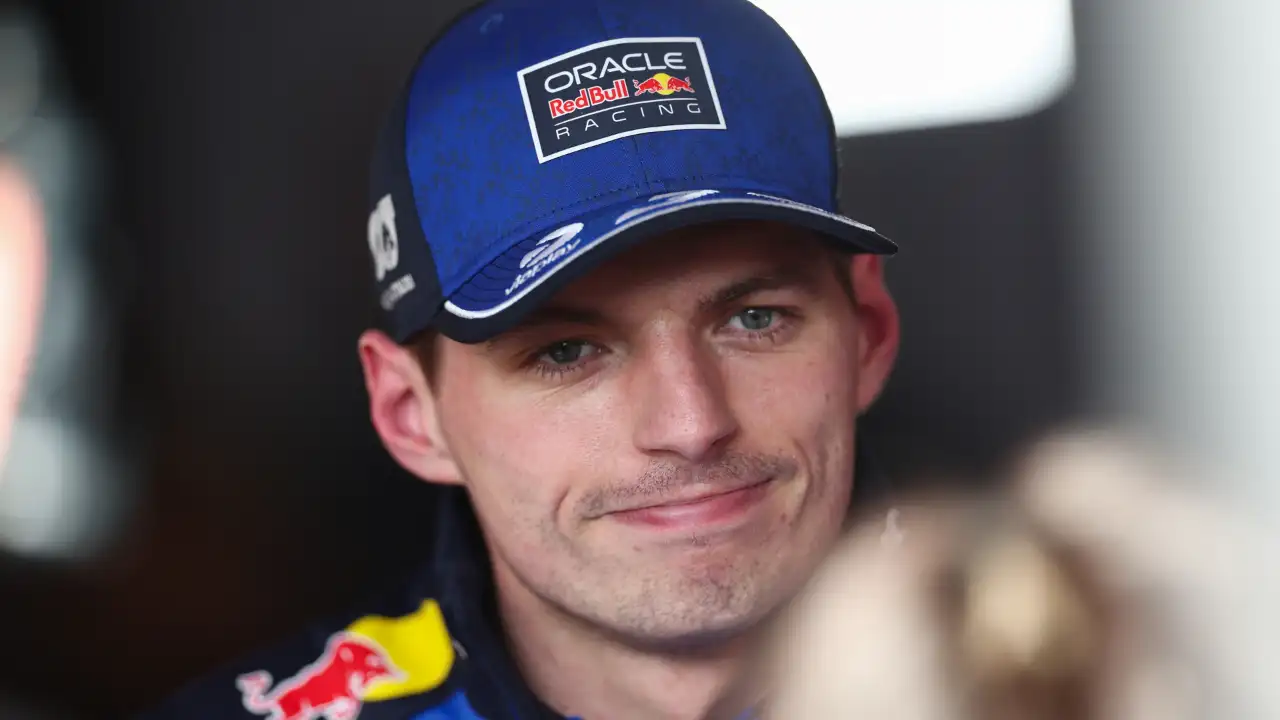
The challenges also help explain Verstappen’s vocal criticism of the 2026 rules. The four-time world champion has repeatedly expressed frustration about the increased complexity of energy management and the resulting changes to driving style.
While such criticism reflects broader concerns within parts of the paddock, it also highlights the difficulties faced by teams attempting to adapt quickly to the new technical framework.
Despite the difficult start, the 2026 season remains in its early stages. With a long championship calendar ahead and continuous aerodynamic development permitted throughout the year, Red Bull still has significant opportunities to improve the RB22 package.
Historically, leading Formula 1 teams have demonstrated the ability to recover performance through mid-season development programmes and engineering refinements.
For Red Bull, the immediate challenge is to improve rear-end stability, optimise energy management systems, and address reliability concerns. If the team can resolve these issues, its chances of returning to the front of the grid later in the season remain realistic.
| POS | FOTO | RIDER / TEAM | PTS |
|---|---|---|---|
|
1
|
|
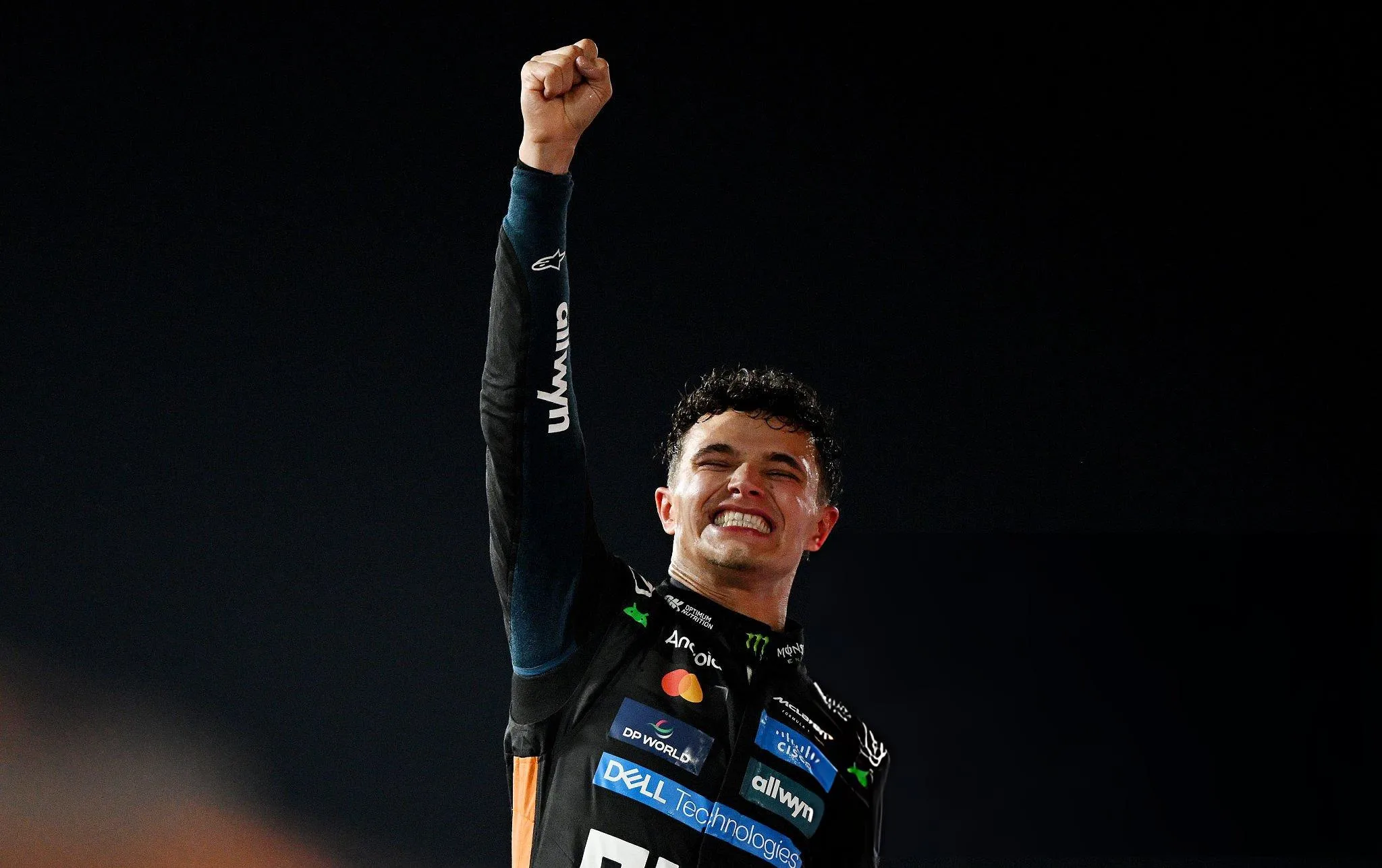
Lando Norris
McLaren
|
390 |
|
2
|
|
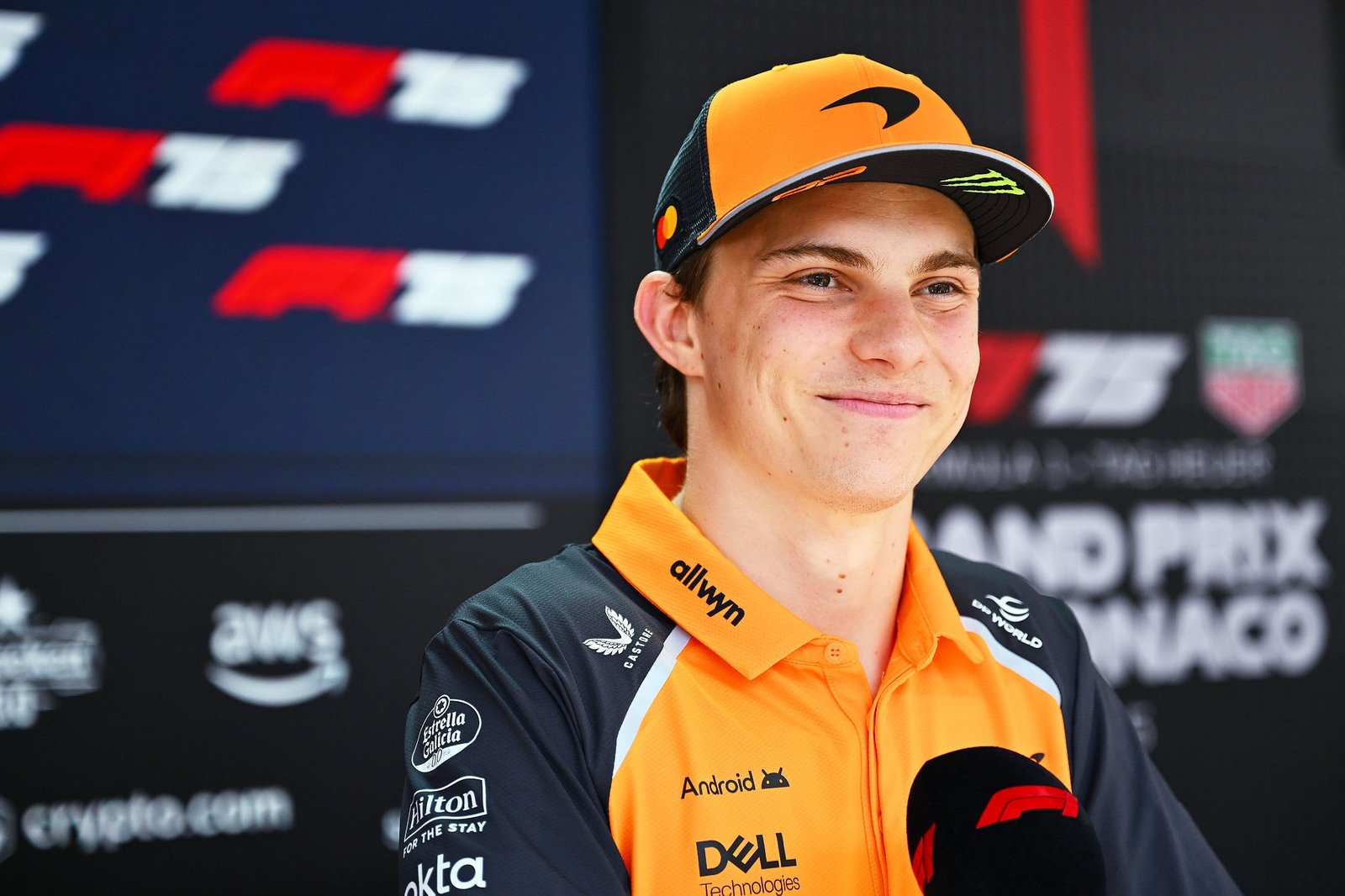
Oscar Piastri
McLaren
|
366 |
|
3
|
|
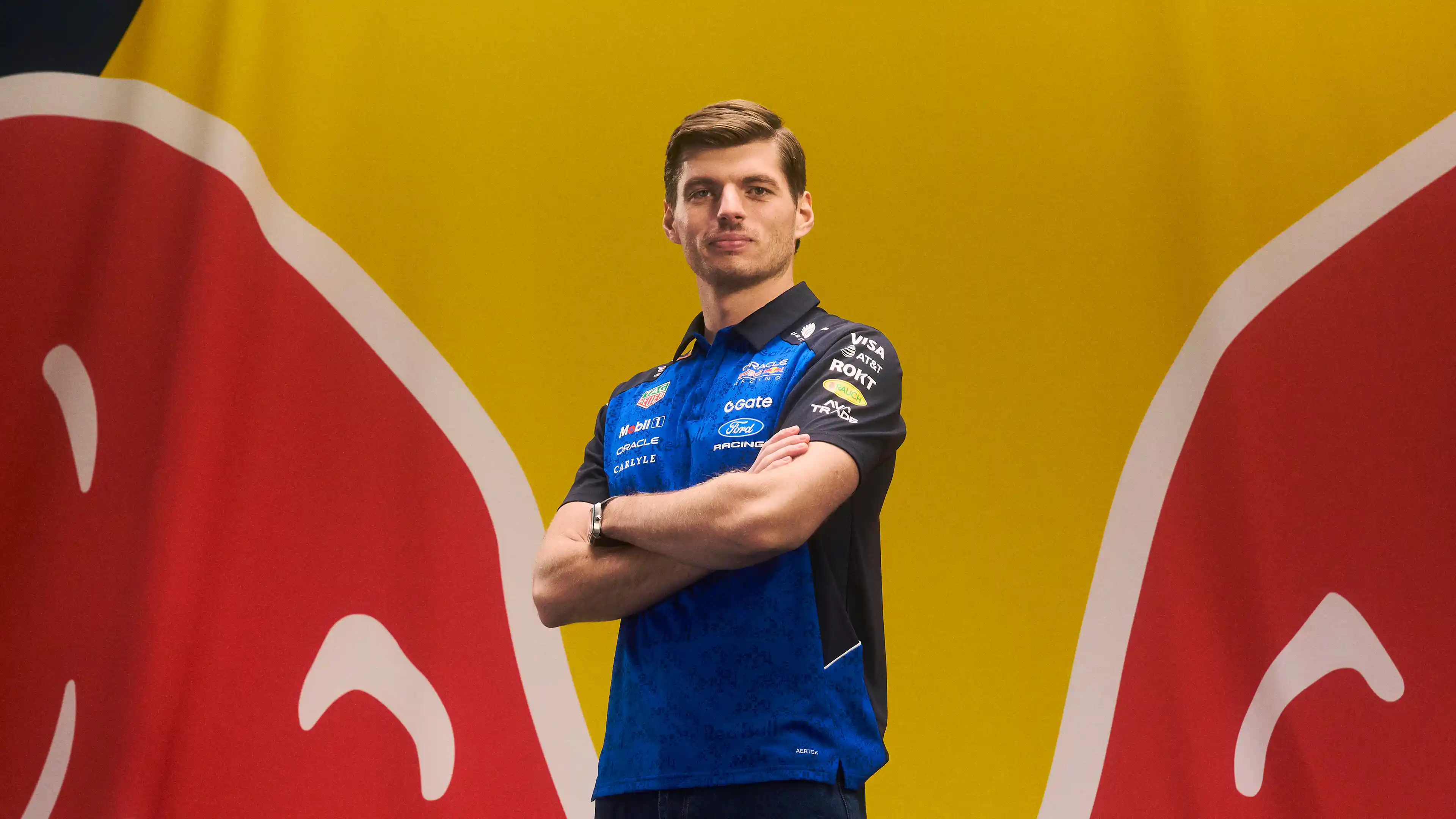
Max Verstappen
Red Bull
|
341 |
|
4
|
|
George Russell
Mercedes
|
276 |
|
5
|
|
Charles Leclerc
Ferrari
|
214 |
|
6
|
|
Lewis Hamilton
Ferrari
|
148 |
|
7
|
|
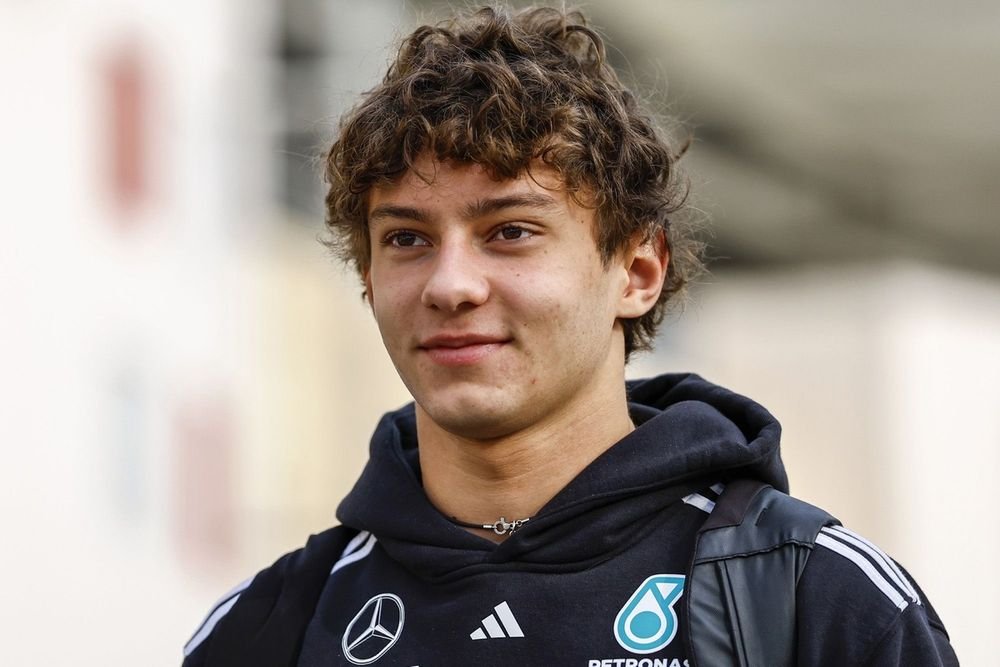
Andrea Kimi Antonelli
Mercedes
|
122 |
|
8
|

|
Alexander Albon
Williams
|
73 |
|
9
|
|
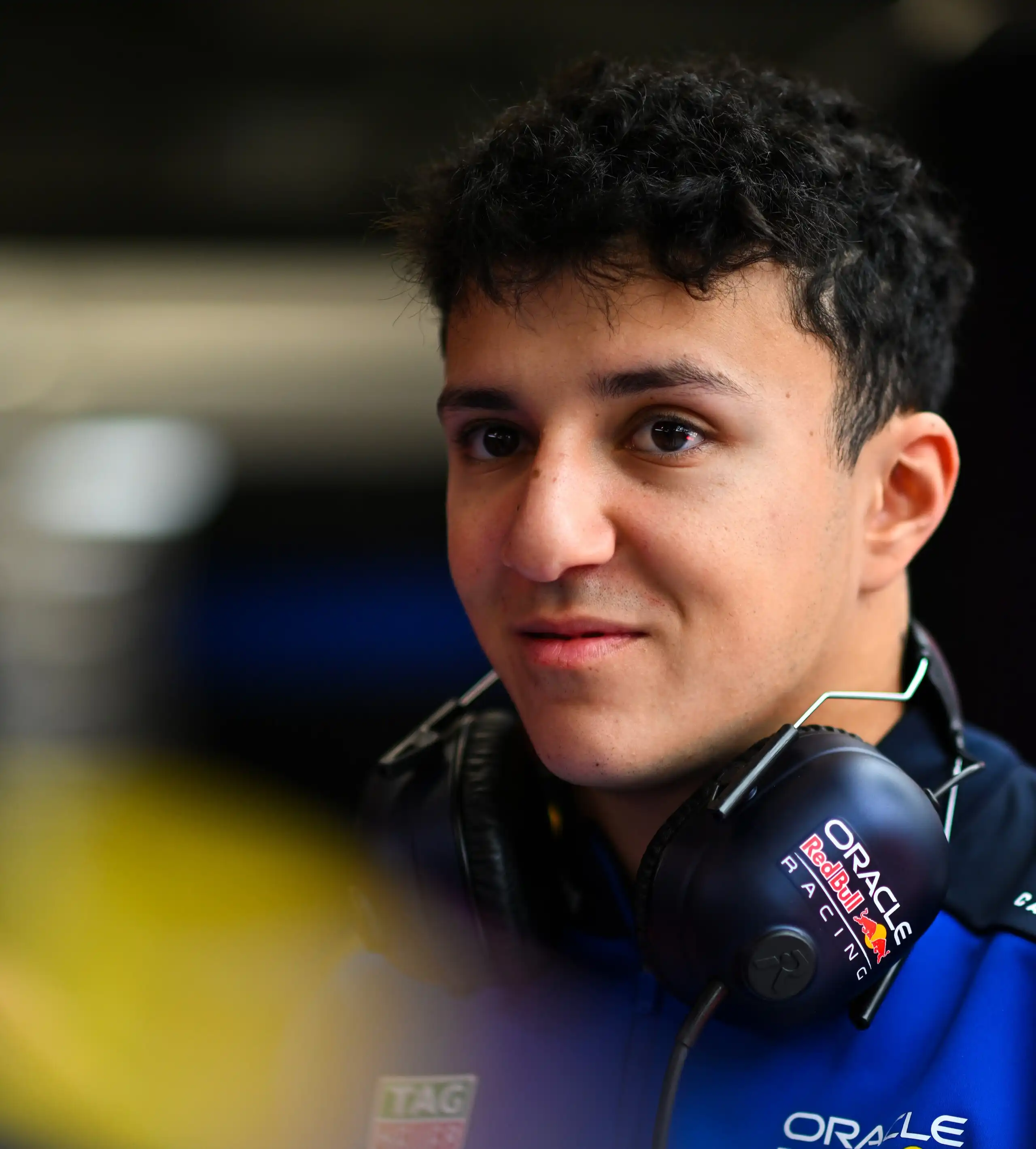
Isack Hadjar
RB
|
43 |
|
10
|
|
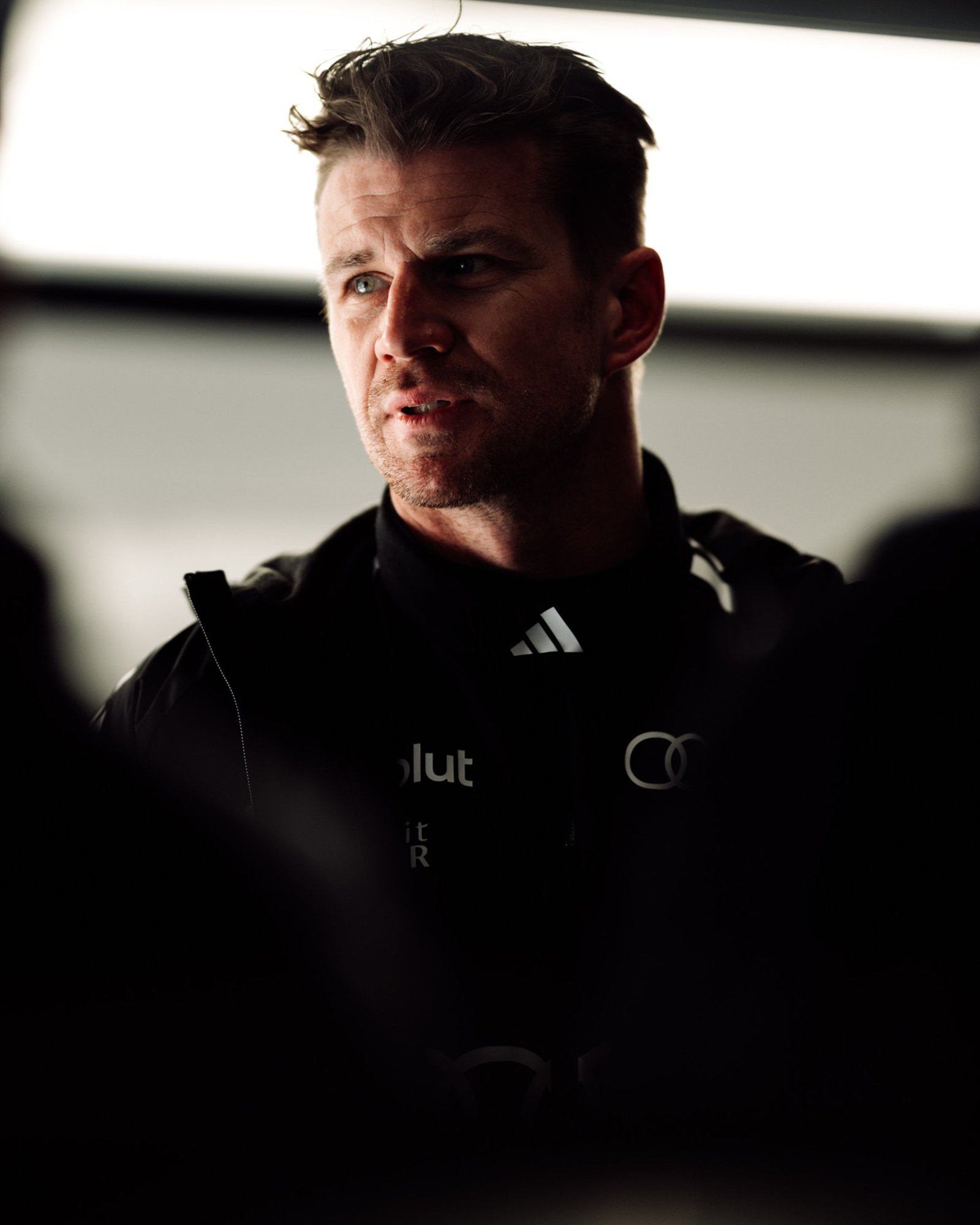
Nico Hulkenberg
Kick Sauber
|
43 |
Read Also
Nico Rosberg proposes changes to F1 VSC rules after Lando Norris lost a likely win at the Spanish GP. Read the analysis and solutions.
Martin Brundle proposes VSC rule fix after Lando Norris loses F1 win in Madrid. Read his analysis and suggested solution.
Fred Vasseur denies Ferrari split Leclerc and Hamilton's strategies at the Spanish GP to avoid contact. He insists there is no internal crisis at the team.
 Continue with Google
Discussion (0)
Join the Discussion!
Sign in easily to start commenting, replying, and interacting with other readers.
Latest Comments
No comments yet. Be the first!