






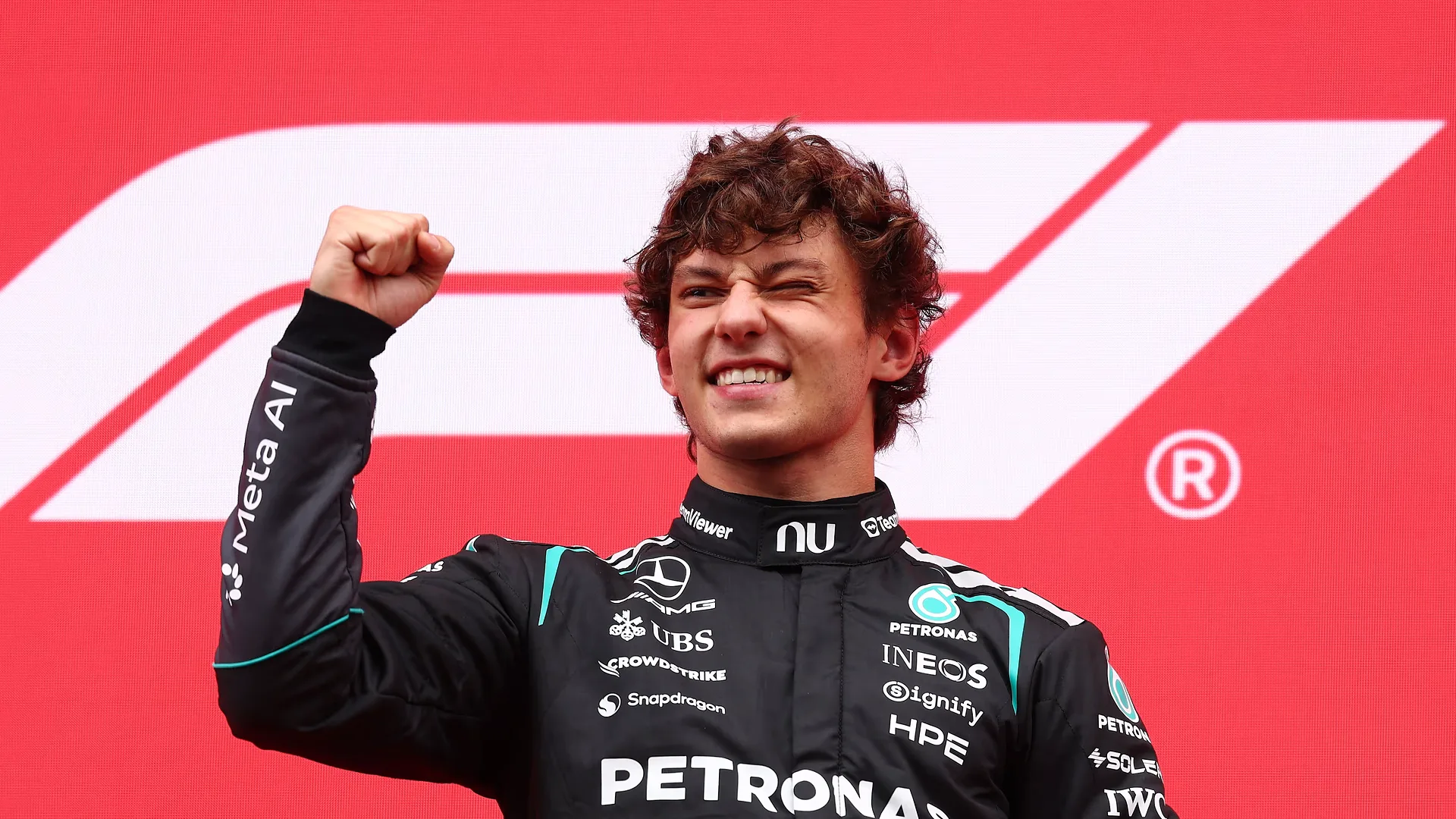

Formula 1, Sportrik Media - The Formula 1 standings after the 2026 Belgian Grand Prix tell a story far greater than the additional numbers beside Kimi Antonelli’s name. The race at Spa-Francorchamps reshaped the title contest, widened the gap at the front and placed fresh pressure on his two closest challengers.
Antonelli arrived in Belgium with a 25-point advantage over George Russell. He left the Ardennes with his sixth victory of the season and a substantially more comfortable margin after Russell retired on the opening lap and Lewis Hamilton managed only fourth.
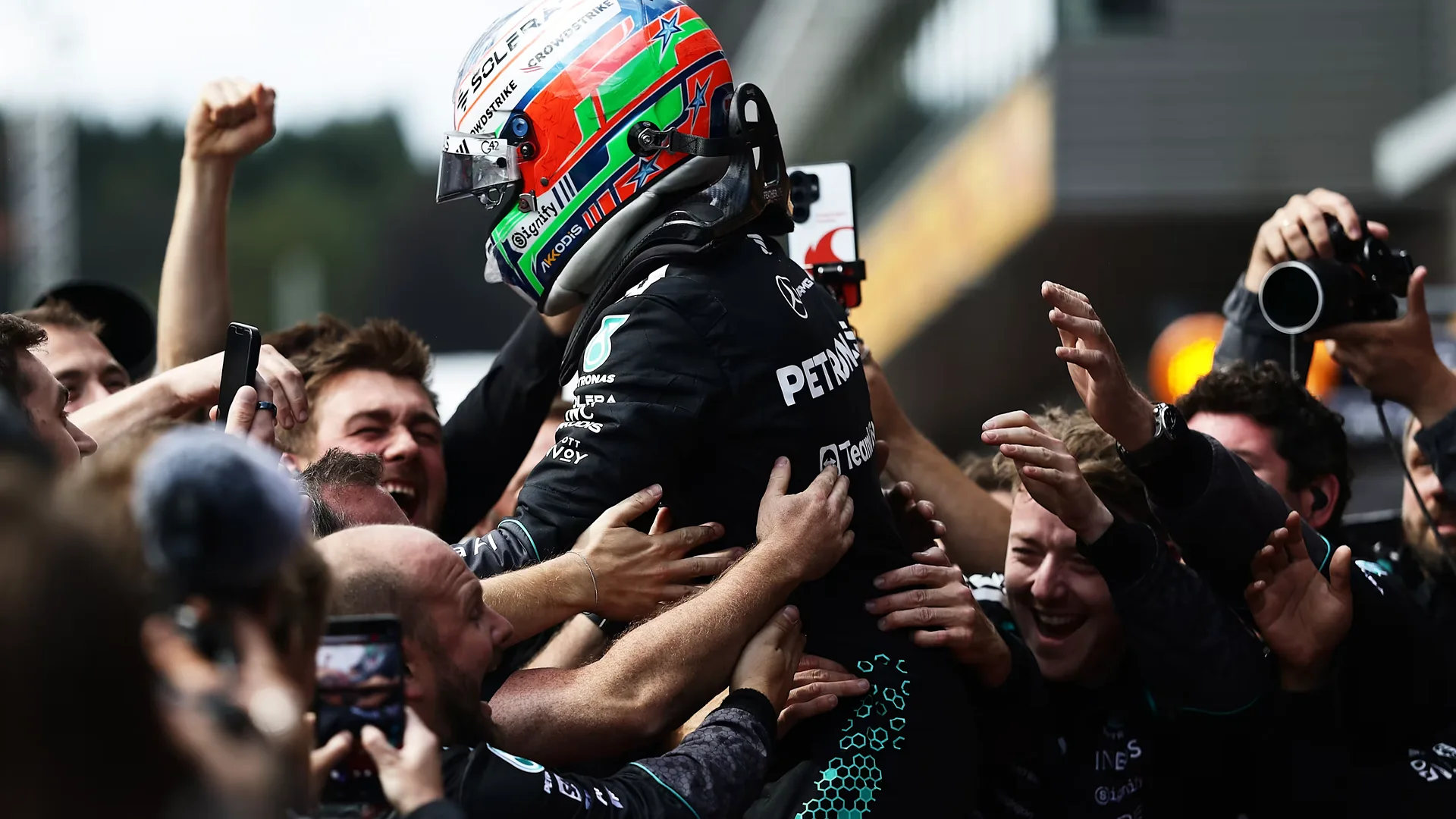
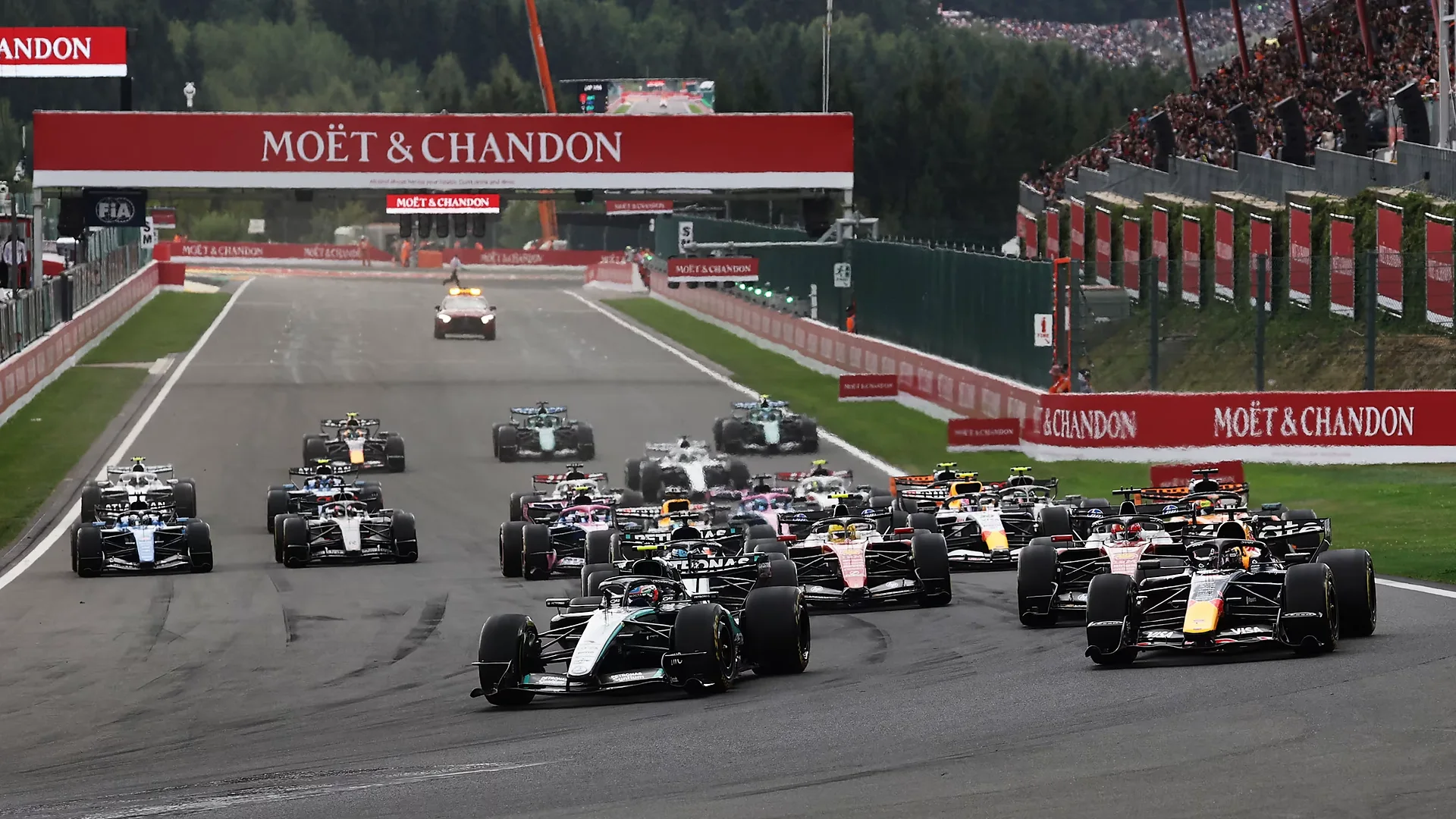
The victory was one of the most important results of Antonelli’s championship campaign. He did not dominate from the moment the lights went out, but had to regain control after Max Verstappen briefly seized the lead and Charles Leclerc later gained an advantage under the Virtual Safety Car.
When Leclerc emerged ahead following the pit stops, Antonelli resisted the temptation to force an immediate attack. He reduced the deficit gradually, protected his tyres and completed the decisive move with 10 laps remaining. The manner of the victory showed that his championship lead has been built not only on speed, but also on composure and race management.
The most significant shift occurred behind him. George Russell, previously Antonelli’s closest rival, lost every opportunity to score after colliding with Hamilton at Les Combes. Battery deployment problems had already left Russell vulnerable in the opening phase before the contact ended his race.
That retirement dropped Russell to third in the standings and left him 50 points behind Antonelli. Under Formula 1’s scoring system, the deficit is equivalent to two unanswered race victories, a margin that does not settle the championship but is large enough to influence every strategic decision that follows.
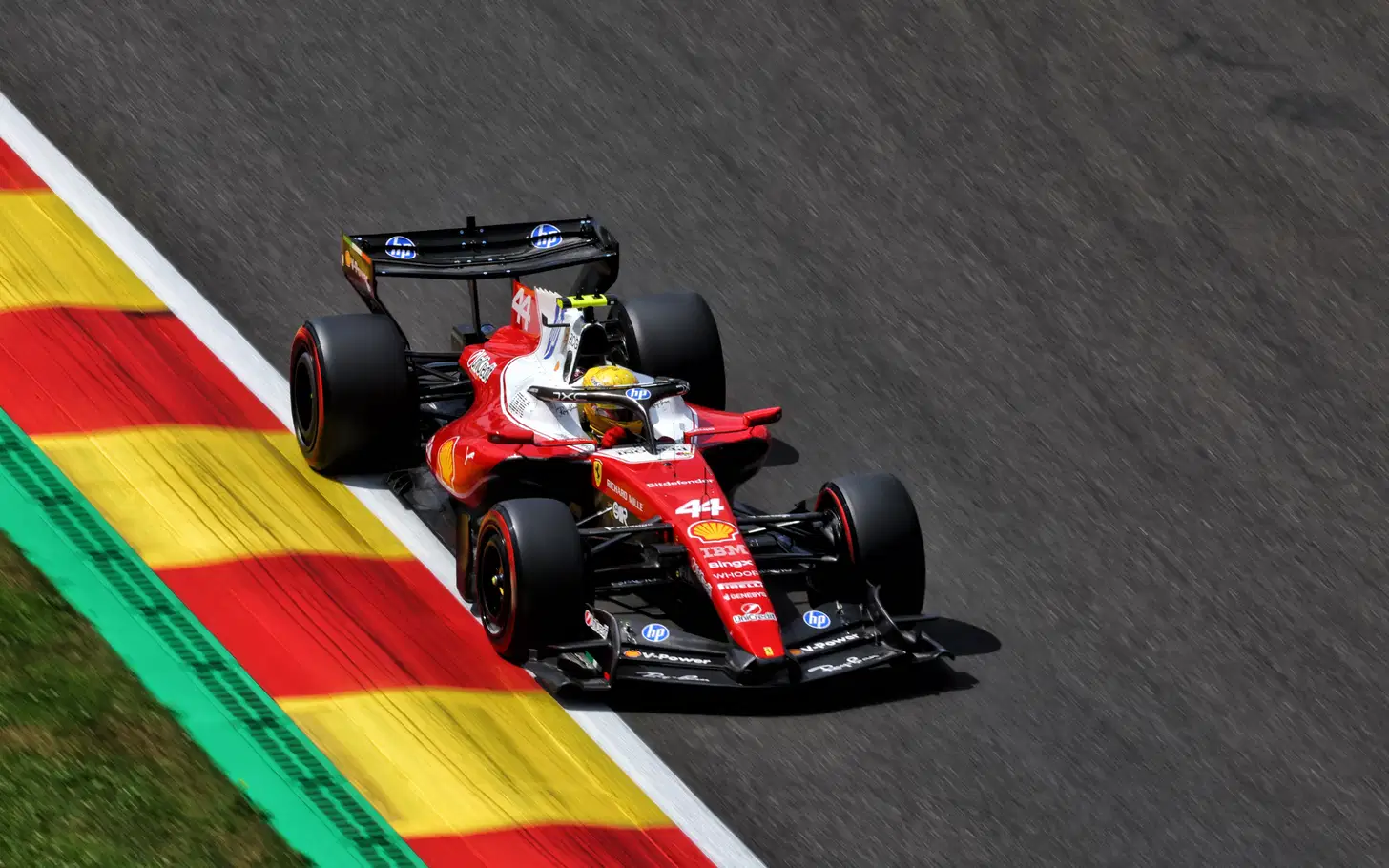
Lewis Hamilton gained the most from Russell’s misfortune. Despite carrying aerodynamic damage and serving a five-second penalty, the Ferrari driver brought the car home in fourth and moved into second place in the championship.
Hamilton’s position as Antonelli’s nearest challenger does not mean he has taken control of the contest. At 45 points behind, he requires more than victories of his own. He also needs weekends in which the championship leader drops a substantial number of points, something that has rarely happened when Antonelli’s Mercedes has operated without technical trouble.
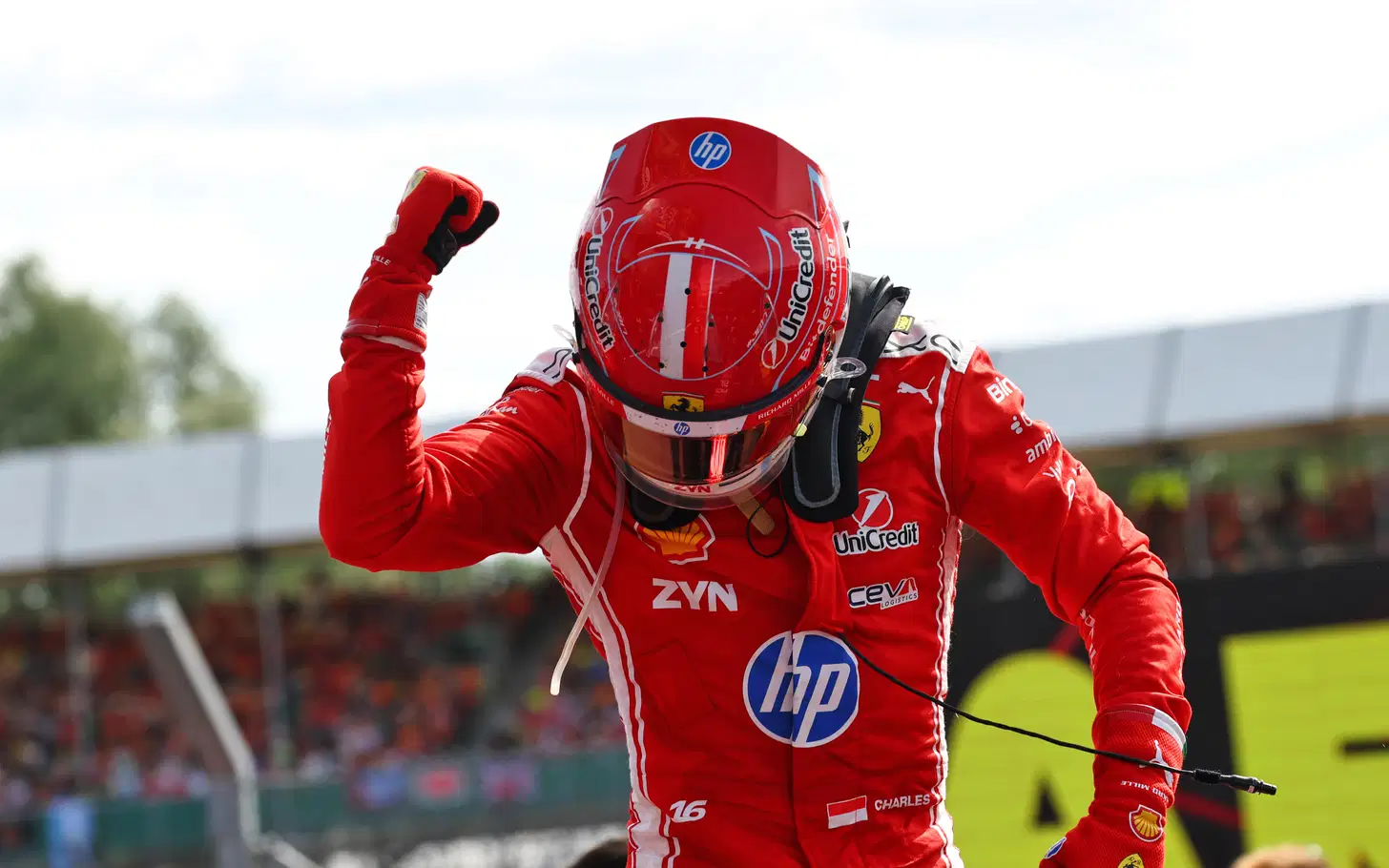
Charles Leclerc consolidated his position with second place, although the result also carried a sense of opportunity lost. Ferrari’s strategy temporarily placed him ahead, but Leclerc could not contain Antonelli’s pace during the closing stages. He remains among the leading group, yet his deficit now demands a sustained run of major results.
Further back, Lando Norris and Oscar Piastri again failed to convert McLaren’s underlying speed into victory. Norris had to recover from a grid penalty and lost additional time through strategy and a slow pit stop, while Piastri completed much of the race with floor damage following contact with Leclerc.
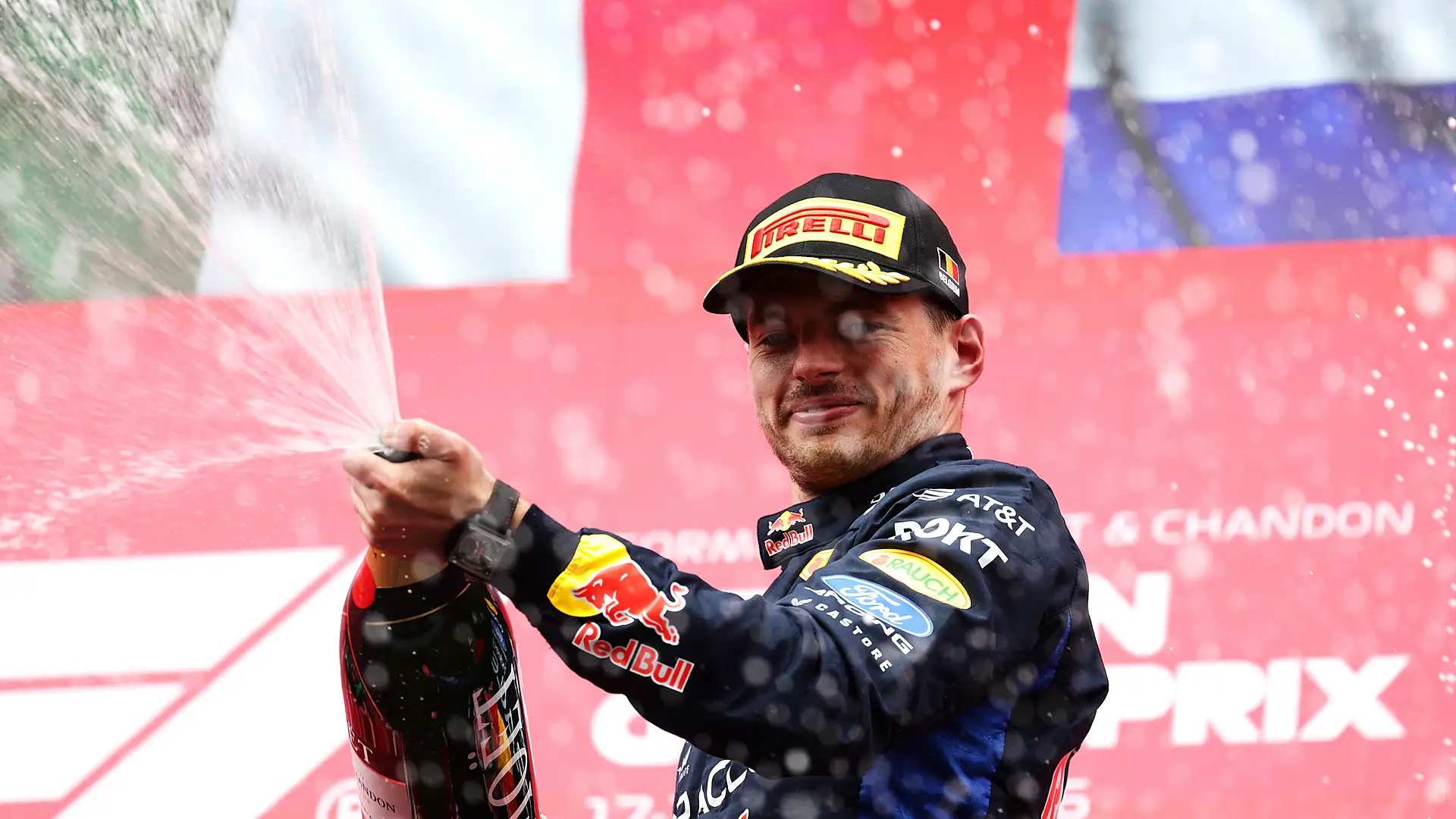
Max Verstappen secured his third podium of the season, but the result was not enough to restore Red Bull as a central force in the championship battle. He briefly led on the opening lap and displayed competitive speed, but lacked the consistency required to maintain pressure on Antonelli and Leclerc until the finish.
The Belgian Grand Prix ultimately clarified the hierarchy of the championship. Antonelli is no longer merely a young driver leading the standings through an impressive opening sequence of results. He is beginning to build the kind of points cushion that changes how every rival must calculate risk.
Heading into the Hungarian Grand Prix, Antonelli is in a position to control the direction of the title fight. Hamilton and Russell must not only beat him, but also ensure that every opportunity delivers the maximum return. After Belgium, their margin for error has narrowed, while Antonelli has gained one of the most valuable assets in a long championship campaign: the freedom to decide when to attack and when protecting the lead is enough.
| POS | FOTO | RIDER / TEAM | PTS |
|---|---|---|---|
|
1
|
|
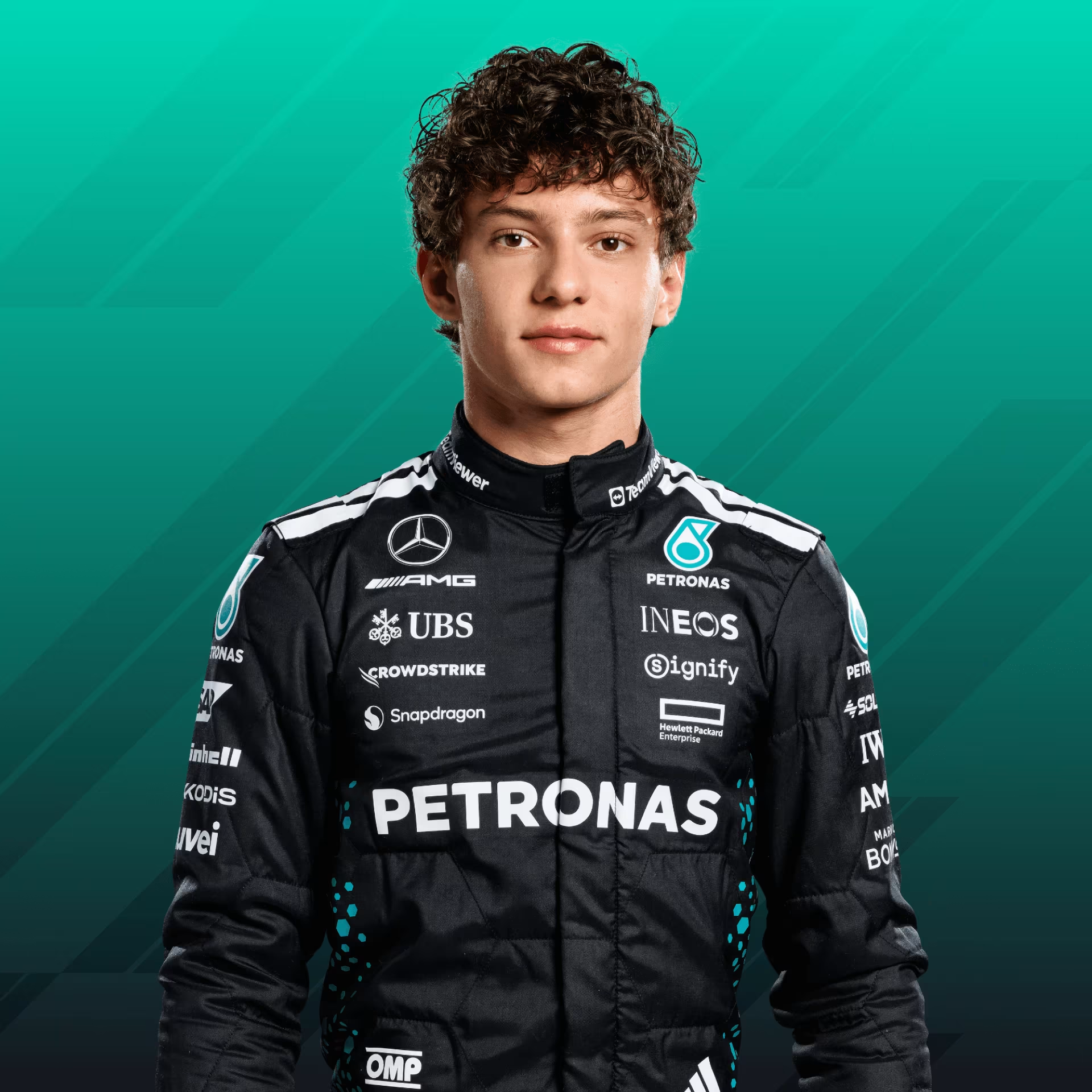
Kimi Antonelli
Mercedes
|
340 |
|
2
|
|
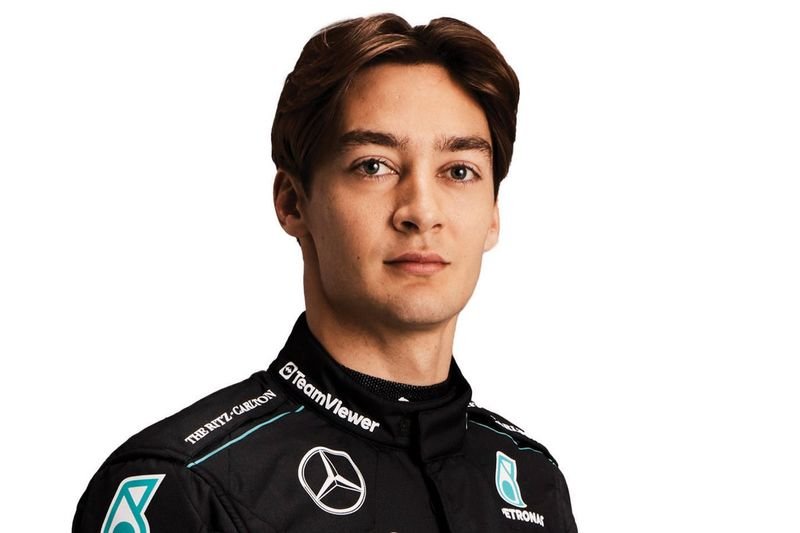
George Russell
Mercedes
|
238 |
|
3
|
|
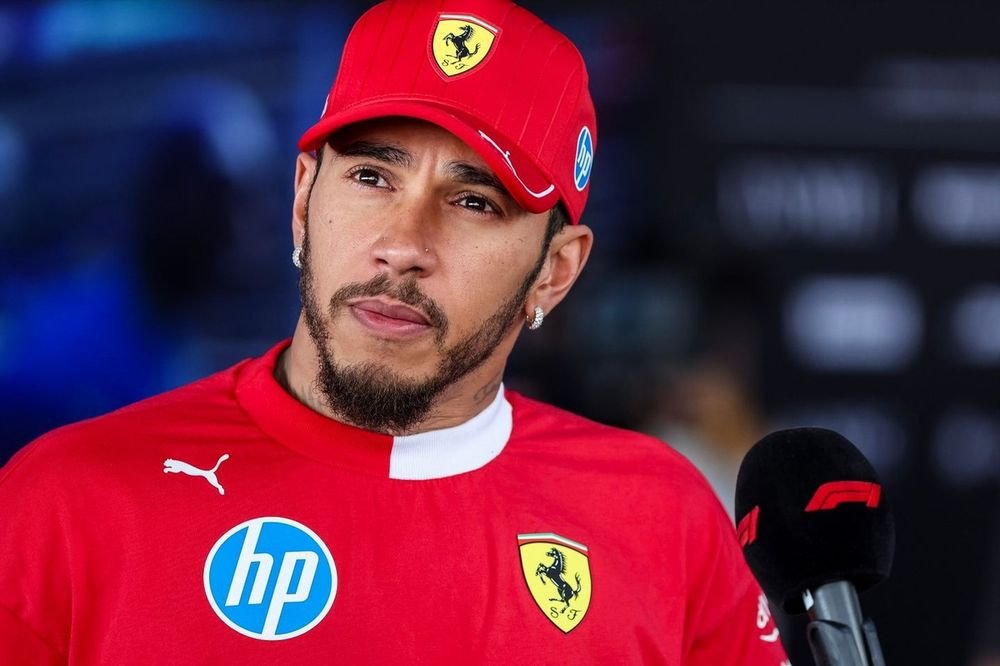
Lewis Hamilton
Ferrari
|
229 |
|
4
|
|
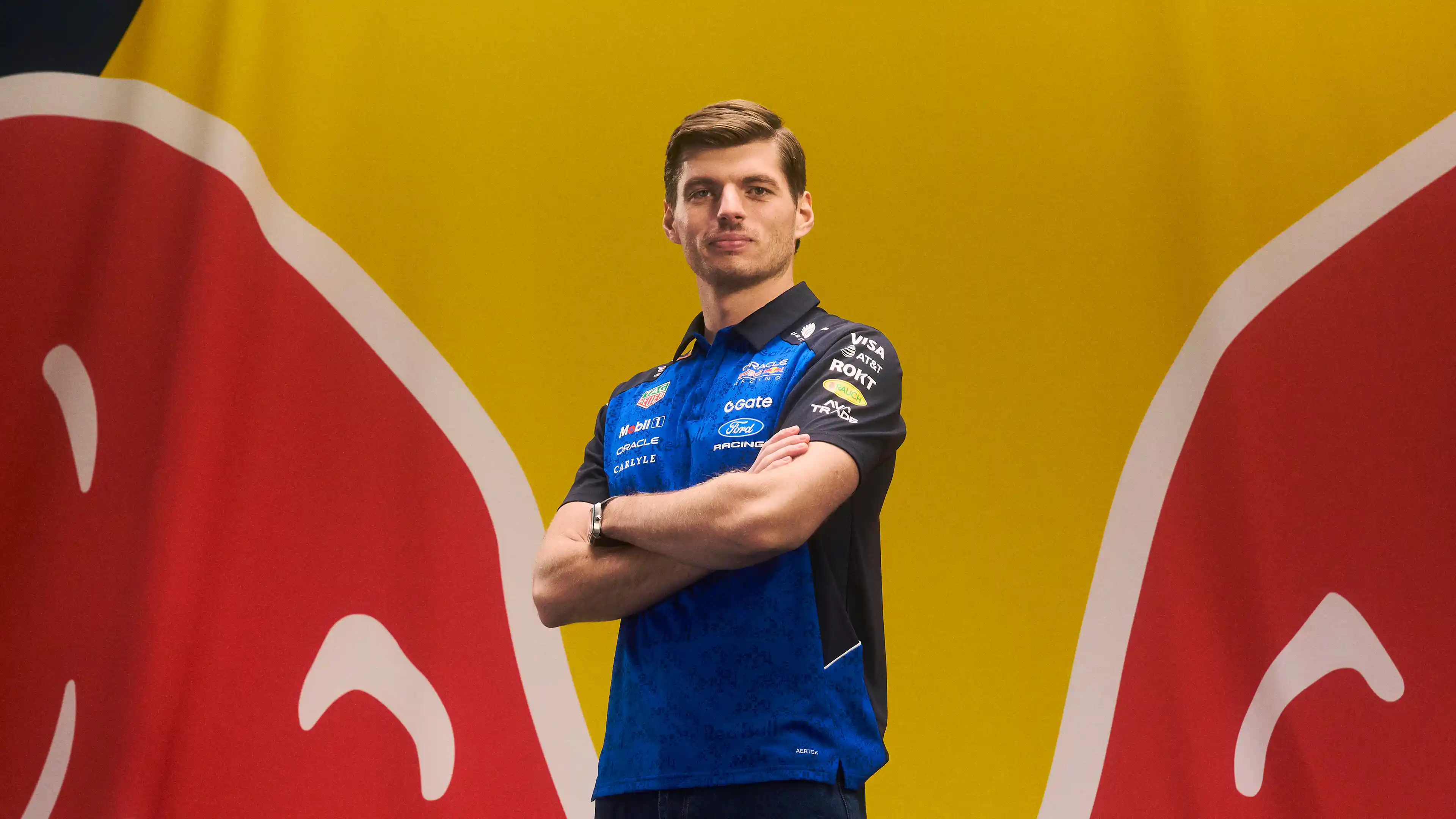
Max Verstappen
Red Bull Racing
|
221 |
|
5
|
|
Charles Leclerc
Ferrari
|
215 |
|
6
|
|
Lando Norris
McLaren
|
201 |
|
7
|
|
Oscar Piastri
McLaren
|
138 |
|
8
|
|
Isack Hadjar
Red Bull Racing
|
97 |
|
9
|
|
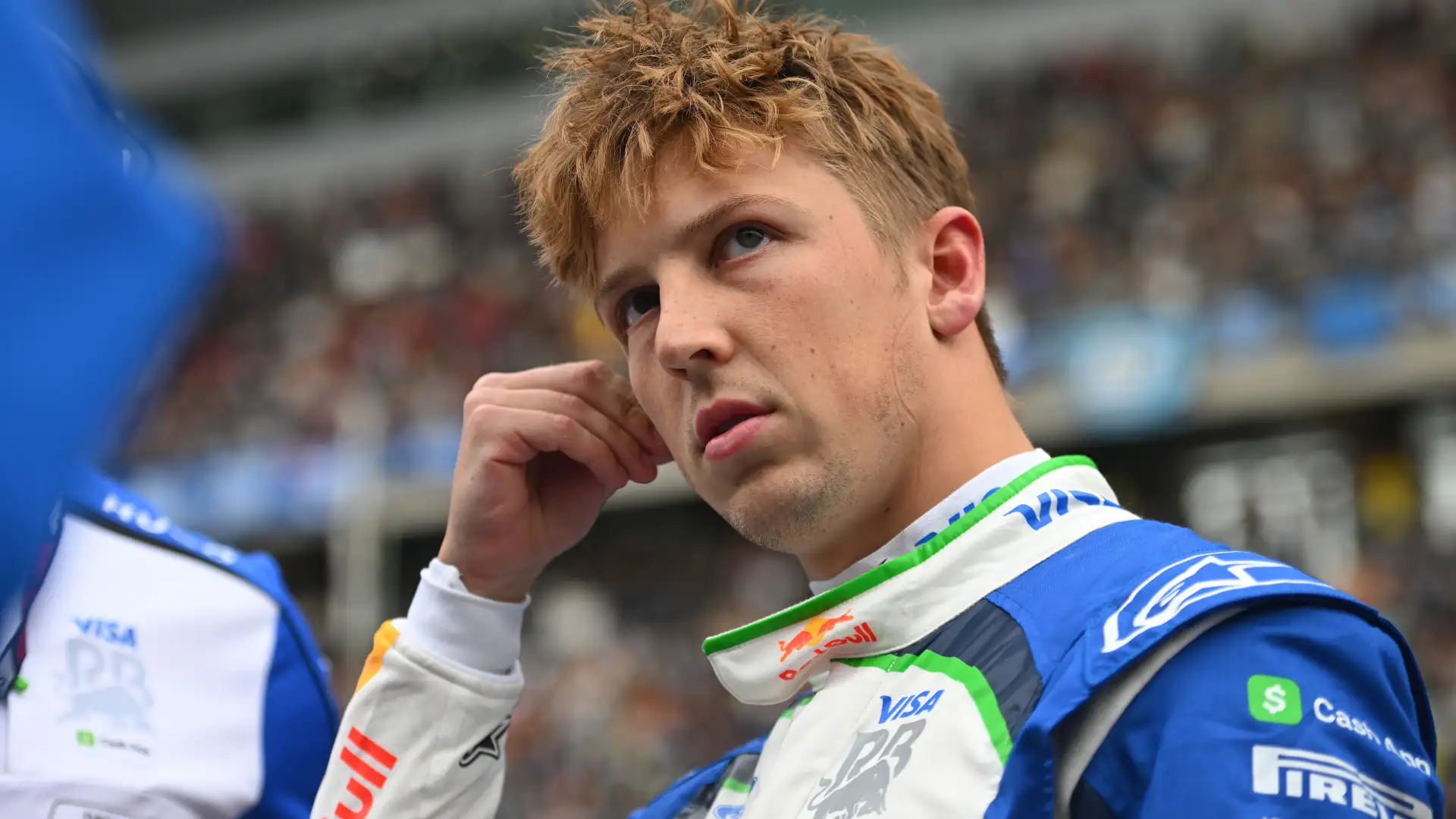
Liam Lawson
Racing Bulls
|
75 |
|
10
|
|
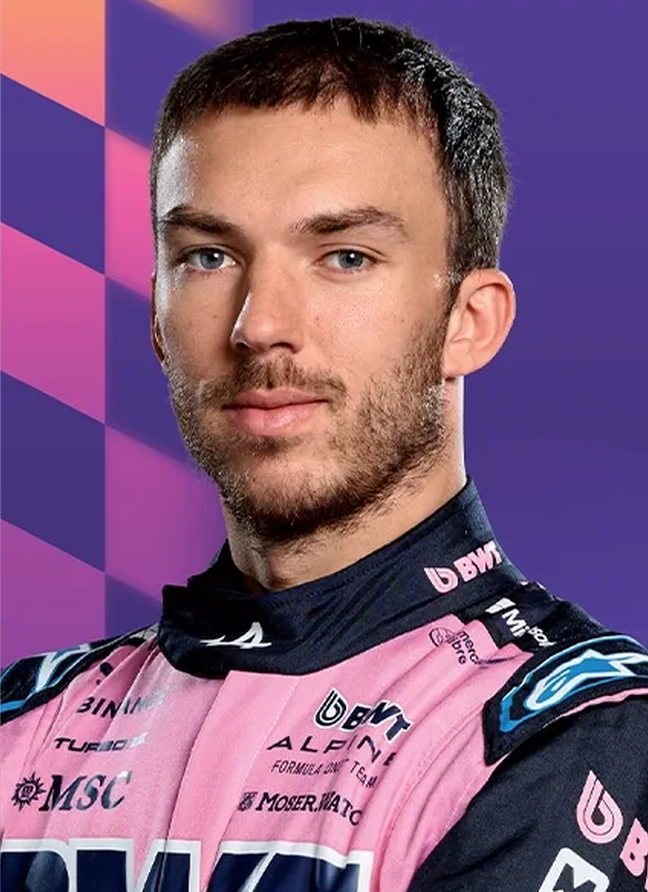
Pierre Gasly
Alpine
|
41 |
| POS | FOTO | CONSTRUCTOR | PTS |
|---|---|---|---|
|
1
|

|
Mercedes
|
561 |
|
2
|
|
Ferrari
|
418 |
|
3
|

|
McLaren
|
317 |
|
4
|
|
Red Bull Racing
|
306 |
|
5
|
|
Racing Bulls
|
94 |
|
6
|
|
Alpine
|
68 |
|
7
|
|
Haas F1 Team
|
30 |
|
8
|
|
Audi
|
19 |
|
9
|
|
Williams
|
12 |
|
10
|
|
Aston Martin
|
7 |
| POS | FOTO | RIDER / TEAM | TIME / GAP | PTS |
|---|---|---|---|---|
1 | | Kimi AntonelliMercedes | 1:24:42.479 Italia | 25 |
2 | | Charles LeclercFerrari | +1.952s Monako | 18 |
3 | | Max VerstappenRed Bull Racing | +11.586s Belanda | 15 |
4 | | Lewis HamiltonFerrari | +17.245s Britania Raya | 12 |
5 | | Oscar PiastriMcLaren | +18.988s Australia | 10 |
6 | | Isack HadjarRed Bull Racing | +23.307s Prancis | 8 |
7 | | Lando NorrisMcLaren | +24.014s Britania Raya | 6 |
8 | 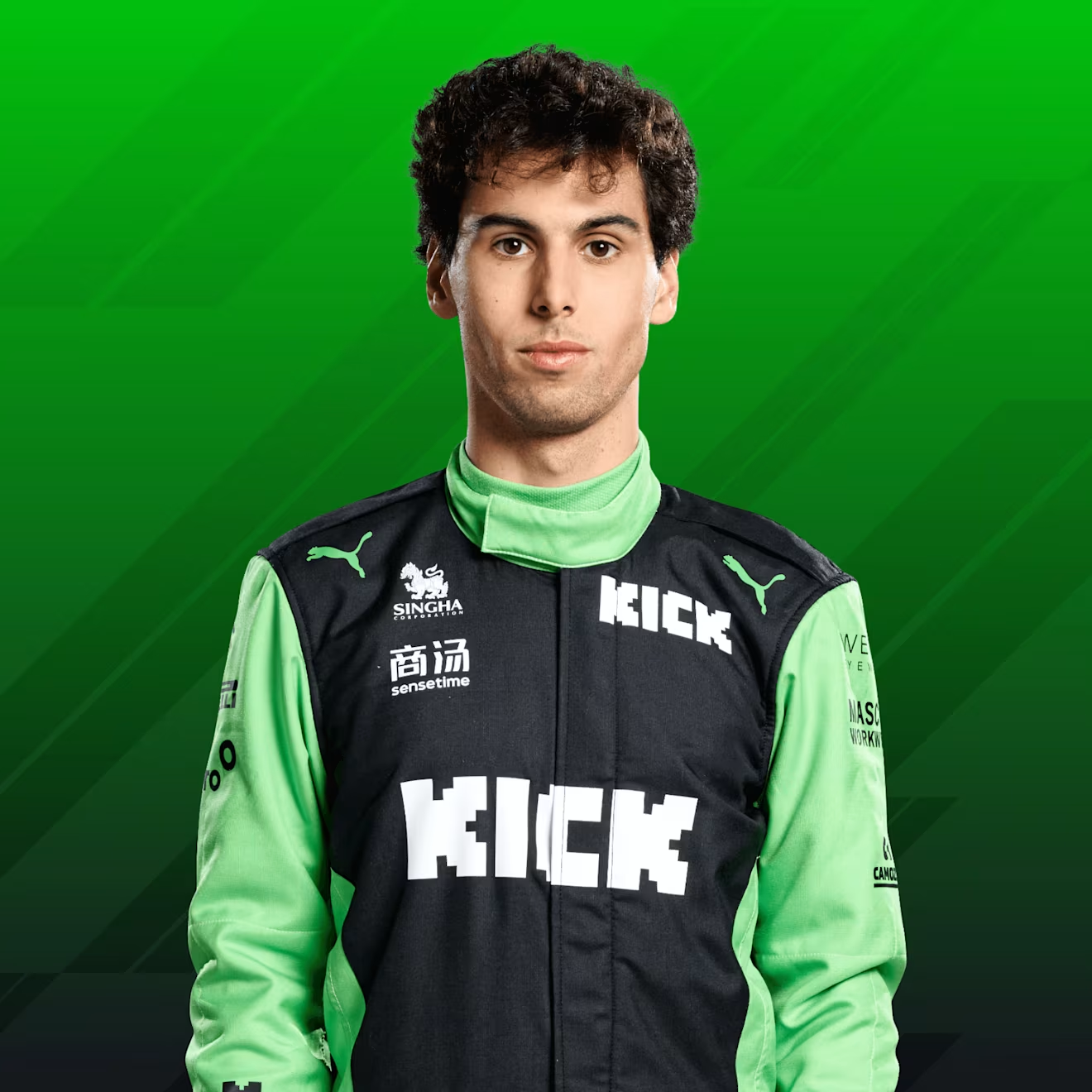 | Gabriel BortoletoAudi | +49.140s Brasil | 4 |
9 | 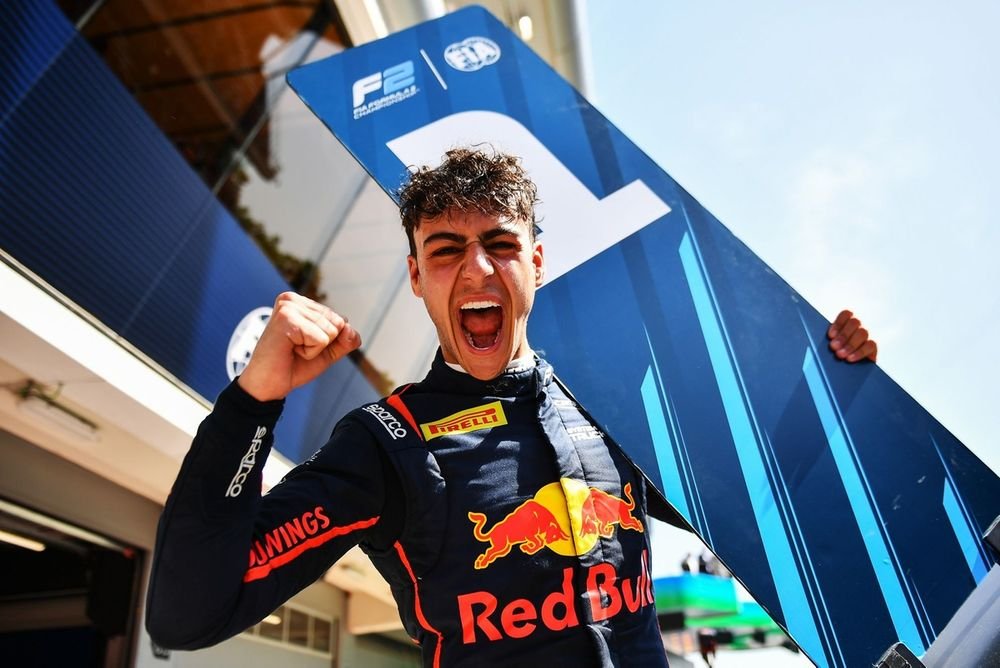 | Arvid LindbladRacing Bulls | +50.406s Britania Raya | 2 |
10 | 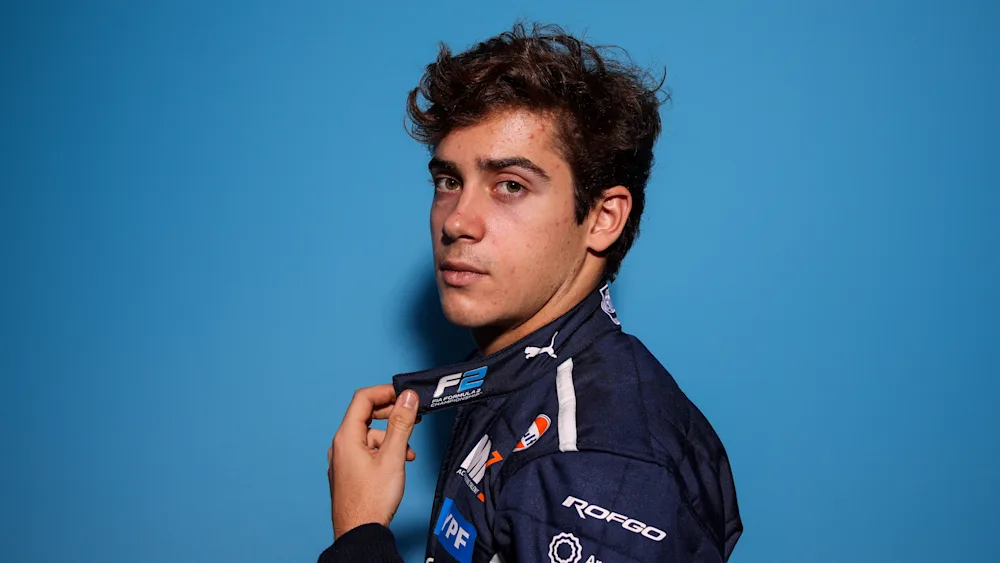 | Franco ColapintoAlpine | +76.037s Argentina | 1 |
11 | | Pierre GaslyAlpine | +76.991s Prancis | 0 |
12 | | Liam LawsonRacing Bulls | +77.523s Selandia Baru | 0 |
13 | 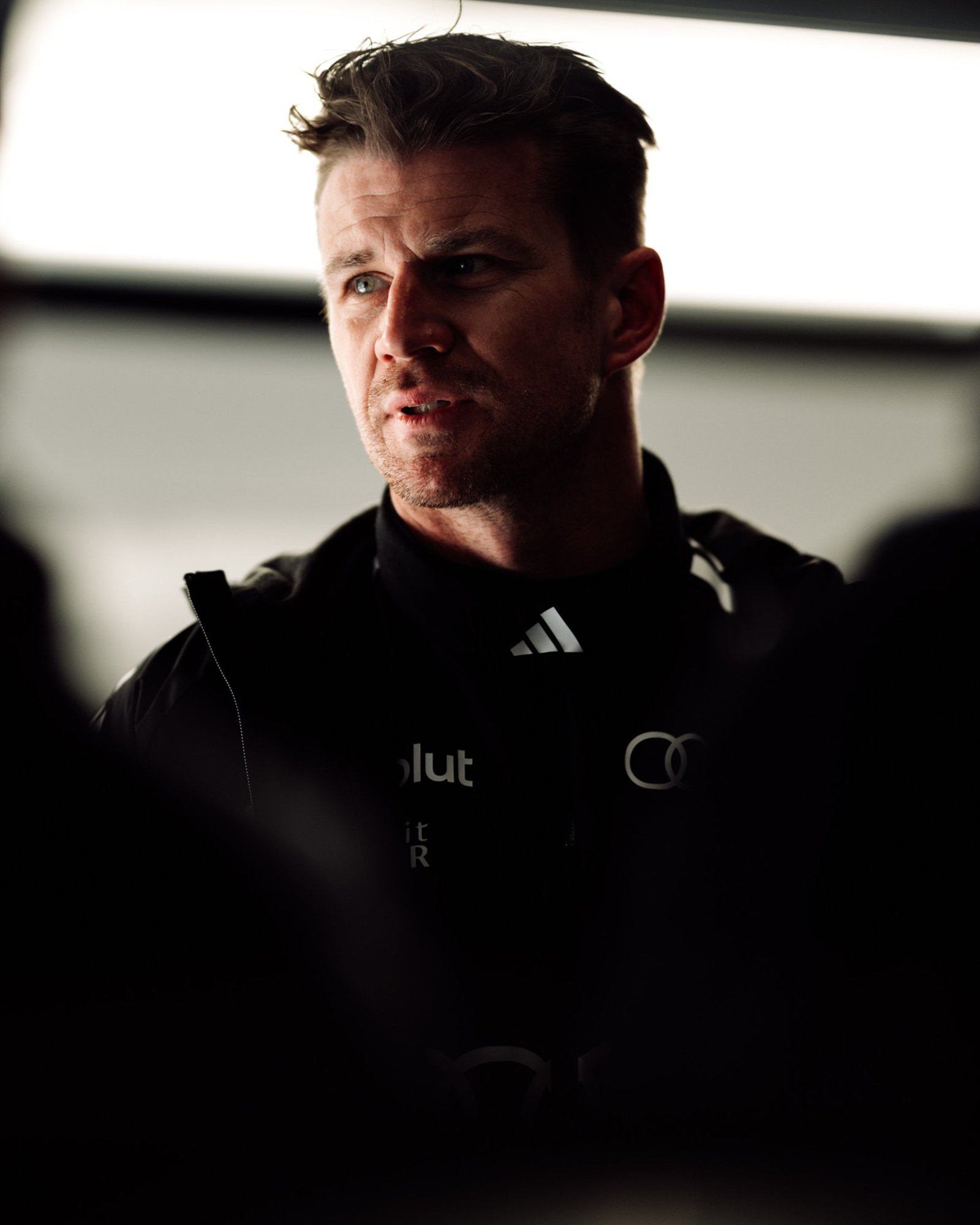 | Nico HulkenbergAudi | +78.348s Jerman | 0 |
14 | 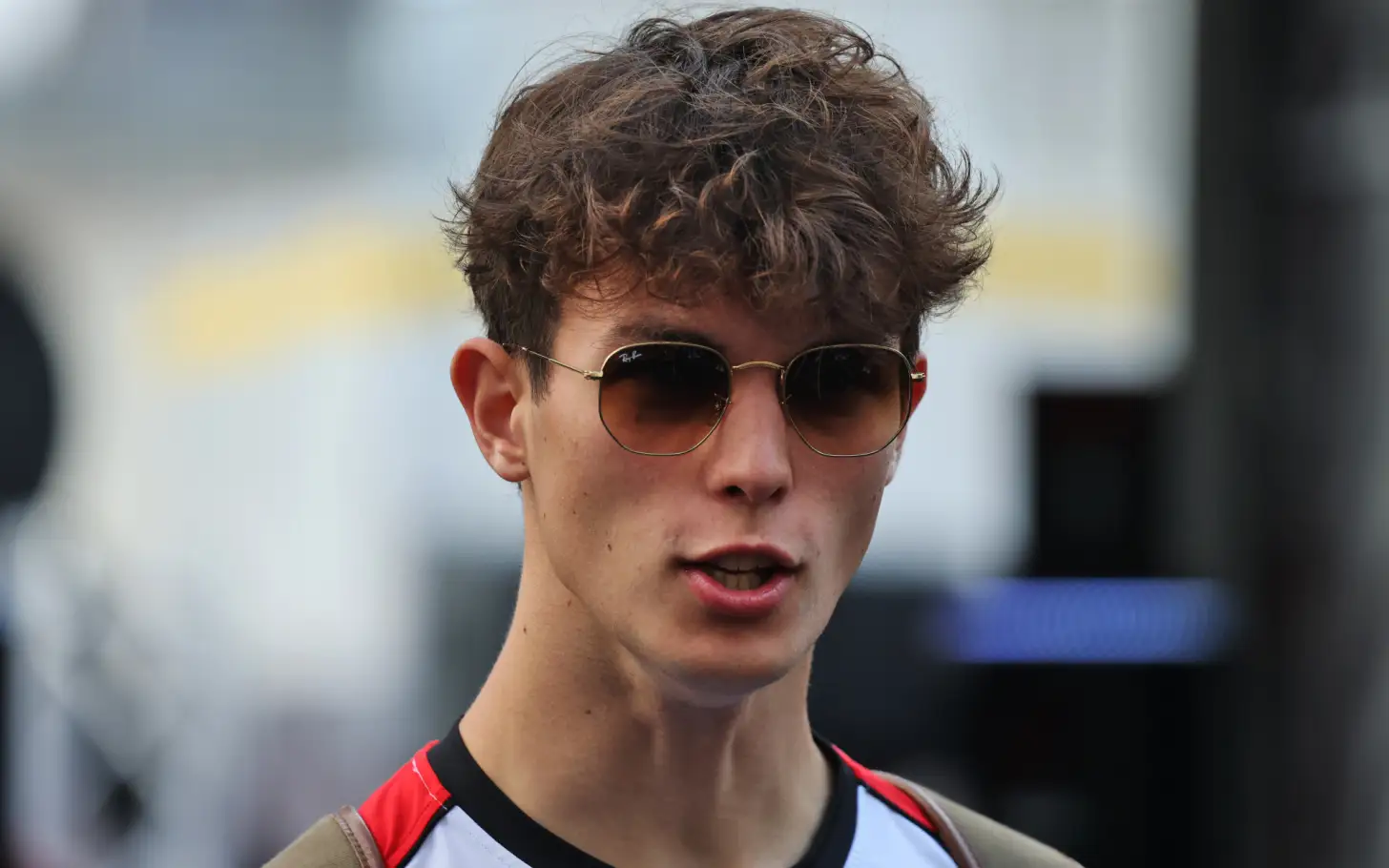 | Oliver BearmanHaas F1 Team | +94.465s Britania Raya | 0 |
15 | 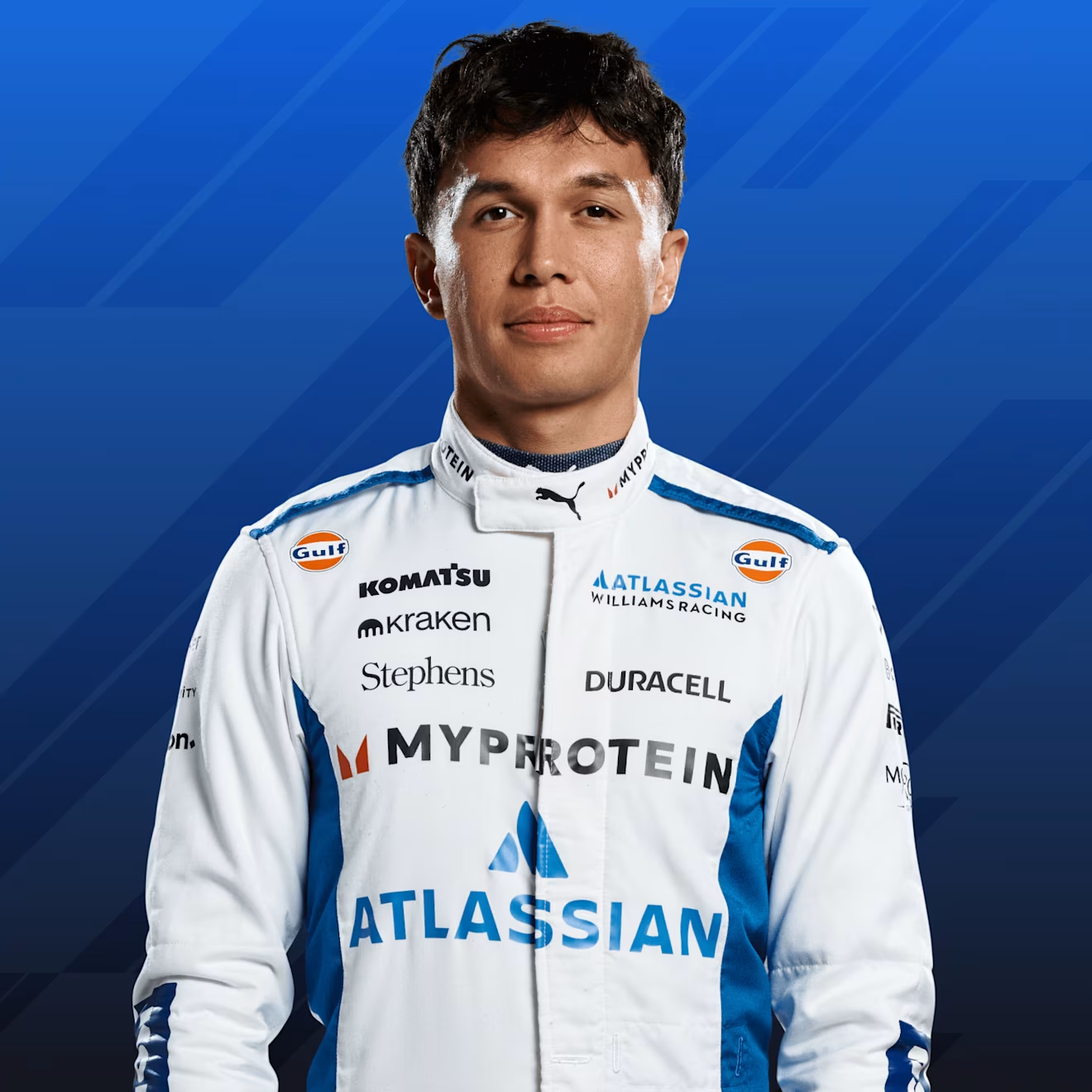 | Alexander AlbonWilliams | +104.684s Thailand | 0 |
16 | 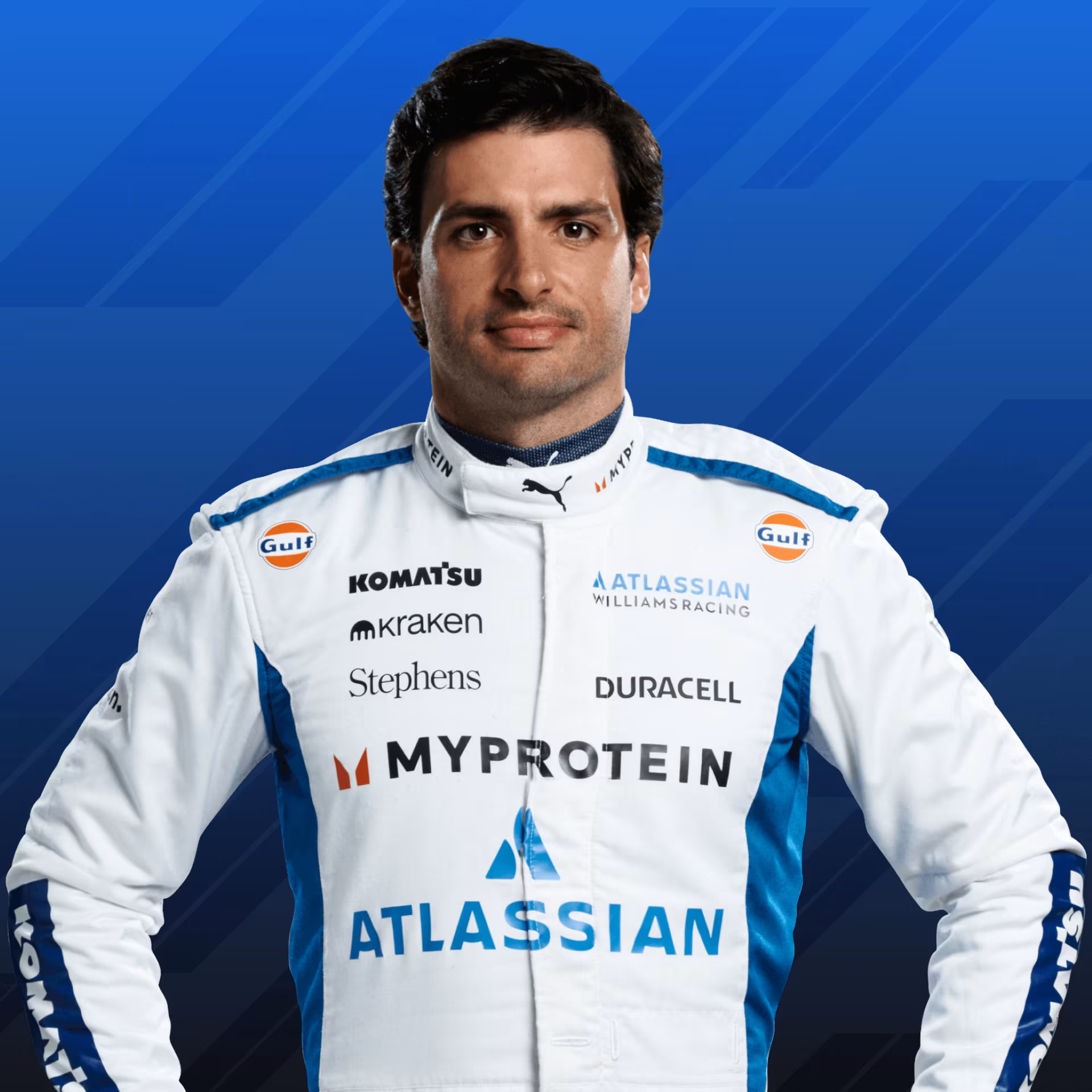 | Carlos SainzWilliams | +105.856s Spanyol | 0 |
17 | 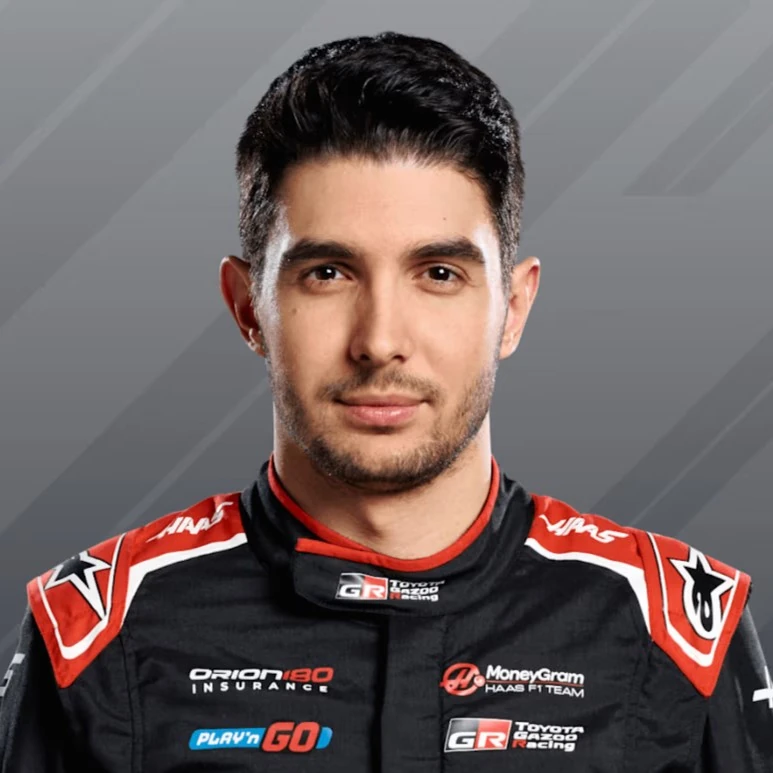 | Esteban OconHaas F1 Team | +110.925s Prancis | 0 |
18 | 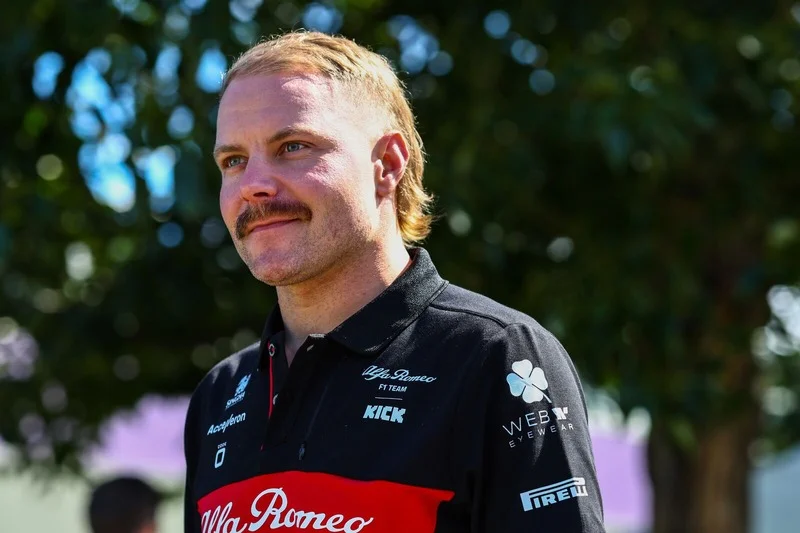 | Valtteri BottasCadillac | +1 lap Finlandia | 0 |
19 | 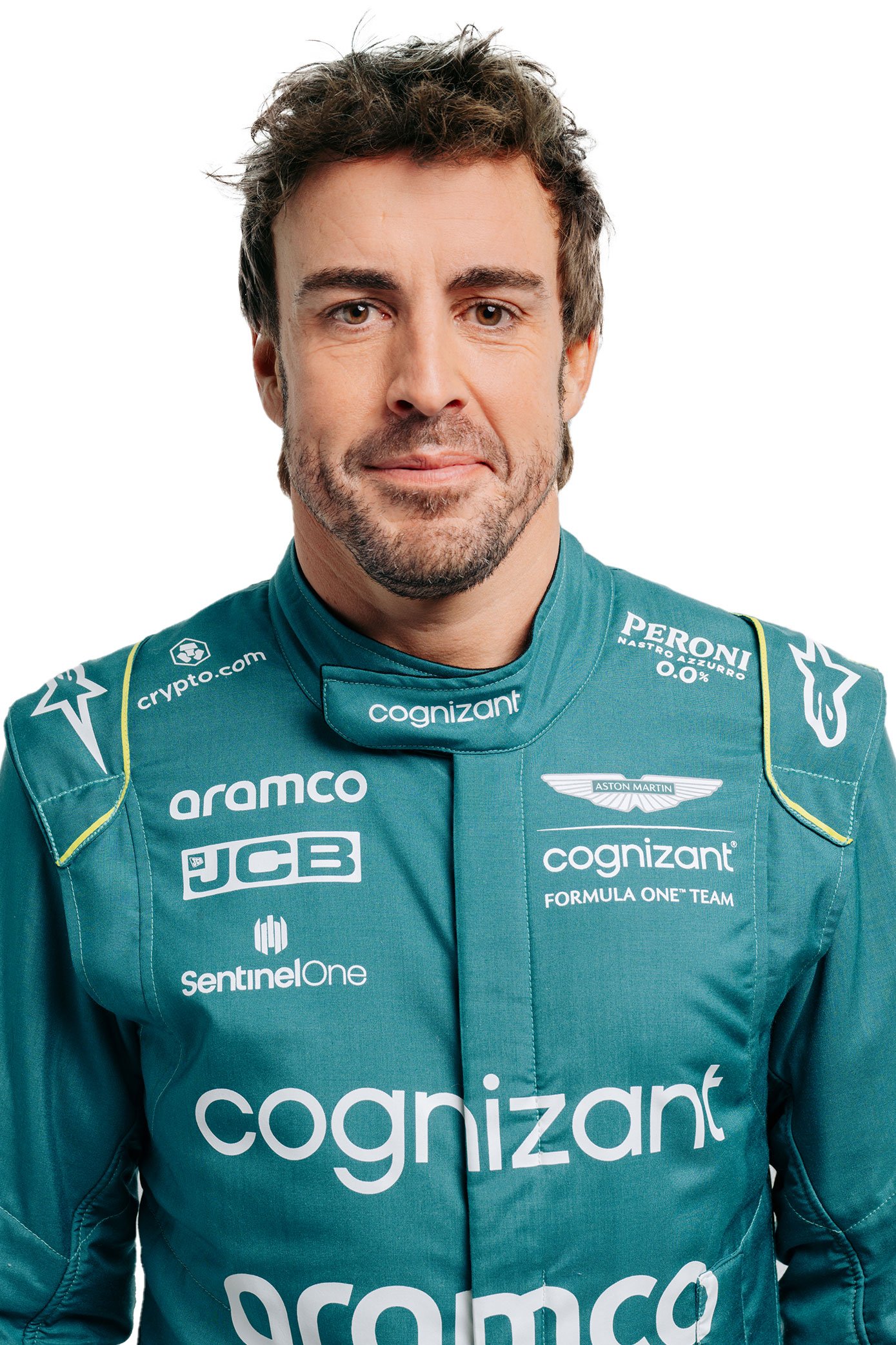 | Fernando AlonsoAston Martin | +2 laps Spanyol | 0 |
20 | 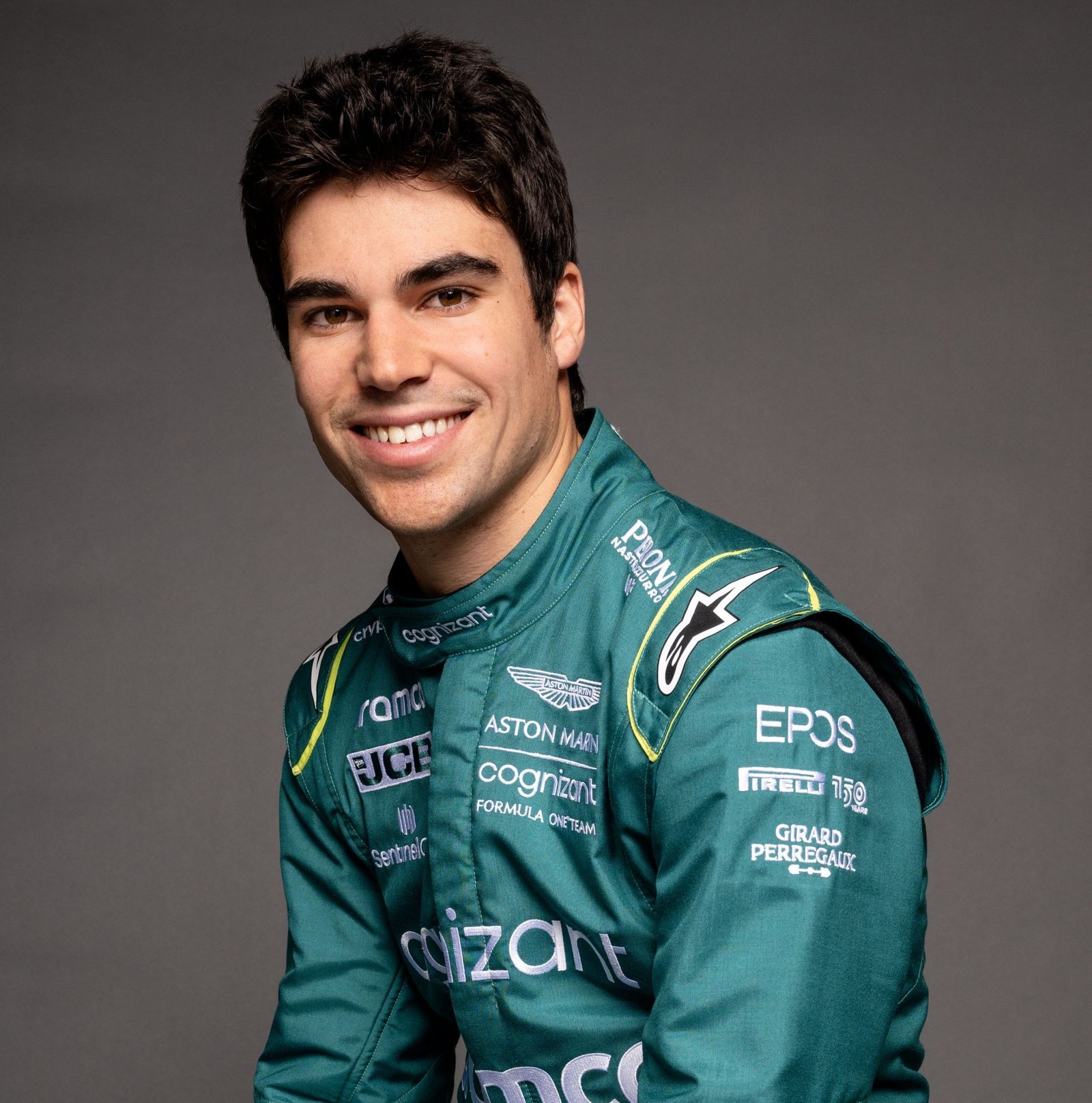 | Lance StrollAston Martin | DNF Kanada | 0 |
21 | 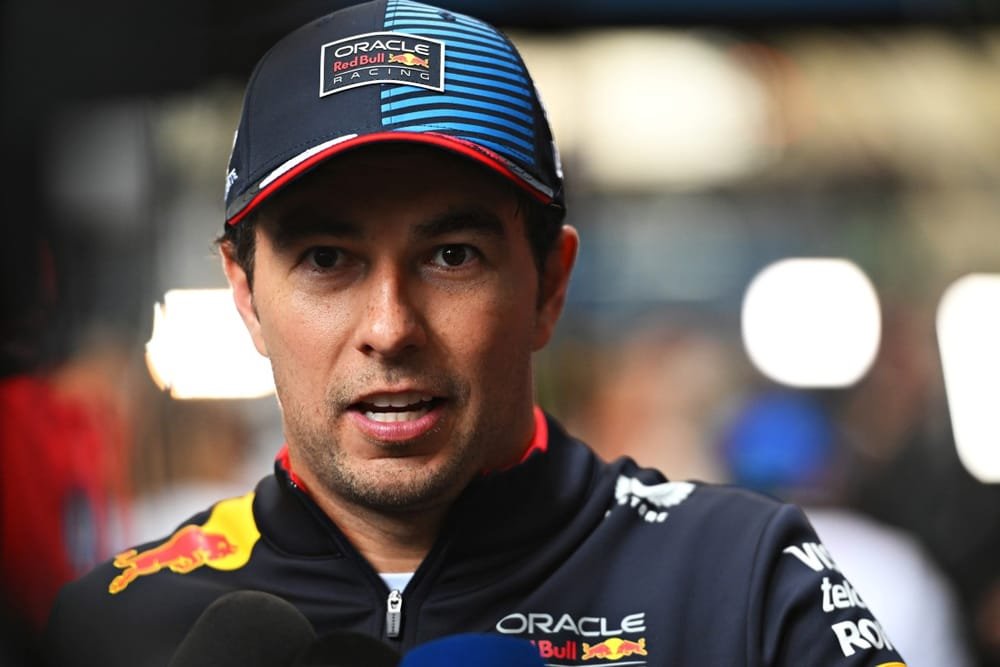 | Sergio PerezCadillac | DNF Meksiko | 0 |
22 | | George RussellMercedes | DNF Britania Raya | 0 |
Read Also
Alex Albon sebut vest pendingin Williams terbaik di F1 2026. Simak analisis lengkap, regulasi suhu panas GP Singapura, dan perdebatan pembalap di sini.
Leonardo Fornaroli resmi bergabung dengan program Hypercar McLaren WEC 2027. Baca analisis mendalam perpindahan karier pebalap muda ini selengkapnya di sini.
Simak analisis lengkap mengapa Mercedes wajib cemas hadapi F1 2027 setelah upgrade gagal total. Baca ulasan teknis mendalam di Sportrik sekarang!
 Continue with Google
Discussion (0)
Join the Discussion!
Sign in easily to start commenting, replying, and interacting with other readers.
Latest Comments
No comments yet. Be the first!