






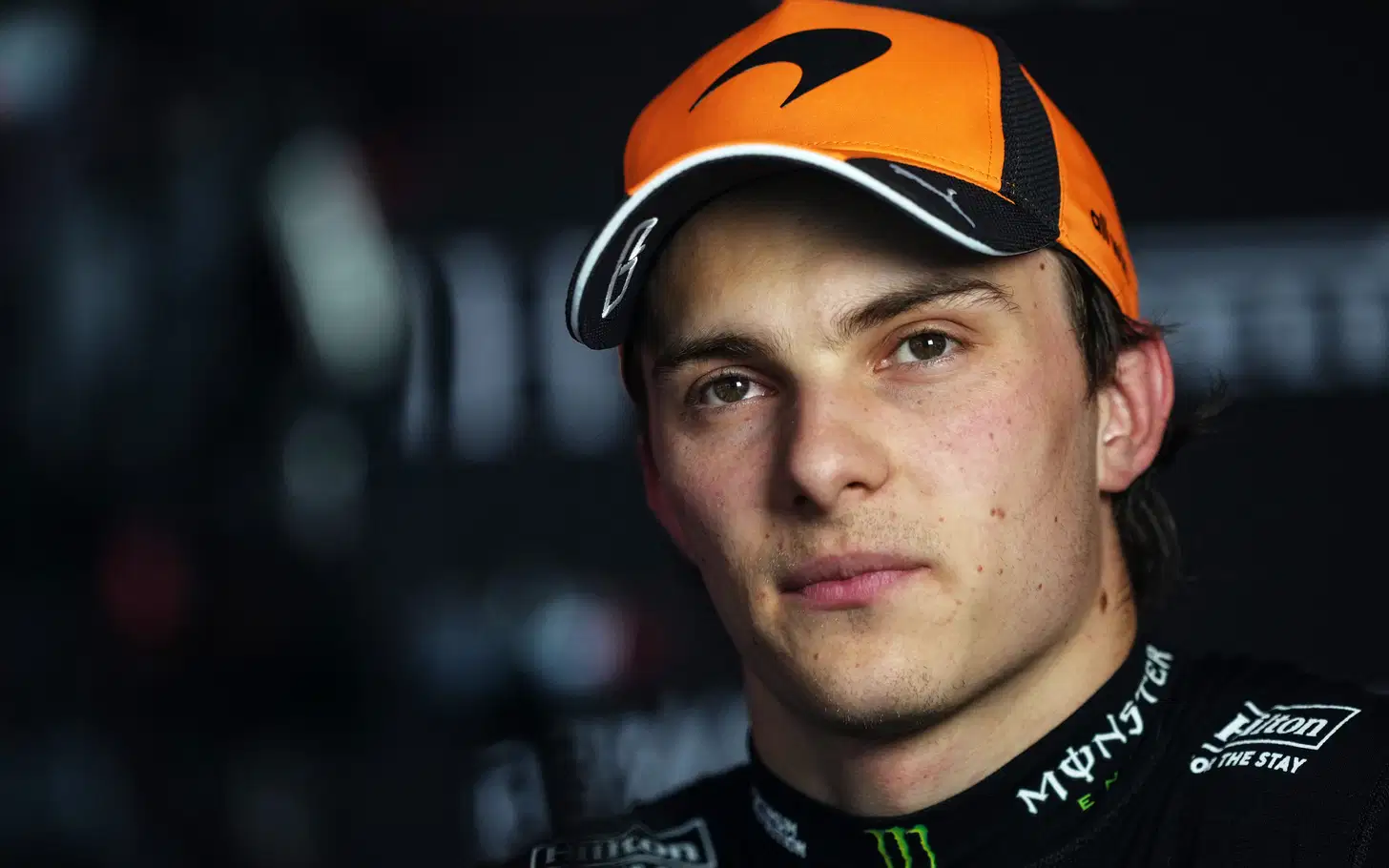

Formula 1, Sportrik Media - Oscar Piastri believes some scenarios created by Formula 1’s 2026 power units represent a poor way of deciding qualifying results after energy problems again disrupted George Russell at the Belgian Grand Prix.
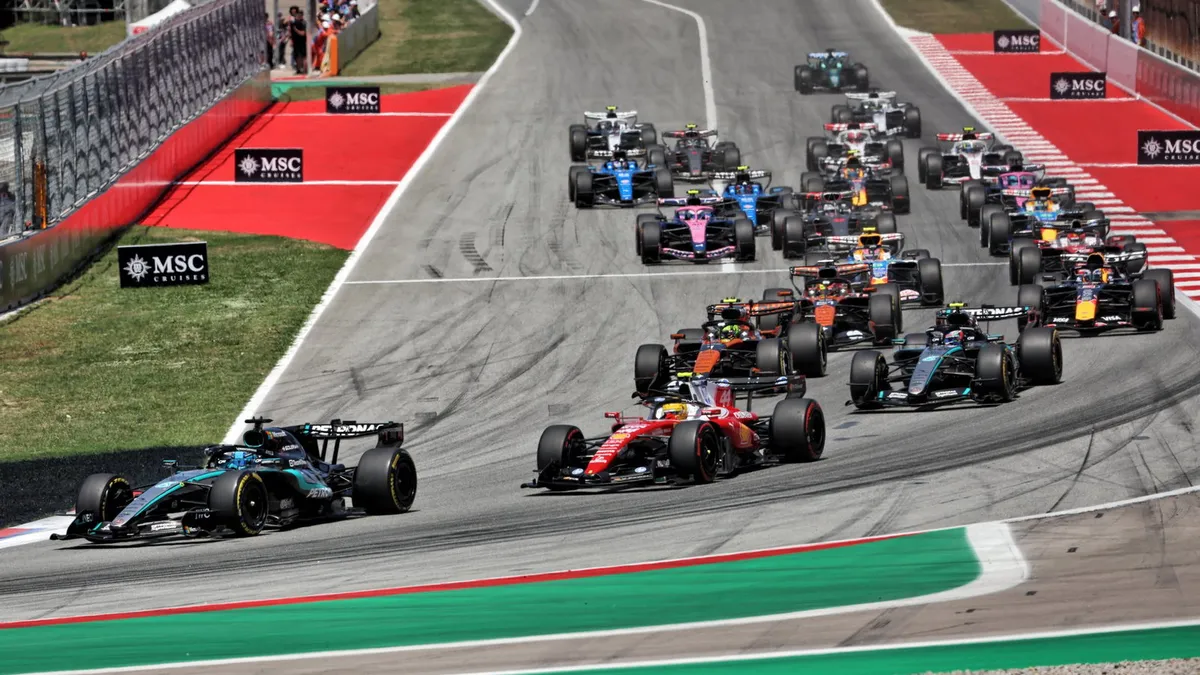
Russell has suffered from a lack of straight-line speed across the previous two race weekends. The problem reached its most damaging point in Belgium, where limited power left him vulnerable on the opening lap before his collision with Lewis Hamilton at Les Combes.
Russell’s fundamental issue concerned the amount of battery energy available. His car was not harvesting enough energy through the corners, leaving less electrical power to deploy on the straights compared with other drivers.
The effect was particularly visible in qualifying. Russell lost almost four-tenths of a second to Kimi Antonelli in the final sector alone, despite producing similar performance to his team-mate through several of the preceding corners.
“When qualifying grids are decided by computers behaving or misbehaving, that is a pretty crap way of going racing,” Piastri said.
The McLaren driver understood why Russell had expressed such strong criticism, although he suggested the Mercedes driver may have portrayed the situation more dramatically because of his frustration. Piastri argued that it is difficult to accept a result when a driver matches a team-mate through the corners but suddenly loses significant time because of system management.
The 2026 regulations use a 50:50 power split between the internal combustion engine and the electrical system. Formula 1 has approved changes for 2027 and 2028 that will increase the combustion engine’s contribution and reduce the dependency on battery energy.
However, Piastri does not believe adjusting the power split will automatically solve the issue experienced by Russell. He explained that the problem also involves engine calibration, the system’s learning process and the way software manages energy throughout a lap.
“It is about how the system manages things, how the engine is calibrated and how it learns. Those kinds of issues are ingrained into these engines,” he added.
Piastri stressed that the problem is not exclusive to Mercedes or McLaren. Based on conversations with other drivers, every power unit manufacturer is dealing with similar sensitivity, although the form and severity of the issue may vary.
Even a driver’s actions on an out-lap can influence how much energy is available when the flying lap begins. That makes tyre preparation, energy harvesting, engine calibration and power deployment deeply interconnected.
For Piastri, the complexity becomes a concern when a driver’s performance is no longer fully represented by the lap time. Manufacturers are expected to understand the systems better as the season develops, but the Belgian Grand Prix demonstrated that the 2026 engines can still determine positions through factors that are difficult to control from the cockpit.
Read Also
Circuit de Barcelona-Catalunya siap gelar IndyCar mulai 2027 usai rotasi kalender F1. Simak analisis lengkap dan dampaknya bagi Alex Palou di sini.

Simak analisis lengkap pujian Nico Rosberg untuk Andrea Kimi Antonelli dan dinamika bursa transfer F1. Baca analisis mendalam di sini!
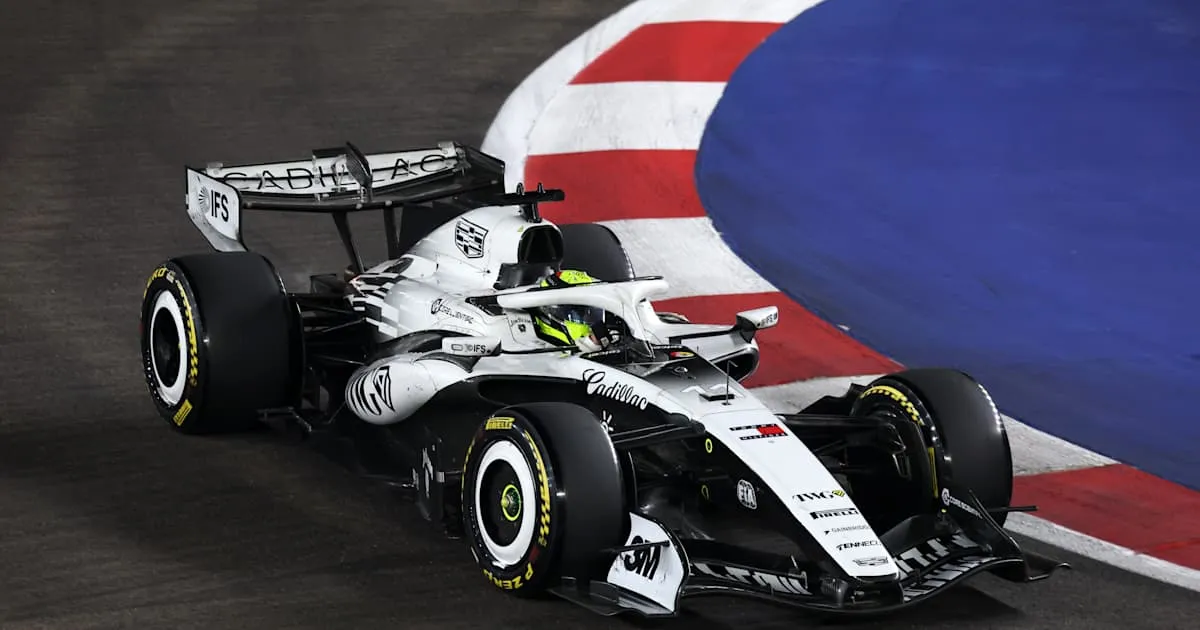
Cadillac turunkan Colton Herta di FP1 GP Amerika Serikat 2026. Simak analisis lengkap, update poin, dan jadwal akhir pekan ini di sini.
 Continue with Google
Discussion (0)
Join the Discussion!
Sign in easily to start commenting, replying, and interacting with other readers.
Latest Comments
No comments yet. Be the first!