






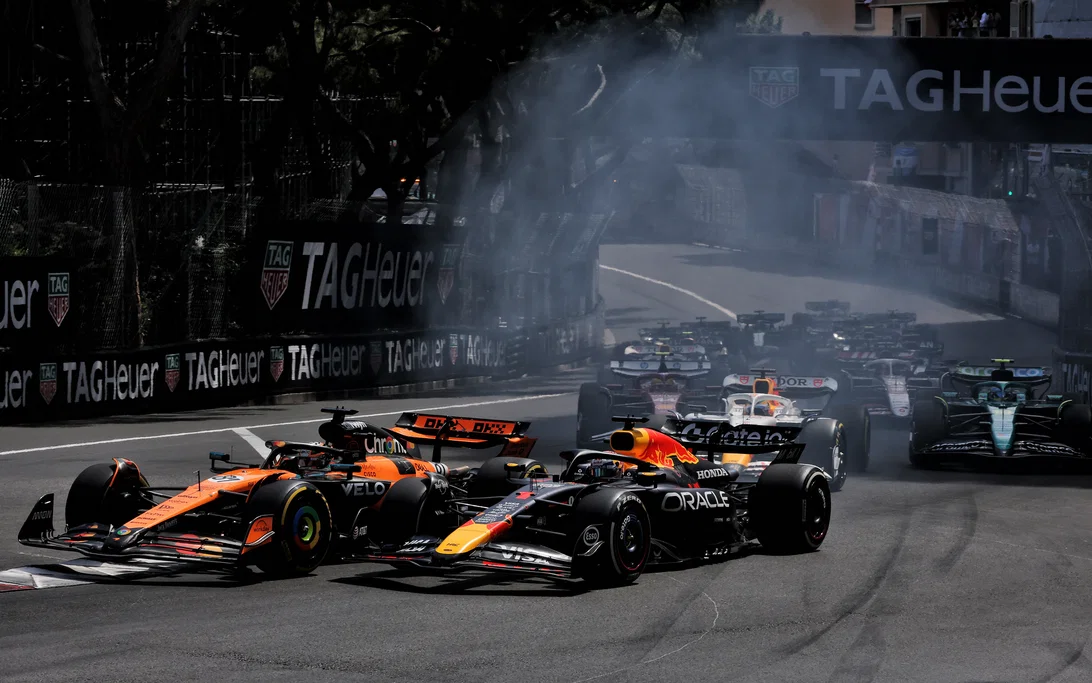

Monaco Grand Prix will become the first race of the 2026 season not to use Formula 1’s new “straight mode” system. The decision comes amid the introduction of Formula 1’s latest active aerodynamics regulations, which were fully implemented this year as part of the championship’s new technical era.
Under the 2026 regulations, Formula 1 cars now feature active front and rear wings capable of opening to reduce drag on straights. The system was designed partly to compensate for the characteristics of the new power units, which operate with a 50:50 split between internal combustion power and electrical battery deployment.
Although the concept replaces part of the old DRS functionality, straight mode is not a direct successor to the previous Drag Reduction System. Traditional DRS could only be activated when a car was within a specific distance of a rival during races, whereas straight mode forms part of the broader active aerodynamics package focused on improving energy efficiency and maximum speed.

However, for this weekend’s Monaco round, the official circuit map published by Formula 1 confirms there will be no straight mode activation zones at the Circuit de Monaco. As a result, Monaco becomes the first event of the season where the feature will not be used.
Under previous regulations, DRS was only available on Monaco’s pit straight due to the circuit’s limited overtaking opportunities and narrow street layout. The FIA also never permitted DRS usage through the tunnel section because of concerns regarding aerodynamic instability at high speed.
Despite the removal of straight mode, the overtake mode system will still remain active during the Monaco Grand Prix. The detection point has been positioned before the Rascasse corner, while activation occurs on corner exit and shortly before the final Anthony Noghes turn.
The decision highlights how cautiously the FIA is approaching the implementation of active aerodynamics at circuits with unique characteristics such as Monaco. Compared to modern permanent venues, Circuit de Monaco offers minimal margin for error, inconsistent road surfaces, and extremely limited run-off areas, making high-speed aerodynamic changes significantly more sensitive from a safety perspective.
The absence of straight mode could also increase the importance of qualifying and track position around Monaco. With overtaking opportunities still expected to remain extremely limited, battery management, traction efficiency out of slow corners, and mechanical grip performance are likely to become the decisive factors in the fight for victory.
The situation also demonstrates that Formula 1 continues to evaluate the effectiveness of its new active aerodynamics regulations throughout the 2026 season. Monaco could become an important case study for the FIA in determining how straight mode technology should be implemented at extreme-layout circuits in the future.
Read Also
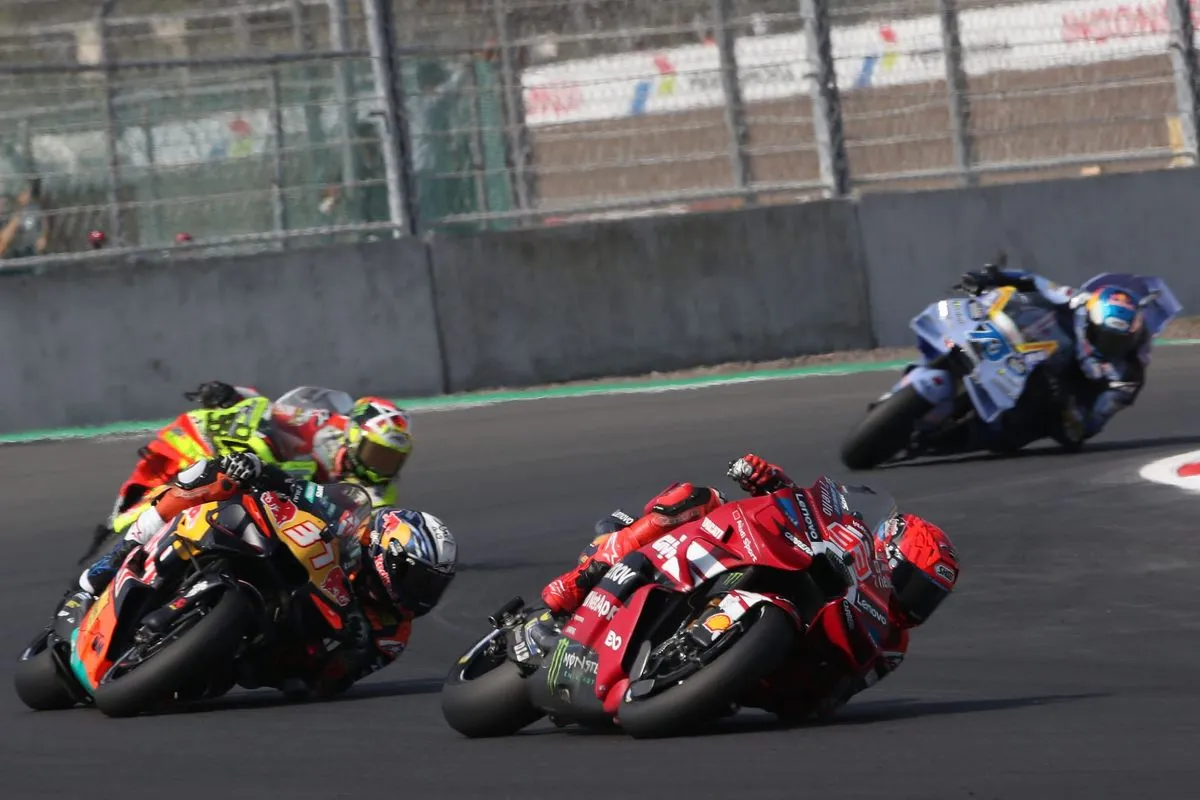
Simak analisis mendalam peringkat pembalap MotoGP Indonesia 2026 di Mandalika, mulai dari aksi gemilang Pedro Acosta hingga kemenangan dramatis Marco Bezzecchi.
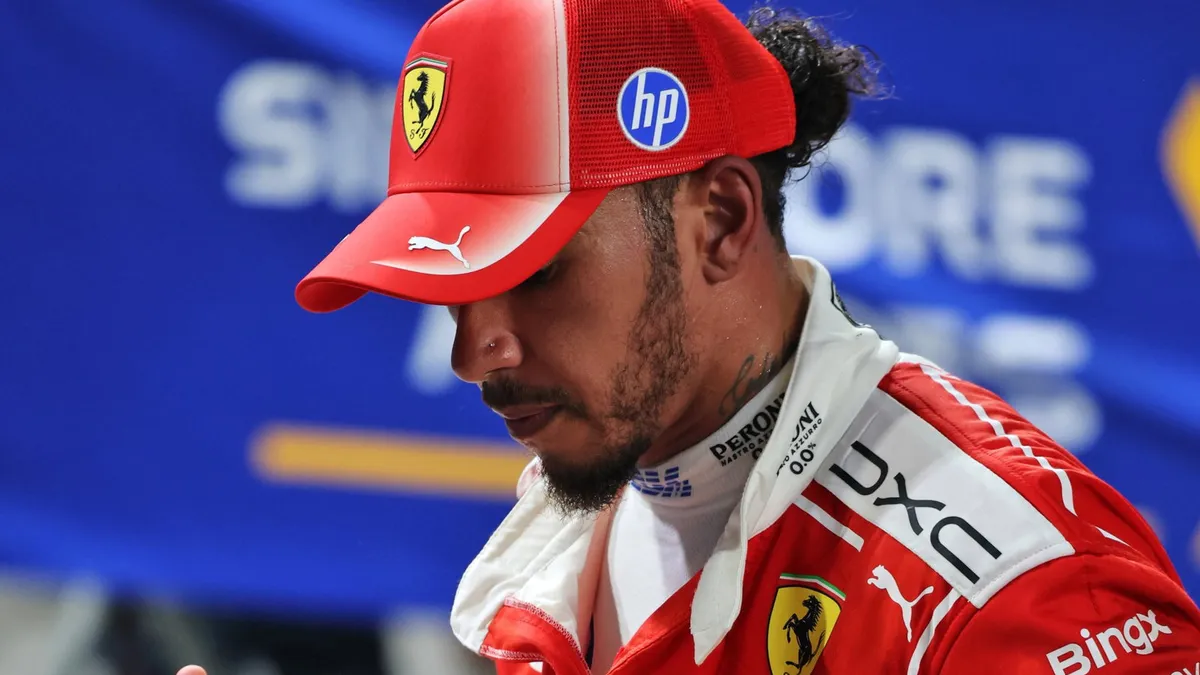
Simak analisis mendalam mengenai hilangnya kepercayaan Lewis Hamilton pada strategi Ferrari di GP Singapura. Baca selengkapnya di sini!

Simak analisis lengkap mengapa George Russell sebut Red Bull tolok ukur F1 2026 dan perjuangan Mercedes pahami paket upgrade W17. Baca selengkapnya di sini!
 Continue with Google
Discussion (0)
Join the Discussion!
Sign in easily to start commenting, replying, and interacting with other readers.
Latest Comments
No comments yet. Be the first!