






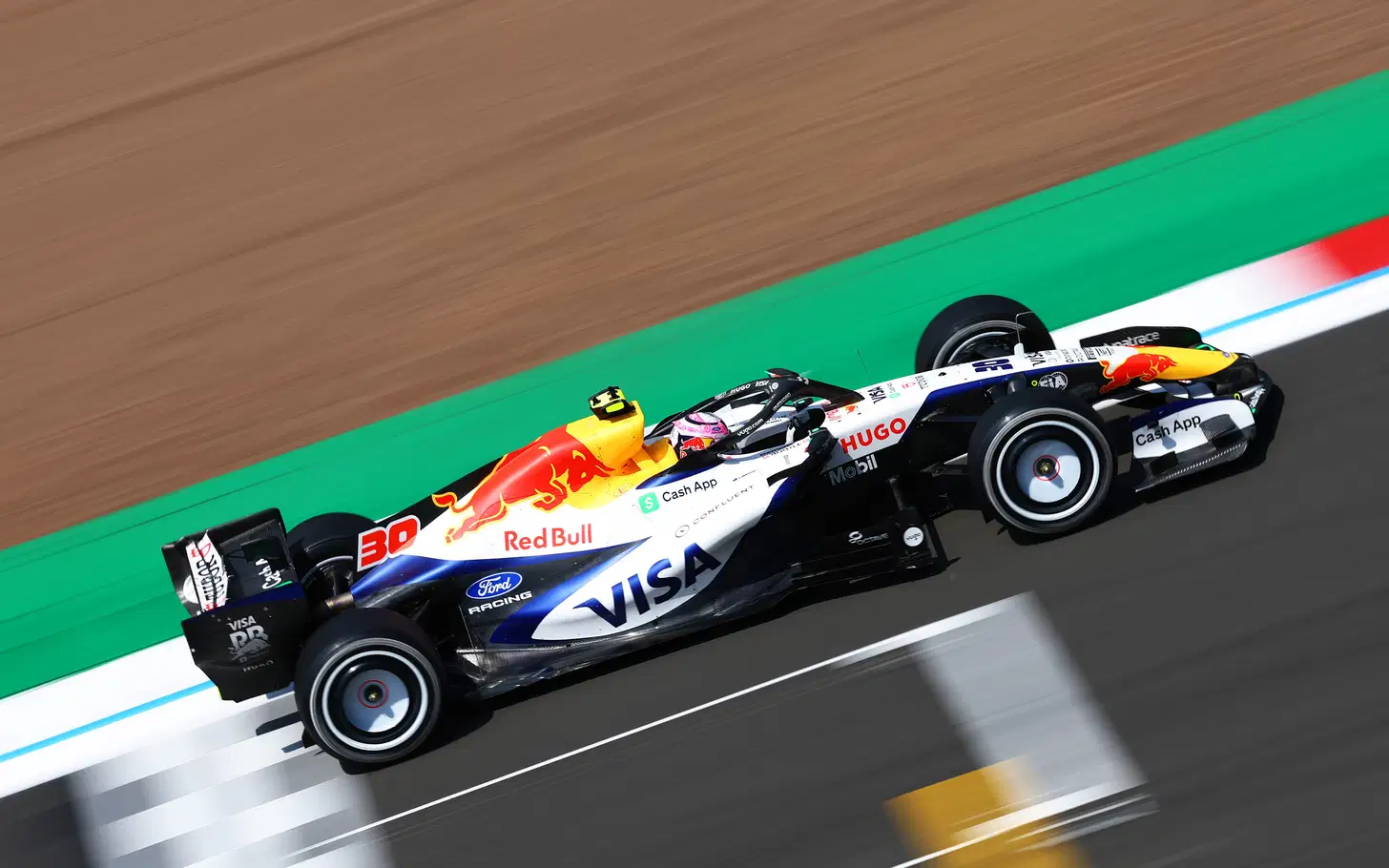

Racing Bulls has revealed that developing young drivers into potential future Red Bull stars depends on more than outright speed, with support, patience and the management of mistakes all central to its Formula 1 programme.
Since Red Bull purchased Minardi and relaunched the Faenza-based operation as Toro Rosso in 2006, the team has primarily served as a platform for developing emerging talent. Across its different identities, it has handed Formula 1 debuts to 15 drivers and produced several names who later established long careers at the highest level.
That group includes Max Verstappen, Sebastian Vettel, Daniel Ricciardo, Carlos Sainz, Pierre Gasly, Alexander Albon and Isack Hadjar. Some progressed directly to the senior Red Bull team, while others became race winners and experienced competitors with different constructors.
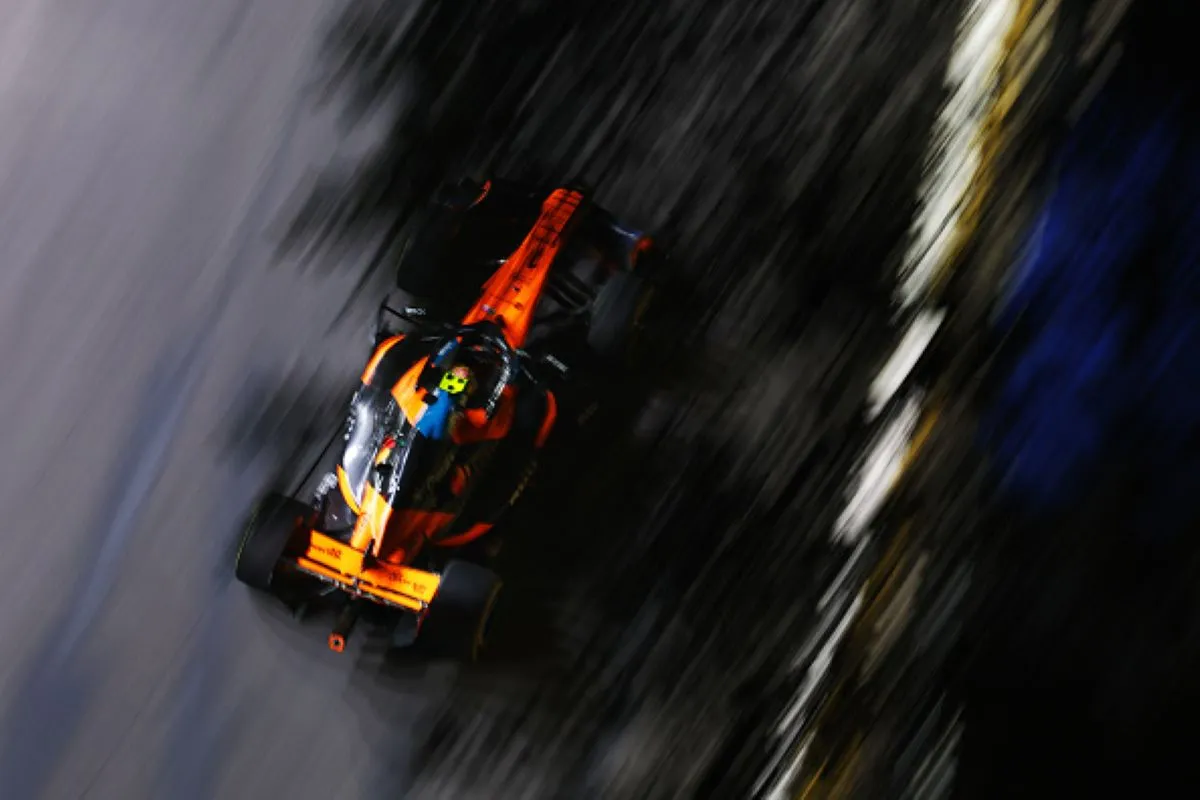
The latest Racing Bulls project is Arvid Lindblad, the only rookie on the 2026 Formula 1 grid. Through his opening nine rounds, the 18-year-old has scored 20 points, achieved five top-10 finishes and avoided a retirement.
Lindblad races alongside Liam Lawson, another graduate of the Red Bull development structure. Lawson sits 10th in the drivers’ standings with 39 points, while their combined total has placed Racing Bulls sixth in the constructors’ championship on 59 points.
Team principal Alan Permane believes the development process is considerably more complicated than simply placing a talented driver in a Formula 1 car. Moving from Formula 3 or Formula 2 into F1 represents a much larger technical and mental step than the previous stages of a driver’s career.
“It is very complex. One of the keys is supporting them. They will make mistakes and they will get things wrong,” Permane said.
Formula 1 requires a driver to understand the car, procedures, strategy, tyre management, engineering communication and competitive pressure at the same time. Racing Bulls therefore accepts that young drivers will not immediately produce perfect weekends when they first enter the championship.
Permane stressed that the team must help its drivers when circumstances become difficult rather than damage their confidence because of one mistake. That approach gives young talent the opportunity to analyse failures, identify the cause and avoid repeating the same problem.
“When things are tough, which they always will be, it is about helping and supporting them, not killing them. We accept that there will be difficulties and that they may not get everything perfect at the beginning,” he said.
A second important factor is the lower level of pressure compared with leading teams. At a top-four constructor, drivers are generally expected to reach Q3 and score points every weekend. A Q1 elimination can immediately be viewed as a major failure.
Racing Bulls maintains competitive standards, but its expectations provide more room for development. When a driver is eliminated in Q1, the team examines what happened without making the driver the sole target of criticism.
“We will look at what happened, why it happened and try to make sure that next time the team or the driver does a better job. We are not going to destroy them for what they did wrong,” Permane said.
That approach does not mean Racing Bulls ignores results. Performance remains the central measure when deciding whether a driver deserves to progress to the next level. However, evaluation also considers the ability to learn and improve consistently rather than focusing only on a single session or race.
The model explains why Racing Bulls remains one of Formula 1’s most productive development routes. Young drivers receive experience of the championship’s demands without being immediately expected to fight for victories or titles at the beginning of their careers.
Lindblad’s performance through the opening nine rounds suggests the method is producing results again. His finishing consistency, points record and absence of retirements provide a strong foundation for further progress during his rookie campaign.
Alongside Lawson, Lindblad has also helped Racing Bulls build competitive momentum in the midfield. Sixth place in the constructors’ standings shows that driver development and sporting performance can operate together when the team balances expectations with learning.
Racing Bulls must now sustain the development of both drivers through the remainder of the season. Every step made by Lindblad will strengthen the team’s position as Red Bull’s main pathway, while Lawson’s results demonstrate that graduates can deliver directly after progressing beyond their initial adaptation phase.
Read Also
Max Verstappen amankan pole sprint di Marina Bay, siap hadapi persaingan ketat dari Mercedes dan Ferrari dalam balapan singkat GP Singapura.
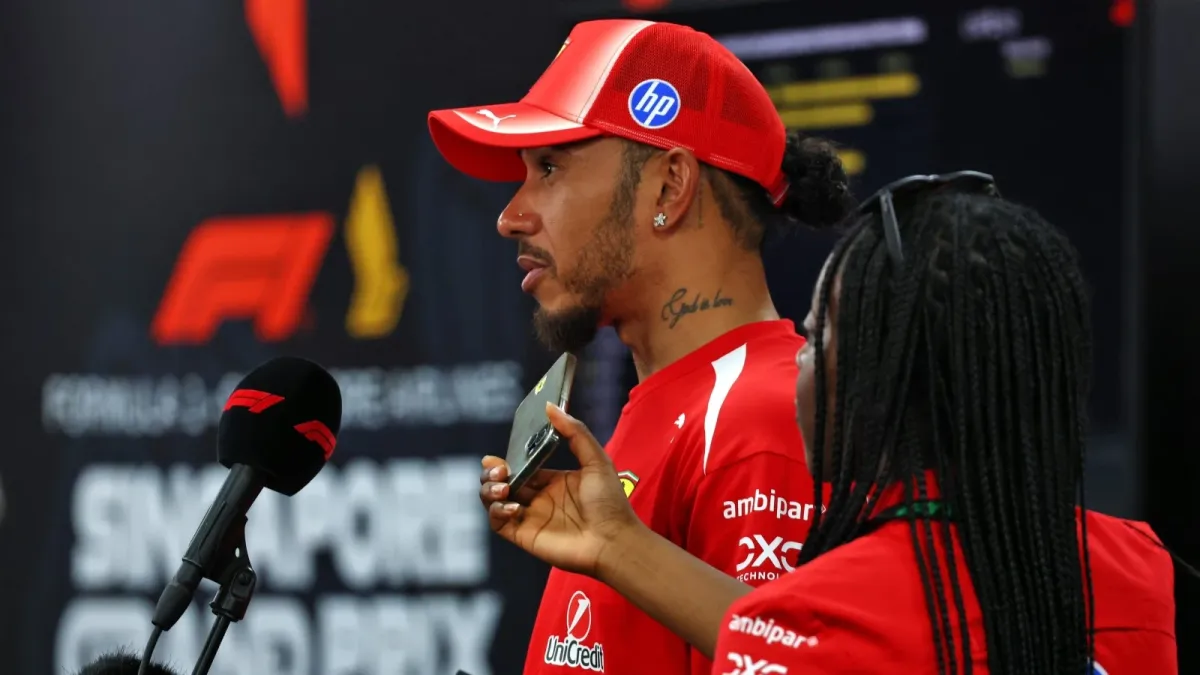
Lewis Hamilton akui blunder strategi di kualifikasi Sprint GP Singapura setelah gagal menjinakkan ban lunak dan harus puas start dari posisi keenam.
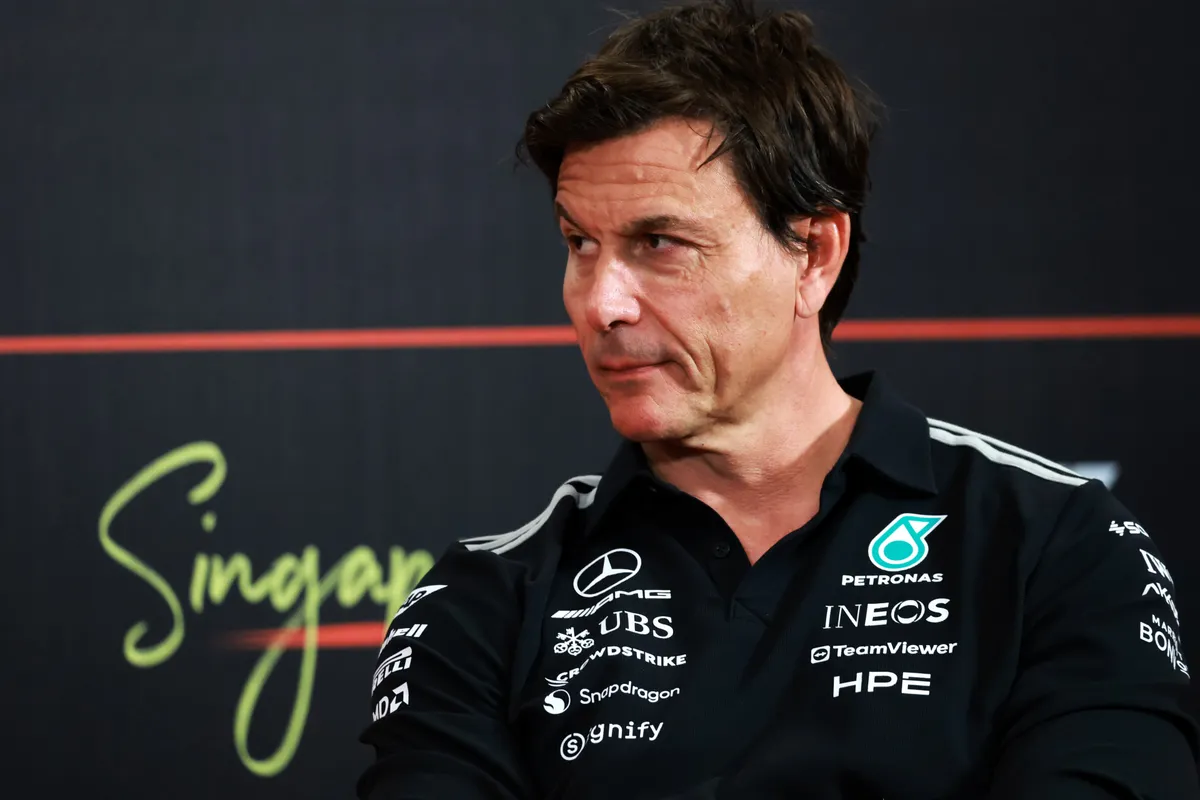
Toto Wolff sebut kritikus favoritisme Mercedes bodoh dan sarankan tonton Teletubbies di tengah isu perlakuan beda pada George Russell.
 Continue with Google
Discussion (0)
Join the Discussion!
Sign in easily to start commenting, replying, and interacting with other readers.
Latest Comments
No comments yet. Be the first!