







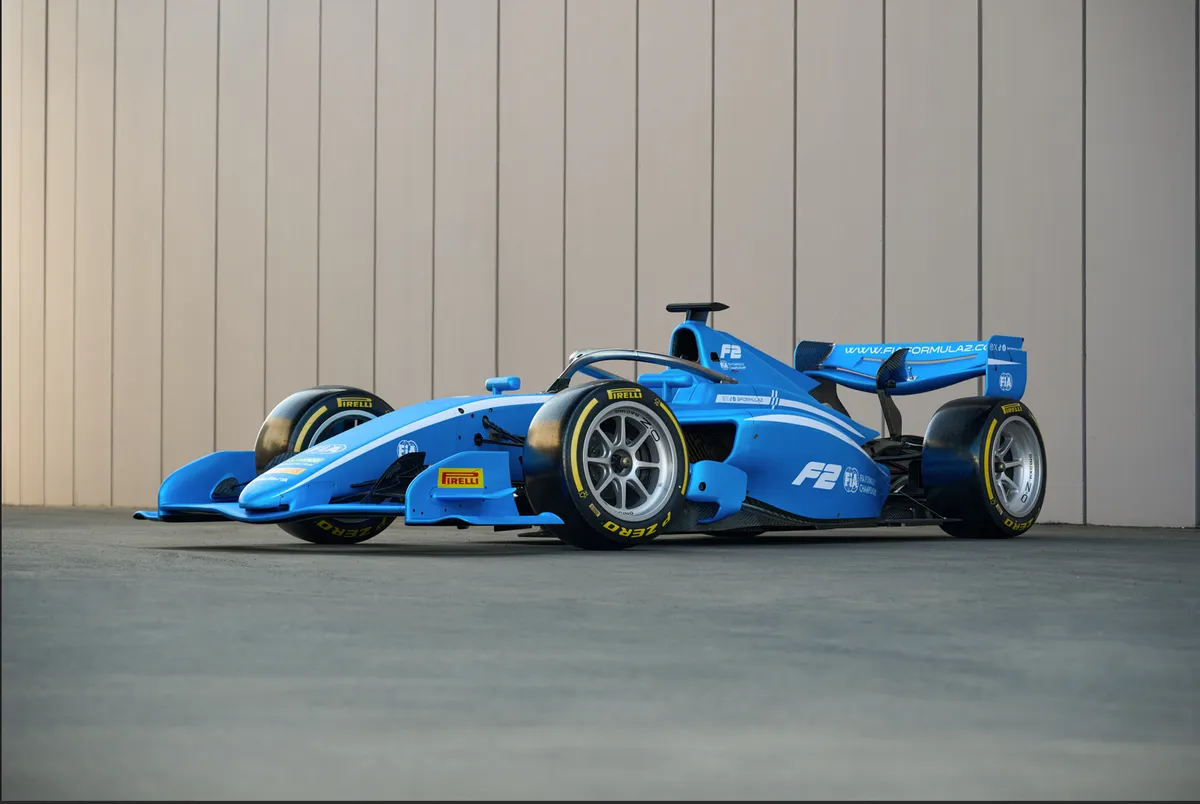

Formula 2 has officially unveiled its next-generation car for the 2027 season in the Formula 1 paddock at Monza during the Italian Grand Prix. The new machine builds on the current Dallara chassis used since 2024, with significant revisions to the front and rear wings aimed at enhancing close racing.
The decision to retain the existing chassis was made to help control costs for teams, while the aerodynamic changes bring the car's appearance closer to the design philosophy of the 2026 F1 machinery.
Aerodynamics and Cost Control at the Forefront
Bruno Michel, CEO of Formula 2, emphasized that the primary goal of the new car is to prepare drivers for F1. By keeping the current chassis, teams can manage expenses while delivering a more modern and competitive machine.
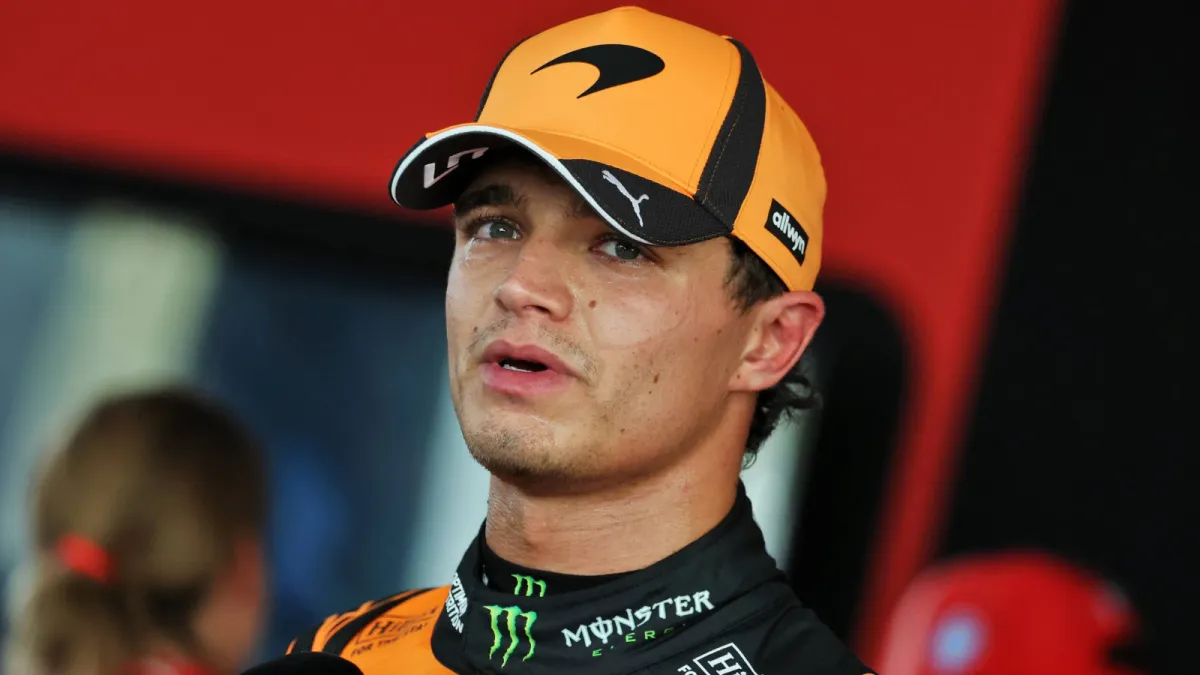
“When working on this new car, our first goal was to ensure it remains the perfect tool to prepare drivers for F1,” said Michel. “Together with the FIA, we have opted for the current chassis and focused on redesigning the front and the rear wings.”
“This enables us to keep the costs managed, while bringing the design closer to the look of an F1 car and enhancing the F2 car’s ability to deliver close racing,” he added.
Technical Updates and New Features
The 3.4-litre turbocharged V6 Mecachrome engine remains, producing 620 horsepower, along with the 18-inch Pirelli tyres currently in use. Aramco will continue to supply the advanced sustainable fuel introduced in 2025.
One of the most significant changes is the addition of an on-board starter, allowing drivers to restart their car themselves after spinning or stalling, rather than being left stranded. Hewland has updated the existing six-speed sequential gearbox to integrate the new starter system.
“We have added an on-board starter that will simplify the operational side for the teams and will allow the drivers to restart their car after spinning or stalling on track,” Michel explained. “We’ve also been continuing our work with our partners Aramco and Pirelli on driver preparation, sustainability, and providing the fans with a great show.”
Braking performance, steering effort, and cockpit ergonomics remain to the FIA standards introduced in 2024, while the existing Marelli electronics and hydraulics package stays in use. The car meets the latest FIA safety standards, including the F1-specification titanium Halo and a survival cell featuring Dallara’s carbon and aluminium honeycomb structure with Zylon anti-intrusion panels.
FIA President Mohammed Ben Sulayem welcomed the launch as a crucial step in the pathway to F1. With a balance of cost control and cutting-edge technology, F2 reinforces its position as the final stepping stone before the pinnacle of motorsport.
Read Also
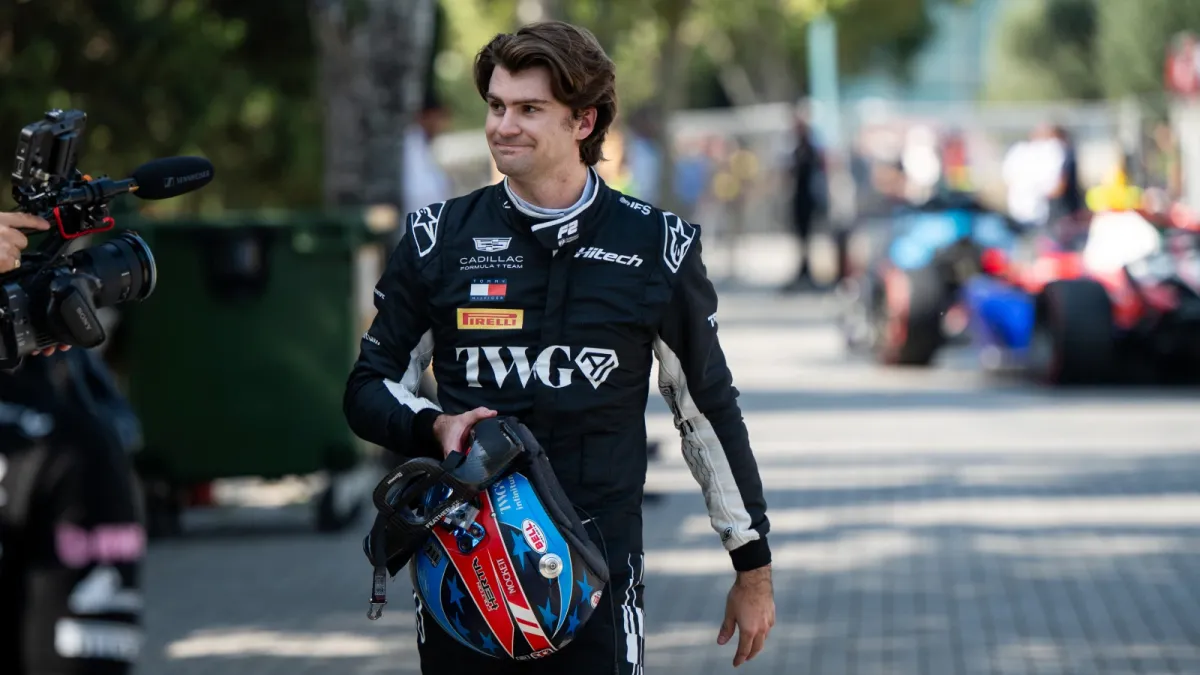
Simak analisis lengkap perjalanan Colton Herta di F2 dan peluang kembalinya ke Indy 500 tahun 2027. Baca berita selengkapnya di Sportrik!
Lando Norris menanti kepastian tim LN4 Fusion masuk grid F2 2027. Simak analisis lengkap, update poin, dan jadwal akhir pekan ini di Sportrik.
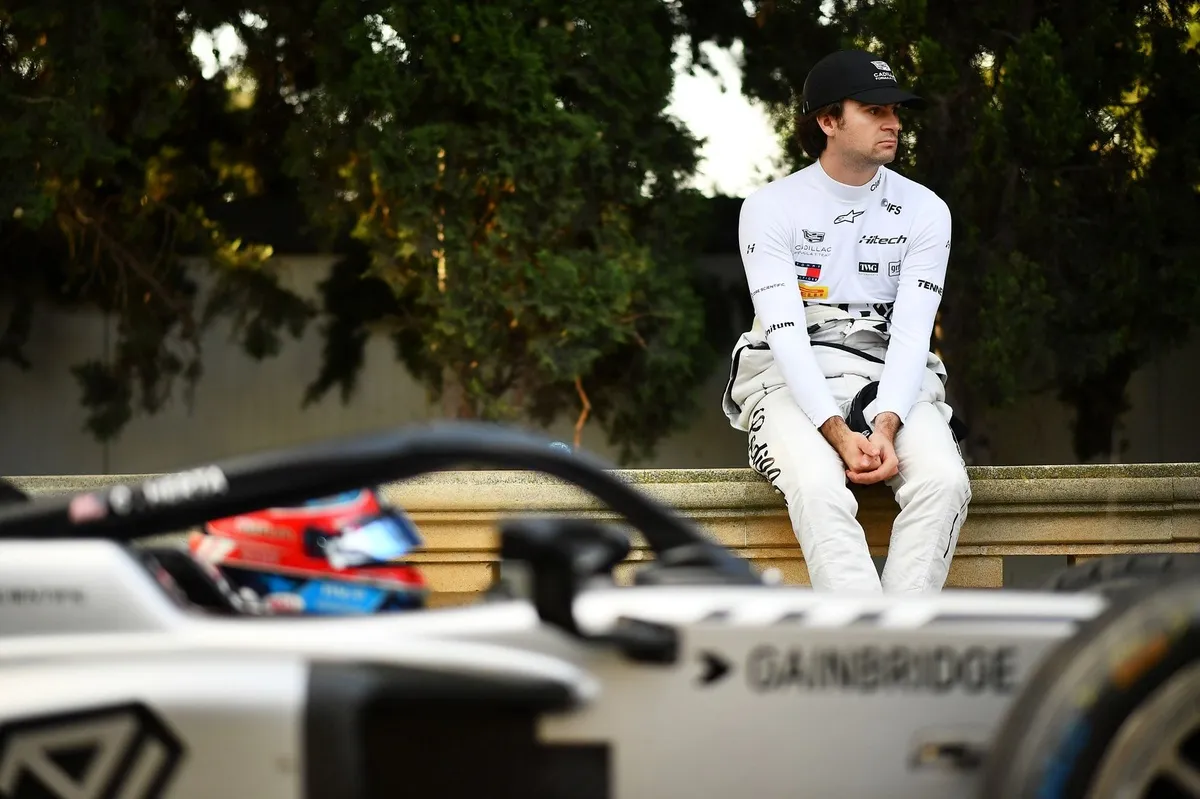
Simak analisis lengkap mengapa Colton Herta kesulitan beradaptasi di F2 2026. Baca ulasan mendalam, posisi klasemen, dan rencana masa depannya di sini.
 Continue with Google
Discussion (0)
Join the Discussion!
Sign in easily to start commenting, replying, and interacting with other readers.
Latest Comments
No comments yet. Be the first!