







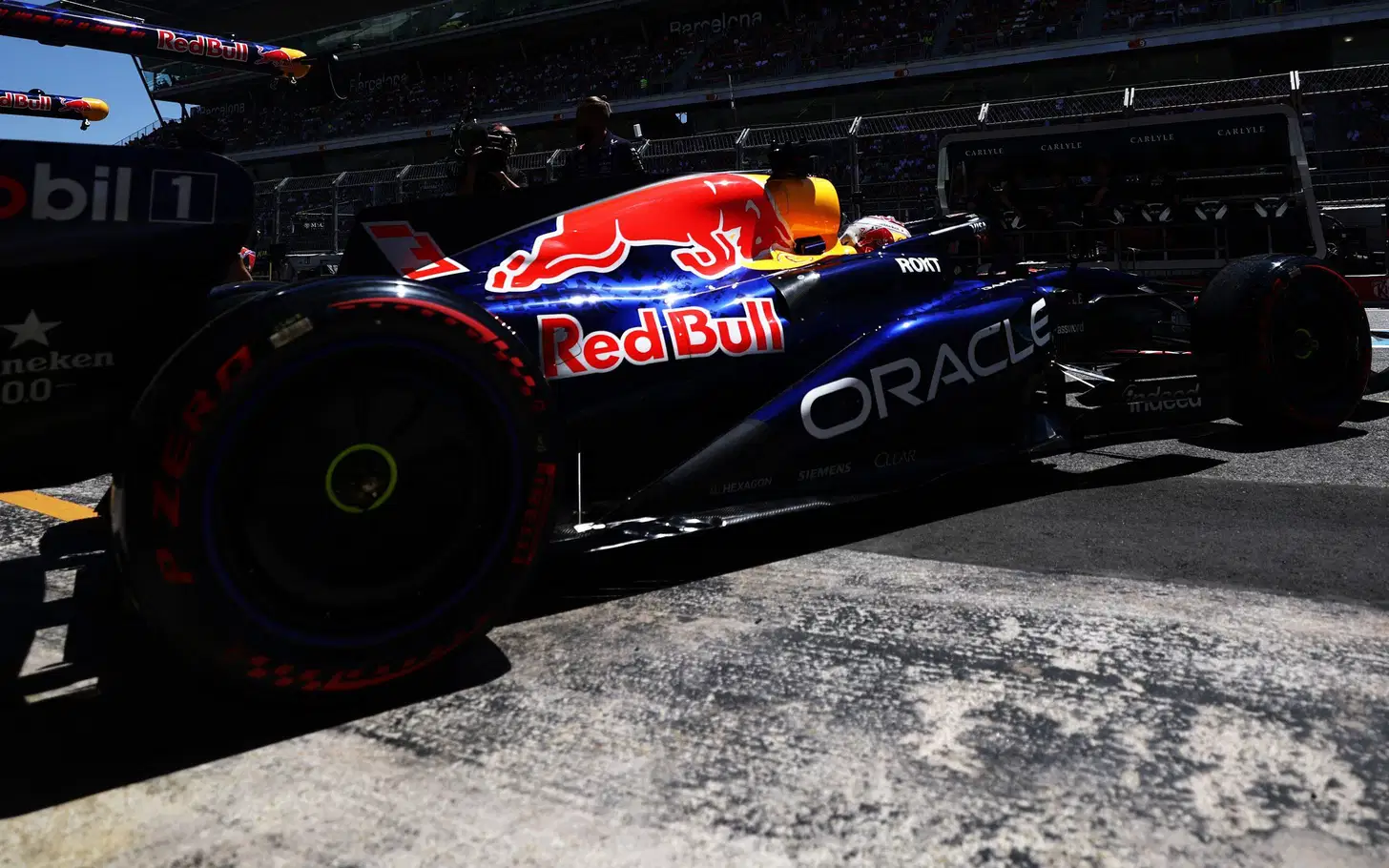

Formula 1, Sportrik Media - Red Bull Racing left Barcelona with further evidence of progress, but fourth place in the 2026 Formula 1 constructors’ standings still demonstrates the scale of its remaining task. After seven rounds, the Milton Keynes team has scored 89 points, leaving it 52 behind third-placed McLaren and a substantial 173 points adrift of championship leader Mercedes.
A record of no victories, one official podium and four retirements reflects an opening phase far below Red Bull’s recent standards. Its current position nevertheless represents a significant recovery from the first three rounds, when the team collected only 16 points and sat sixth in the standings. Power-unit reliability problems and an inconsistent chassis balance prevented the RB22 from producing repeatable performance, even when its underlying speed occasionally appeared competitive.
The trajectory began to change in Miami, where Red Bull introduced a major development package covering almost every aerodynamic area of the car. Revisions to the front wing, floor, floor edges, bodywork and diffuser were intended to create a more stable platform rather than simply increase peak downforce. The package did not immediately deliver a victory, but it made the RB22 easier to operate within a set-up window that had previously been too narrow.
That improvement remained visible in Barcelona. Max Verstappen finished fourth, while Isack Hadjar completed a double-points result in sixth. Red Bull did not possess the pace required to challenge Lewis Hamilton or the two Mercedes cars directly, but both drivers remaining inside the leading group indicated that the latest specification had reduced some of the weaknesses evident earlier in the season.
“Hopefully we keep on improving the car with the through-corner balance, and then hopefully it unlocks, in general, a bit more pace,” Verstappen said after the race.
Mid-corner balance remains one of the RB22’s principal limitations. When the front of the car does not provide a consistent response during corner entry, the driver must either reduce entry speed or accept a greater risk of oversteer as the load transfers towards the rear. That behaviour also affects tyre temperatures because steering corrections and sliding increase surface heat, accelerate degradation and restrict the ability to attack across a long stint.
Verstappen acknowledged that the car’s deficit forces him to operate beyond the normal limit to maintain a competitive position. Such an approach can produce a strong individual lap, but it is difficult to sustain throughout a race without increasing the possibility of an error. While Mercedes and Ferrari possess more stable platforms, Verstappen is required to use smaller margins under braking and during corner entry merely to compensate for the RB22’s performance shortfall.
“I’m paid for it, but if you’re always forced to drive at 101 percent, it’s obvious that one day things will go wrong,” Verstappen said.
Car weight also remains a technical concern. The RB22 is believed to be approximately six to seven kilograms above the minimum limit, potentially costing around two tenths of a second per lap depending on circuit characteristics. Red Bull completed a significant weight reduction with its Miami package and is expected to prepare another step for the Austrian Grand Prix, although each change must be achieved without compromising structural strength, cooling or component reliability.
A reduction in weight would provide a direct benefit across almost every performance area. A lighter car requires less energy during acceleration, applies lower loads to the tyres during direction changes and can reduce braking distances. Red Bull’s difficulties, however, are not caused by weight alone. The team must also improve downforce consistency, mechanical balance distribution and power delivery to allow both drivers to exploit the car without depending on extreme set-up choices.
Team principal Laurent Mekies has insisted that Red Bull has not identified any 2026 problem it believes cannot be corrected. He also described a development rate operating at three or four times the intensity of a conventional season. That aggressive approach is required because the new regulations have left every team studying the interaction between the power unit, energy management, active aerodynamics and tyre behaviour.
Red Bull’s opportunity to overtake McLaren remains realistic with 17 rounds still to run. A 52-point difference can be recovered through several strong weekends, particularly if Verstappen and Hadjar continue producing double-points finishes. McLaren has also not demonstrated the same level of control as Mercedes, meaning one retirement or two poor races could alter the battle for third relatively quickly.
Closing the gap to Mercedes or Ferrari presents a significantly greater challenge. Red Bull requires not only more speed, but also the reliability needed to bring both cars to the finish consistently. Four retirements have intensified its deficit, while Mercedes has converted its performance advantage into victories and podium finishes on almost every weekend. Without a complete solution to the RB22’s balance and durability limitations, isolated improvements will not be sufficient to transform the contest at the front.
The Austrian Grand Prix will provide the next test of Red Bull’s development direction. The team’s home event will show whether the expected weight reduction and further updates can improve the RB22 through slow corners, heavy braking zones and long straights. Red Bull has moved beyond the scale of its early-season crisis, but breaking into the constructors’ top three will depend on how quickly that technical progress can be converted into podiums and victories.
Read Also
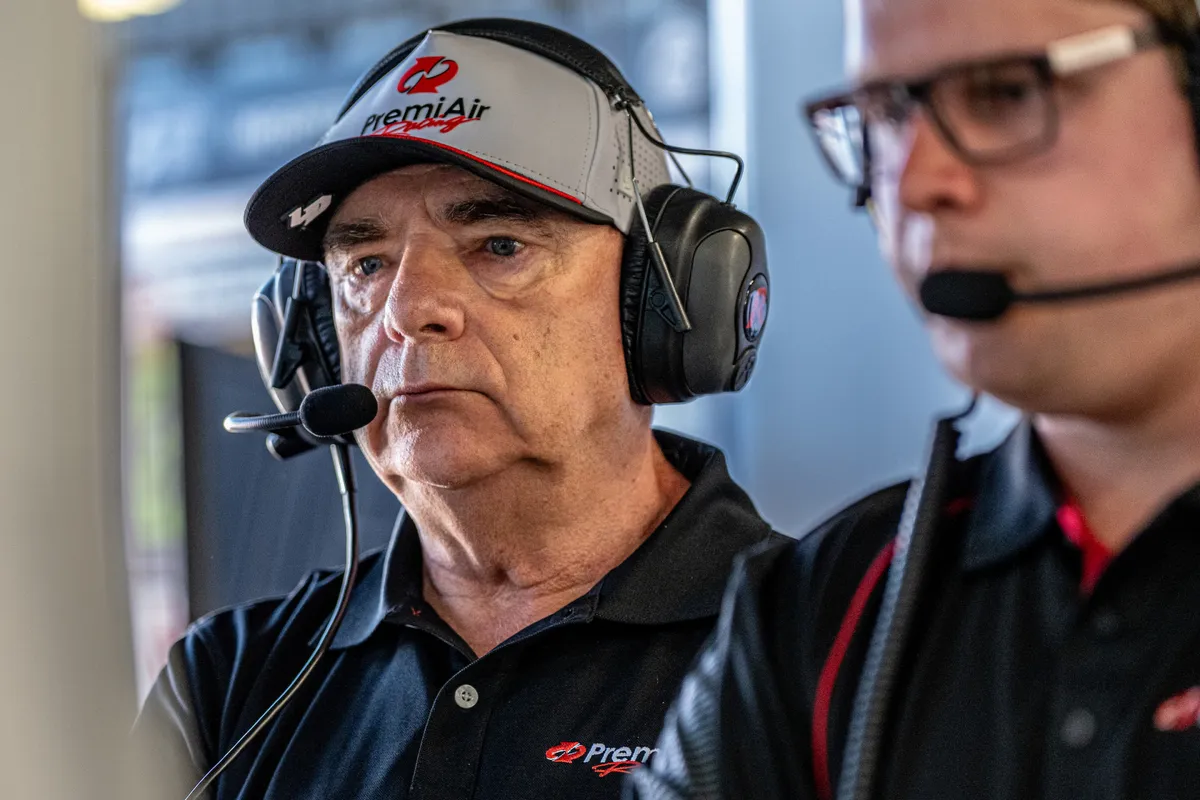
Roland Dane joins GT New Zealand Championship as driving standards observer for the 2026/27 season, bringing over 50 years of motorsport experience.
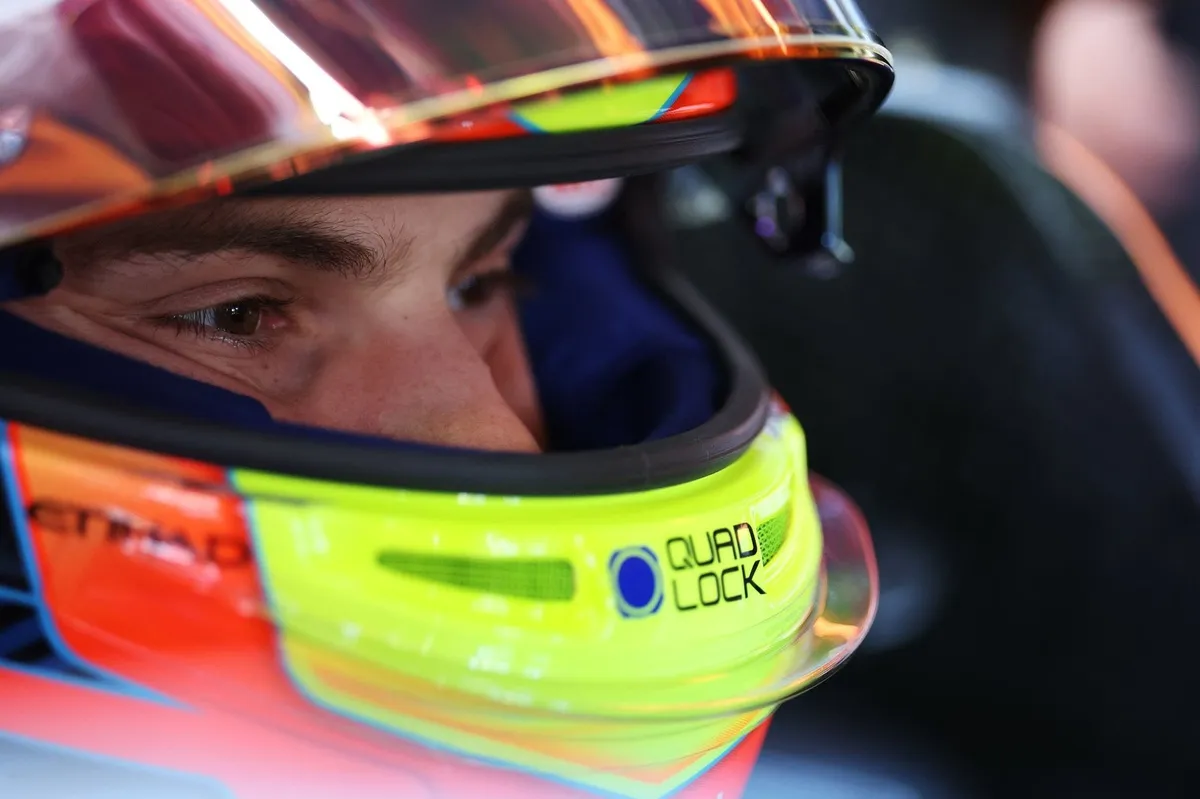
Andrea Stella reveals McLaren's plan to help Oscar Piastri overcome adaptation struggles with the 2026 F1 car. Read the full analysis here.
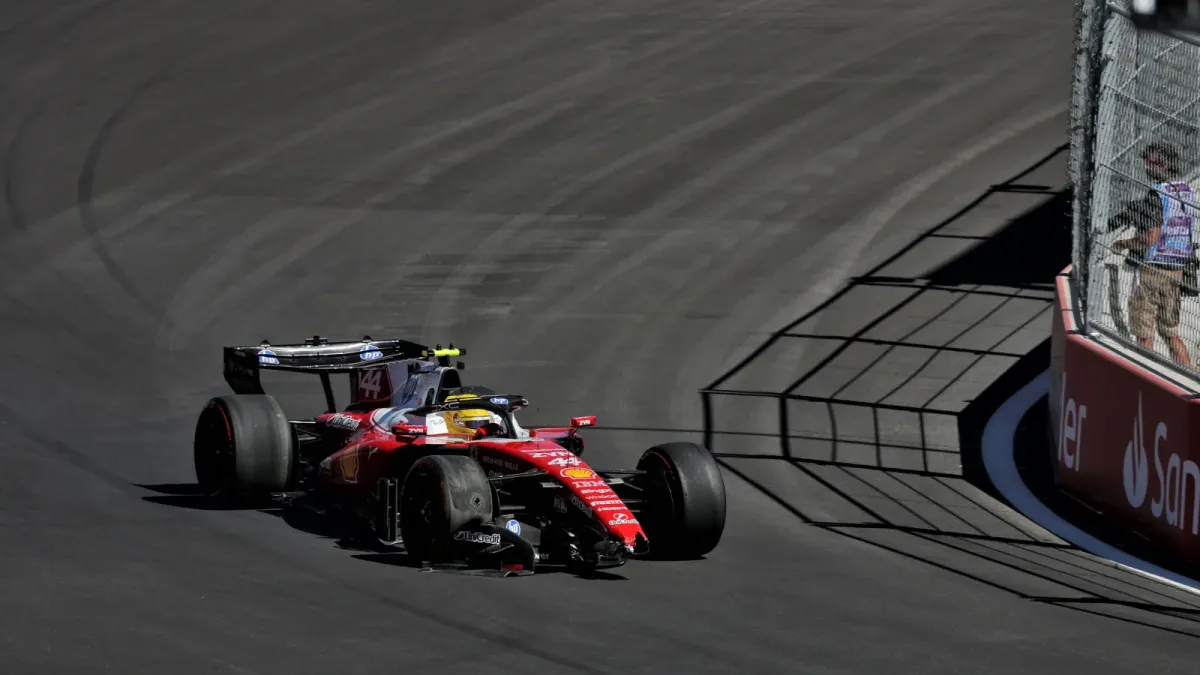
Fred Vasseur reportedly intervened on team radio to stop Lewis Hamilton after his FP3 crash at the Spanish GP, as Hamilton ignored engineer's pleas.
 Continue with Google
Discussion (0)
Join the Discussion!
Sign in easily to start commenting, replying, and interacting with other readers.
Latest Comments
No comments yet. Be the first!