






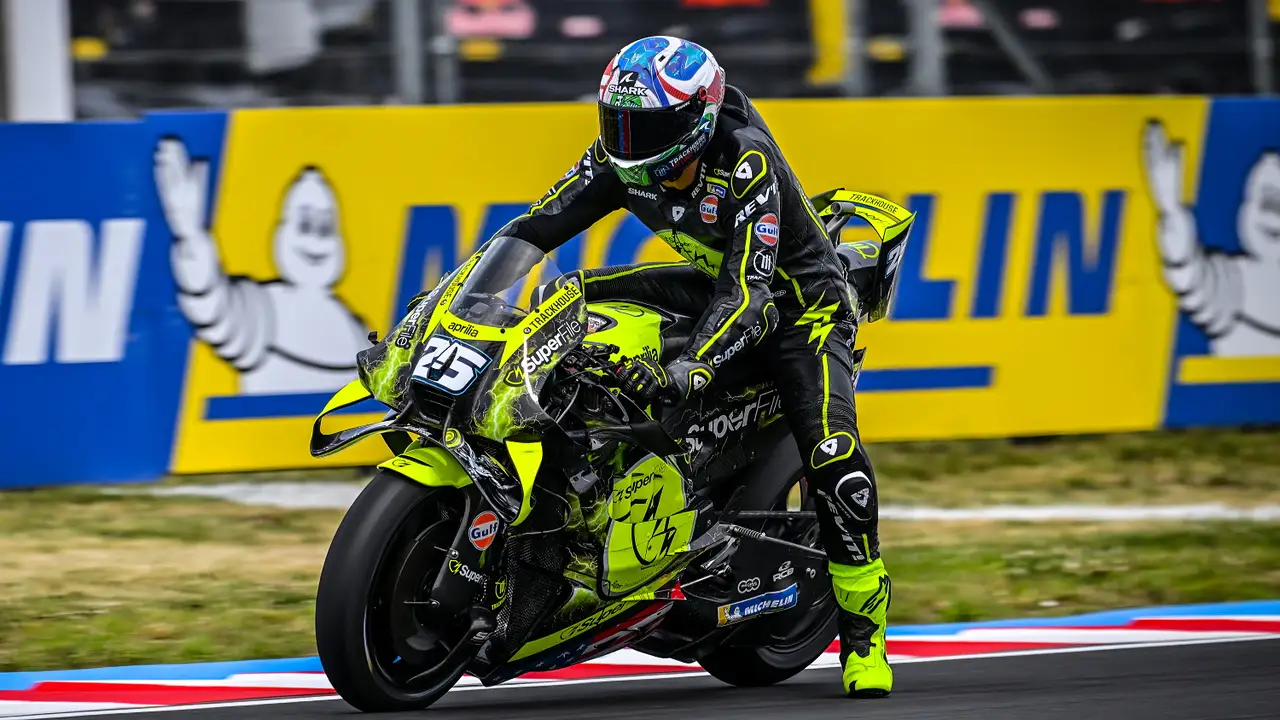

Factory-backed Trackhouse Racing rider Raul Fernandez has delivered a comprehensive technical evaluation regarding the tactical limits that forced him to abandon his medium tire strategy during the 2026 Hungarian Grand Prix Sprint Race. The Spaniard crossed the timing beam in fourth position at the Balaton Park Circuit after being forced to follow the grid consensus by mounting the soft compound rear tire. This operational compromise marks a significant talking point, considering Fernandez successfully commanded the Mugello Sprint one week prior utilizing a highly distinct medium rear tire allocation.
The architectural characteristics of the latest Hungarian venue proved structurally incapable of allowing the Aprilia RS-GP platform to replicate its Italian mechanical advantage. According to localized telemetry streams, the Aprilia chassis requires an excessive duration to complete its tire warm-up cycle when running the medium specification over a half-distance tracking sequence. This critical deficit is directly linked to Balaton Park's configuration, which features a heavy bias toward left-hand corners, whereas the available medium compound utilizes an asymmetrical carcass design.
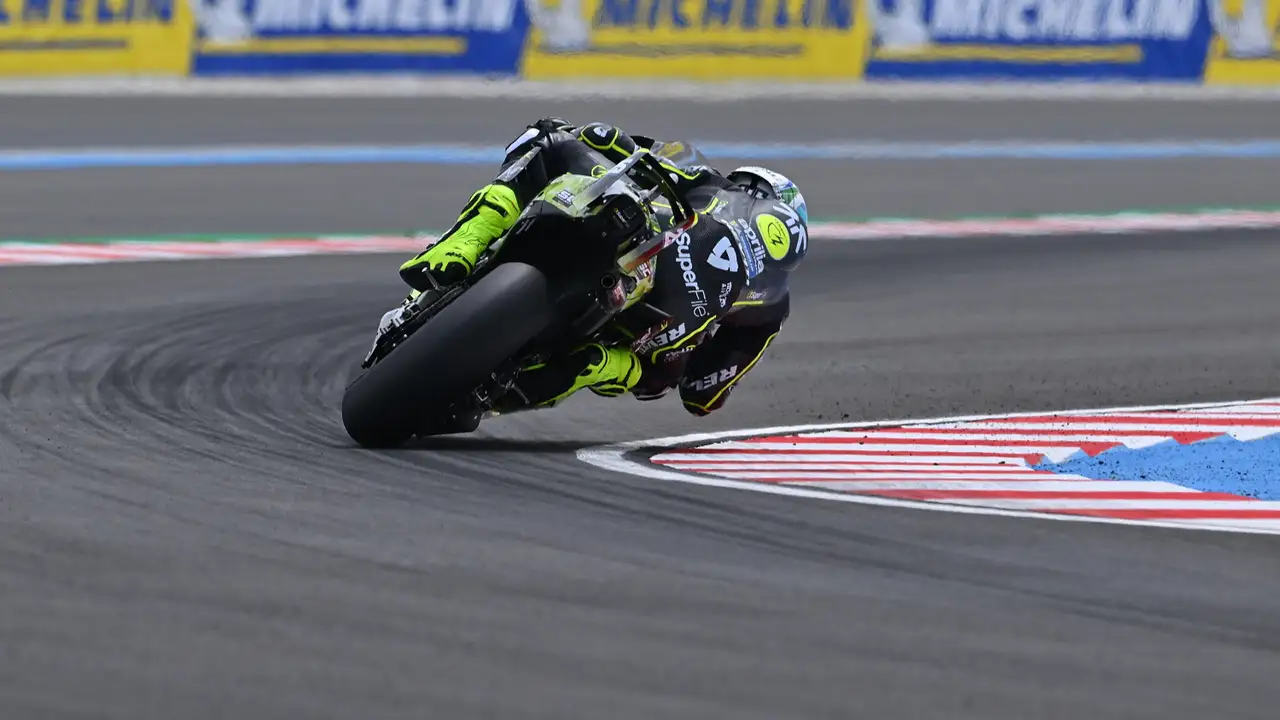
"The problem is that we spend too many laps to warm up the left side. So, for that reason I was not thinking to use it on the Sprint," Fernandez explained, dissecting his package's core thermal limitations. This heat generation deficit effectively deprives the Aprilia sasis of pure mechanical traction during the high-intensity opening laps, introducing a severe tactical penalty in a short-format shootout that strictly rewards instantaneous launch velocity from the grid.
Beyond rear tire compound initialization constraints, Fernandez's tracking momentum over the 13-lap distance was heavily restricted by front-end hardware temperature anomalies. His aggressive tracking attempts to execute a clean overtaking maneuver on the factory machine of Marco Bezzecchi were continuously neutralized due to acute overheating issues across the front tire compound. When front-end core temperatures breach established safe operating windows, hydraulic braking efficiency degrades, preventing the rider from stopping the bike precisely and forcing a consolidation of points for the world championship standings.
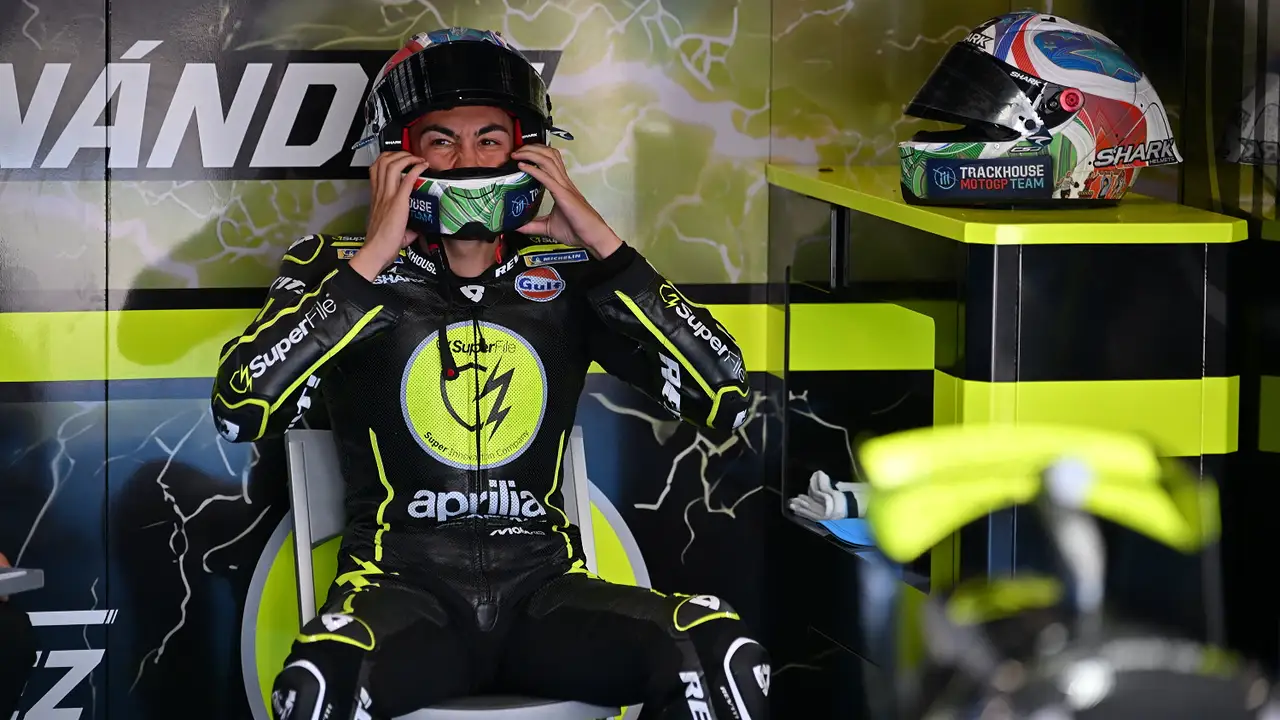
Approaching Sunday's full-distance Grand Prix, the Trackhouse Racing engineering department is required to immediately restructure electronic torque demand maps to minimize asymmetric tire load. Because rear tire degradation metrics appear exceptionally low around the Hungarian layout, the main race is projected to function as a slow-burner, with tracking aggression escalating sharply during the final stint. Fernandez verified that his technical crew must optimize chassis rotation through three specific corner profiles to ensure the RS-GP can operate at peak capacity once fuel loads decrease.
Read Also
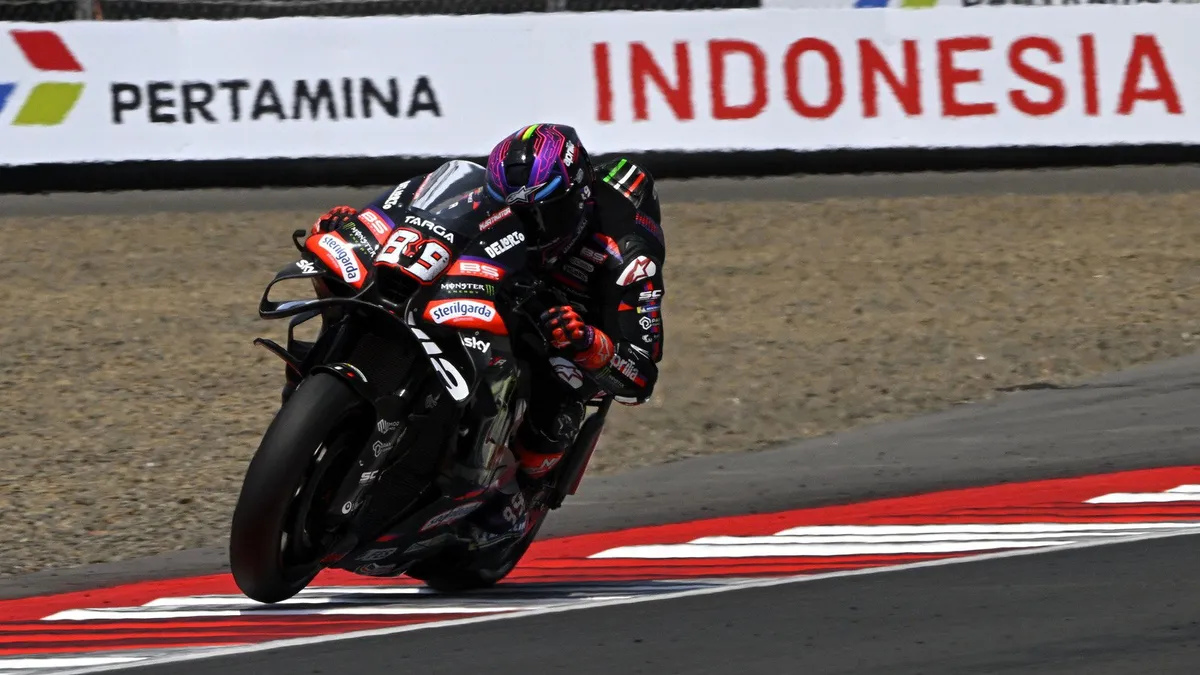
Simak analisis lengkap mengapa Jorge Martin gagal mengimbangi kecepatan Aprilia di Mandalika dan detail masalah ban yang dialaminya. Baca selengkapnya di sini!
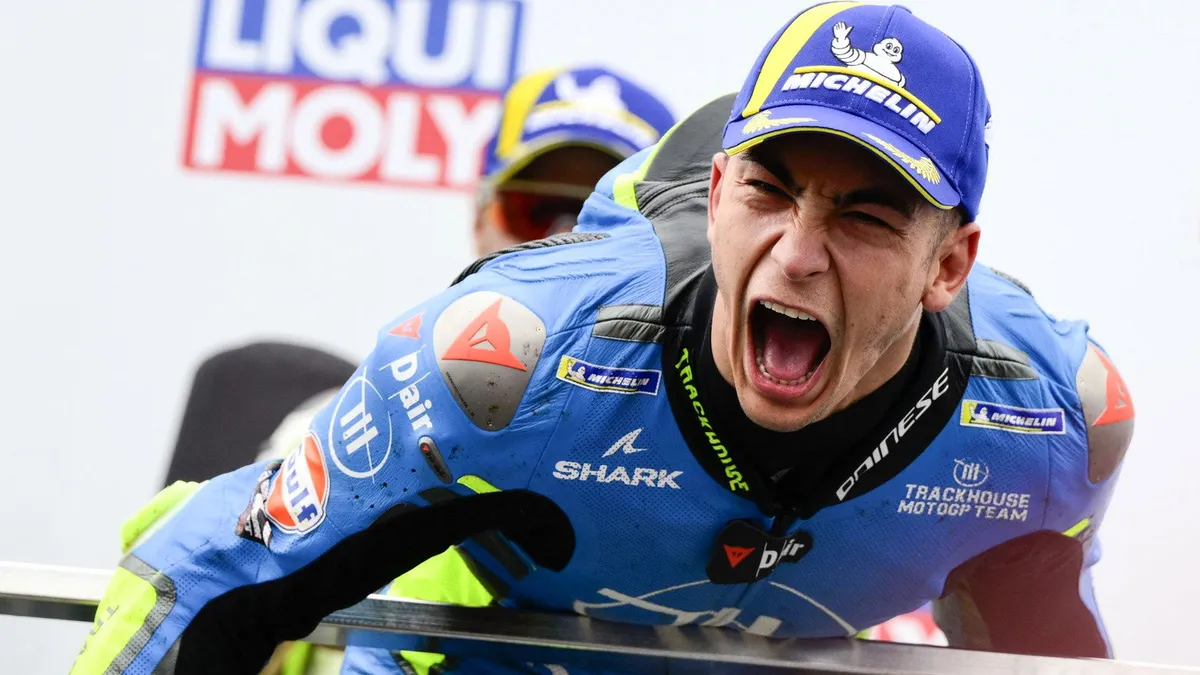
Simak analisis lengkap jelang MotoGP Australia 2026 di Phillip Island dan emosi Raul Fernandez. Baca berita selengkapnya di sini!
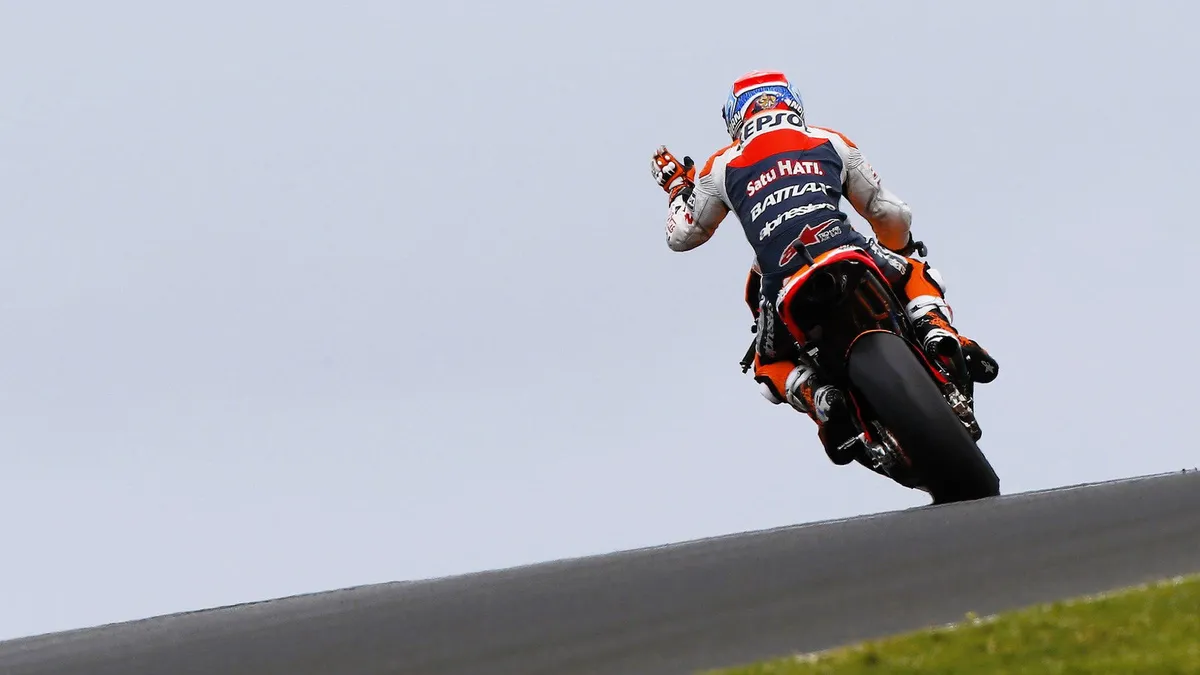
Simak analisis mendalam mengapa Casey Stoner sebut Phillip Island sangat brutal. Baca selengkapnya berita terbaru MotoGP di sini sekarang.
 Continue with Google
Discussion (0)
Join the Discussion!
Sign in easily to start commenting, replying, and interacting with other readers.
Latest Comments
No comments yet. Be the first!