






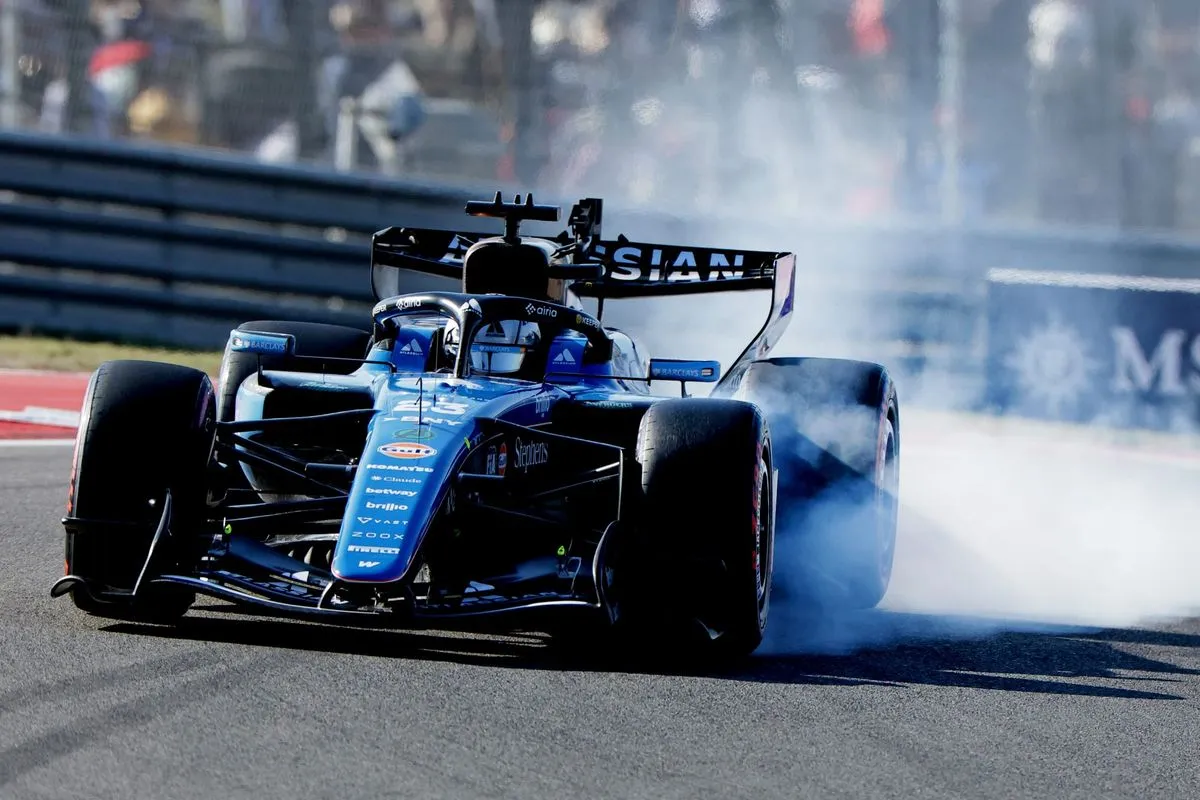

Friday practice at the United States Grand Prix proved to be a peculiar affair for Williams as the team concluded the session with its fastest Formula 1 car slower than Cadillac and lagging significantly off the pace at Circuit of the Americas.
Alex Albon finished dead last in FP2 following a lap-time deletion for track limits, while teammate Carlos Sainz also languished behind the midfield pack. However, this alarming pace deficit was partly orchestrated as the squad sacrificed regular weekend performance in favor of vital 2027 aerodynamic development data.
Williams chief trackside engineer Paul Williams revealed that the outfit consciously balanced immediate weekend performance against long-term learning, utilizing COTA's demanding layout because the venue serves as an exceptional proving ground for aero data collection.
Expounding on the tactical trial, Sainz stated, "We decided to invest FP1 on a track that we knew we were going to be weak [on] to understand how to basically map the car in order to learn from this year's car as much as possible for next year's car." The Spaniard emphasized the team's determination to diagnose inherent weaknesses and translate those findings into wind tunnel improvements for the following season.
While FP2 shifted toward a more conventional run plan centered heavily on high-fuel race simulations, underlying handling gremlins quickly surfaced. Sainz radioed complaints about a chaotic balance with zero rear confidence, closely mirrored by Albon experiencing severe instability under heavy braking zones across the bumpy Texas asphalt.
Read Also
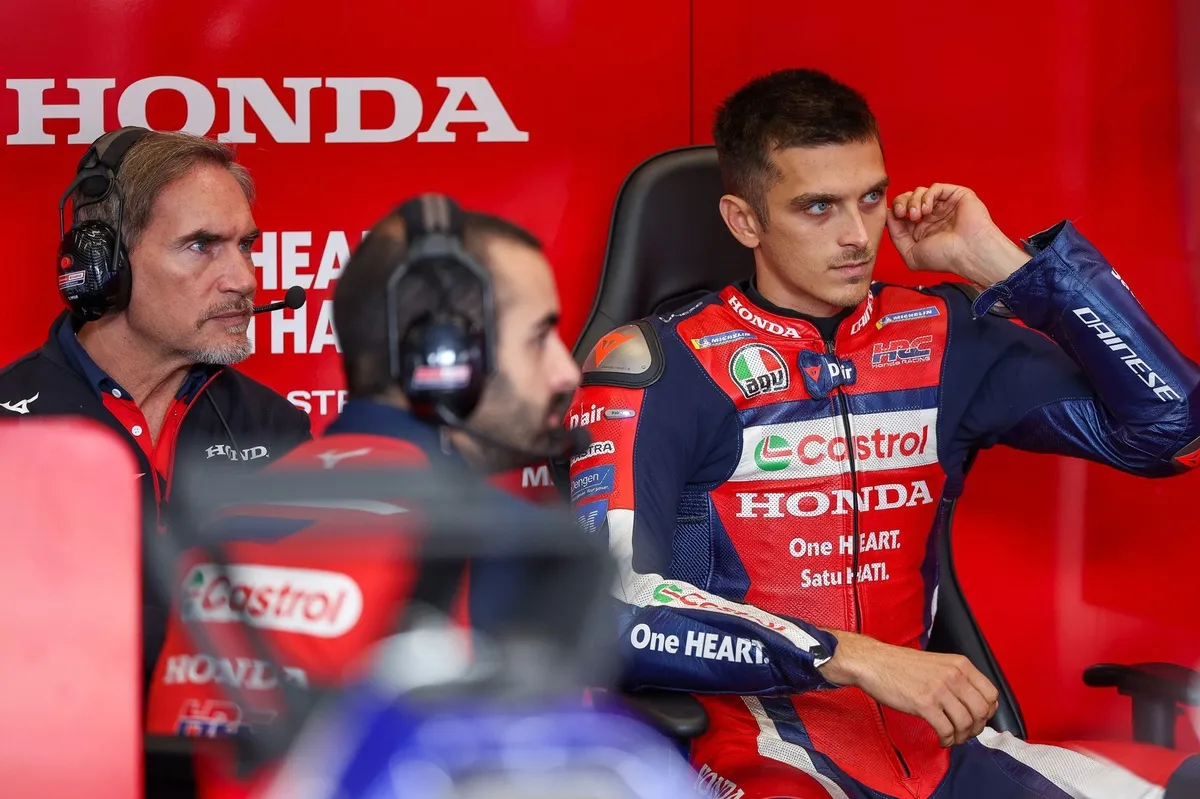
Luca Marini resmi absen di MotoGP Australia 2026 akibat infeksi virus. Simak kronologi lengkap dan kondisi terkini sang pembalap di sini.
Alisha Palmowski perkokoh peluang juara F1 Academy 2026 usai menangi Race 1 di Texas. Simak analisis jalannya balapan selengkapnya di sini.
Simak analisis lengkap performa Leclerc bersama Ferrari di Austin 2026 serta persaingan ketat melawan Verstappen dan Antonelli. Baca selengkapnya di sini!
 Continue with Google
Discussion (0)
Join the Discussion!
Sign in easily to start commenting, replying, and interacting with other readers.
Latest Comments
No comments yet. Be the first!