







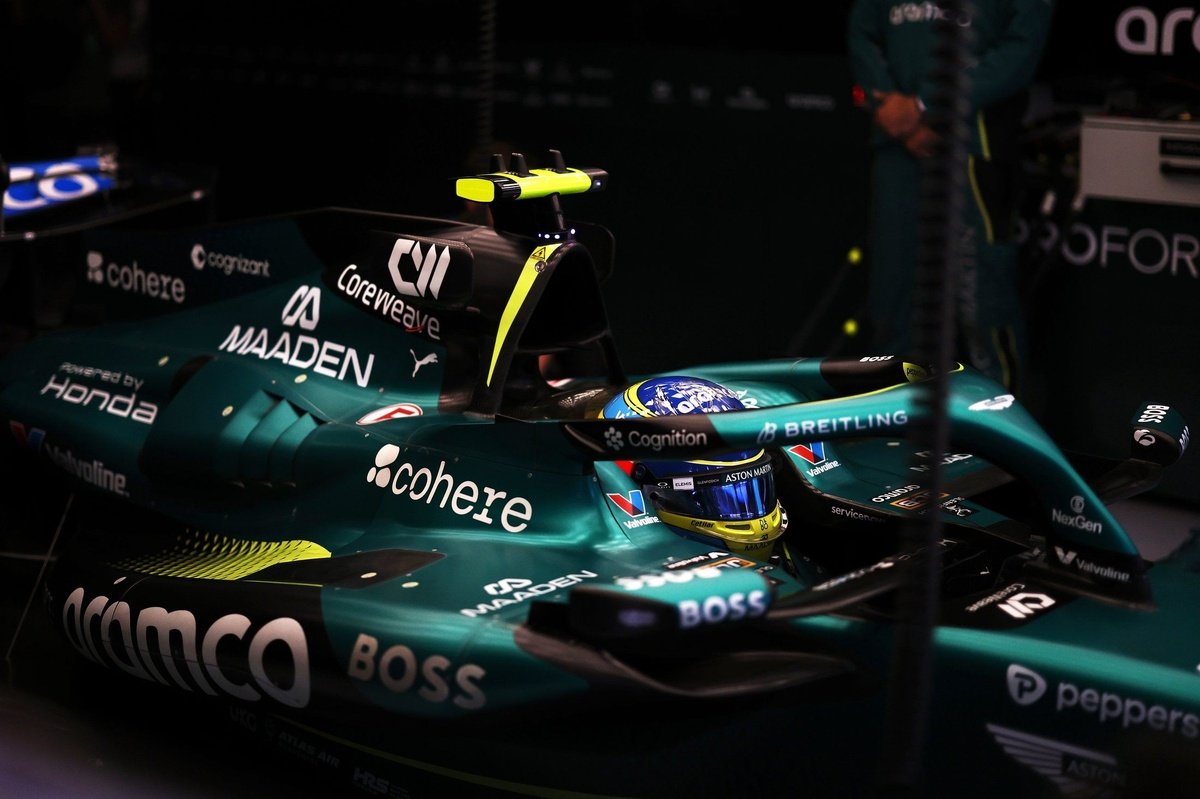

Shintaro Orihara, Honda's trackside manager and chief engineer, has revealed that the Japanese manufacturer only fully understood the extent of its problems in January, when a shakedown in Barcelona showed uncompetitive performance and reliability for the 2026 season.
Expectations were high at Aston Martin heading into Formula 1's major technical overhaul. A state-of-the-art factory in Silverstone, legendary designer Adrian Newey, and a works partnership with Honda seemed to be the perfect recipe. However, the start of the new era has proven far more challenging than anticipated. Mike Krack recently admitted that Aston Martin had barely been racing before the summer break, with a deficit of around one second to newcomer Cadillac.
That changed when the AMR26 received its first major upgrade package in Hungary, but the chassis is only part of the story. Honda has also faced numerous problems since officially returning to F1, from vibrations that troubled drivers in the opening weeks to a significant performance deficit. Orihara explained that at the end of last year, their position was not bad, but in January they realised performance was inconsistent and reliability issues emerged.
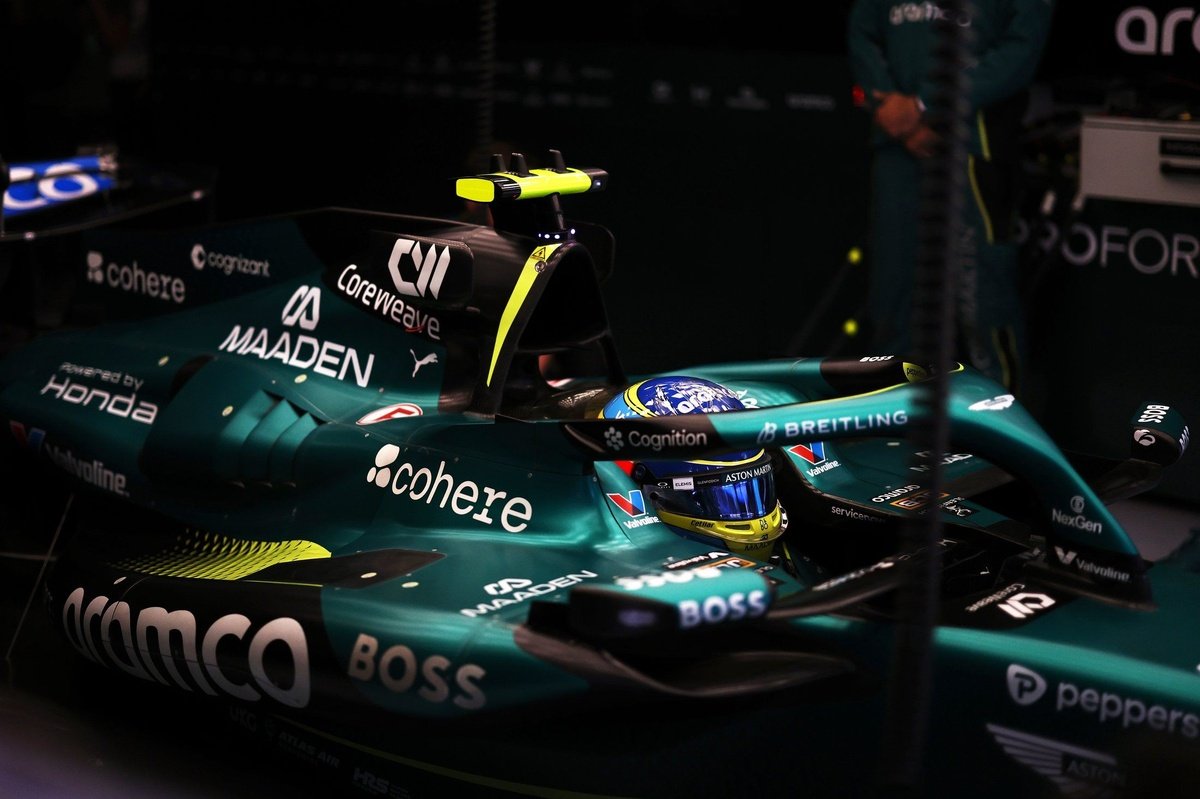
With reliability always a top priority, Honda had to sacrifice some performance gains to ensure dependability, slowing overall development. Orihara admitted, "In January, we realised that our performance and reliability would not be competitive. When we started running in Barcelona, we realised that our performance was definitely poor compared to other manufacturers. We also found some issues on the battery side."
These battery issues complicated development and cost valuable track time during winter testing. Orihara added they did not expect it to be so bad. Part of the explanation lies in the difference between Honda's current F1 project and its successful years with Red Bull, tied to the company's philosophy of transferring F1 knowledge to other areas. Additionally, the complexity of the new regulations is a major factor.
Orihara stressed that there has not been one single stumbling block, but rather a combination of all changes introduced at the same time. "It's difficult to say which component is most challenging because in this regulation, everything has changed a lot. For example, MGU-K power changed from 120 to 350 kilowatts. That's a significant change. Also on the internal combustion engine side, we changed fuel flow rate. So, a challenging point for Honda is the combination of a lot of changes happening at the same time," he explained.
As a result, Honda is lacking outright power from its internal combustion engine, which the long-awaited Zandvoort upgrade is designed to address. This upgrade is the first step towards reducing the significant performance deficit. On the electrical side, the focus is on efficiency, but changes there have also impacted drivability. Removing the MGU-H has been challenging, especially in maintaining boost pressure.
Although Honda knows it will take time to return to a competitive level, it hopes to make a first step at Zandvoort. The upgrade, focused purely on the internal combustion engine, was already tested during a filming day at the Hungaroring. As reported by Autosport, this admission highlights the scale of the challenge facing Honda and Aston Martin in the new regulatory era.
Read Also
Mercedes memantau ketat jadwal upgrade F1 2026 di tengah ancaman penalti mesin untuk Antonelli dan Russell. Toto Wolff strategis untuk dampak maksimal.
FIA menolak larangan algoritma power unit F1. Tombazis menjelaskan bahwa pelarangan justru memperburuk masalah. Simak analisis lengkapnya.
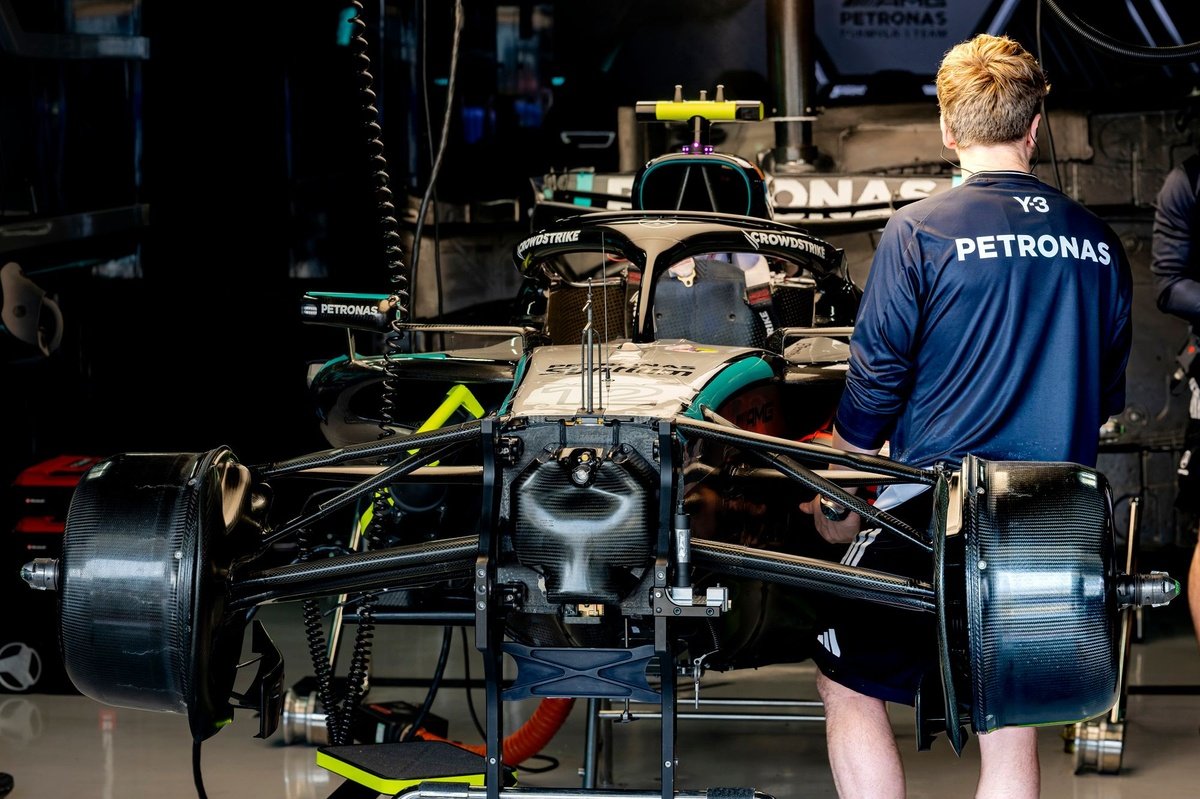
Mercedes pantau ketat jadwal upgrade F1 2026. Toto Wolff sebut tim akan strategis, tapi penalti mesin mengintai Antonelli dan Russell.
 Continue with Google
Discussion (0)
Join the Discussion!
Sign in easily to start commenting, replying, and interacting with other readers.
Latest Comments
No comments yet. Be the first!