







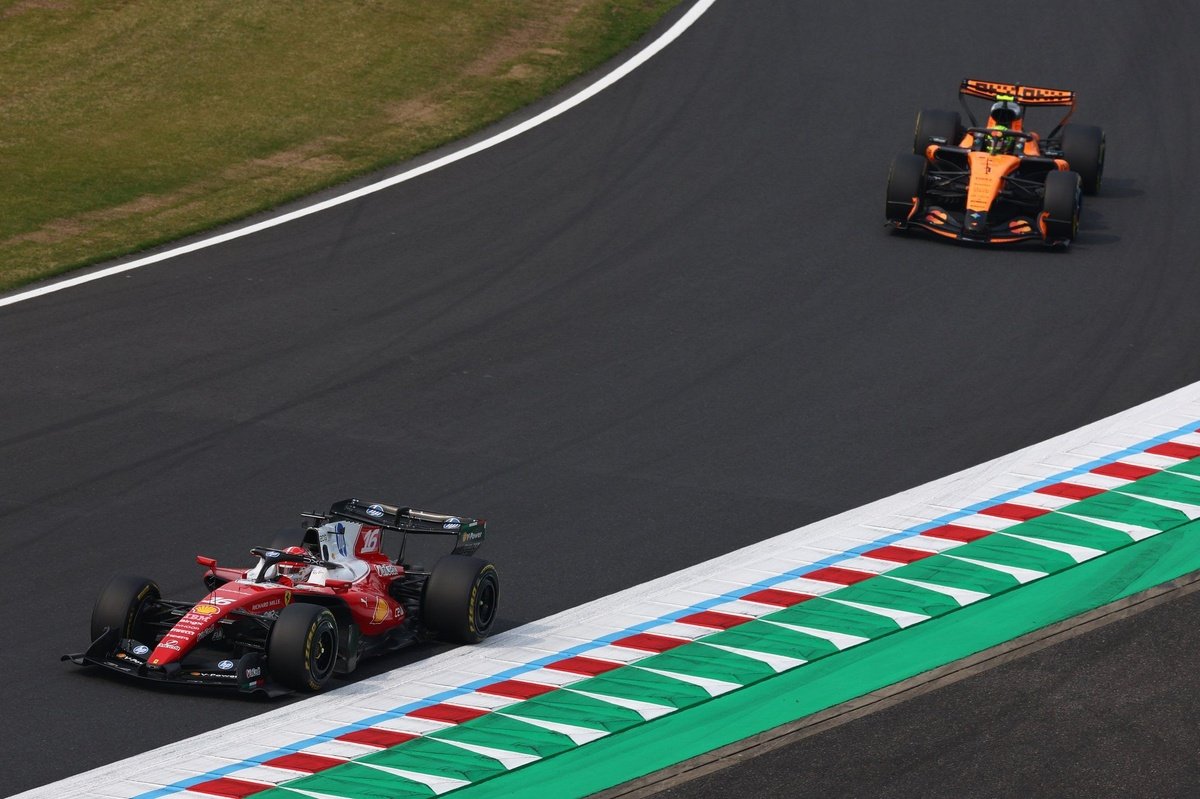

Nikolas Tombazis, the FIA's single-seater director, has firmly rejected the idea of banning the intelligent algorithms in Formula 1 power units, arguing that such a move would only exacerbate the problems drivers are currently complaining about. The complexity of modern engines makes it nearly impossible for humans to manage energy deployment optimally.
The issue came to the forefront after Oscar Piastri lost significant time on the straights during qualifying at the Belgian Grand Prix at Spa-Francorchamps, while teammate Lando Norris was quicker. McLaren team principal Andrea Stella revealed that both cars had identical power unit settings, but the 'self-learning' systems reacted differently to track conditions and driver inputs.
These systems use algorithms that learn from lap to lap to determine the best energy deployment strategy. However, drivers do not have full control; external factors like wind and grip levels also play a role. Piastri lamented that qualifying results are now decided by 'computers behaving or misbehaving', which he called a 'pretty crap way of going racing'.
Tombazis understands the drivers' frustration but explains that an outright ban is not feasible. If drivers had full manual control, they would use all electrical energy on corner exit, causing top speeds to be reached earlier and more frequent 'clipping' (power cut). This would only make the complained-about effects more pronounced.
Additionally, technical limitations such as the SOC delta (state of charge difference) prevent teams from using larger batteries. Without algorithms, humans cannot rationally manage all these parameters. "I don't think humans can rationally control all of these parameters," Tombazis asserted.
Looking ahead, the planned 60-40 power split for 2028 is expected to give drivers more control. While it won't eliminate the issue entirely, Tombazis believes it will be a step forward. He acknowledged that the 2026 regulations are more complex than the FIA would have liked, but it's a consequence of the core issue.
As reported by Autosport, this debate highlights the ongoing challenge of balancing technology and driver skill in F1's hybrid era.
Read Also
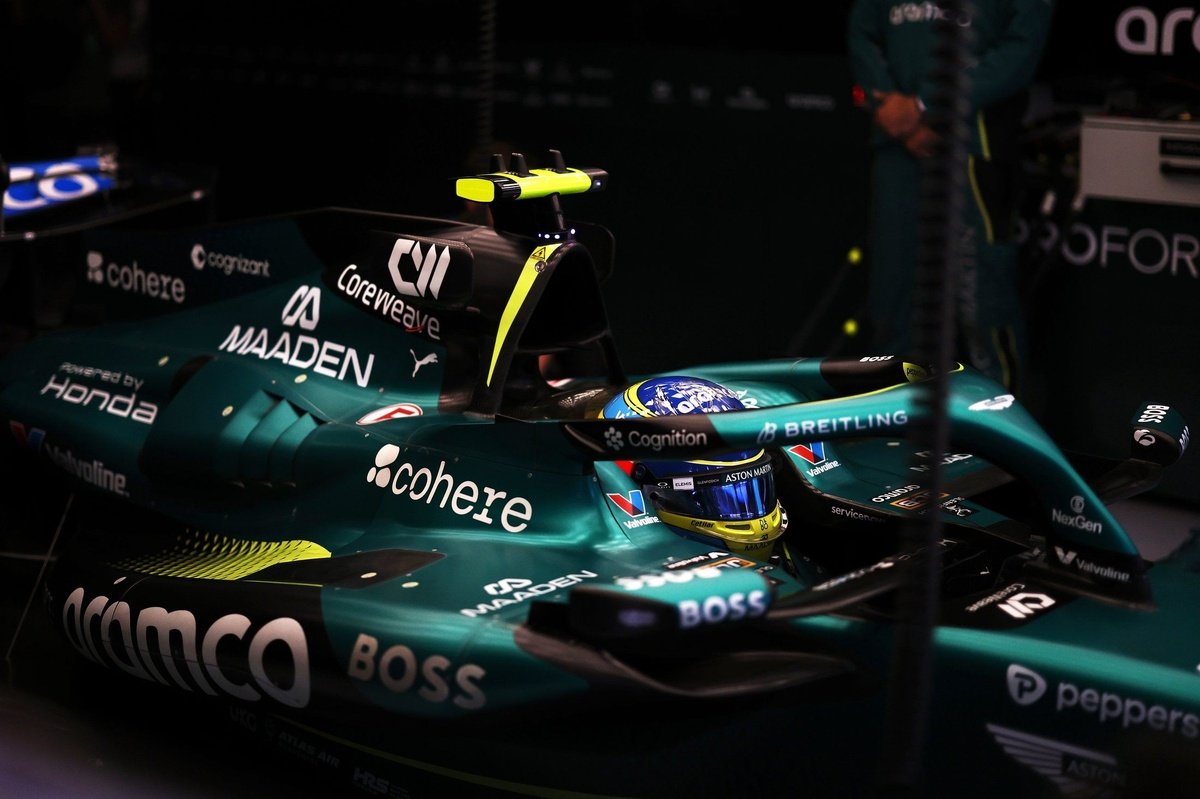
Honda baru menyadari besarnya masalah performa dan reliabilitas F1 2026 pada Januari. Defisit daya dan isu baterai menghambat Aston Martin. Upgrade Zandvoort jadi langkah awal.
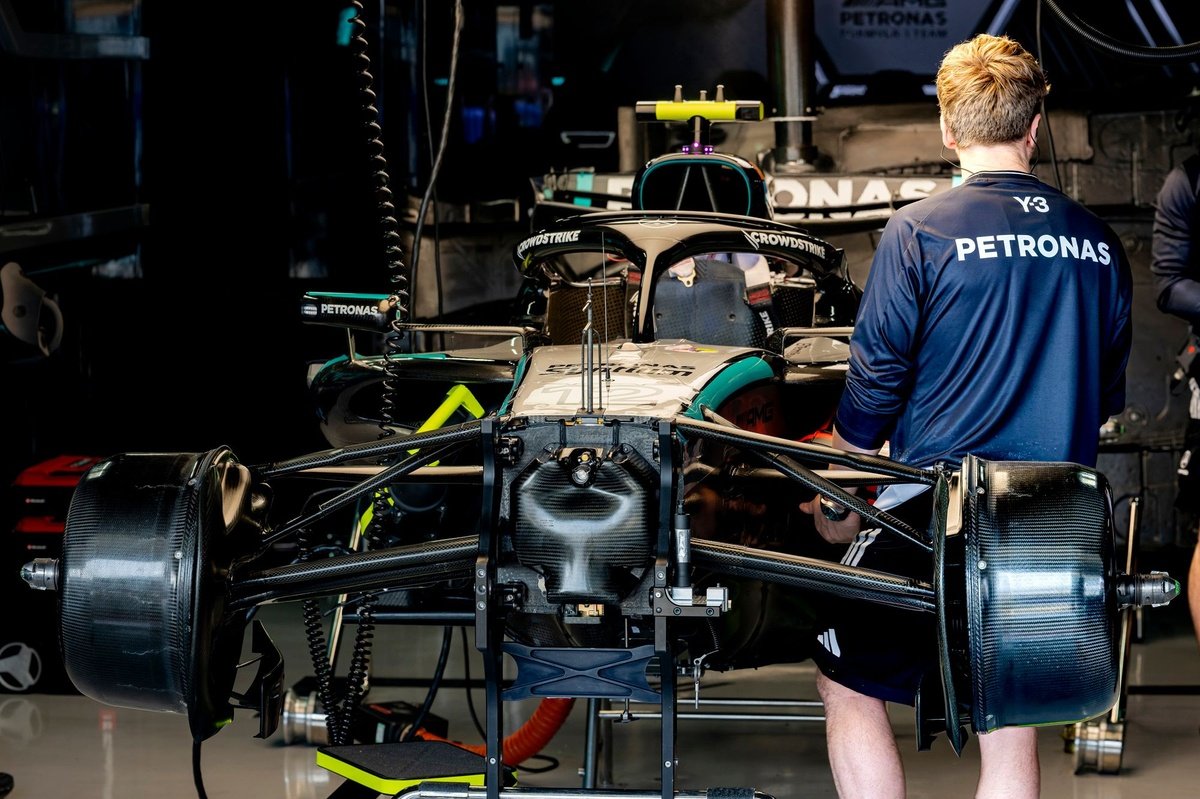
Mercedes memantau ketat jadwal upgrade F1 2026 di tengah ancaman penalti mesin untuk Antonelli dan Russell. Toto Wolff strategis untuk dampak maksimal.
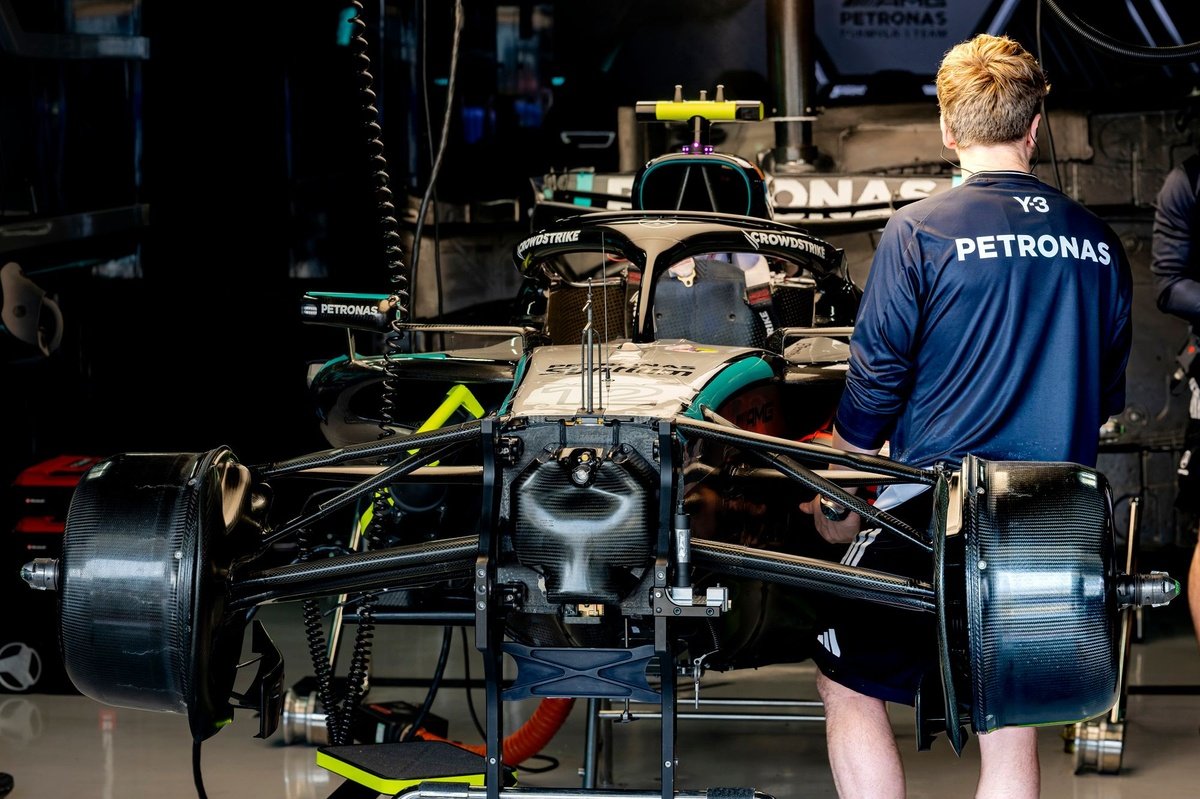
Mercedes pantau ketat jadwal upgrade F1 2026. Toto Wolff sebut tim akan strategis, tapi penalti mesin mengintai Antonelli dan Russell.
 Continue with Google
Discussion (0)
Join the Discussion!
Sign in easily to start commenting, replying, and interacting with other readers.
Latest Comments
No comments yet. Be the first!