







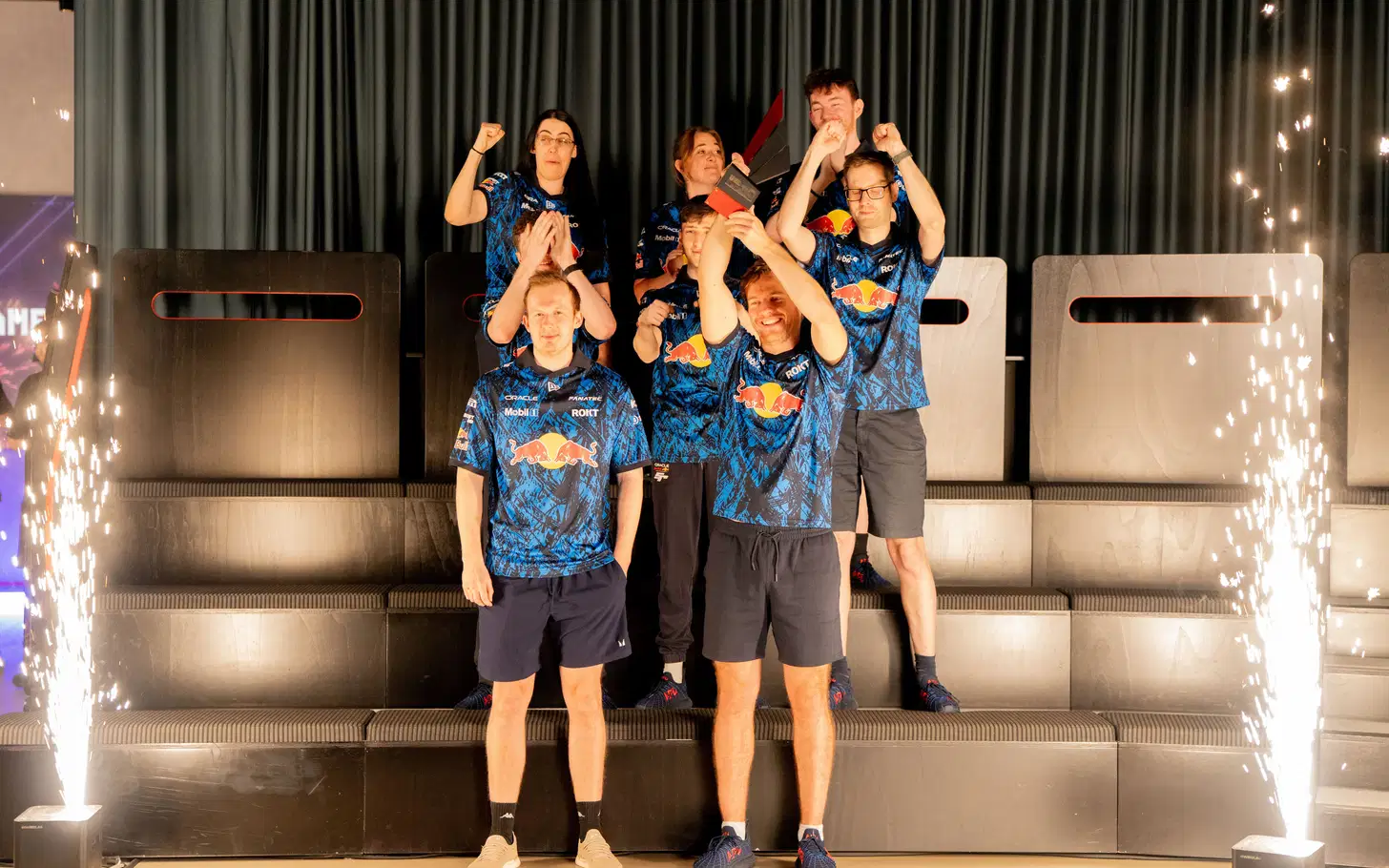

Red Bull Racing has made history in the Formula 1 sim racing world championship by securing a record-breaking fourth constructors' title. This achievement makes them the first team to ever retain the crown twice consecutively. The triumph was sealed at F1’s Media and Technology Centre in Biggin Hill, featuring the virtual Yas Marina circuit.
The season's competition involved nine teams competing across 12 rounds divided into four live events. Red Bull's collective dominance in the constructors' category granted them the lion's share of the $750,000 prize pool. Despite their team success, the drivers' championship was won by 18-year-old Otis Lawrence from Alpine, highlighting a significant rise in young talent within the esports landscape.
Meanwhile, Ferrari finished third in the constructors' standings. However, their individual performance remained strong, with Ismael Fahssi securing the runner-up position in the drivers' title fight. Red Bull's Jarno Opmeer finished third in the drivers' standings, illustrating that while the team is dominant, the individual competition remains highly volatile.
Analytically, the growth of sim racing within the F1 ecosystem is showing a strong upward trajectory. This is evidenced by the opening event in Birmingham, which attracted over 3.9 million live viewers across three rounds of racing. This represents an 85 percent increase compared to the previous year, signaling that global interest in professional virtual competition is expanding rapidly.
Red Bull's ability to maintain the constructors' title reflects a highly efficient team management strategy, mirroring their approach in real-world racing. The consistency of their four-man crew across 12 rounds proves that their esports support infrastructure has reached a high level of maturity, allowing them to outpace rivals such as Alpine and Ferrari.
The escalation of the competition, moving from events at DreamHack Birmingham to purpose-built facilities in Biggin Hill, demonstrates the transition of sim racing into a world-class sport. The integration of precise simulation technology and team strategic management has been the cornerstone of Red Bull's success in a field that is becoming increasingly competitive.
Read Also
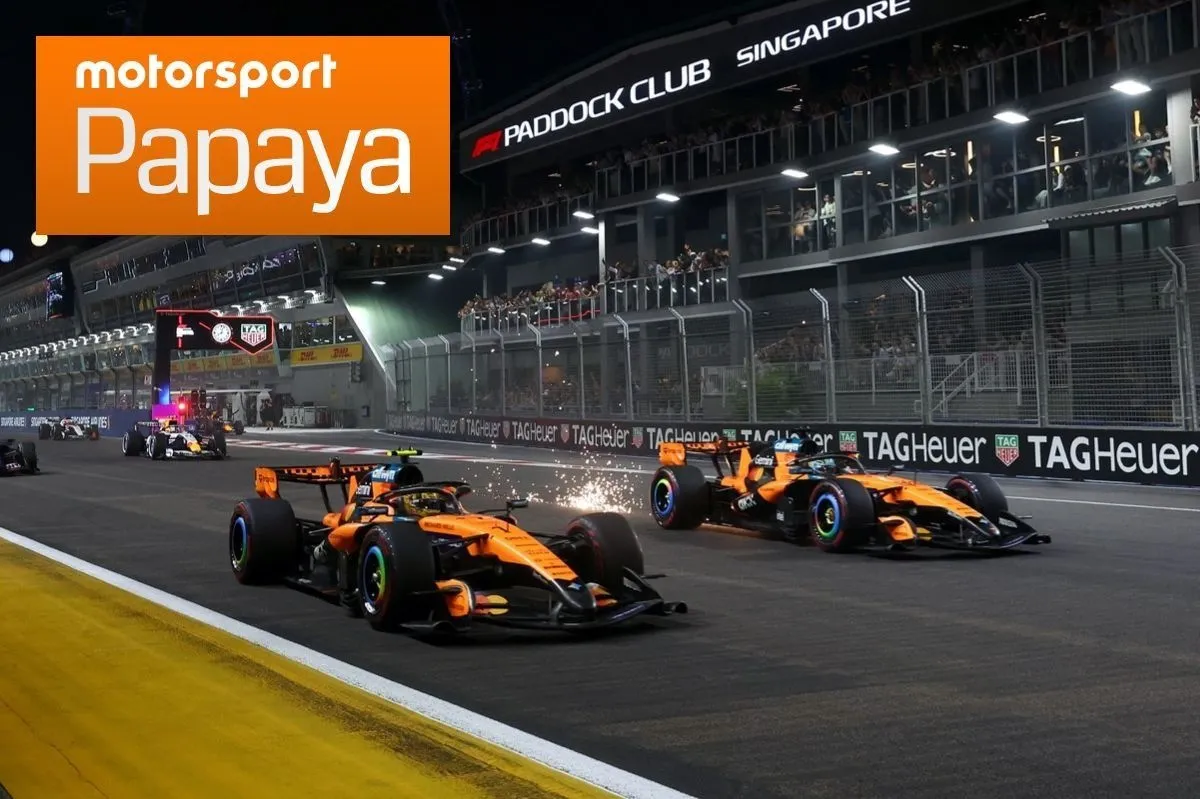
Simak analisis lengkap bagaimana Kimi Antonelli selamat dari masalah rem ekstrem di GP Singapura 2026. Baca detail selengkapnya di sini sekarang juga.
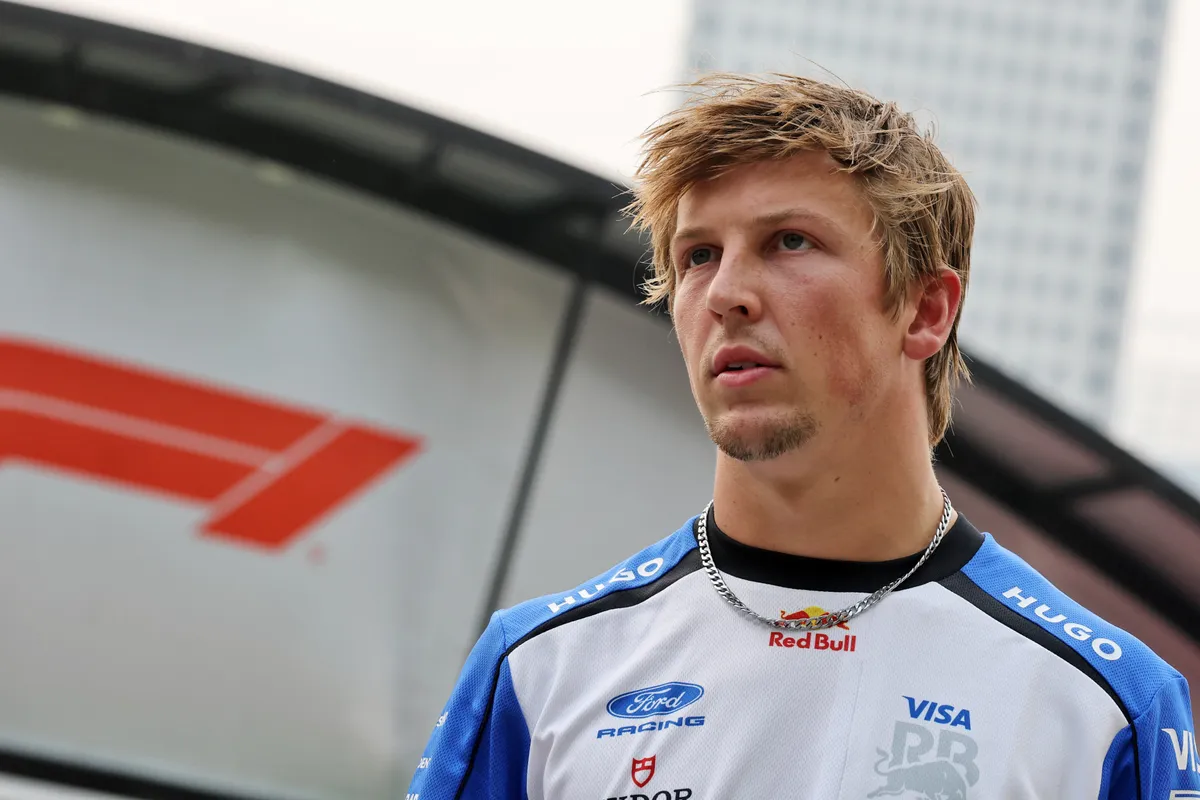
Simak analisis lengkap keputusan kursi F1 2026, performa Liam Lawson, dan rencana pengumuman resmi dari Racing Bulls. Baca selengkapnya di sini!
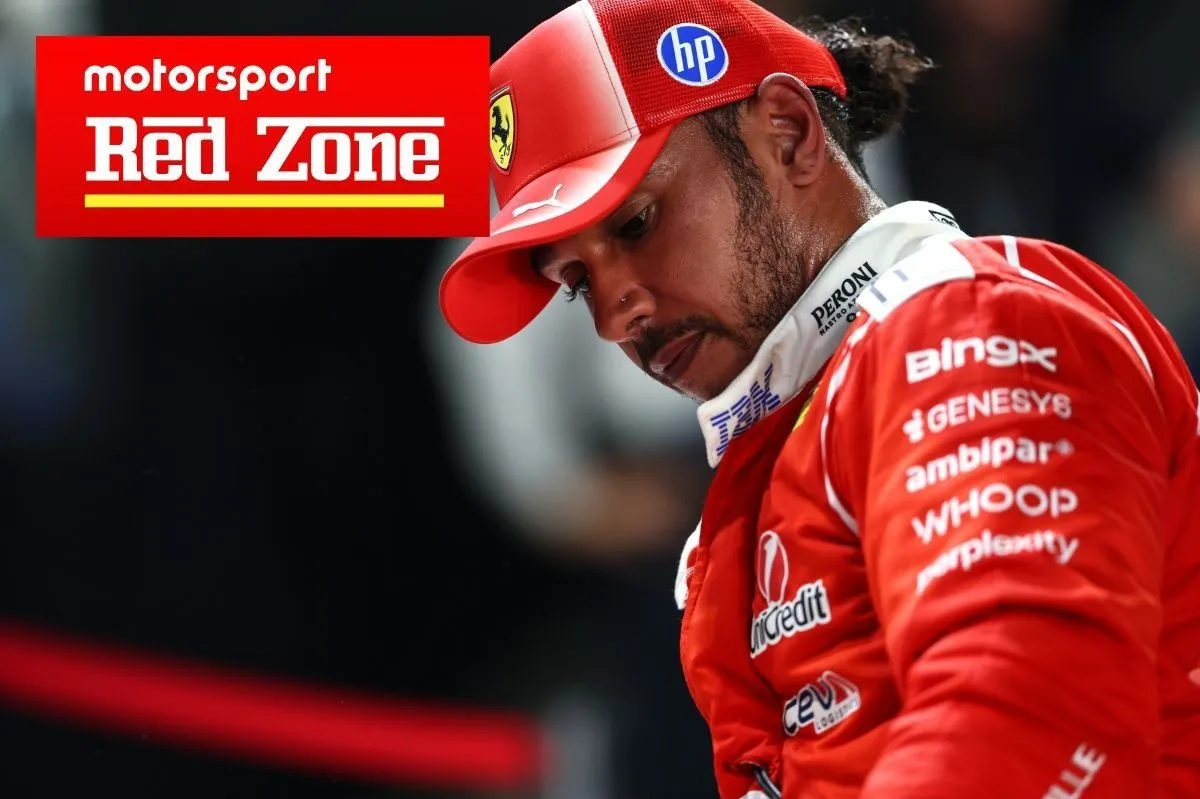
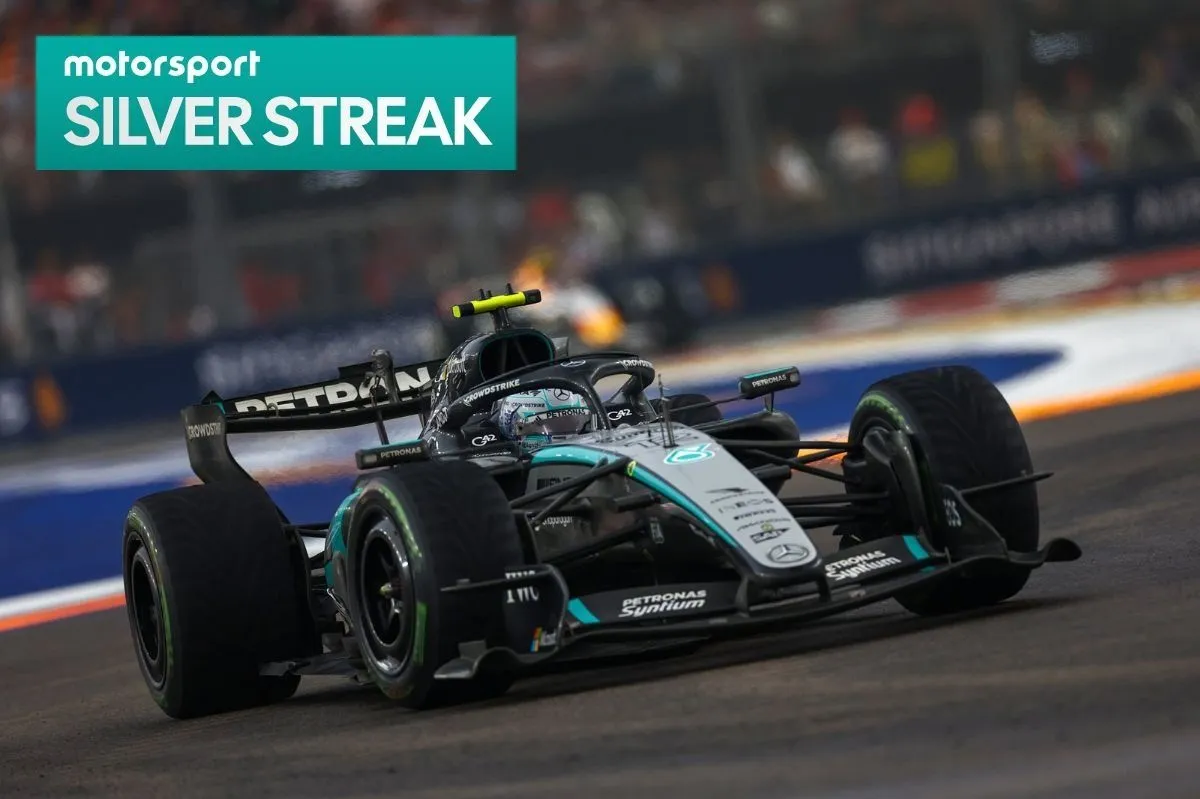
Simak analisis lengkap kegagalan strategi Lewis Hamilton di GP Singapura 2026 dan tekad bangkitnya. Baca berita selengkapnya di sini!
 Continue with Google
Discussion (0)
Join the Discussion!
Sign in easily to start commenting, replying, and interacting with other readers.
Latest Comments
No comments yet. Be the first!