







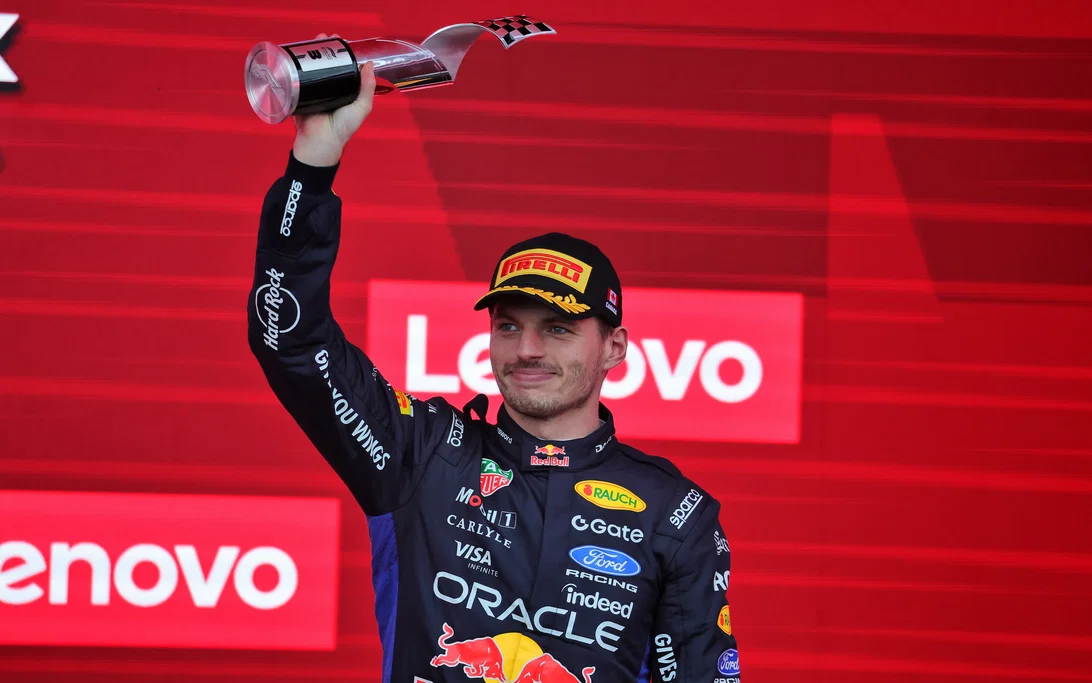

Max Verstappen has finally ended a torrid run of form this season by securing his first podium at the Canadian Grand Prix. The impressive result at the Circuit Gilles Villeneuve serves as a strong signal of recovery for Red Bull after an underwhelming start to the 2026 campaign. Despite finishing third after an entertaining battle with Lewis Hamilton for second place, this achievement represents a significant performance leap compared to the struggles the Dutchman faced since the season opener.
The beginning of 2026 proved to be the most challenging period for the four-time world champion, who struggled to break into the top five until the Miami Grand Prix in early May. The core of the problem lay in the RB22 chassis, which proved to be troublesome and unstable. This deficiency forced Verstappen and his new teammate, Isack Hadjar, to frequently fight in the lower reaches of the points during the opening rounds. The failure to optimize aerodynamic balance left the car lacking the essential competitiveness required to challenge the front-runners.
Analysis of the Red Bull-Ford Power Unit as a Bright Spot
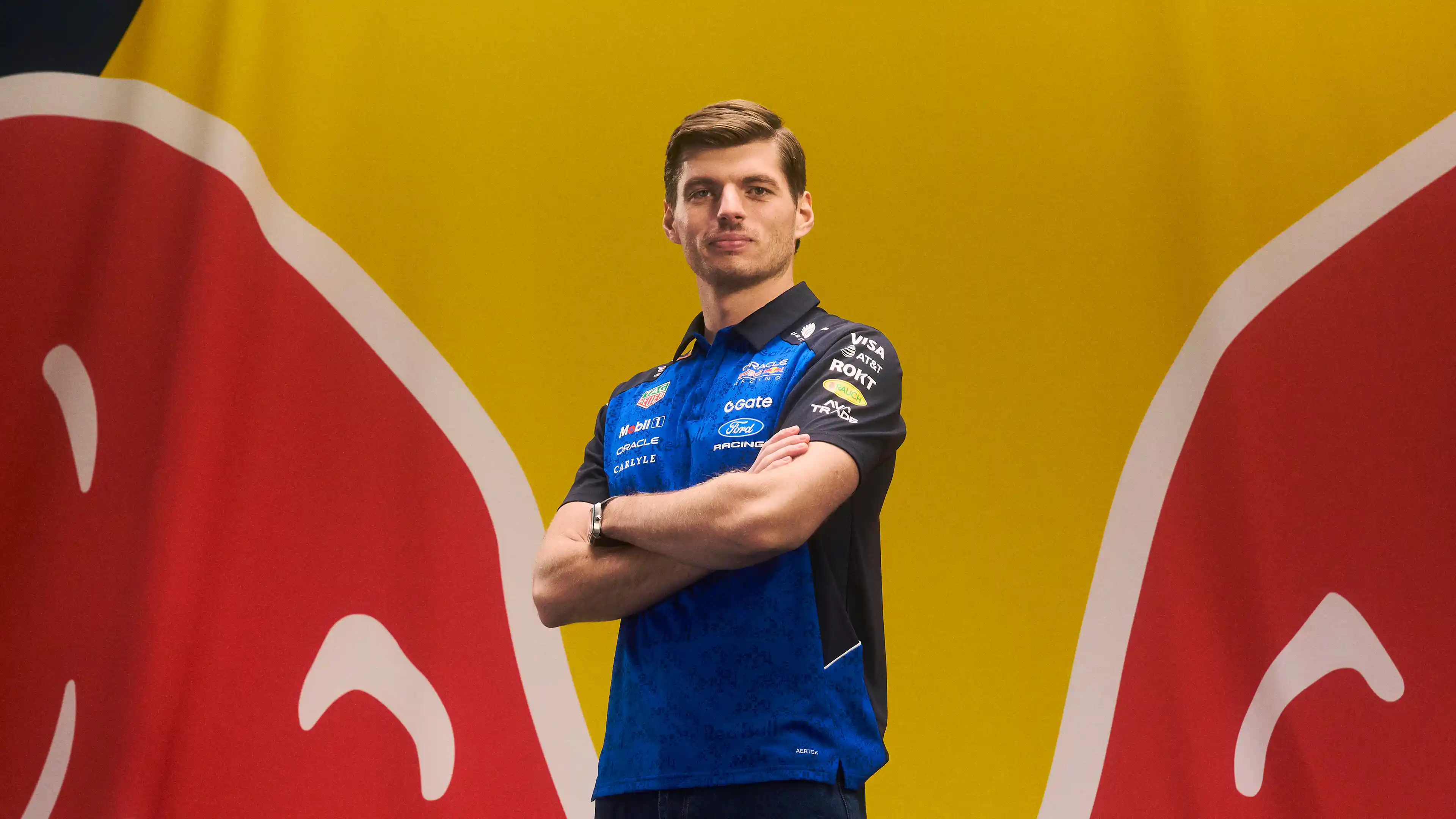
Amidst the chassis crisis, one element that has emerged as a positive is Red Bull's transition to becoming its own power unit manufacturer through a strategic partnership with the American giant, Ford. The integration of this new engine has proven to be the most stable and competitive aspect of their vehicle package this season. The superior performance of the PU provided Verstappen with the ability to compensate for chassis deficiencies during straight-line acceleration, a key factor that helped him secure the podium in Montreal.
The thermal efficiency and engine mapping of the in-house power unit have shown better consistency than initially expected. While the RB22 chassis struggled with grip and stability in the corners, the horsepower advantage from the Red Bull-Ford engine remained the only weapon keeping the team relevant. The success in Canada validates that the engine base is race-winning material, shifting the team's primary focus at Silverstone toward fixing the chassis stability issues.
Victory Projections and Public Sentiment
The steps forward taken in Florida and further refined in Canada have injected new optimism into the Milton Keynes-based outfit. The next hurdle for Red Bull is to convert this podium momentum into a maiden victory under its own power. According to a recent poll conducted by RacingNews365, positive sentiment is returning to the team, with nearly 70 percent of respondents expressing belief that Red Bull will secure a victory before the 2026 season concludes.
However, the path to a first win remains steep given the significant advantage still held by their rivals. Verstappen must extract the maximum potential from the RB22 while awaiting technical updates that can close the performance gap in the cornering sector. The fierce battle with Hamilton in Canada demonstrated that while the Red Bull engine is competitive, the team still requires a significant boost in aerodynamic efficiency to outperform a driver of Hamilton's caliber in wheel-to-wheel combat.
The focus now shifts to whether Red Bull's engineers can resolve the fundamental flaws of the RB22. If chassis stability can be aligned with the already formidable power unit, Verstappen's chances of returning to dominance will increase exponentially. The podium in Canada is more than just a race result; it is a technical validation that the team's development direction is correct and that title-contending potential remains within the champion's reach.
Read Also
Simak analisis lengkap bagaimana Kimi Antonelli selamat dari masalah rem ekstrem di GP Singapura 2026. Baca detail selengkapnya di sini sekarang juga.

Simak analisis lengkap keputusan kursi F1 2026, performa Liam Lawson, dan rencana pengumuman resmi dari Racing Bulls. Baca selengkapnya di sini!
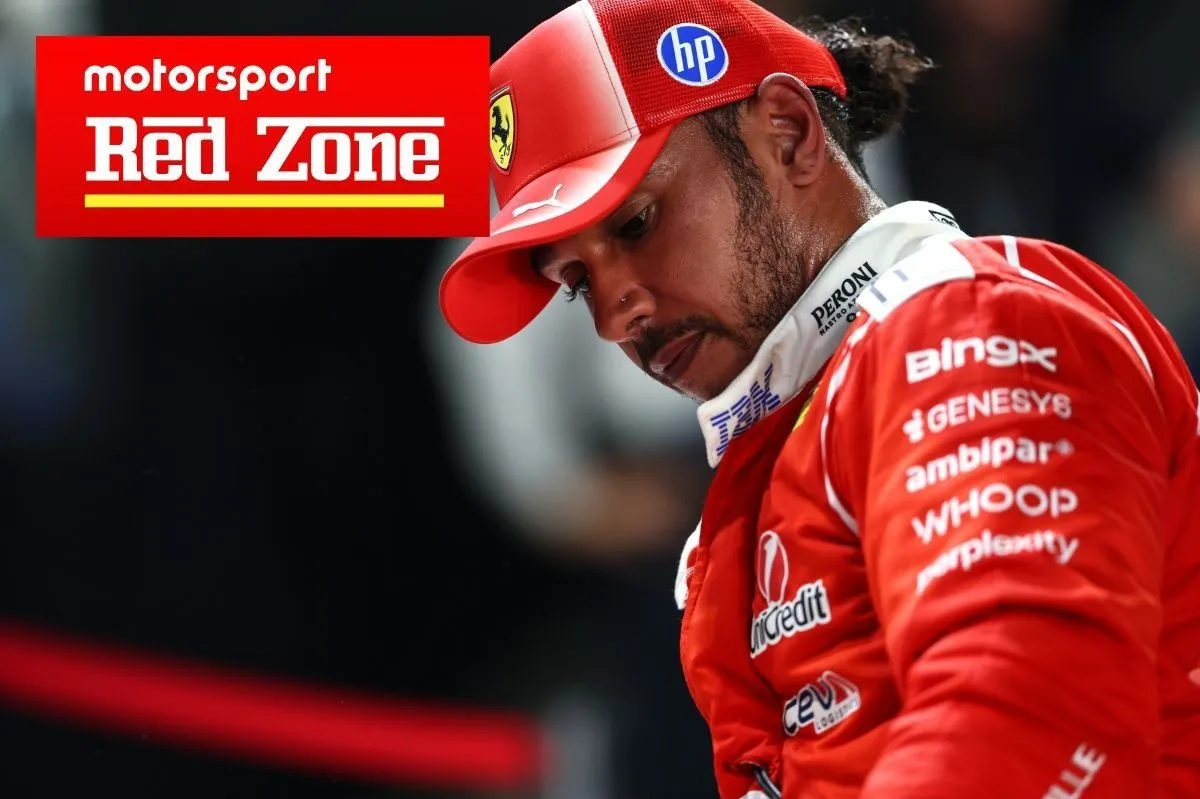
Simak analisis lengkap kegagalan strategi Lewis Hamilton di GP Singapura 2026 dan tekad bangkitnya. Baca berita selengkapnya di sini!
 Continue with Google
Discussion (0)
Join the Discussion!
Sign in easily to start commenting, replying, and interacting with other readers.
Latest Comments
No comments yet. Be the first!