








Williams driver Carlos Sainz has called on the FIA to take a decisive stance in establishing the Formula 1 engine regulations for 2027. Sainz believes the governing body should exert significant pressure to ensure all teams accept the technical changes, regardless of opposition from certain power unit manufacturers.
The technical core of this debate centers on altering the power output ratio between the internal combustion engine (ICE) and the battery system. Currently, the regulations maintain a balanced 50:50 split. However, the FIA and several stakeholders are proposing a shift to a 60:40 ratio, increasing the ICE contribution to 60 percent in order to reduce the excessive reliance on electrical energy storage and battery systems.
Negotiations have reached a deadlock due to conflicting manufacturer interests. Mercedes HPP, Honda, and Red Bull Powertrains reportedly support the shift. Conversely, Audi and Ferrari are firmly opposed. Per the regulations, a supermajority is required for such a change, necessitating approval from four of the five power unit manufacturers, along with the FIA and F1.
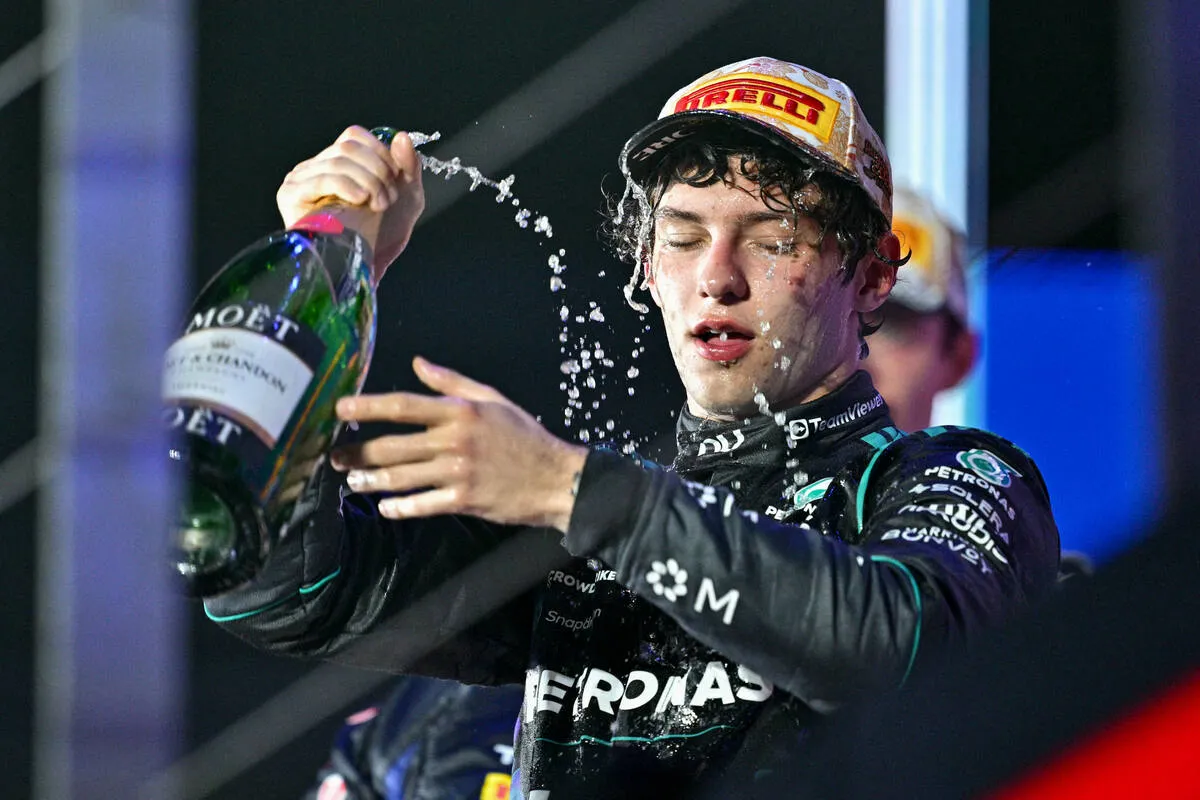
Sainz argued that if the change is deemed beneficial for the sport and the quality of the show, the FIA should not allow the process to be obstructed by a few dissenting teams. He believes a "strong approach" from the regulators would force non-aligned teams to comply, ensuring that the technical evolution of future engines is not stalled by manufacturer interests.
Analytically, a transition to a 60:40 ratio would significantly impact energy management during a Grand Prix. Reducing the battery's workload could improve thermal efficiency and decrease the complexity of the Energy Recovery System (ERS), potentially leading to more competitive parity across the grid. Sainz acknowledged that the current year is far from ideal but expressed high optimism that the 2027 regulations will rectify these performance imbalances.
Sainz's position reflects a desire for greater technical stability in the future. By advocating for a more authoritative FIA, Sainz hopes that the transition to the new engine era can be executed seamlessly, avoiding the prolonged conflicts between manufacturers that often hinder genuine technical innovation in Formula 1.
Read Also
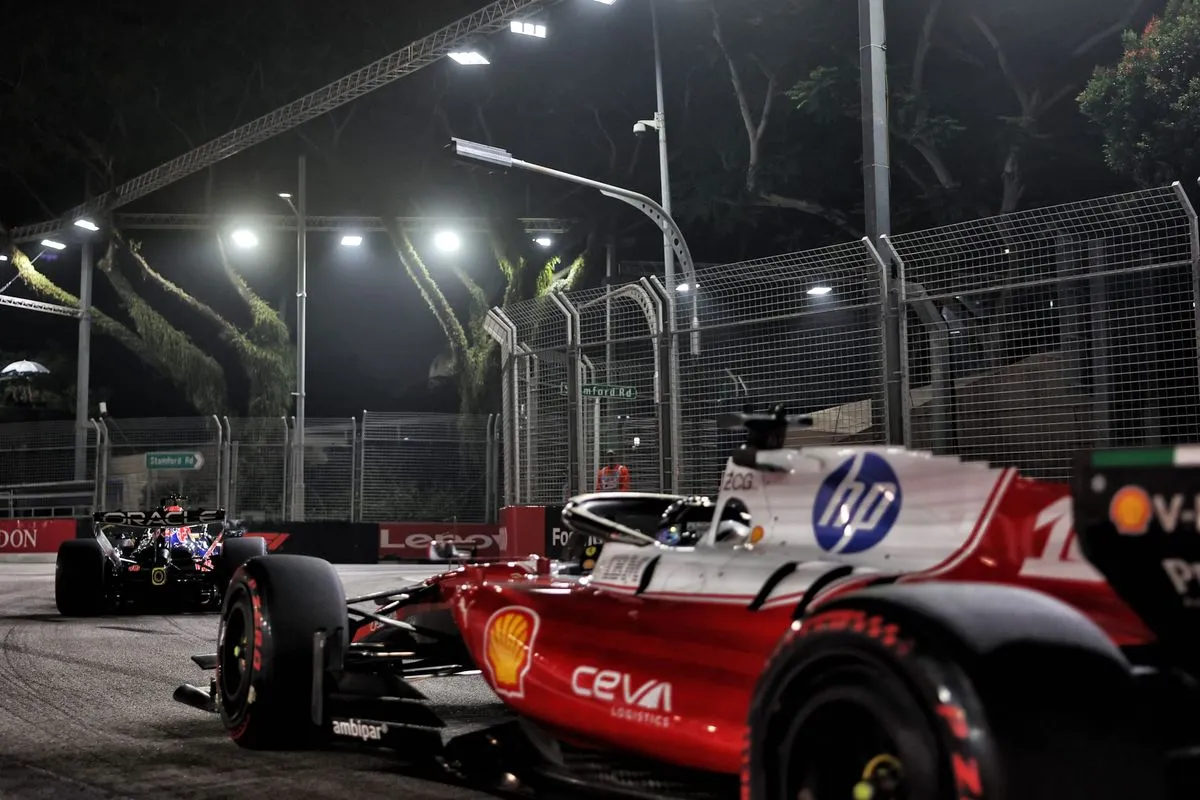
Simak analisis lengkap F1 2026 bagaimana strategi Ferrari mudahkan Verstappen menang di Singapura. Baca ulasan mendalam dan update paddock di sini!
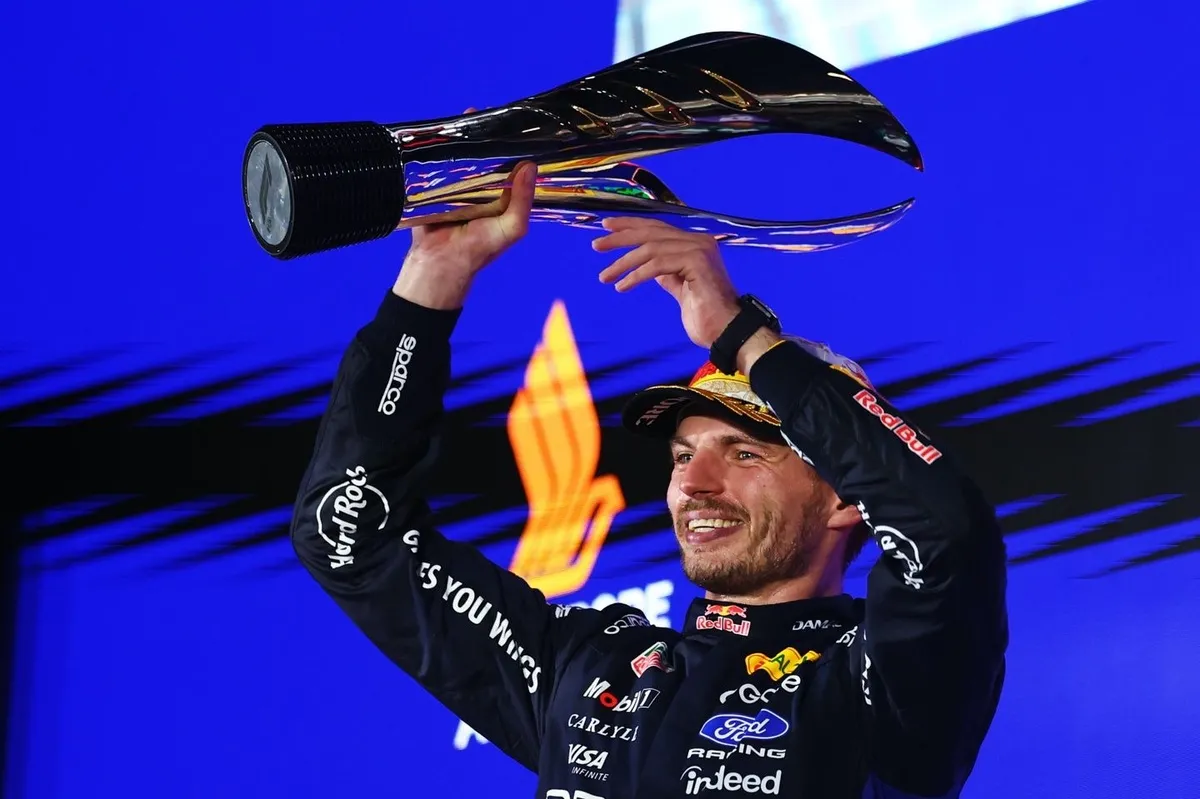
Simak analisis lengkap kemenangan beruntun Max Verstappen dan pergeseran peta kekuatan F1 2026. Baca ulasan mendalam selengkapnya di sini!
Simak analisis lengkap mengapa Kimi Antonelli lolos dari penalti batas trek di GP Singapura F1. Baca ulasan mendalam regulasi dan masalah rem di sini.
 Continue with Google
Discussion (0)
Join the Discussion!
Sign in easily to start commenting, replying, and interacting with other readers.
Latest Comments
No comments yet. Be the first!