









Primary McLaren operational driver Lando Norris delivered a highly critical technical assessment following the grid-setting session for the 2026 Monaco Grand Prix. Norris openly described the qualifying hour around the Monte Carlo street circuit as a brutal reality check for the Woking-based technical department. The British squad, currently operating as the defending constructors' world champions, was forced to absorb a harsh operational truth after only managing to place both drivers on the fourth row of the starting grid. Oscar Piastri successfully secured the seventh starting position, while Norris was structurally confined to eighth. This tracking reality firmly establishes them as merely the fourth-fastest mechanical force within the current grid classification hierarchy.
Analytically, the performance deficit of the MCL40 chassis appears extremely stark when directly contrasted with the absolute pole position dominance executed by Mercedes driver Kimi Antonelli. Based on official qualifying telemetry data, both McLaren machines suffered a pure lap time delta deficit exceeding 0.6 seconds during every single flying lap sequence. This sharp decline in competitive viability represents a massive structural deviation, especially considering Norris's historical track record of successfully converting pole position into an absolute victory at this exact venue twelve months prior. The complete evaporation of pure mechanical traction forced both drivers to fight excessively hard behind the steering wheel merely to prevent the aerodynamic package from colliding with the unforgiving barriers lining the narrow street layout.
Aerodynamic Vulnerabilities Across Low-Speed Corner Sectors
The fundamental root of the mechanical anomaly plaguing the MCL40 chassis specifically lies within its inefficiency to generate adequate aerodynamic downforce across low-speed cornering sectors. Norris confirmed that this structural weakness is not an isolated technical incident exclusive to the Monaco asphalt, but rather a direct continuation of the aerodynamic balance crisis that was previously detected empirically during the Canadian Grand Prix in Montreal. The Woking-designed 2026 generation chassis is fundamentally failing to distribute weight transfer precisely during heavy deceleration phases approaching slow-speed apex transitions, severely compromising exit trajectory momentum.
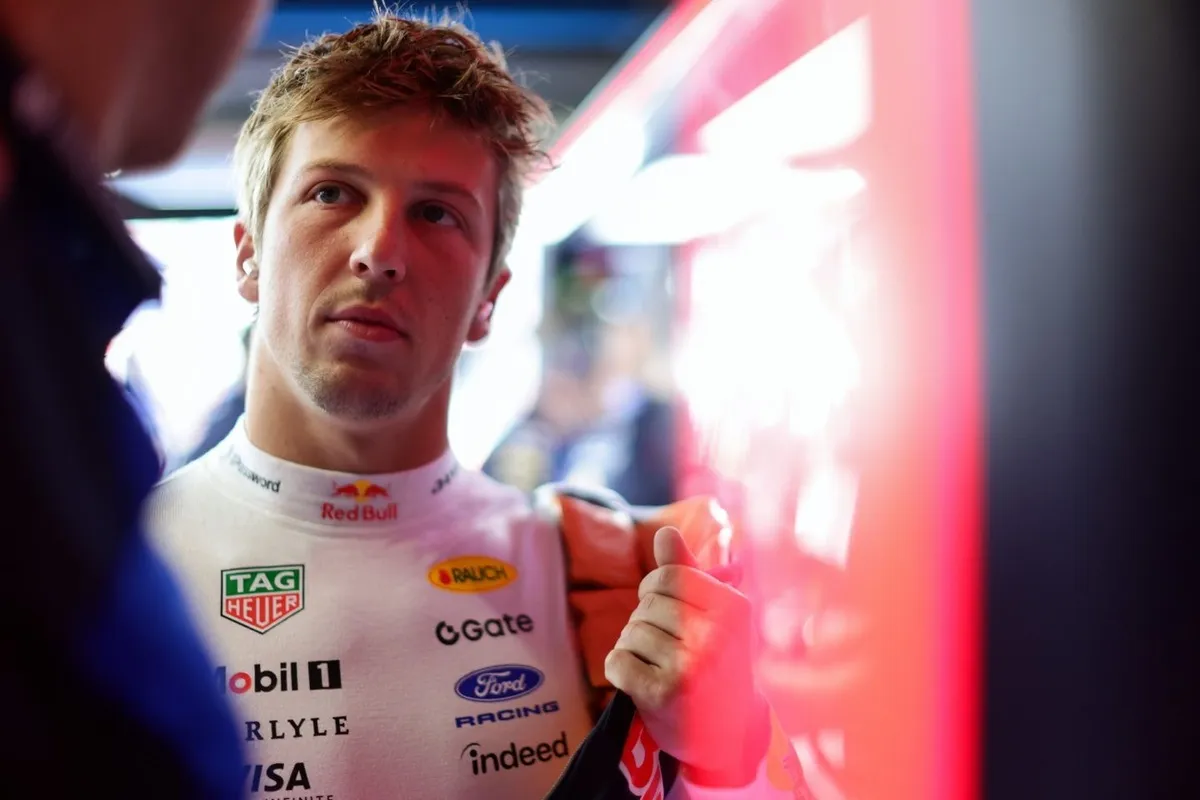
As the reigning world champion directly operating the technical parameters of the chassis, Norris highlighted the extreme difficulty in locating a harmonious integration point between asymmetrical steering inputs and front-axle rotational response. He provided a diagnostic evaluation to the media, noting that the car becomes incredibly difficult to operate at the absolute limit, remaining entirely non-compliant to steering angle inputs and completely unforgiving of any microscopic technical errors. The direct consequence of this excessive chassis rigidity is the driver's constant inability to successfully transition the Pirelli soft compound tires into their optimal thermal operating window during critical out-lap preparation cycles.
Norris emphasized his unique position as the individual purely behind the wheel, allowing him to accurately convey the immense difficulty required just to extract a single lap time classified as marginally competitive. He noted that the magnitude of this rooted issue was already palpable during the previous race in Montreal, meticulously dissecting the limitations of his current aerodynamic package. He further explained that his initial operational expectations ahead of the Monaco weekend were deliberately corrected following the post-race telemetry synchronization in Canada. That specific data clearly demonstrated that the MCL40 performance curve is only capable of operating at peak efficiency on circuit architectures dominated by medium to high-speed flowing sequences, such as the track layouts found in Suzuka and Miami.
Confidence Degradation Approaching the Main Grand Prix Distance
The mechanical domino effect of piloting a chassis that cannot be precisely controlled has a direct impact on the driver's confidence degradation when executing aggressive tracking maneuvers. Competing on the incredibly narrow Monaco layout, which absolutely refuses to tolerate pure racing line deviations down to the millimeter, demands an absolute peak threshold of steering precision. Norris lamented that his confidence metric at this specific circuit last year peaked at a perfect one hundred percent, whereas current mechanical mastery metrics have plummeted sharply to eighty-five percent. He highlighted how navigating the concrete walls of Monaco technically mandates operating at maximum confidence, exposing the vulnerability of the chassis' rear stability when responding to fatal directional changes through the high-speed chicane sectors.
Considering their fourth-row starting positions and the geometric characteristics of the Monte Carlo circuit that systematically eliminate the probability of conventional overtaking maneuvers, the McLaren operational management is now purely facing a damage limitation scenario. The Woking pit wall is absolutely required to exploit undercut tactical flexibility during the mandatory pit stop phases and manipulate potential safety car interventions solely to preserve mathematical proximity within the constructors' world championship constellation. The technical garage must immediately pivot its operational focus toward managing rear-tire stability degradation to successfully complete Sunday's grueling 78-lap distance, while concurrently restructuring their chassis development roadmap to defend their world championship crown this season.
Read Also
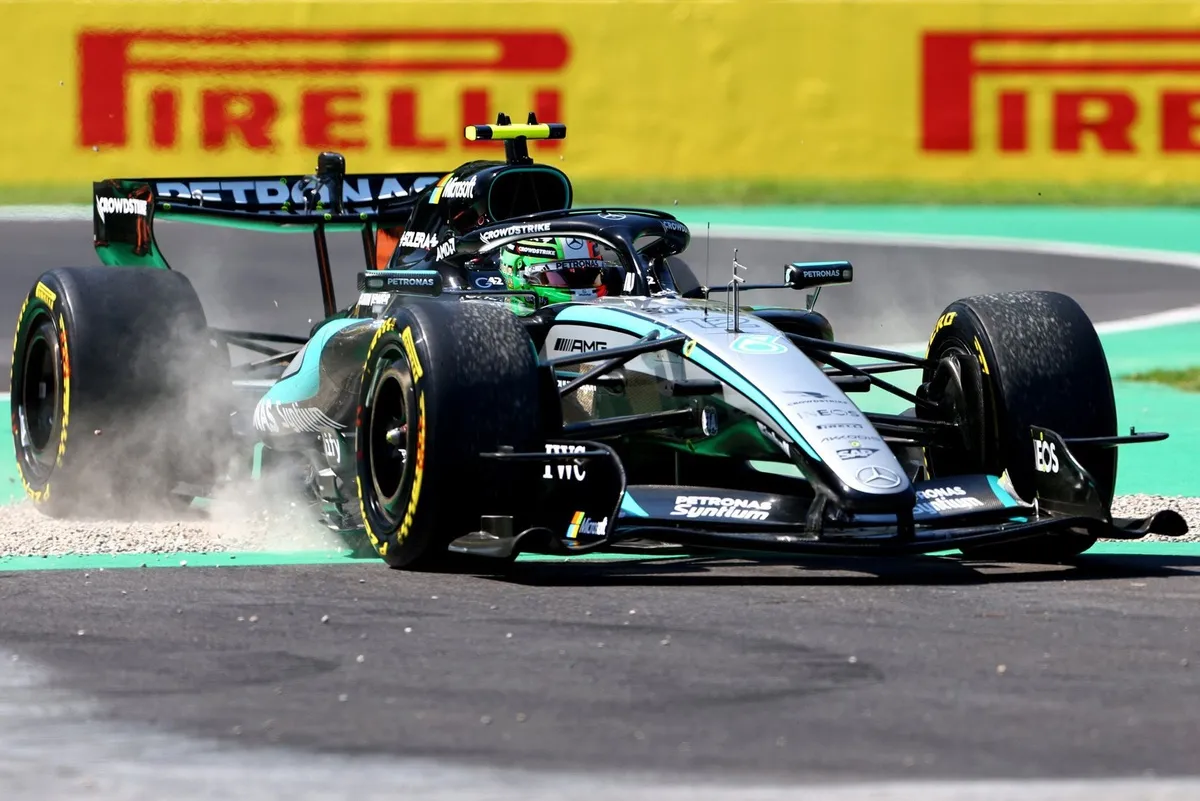
Kimi Antonelli faces a tough Italian GP despite Alonso's podium prediction. Ferrari's engine gains pose a threat. Full analysis on Sportrik.
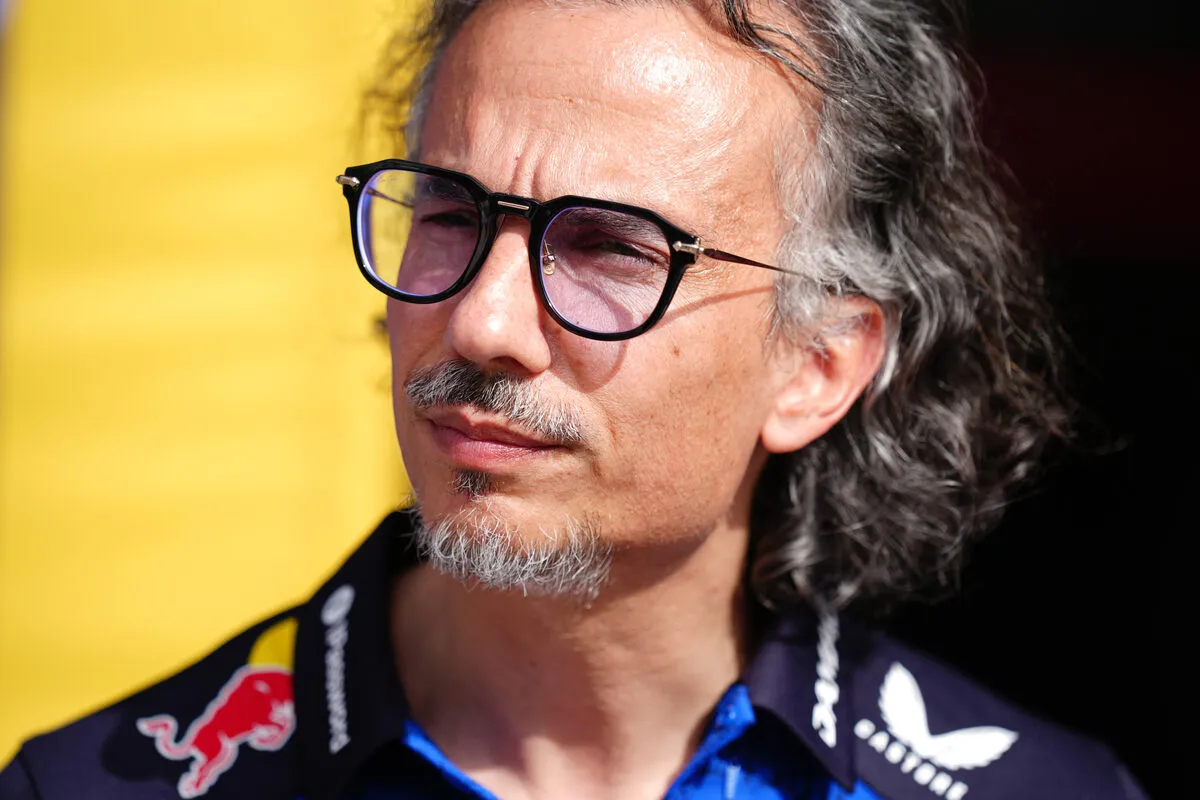
Laurent Mekies defends Red Bull's appeal that reinstated Isack Hadjar's Monaco podium. Read the analysis of its impact on F1.
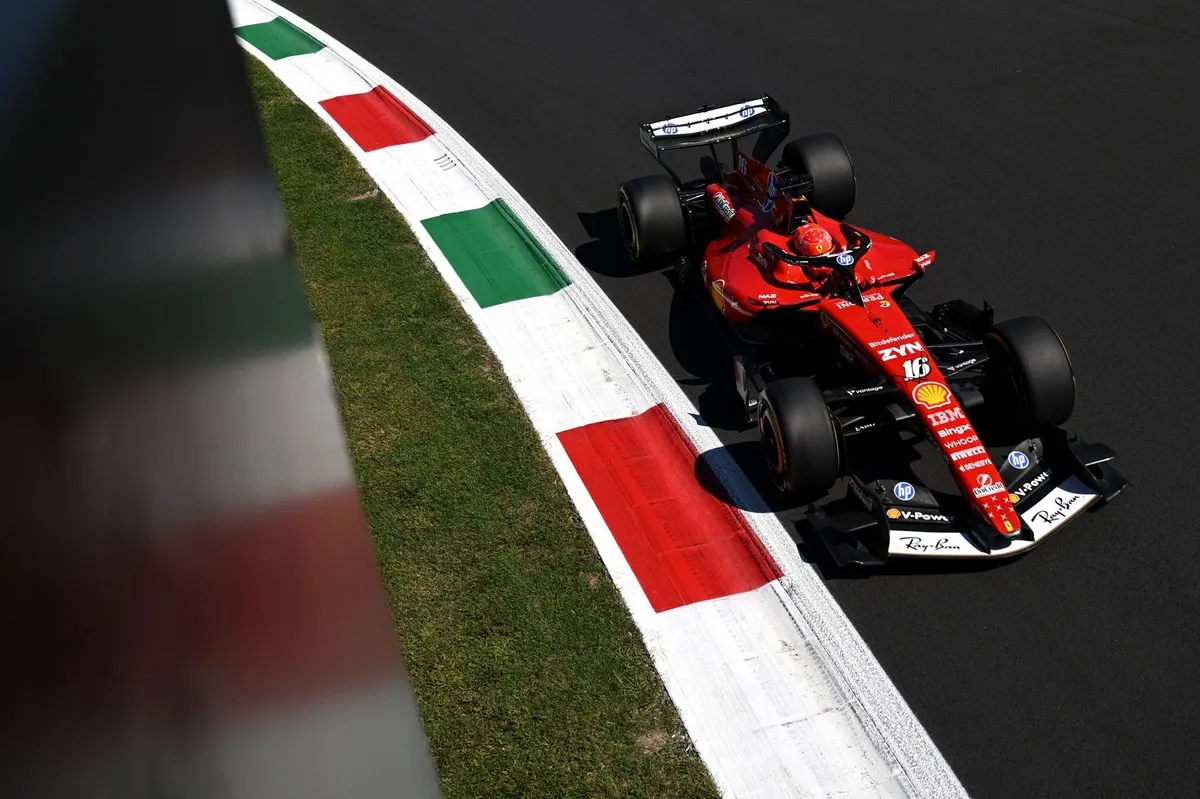
Charles Leclerc ready to tow Lewis Hamilton in Italian GP qualifying. How will Ferrari and Mercedes strategize at Monza? Full analysis inside.
 Continue with Google
Discussion (0)
Join the Discussion!
Sign in easily to start commenting, replying, and interacting with other readers.
Latest Comments
No comments yet. Be the first!