







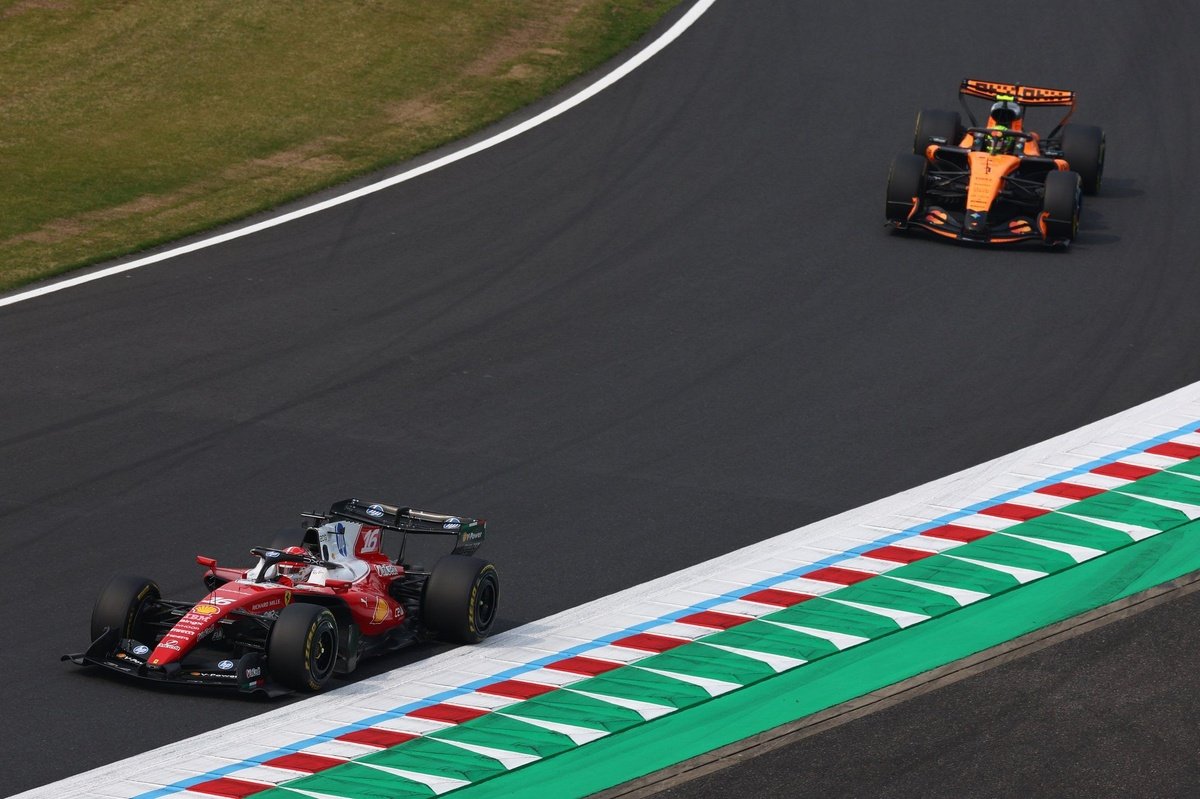

Nikolas Tombazis, FIA's single-seater director, has stated that banning the intelligent algorithms in Formula 1 power units would only exacerbate the issues drivers are complaining about. He argues that the complexity of modern power units makes it nearly impossible for humans to determine the optimal energy deployment strategy manually.
This concern came to light after Oscar Piastri lost significant time on the straights during qualifying at the Belgian Grand Prix at Spa-Francorchamps. The McLaren driver was surprised by his own power unit's behavior, while the team was initially puzzled as his car's settings were identical to teammate Lando Norris. Andrea Stella, McLaren's team principal, later explained that the 'self-learning' elements in the power unit can adapt to external factors like wind and grip, which are beyond the driver's control.
Piastri criticized the situation, saying that qualifying grids are decided by 'computers behaving or misbehaving,' calling it a 'crap way of going racing.' Tombazis understands the frustration but explained that if drivers had full manual control, they would use all electrical energy on corner exit, leading to earlier top speeds and more severe 'clipping' at the end of straights.
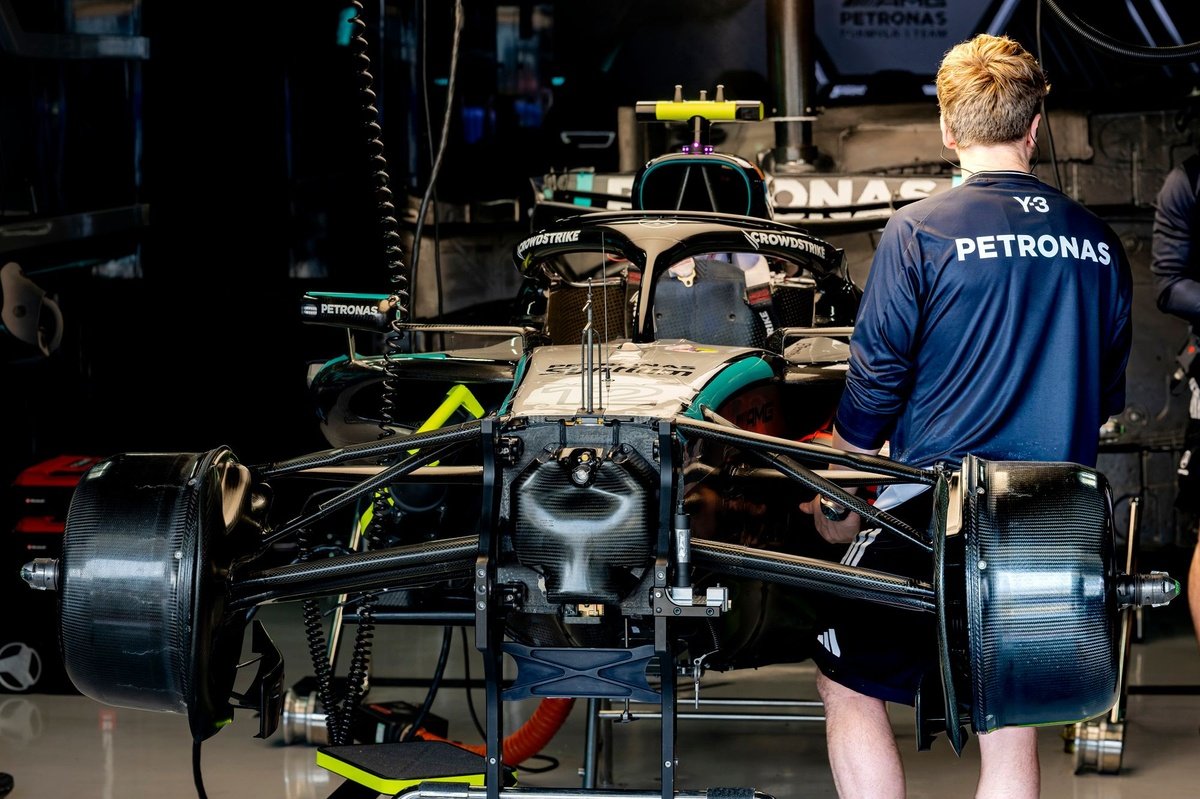
Additionally, technical limitations such as SOC delta (state of charge delta) are in place to prevent an arms race in battery size. Tombazis insists that humans cannot rationally control all these parameters due to cognitive limitations and system complexity.
Nevertheless, Tombazis acknowledged that the planned 60-40 power split for 2028 will be a step forward, giving drivers slightly more control. However, he doubts the issue will be completely eliminated, as it stems from the inherently complex design of the regulations.
As reported by Autosport, Tombazis concluded by admitting that the 2026 regulations are more complex than the FIA would have liked, but he remains confident that accepting this complexity while evaluating future improvements is the right approach.
Read Also
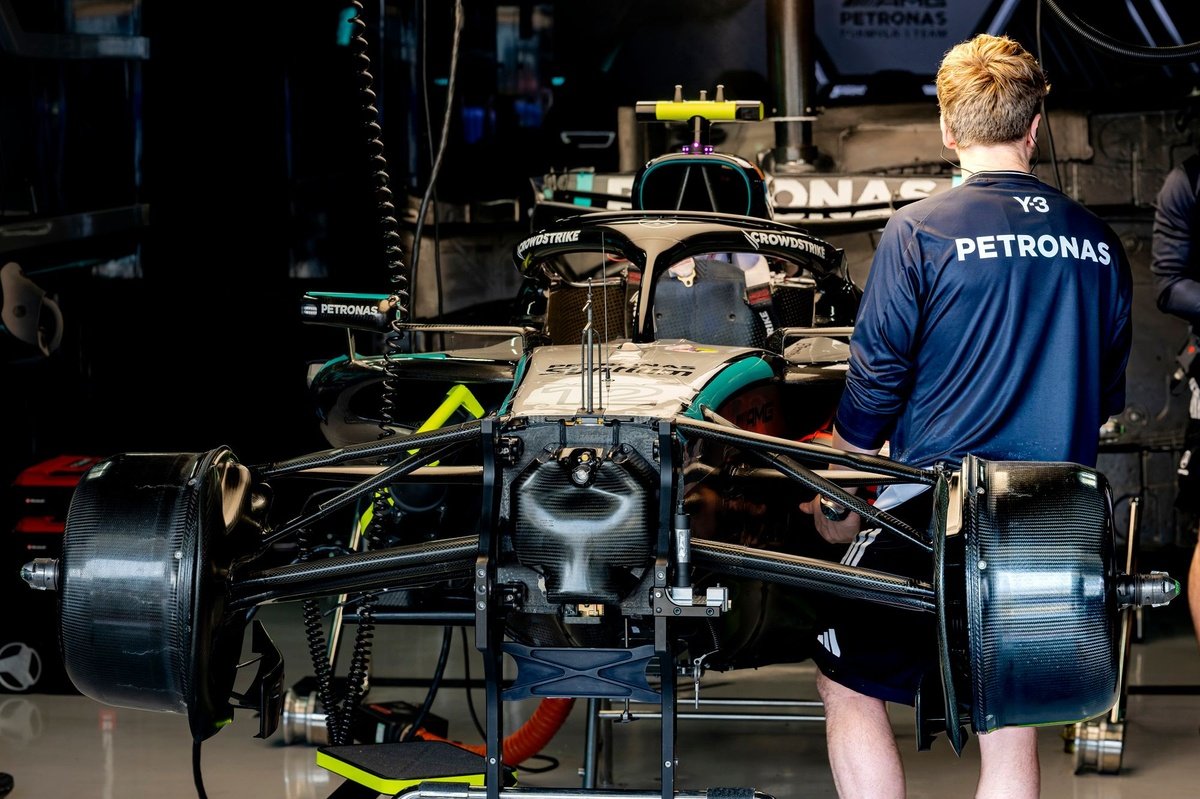
Mercedes memantau ketat jadwal upgrade F1 2026 untuk memaksimalkan performa, dengan potensi penalti mesin mengintai.
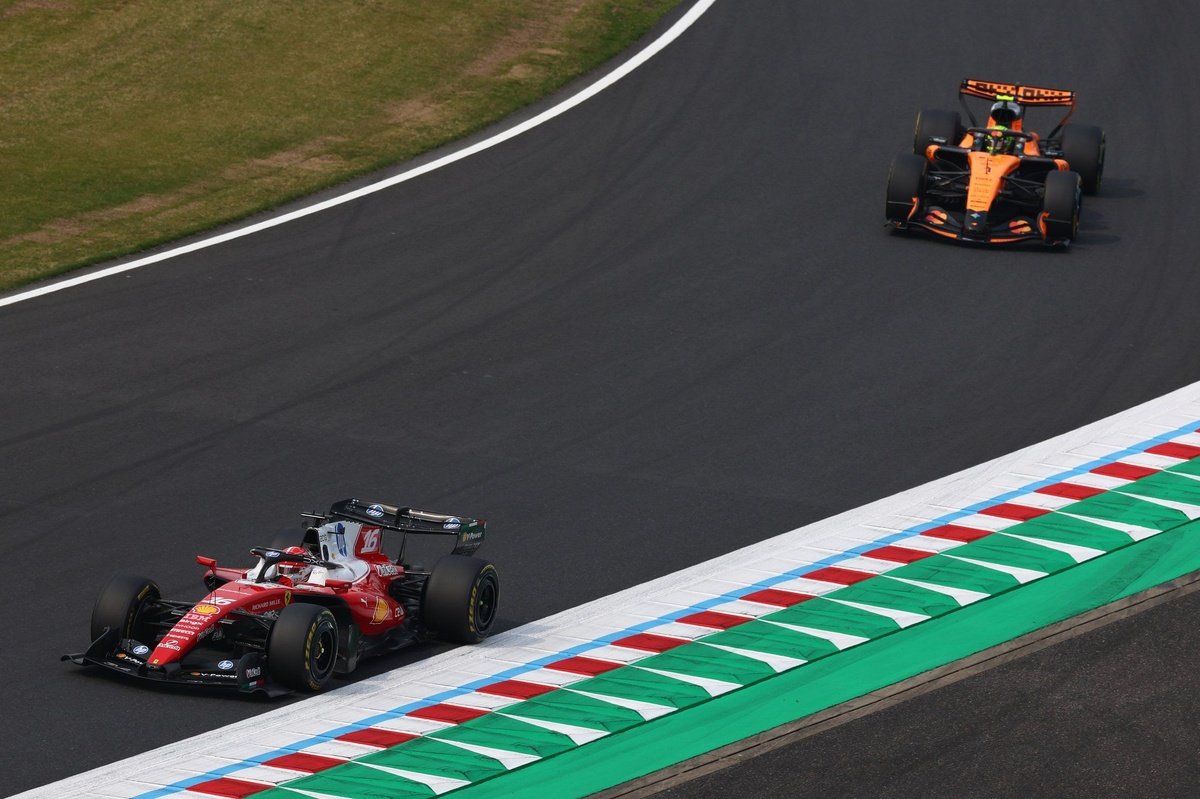
FIA menolak larangan algoritma self-learning pada power unit F1. Nikolas Tombazis menjelaskan alasannya dan dampaknya pada balapan 2026.
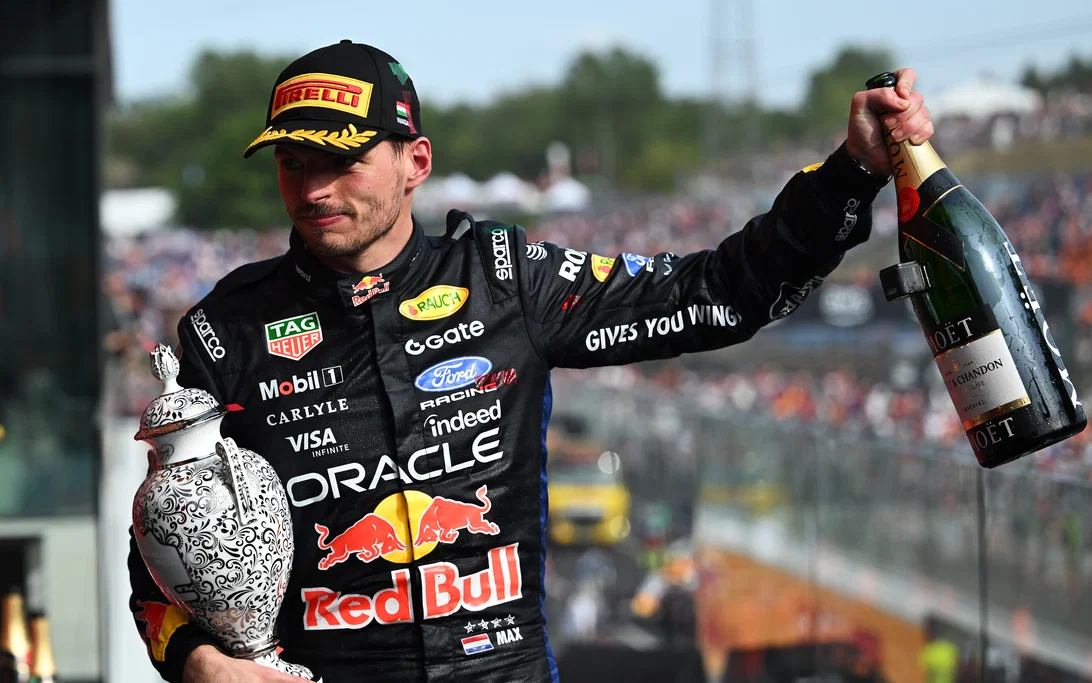
Max Verstappen is still chasing his first F1 win of 2026 as he looks to preserve a streak of winning at least one Grand Prix every season since 2016.
 Continue with Google
Discussion (0)
Join the Discussion!
Sign in easily to start commenting, replying, and interacting with other readers.
Latest Comments
No comments yet. Be the first!