







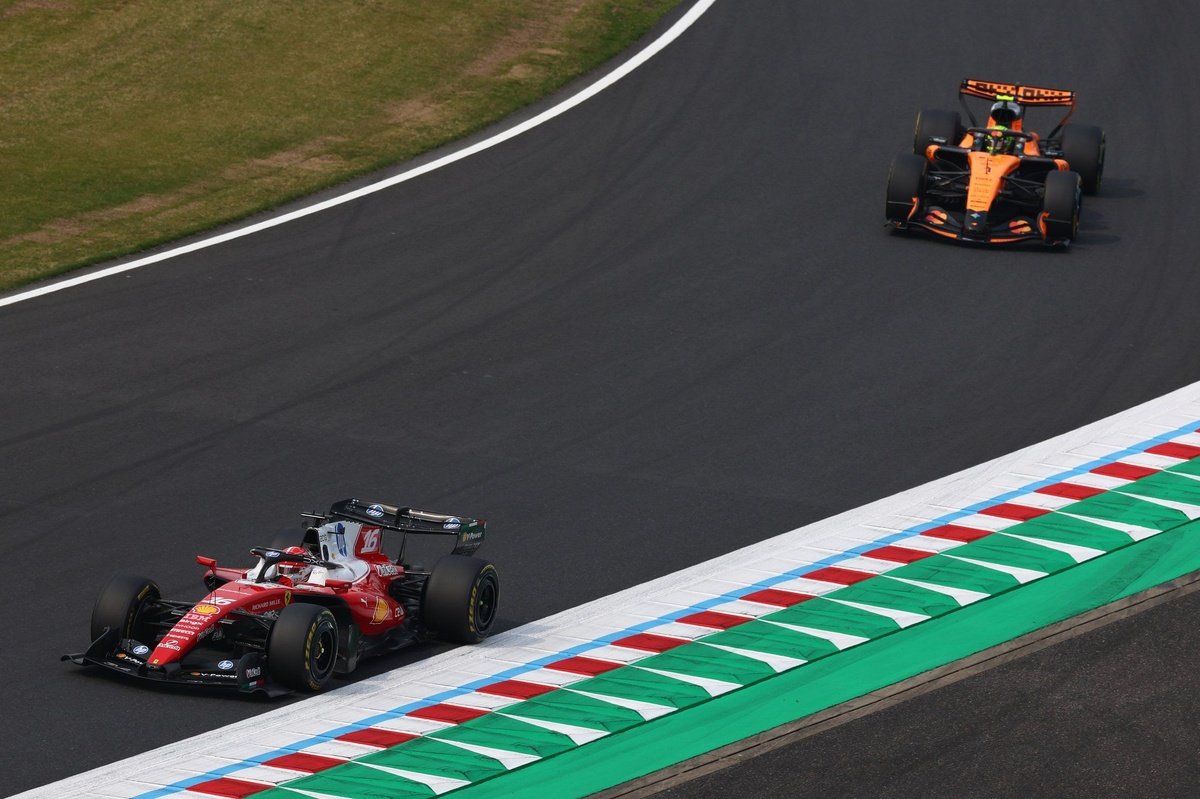

As reported by Autosport, the debate over the use of self-learning algorithms in Formula 1 power units continues. FIA single-seater director Nikolas Tombazis has stated that banning these algorithms is not the right solution. According to him, such a move would only worsen the "clipping" phenomenon that drivers have complained about.
In an interview with select media, including Motorsport.com, Tombazis explained that the complexity of current F1 power units makes it nearly impossible for humans to determine the optimal energy deployment strategy. "I don't think humans can rationally control all of these parameters," he said. This statement comes after drivers like Oscar Piastri complained about being surprised by their own power units.
Piastri, who lost significant time on the straights during qualifying at Spa-Francorchamps, described the situation as "a pretty crap way of going racing." The incident sparked discussions about whether self-learning elements should be removed from the 2026 regulations. However, Tombazis believes that removing them would only lead drivers to use all electrical power on corner exit, which would accelerate clipping.
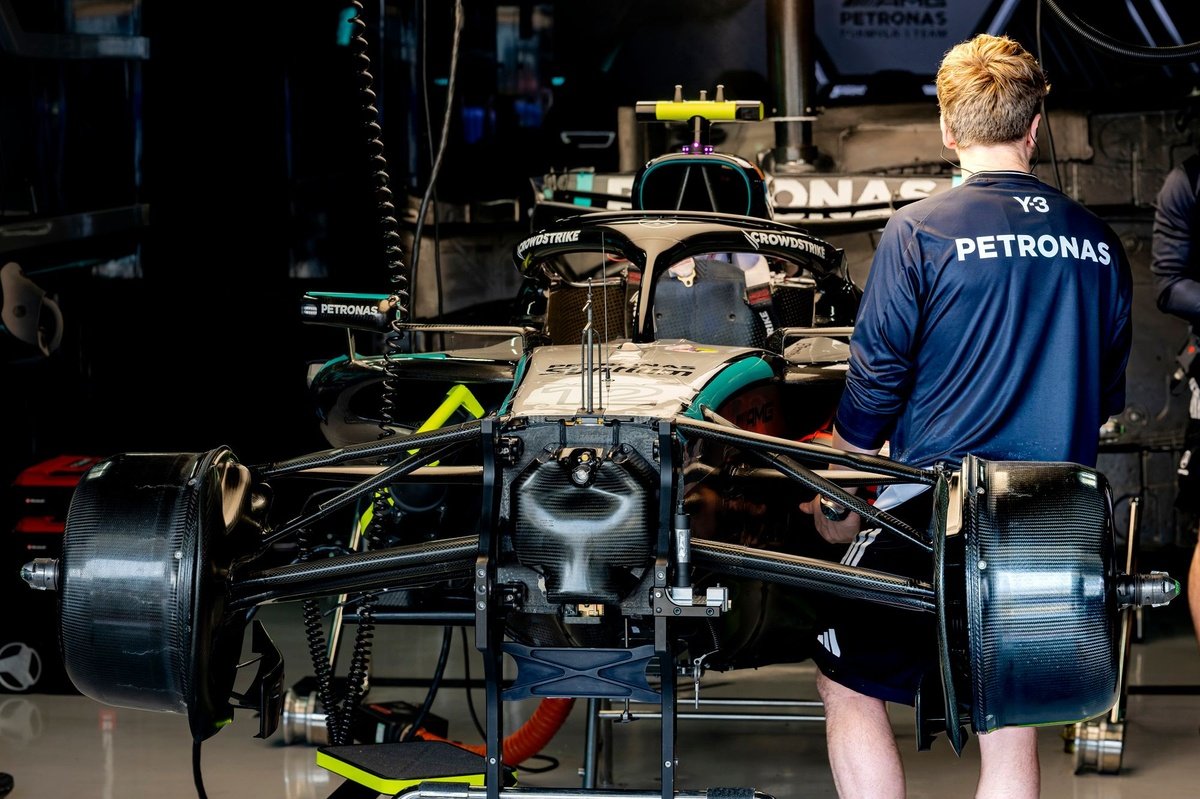
Tombazis also highlighted technical limitations such as the SOC delta (state of charge delta) that prevent teams from using oversized batteries. "We didn't want teams to have to make a battery twice the size and then have heavier cars again," he explained. Given these restrictions and the complexity of the systems, he believes that algorithmic decisions are more accurate than human intervention.
Nevertheless, Tombazis acknowledged that the 2026 regulations are more complicated than the FIA would have liked. He hopes that the power rebalancing scheduled for 2028 will give drivers more control. "I think it will be a step better, though it won't eliminate the problem completely," he concluded.
Read Also
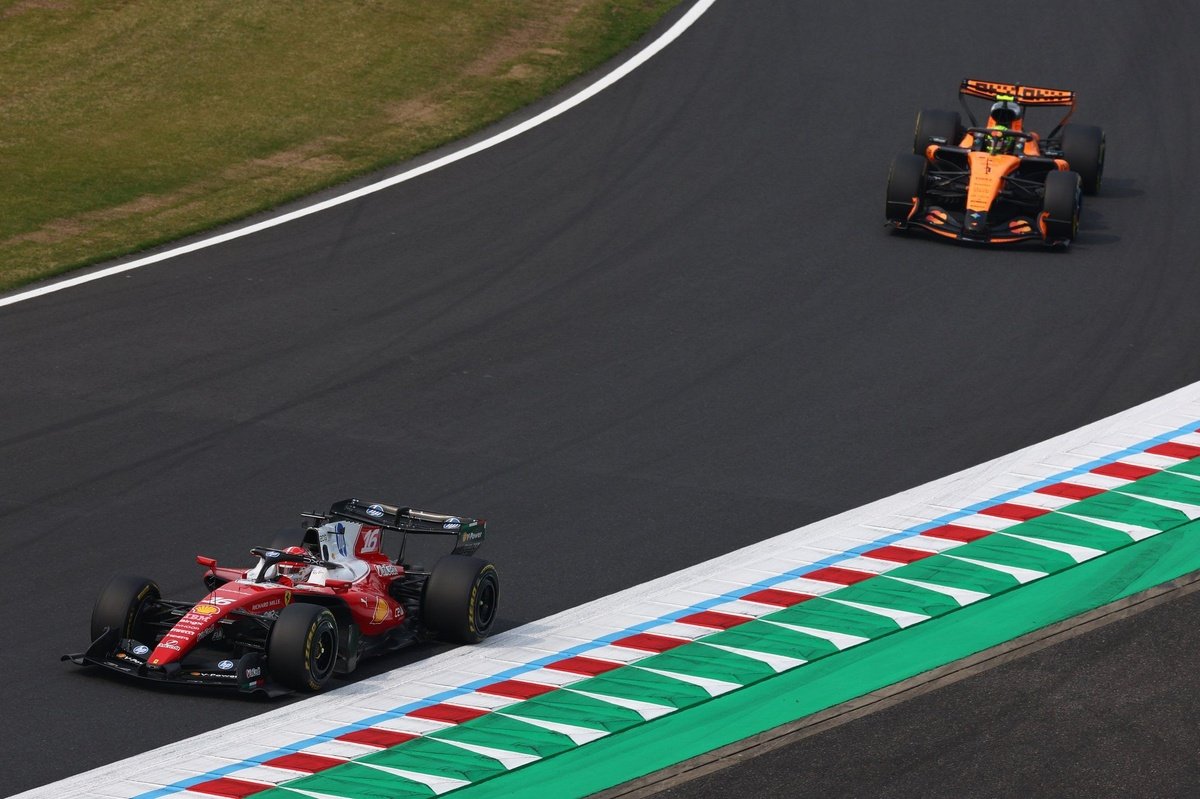
FIA menjelaskan larangan algoritma power unit F1 tidak efektif karena justru memperparah clipping. Tombazis: kompleksitas membuat manusia tak bisa kendalikan strategi energi.
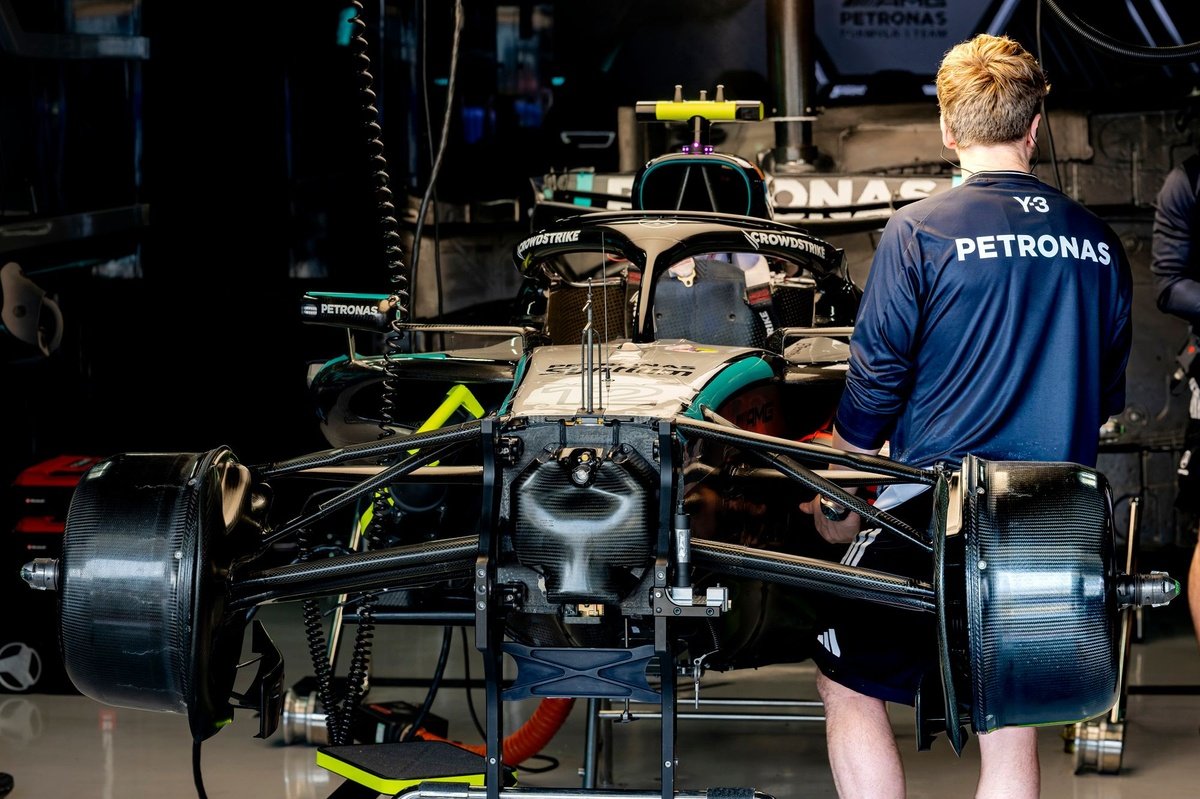
Mercedes memantau ketat jadwal upgrade F1 2026 untuk memaksimalkan performa, dengan potensi penalti mesin mengintai.
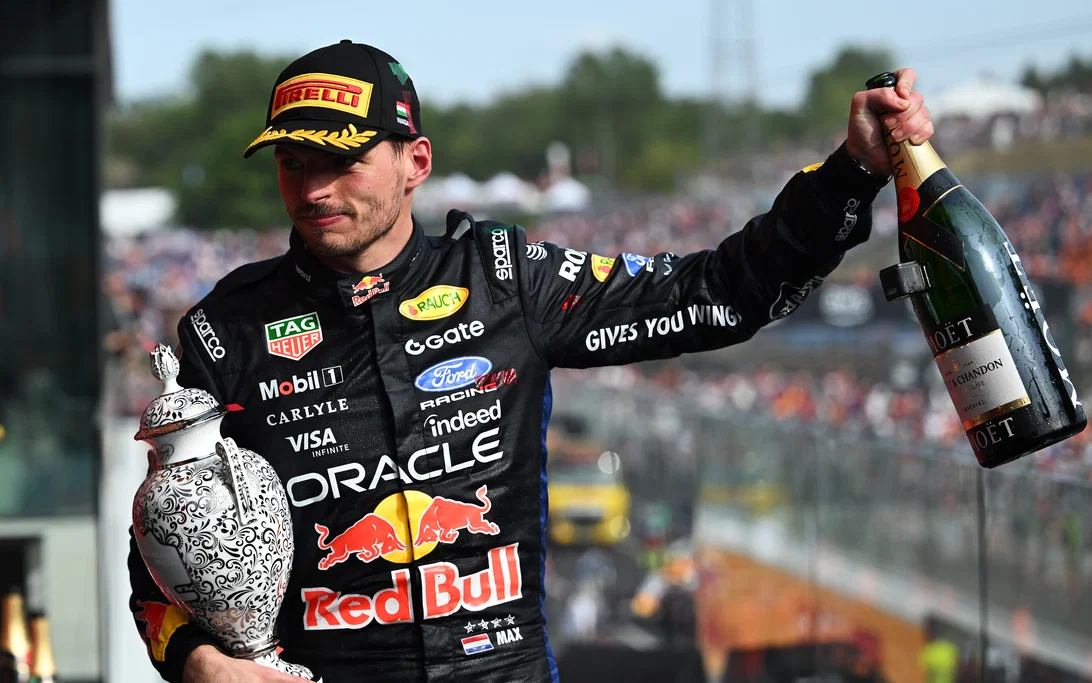
Max Verstappen is still chasing his first F1 win of 2026 as he looks to preserve a streak of winning at least one Grand Prix every season since 2016.
 Continue with Google
Discussion (0)
Join the Discussion!
Sign in easily to start commenting, replying, and interacting with other readers.
Latest Comments
No comments yet. Be the first!