









Formula 1, Sportrik Media - Liam Lawson has outlined the significant technical challenges he faces adapting to Formula 1’s 2026 regulations, identifying battery management and reduced aerodynamics as the most complex aspects ahead of the Australian Grand Prix.
The New Zealander begins his second full campaign with Racing Bulls after being retained for 2026 following a turbulent 2025 season. Lawson initially started last year with Red Bull Racing alongside Max Verstappen, before being demoted after two grands prix. It took time to recalibrate, but consistent progress later in the year secured his place on the grid.
The 2026 season marks a fundamental reset for Formula 1, with power units now operating on a 50-50 split between internal combustion and electrical energy, combined with the introduction of 100% sustainable fuels. The shift significantly alters energy deployment strategies, placing far greater emphasis on electrical harvesting, storage and release over a lap.

Lawson has pinpointed battery management as the most demanding area in the early phase of adaptation.
“Battery management is definitely the most challenging aspect to understand. It’s very different from last year, much more sensitive, particularly when it comes to preparing the battery for a qualifying lap and managing over a longer stint,” Lawson explained.
Beyond the power unit changes, the 2026 cars generate less aerodynamic downforce, making them inherently less forgiving and more dependent on mechanical balance and driver precision.
“On top of that, the cars have significantly less aero, which makes them more difficult to drive and less forgiving overall,” he added.
Preparation for the regulatory shift began early in 2025, giving drivers theoretical insight into what to expect. However, Lawson acknowledged that real-world application remains a learning process once on track.
“We became aware of the new regulations early last year and began preparing straight away. By the time I first drove the new car, I had a solid understanding of what to expect and the key differences between the 2025 and 2026 cars. But when you get in the car, you are definitely still learning how to optimise.”
Pre-season testing in Bahrain underlined the complexity of energy management, with several drivers expressing concerns about balancing battery deployment across a qualifying lap and maintaining consistency over race distance. The reduced fuel flow and stricter efficiency targets mean small miscalculations can have a measurable impact on lap time.
Lawson admitted that setting concrete targets for the opening phase of the season remains difficult due to limited clarity over competitive order.
“It’s still difficult to say where we stand, as we don’t yet have a clear picture of our true pace. Of course, the objective is to score points, but on a personal level, my focus is on extracting the maximum from myself and delivering the best possible performance every time I’m in the car.”
With 24 races on the calendar, early adaptability could prove decisive in shaping championship trajectories. For Lawson, mastering battery sensitivity, understanding reduced aero characteristics, and optimising race energy strategy will define his opening chapter in Formula 1’s new era as attention shifts to Melbourne for the season opener.
Baca Juga
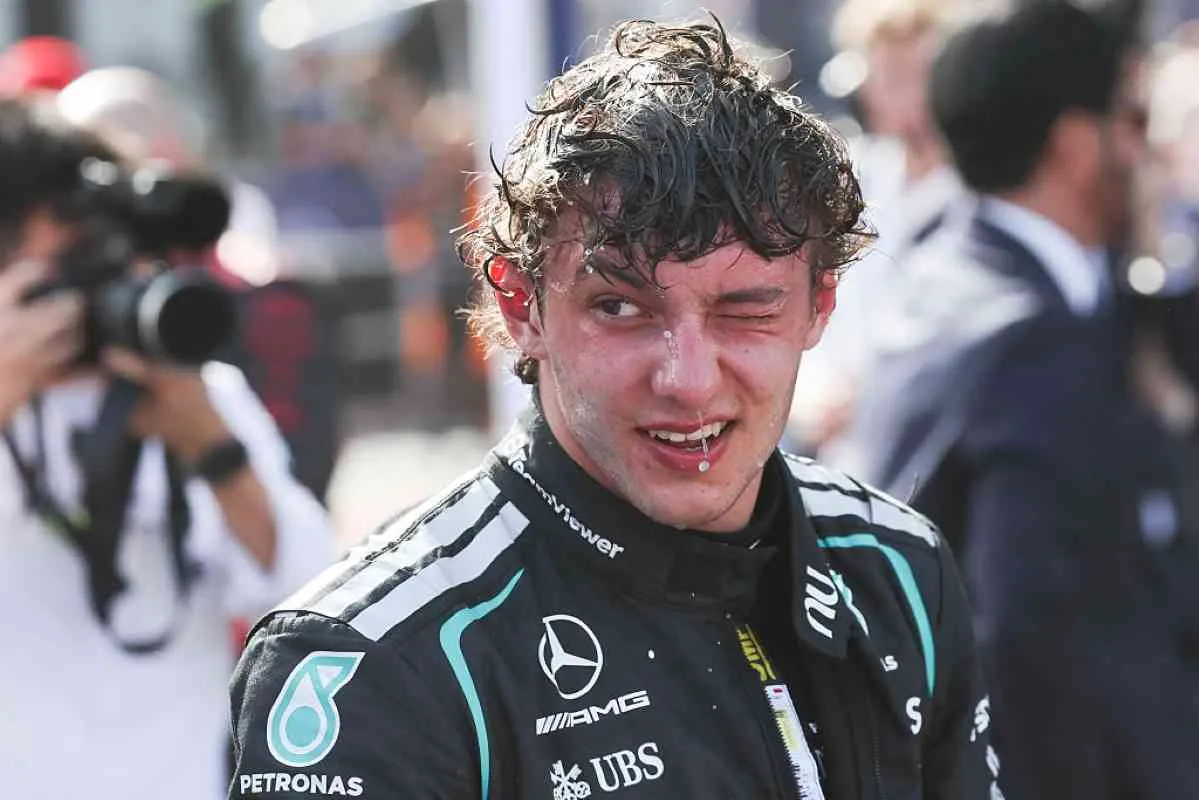
Simak perkembangan terbaru sengketa hukum antara Giovanni Minardi dan Kimi Antonelli terkait tuntutan komisi kontrak F1. Baca analisis mendalam di sini
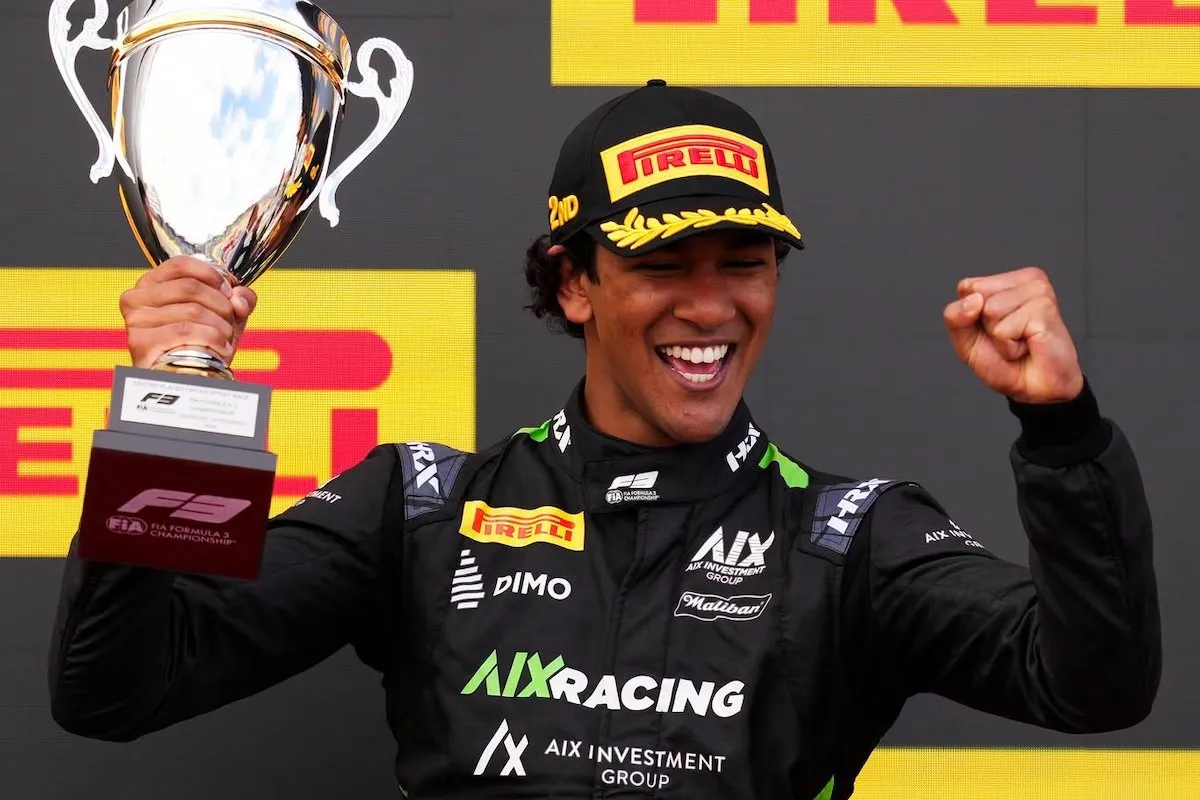
Van Amersfoort Racing mantap menatap F3 2027 dengan merekrut Yevan David dan Enzo Deligny. Simak ulasan lengkap perombakan skuad ini di sini!

Simak analisis lengkap komentar Andrea Kimi Antonelli soal kebangkitan Max Verstappen di F1 2026. Baca selengkapnya di Sportrik Media.
 Lanjutkan dengan Google
Diskusi & Komentar (0)
Mari Bergabung dalam Diskusi!
Masuk dengan mudah untuk mulai memberikan komentar, membalas, dan berinteraksi dengan pembaca lainnya.
Komentar Terbaru
Belum ada komentar. Jadilah yang pertama!