







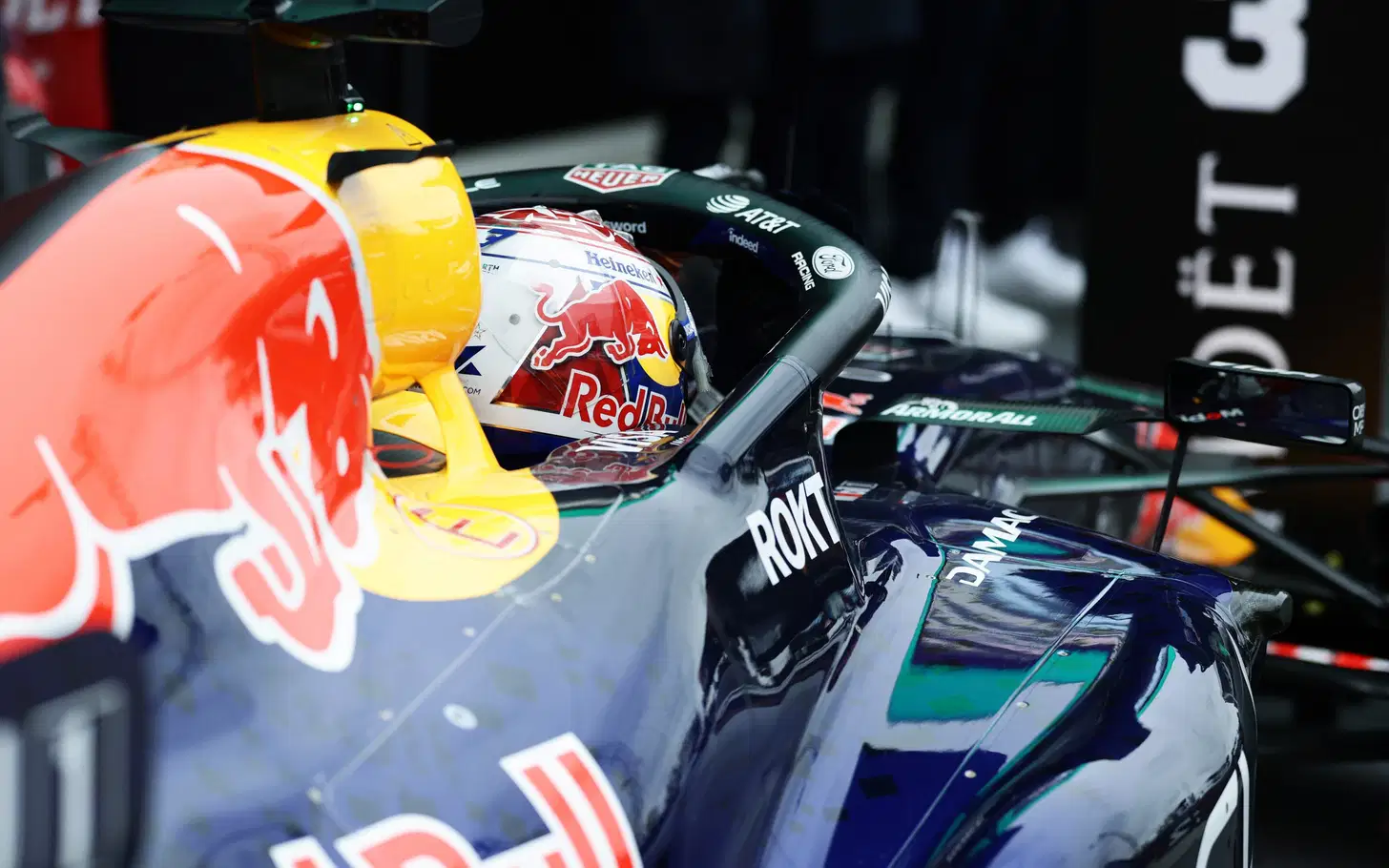

The premier Milton Keynes-based racing stable, Red Bull Racing, is projected to face severe operational and engineering hurdles to maintain a competitive baseline at the upcoming Monaco Grand Prix. According to reports compiled by RacingNews365, the engineering crew is currently locked in a critical battle to overcome a clear performance deficit inherent to their current RB22 chassis specification. At the previous round in Montreal, the vehicle's pure mechanical pace fell significantly short, tracking as merely the fourth-fastest car on the grid behind the dominant setups of Mercedes, McLaren, and Ferrari—a data point that raises immense concern over their championship defence.
While team leader Max Verstappen managed to salvage his first podium finish of the campaign by crossing the line in third position in Canada, data analysis suggests the result is deceptive. Former IndyCar driver James Hinchcliffe emphasized that Verstappen's podium entry was heavily aided by external track events, specifically George Russell's mechanical DNF and a double strategic blunder executed by the McLaren pit wall. In terms of uncompromised speed, the RB22 proved defenseless against Lewis Hamilton, who wiped out an eight-second gap during the final stint, confirming that the vehicle lacks absolute stability.
Chassis Compliance Deficits and High-Oscillation Kerb Demands
The fundamental technical issue hamstringing the team's engineering department centers on the vehicle's structural compliance over uneven track surfaces. Verstappen has consistently complained regarding the severe mechanical stiffness of the suspension geometry when attacking track bumps and kerbs—a core performance variable required to unlock single-lap qualifying times around the tight walls of Monte Carlo. Monaco's unforgiving layout demands immense vertical compliance from the dampers, allowing drivers to lean heavily on the car through low-speed apexes without inducing abrupt loss of control.
F1 analyst and former GP2 champion Jolyon Palmer observed that the team's solitary positive takeaway stemmed from a radical setup adjustment executed between the Sprint and the main qualifying hour in Canada. During that brief operational window, engineers discovered a calibration baseline that introduced a noticeable chunk of chassis compliance. Sector telemetry verified that Verstappen and his new rookie teammate, Isack Hadjar, instantly generated highly competitive times through the opening sector, offering a glimmer of tactical hope for the team's design department.
Chassis Mass Penalties and Constructors' Position Constraints
Compounding the suspension geometry difficulties, internal factory audits have confirmed that the RB22 chassis is currently operating above the minimum weight threshold mandated by the FIA technical regulations. This excess mass introduces a natural lap-time penalty estimated at roughly two-tenths of a second per lap, an asymmetrical disadvantage that severely damages their point collection capabilities in the constructors' championship standings. Lacking the structural freedom to flexibly redistribute ballast to optimize the car's center of gravity, mitigating front-tyre degradation through Monaco's tight hairpins will prove a critical challenge.
"The only saving grace for Red Bull I saw was the change they made from the Sprint to qualifying, where they found a good chunk of compliance," Palmer noted during his evaluation on the F1 Nation podcast. This adaptive engineering capability must be fully utilized from the opening minutes of Friday's free practice to ensure that Hadjar and Verstappen do not start the weekend on the back foot. Should their latest active aerodynamic mapping fail to dampen the mechanical turbulence generated by track undulations, Red Bull Racing risks losing further ground to their three primary front-running rivals.
Read Also
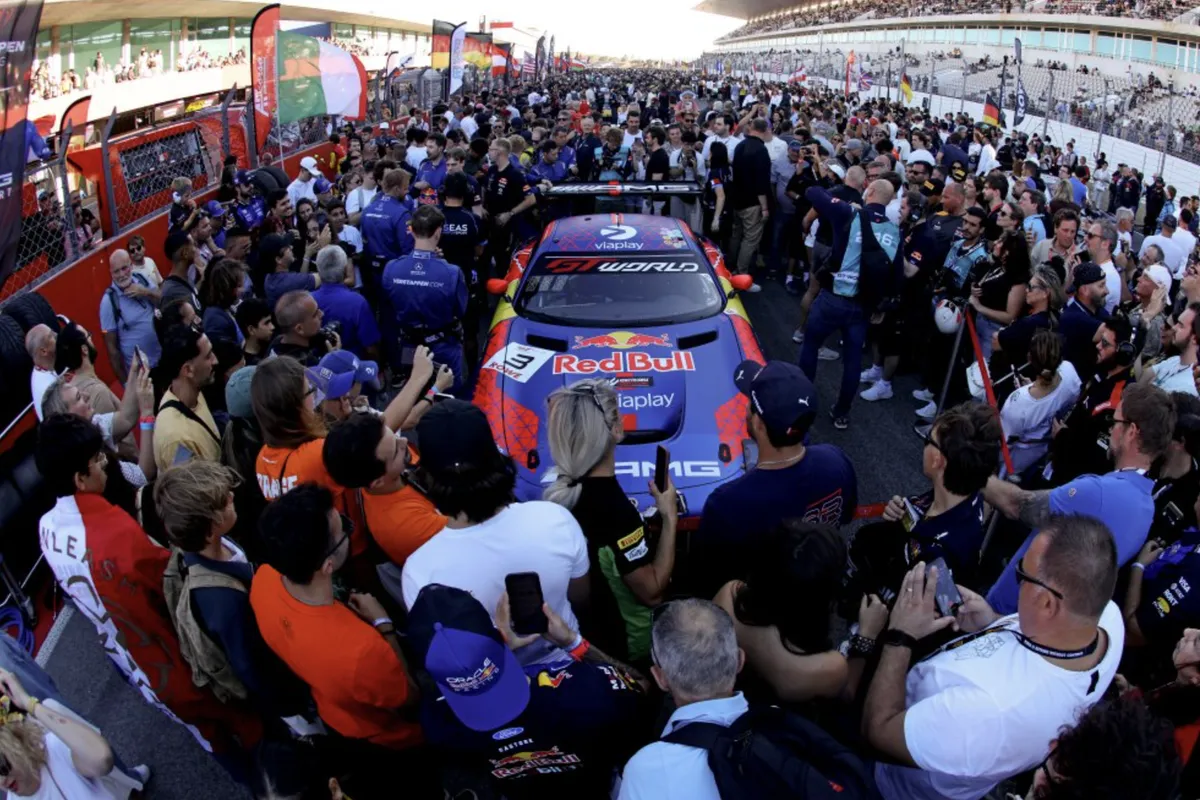
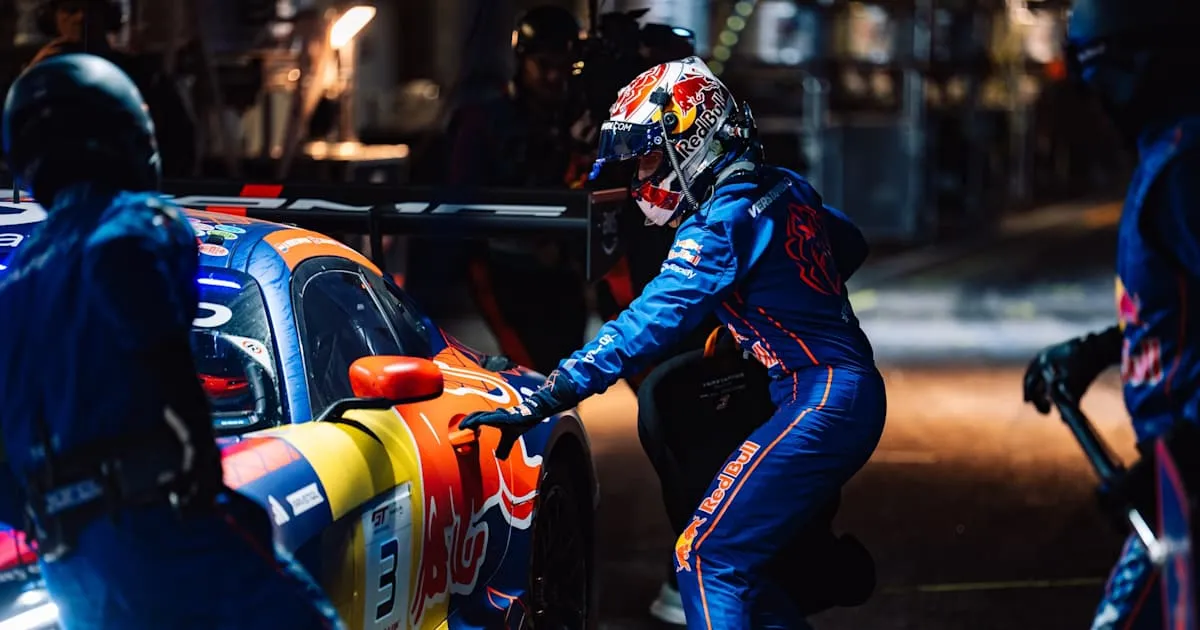
Simak analisis lengkap aksi epic Max Verstappen finis 9 besar di GT World Challenge Portimao setelah lolos dari penalti. Baca berita selengkapnya di sini!
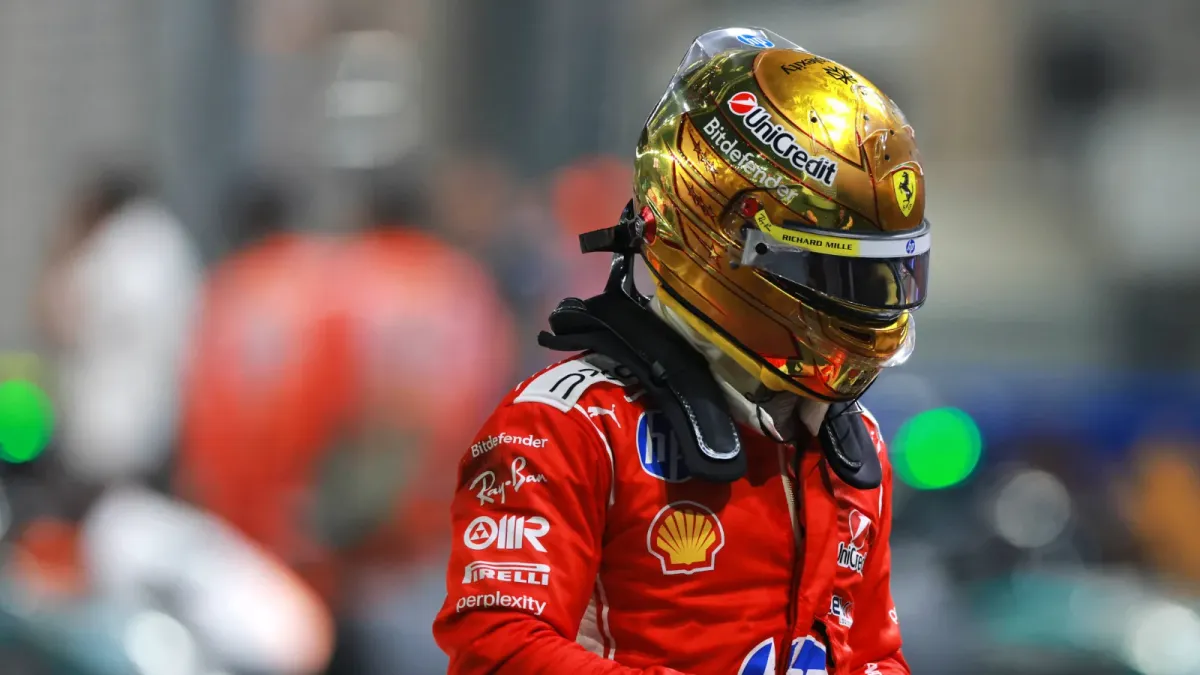
Simak analisis mendalam krisis strategi Lewis Hamilton dan Ferrari di F1 2026 serta tuntutan evaluasi total. Baca selengkapnya di sini!
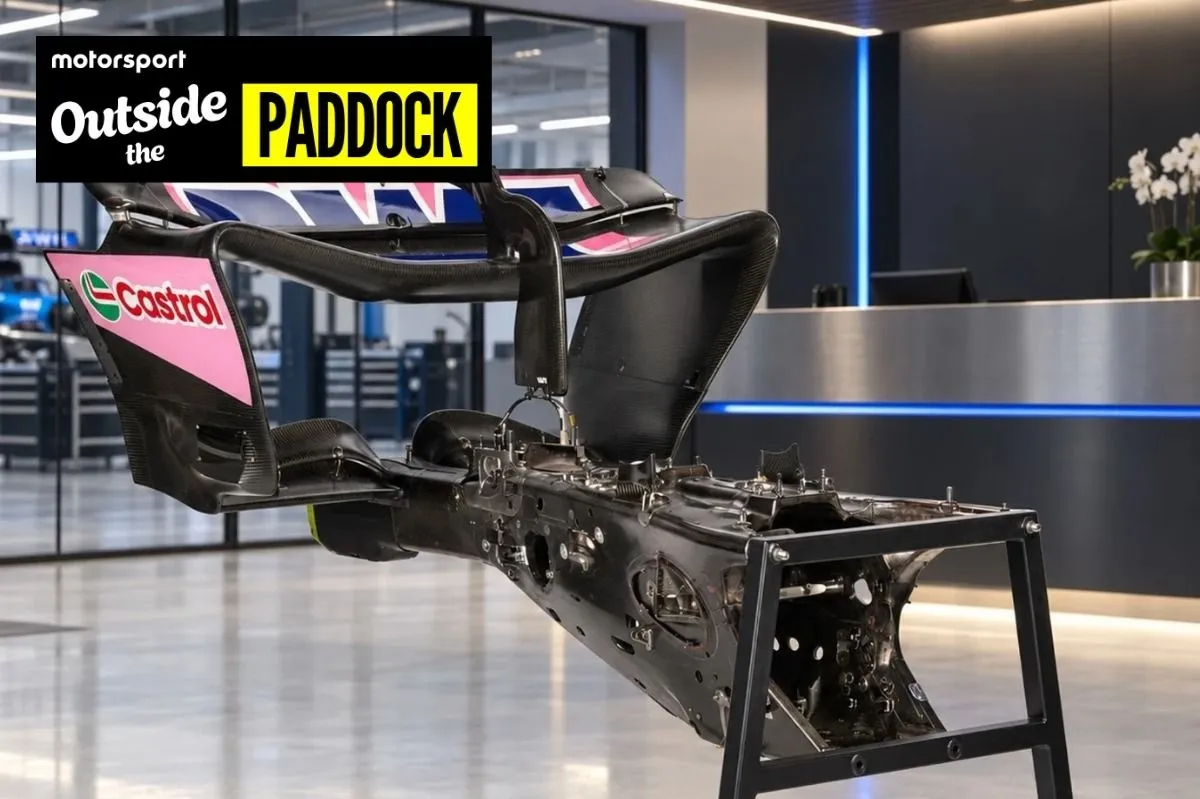
Komponen girboks dan sayap belakang Alpine F1 2024 resmi dilelang untuk kolektor. Cek detail lelang dan spesifikasi lengkapnya di sini!
 Continue with Google
Discussion (0)
Join the Discussion!
Sign in easily to start commenting, replying, and interacting with other readers.
Latest Comments
No comments yet. Be the first!