







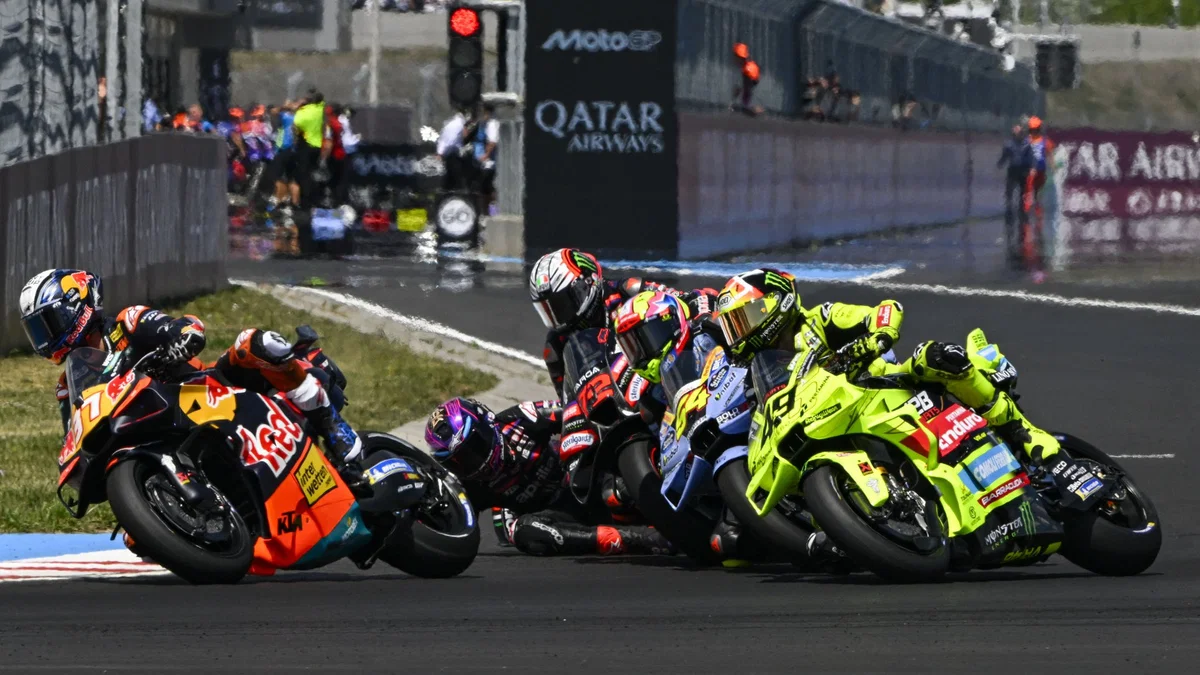

The technical debate surrounding premier-class mechanical safety regulations has intensified significantly following a severe multi-bike collision at the Balaton Park Circuit. Aprilia Racing CEO Massimo Rivola has delivered a critical operational assessment, validating that overreacting by implementing an immediate ban on ride height devices without proper data evaluation constitutes a fundamental engineering error. This cautious posture comes despite three of his factory-backed RS-GP assets being simultaneously destroyed on the opening lap of the 2026 Hungarian Grand Prix due to a braking miscalculation executed by Jorge Martin.
The chain-reaction crash at Turn 1 served as the primary catalyst for multiple riders, including KTM's Jack Miller, to renew calls for the immediate removal of these hydraulic chassis-lowering systems ahead of the mandated 2027 technical overhaul. The Hungarian tracking disaster marks the second major initial-lap pile-up in three rounds, following a similar structural crash involving Johann Zarco in Barcelona. This operational reality has forced the FIM and Dorna safety commissions to evaluate a proposed ban on ride height devices effective after the summer break, alongside potential modifications to initial grid spacing density parameters.
Despite being historically recognized as one of the most vocal manufacturer authorities against the proliferation of complex mechanical devices, Rivola firmly rejected making rushed technical adjustments without exhaustive telemetry benchmarking. "We are speaking to MotoGP, to them, to see what is good to improve the safety. You know that historically, again, against any kind of devices, but I don't like to overreact," Rivola analytically detailed during his technical briefing with on-site media representatives.
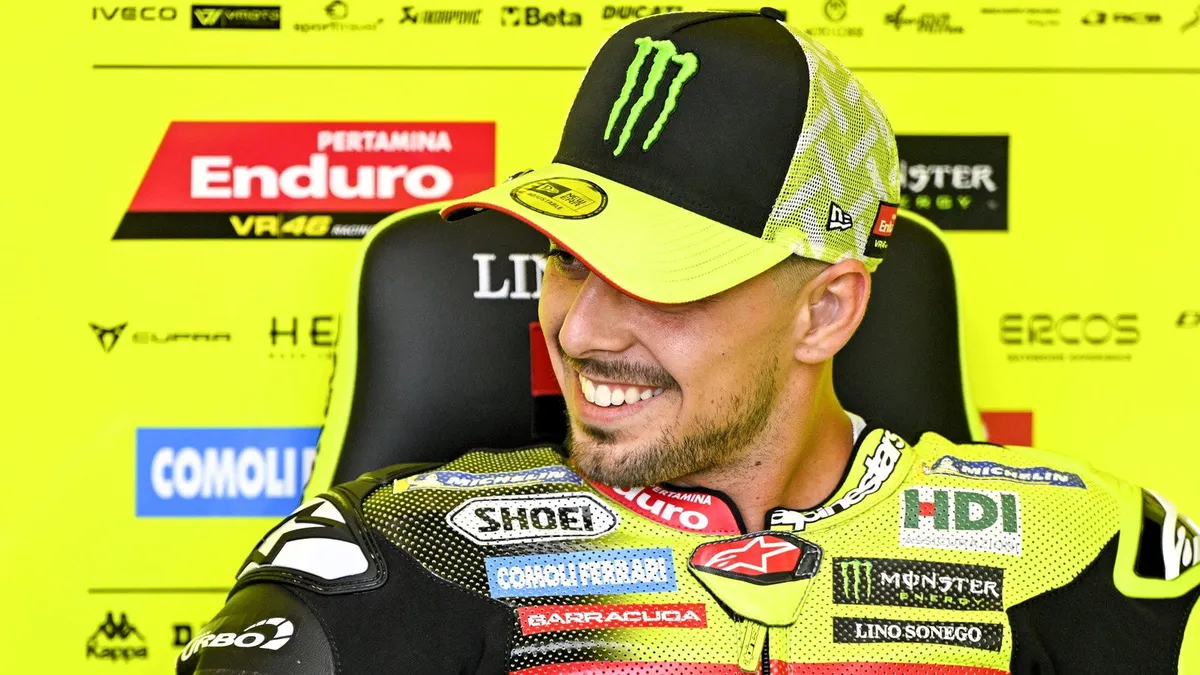
"I think we should do things properly, because then I give you the question: If before the race we ban the front device and you see this kind of crash, then we start saying, ‘Oh, the front device was safer’. So I think we need to do things properly, testing a few times how does it work without. Making less density at the first corner maybe can help. But overreacting is the easy mistake that we can do. So we need to be careful," the Italian executive added, mapping out the technical risk-management parameters of contemporary prototype chassis.
Beyond his defense of structured technical governance, Rivola placed the operational accountability squarely on Martin for obliterating the pure point-scoring baseline of current world championship leader Marco Bezzecchi and Trackhouse Racing entry Raul Fernandez. Rivola classified Martin's handling error within the heavy deceleration zone as a fundamental mistake that a world champion rider should never execute. Following this severe driving infraction, the FIM MotoGP Stewards have officially issued a double long lap penalty to be served by the Spanish rider at the upcoming Czech Grand Prix.
Furthermore, Rivola dismantled paddock speculation suggesting that contemporary aerodynamic configurations create extreme overtaking barriers that forced Martin into high-risk entry trajectories to gain track position. He verified that the RS-GP package retains sufficient lateral rotation capabilities to advance tracking positions cleanly under green-flag conditions. Rivola highlighted the competitive integration of their satellite asset Ai Ogura—who consistently executes clear overtaking maneuvers past ten riders per race weekend—as empirical proof that Aprilia's current aerodynamic profile does not compromise tracking maneuverability.
Read Also
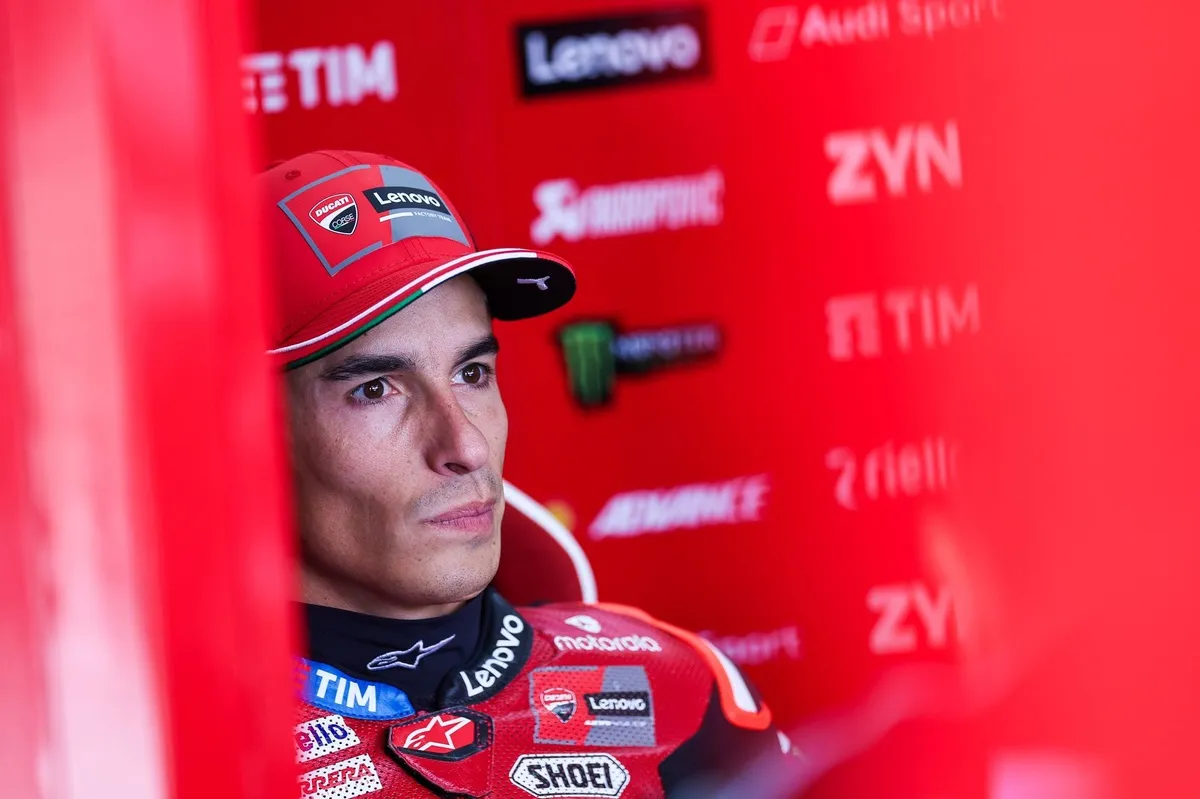
Marc Marquez posts photo of his swollen shoulder, signaling a communication strategy shift after a tough Silverstone weekend.
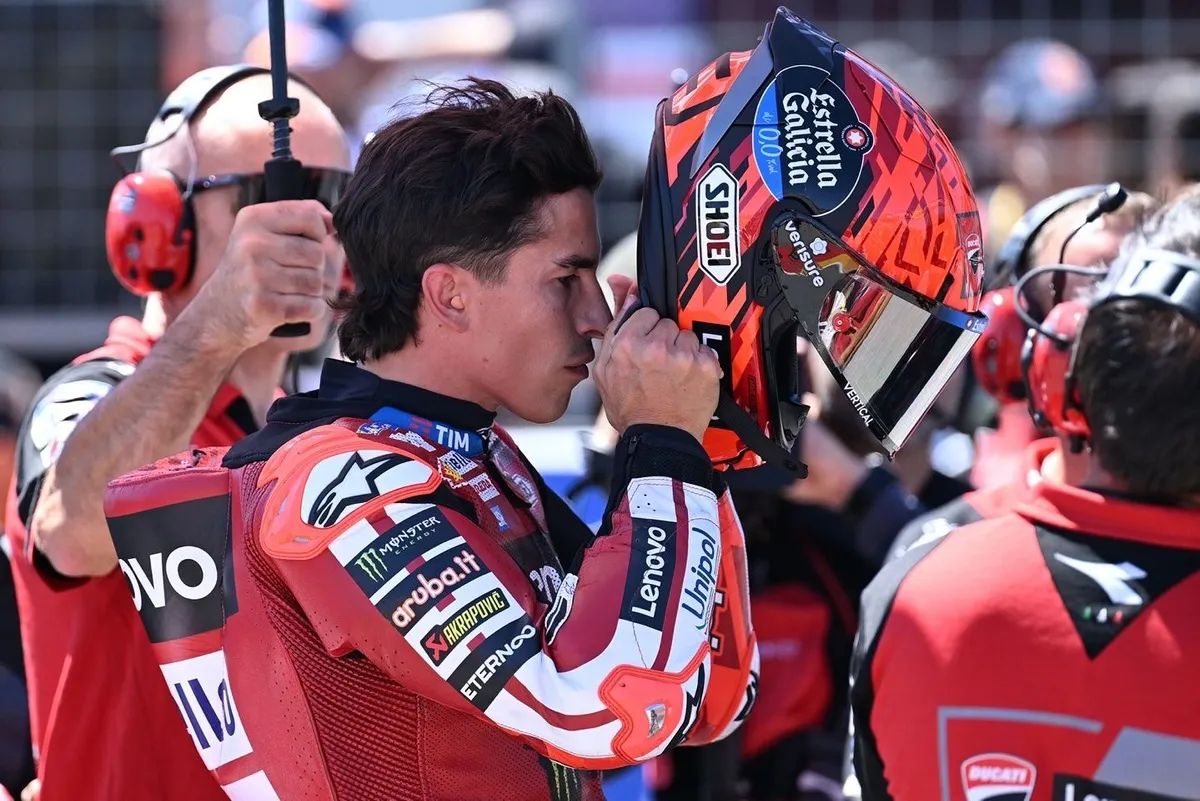
Marc Marquez posts a revealing photo of his injured shoulder, a strategic move that highlights the physical challenges affecting his MotoGP performance.
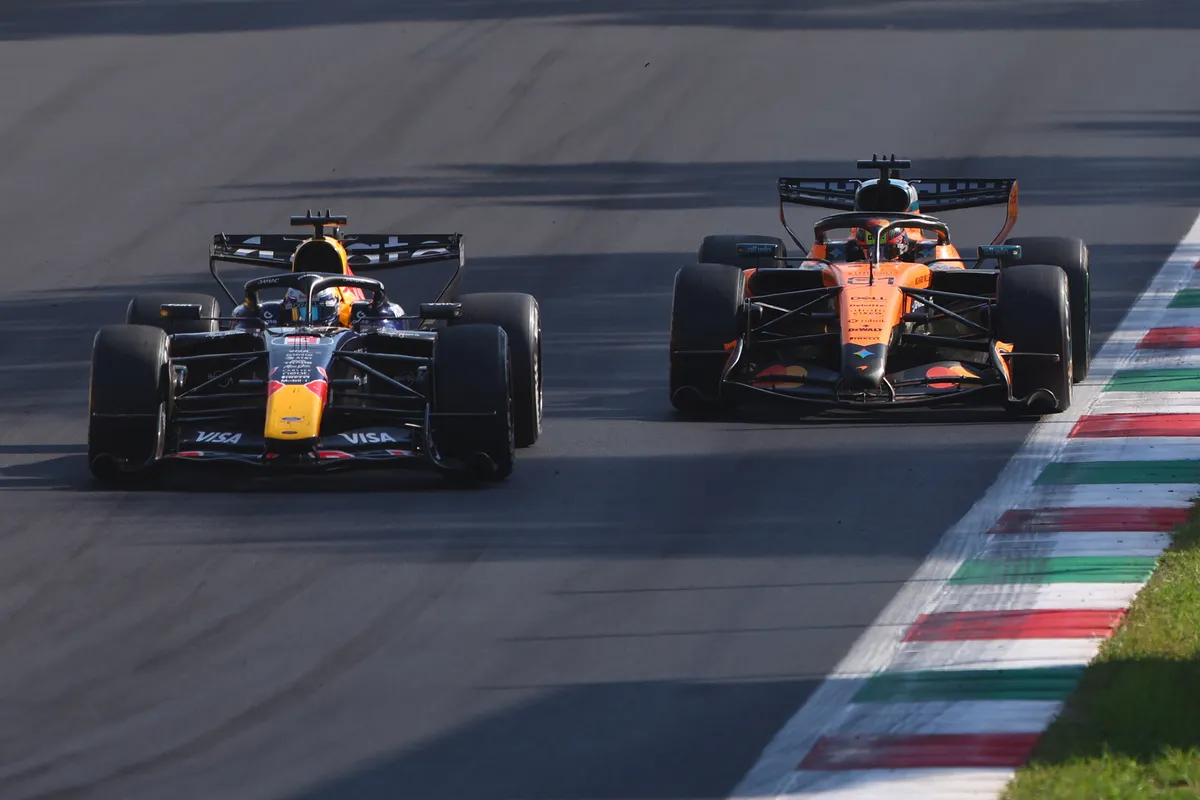
Liberty Media issues $600M convertible notes to manage debt and support operations of Formula 1 and MotoGP. Interest at 2.375%, due 2032.
 Continue with Google
Discussion (0)
Join the Discussion!
Sign in easily to start commenting, replying, and interacting with other readers.
Latest Comments
No comments yet. Be the first!