







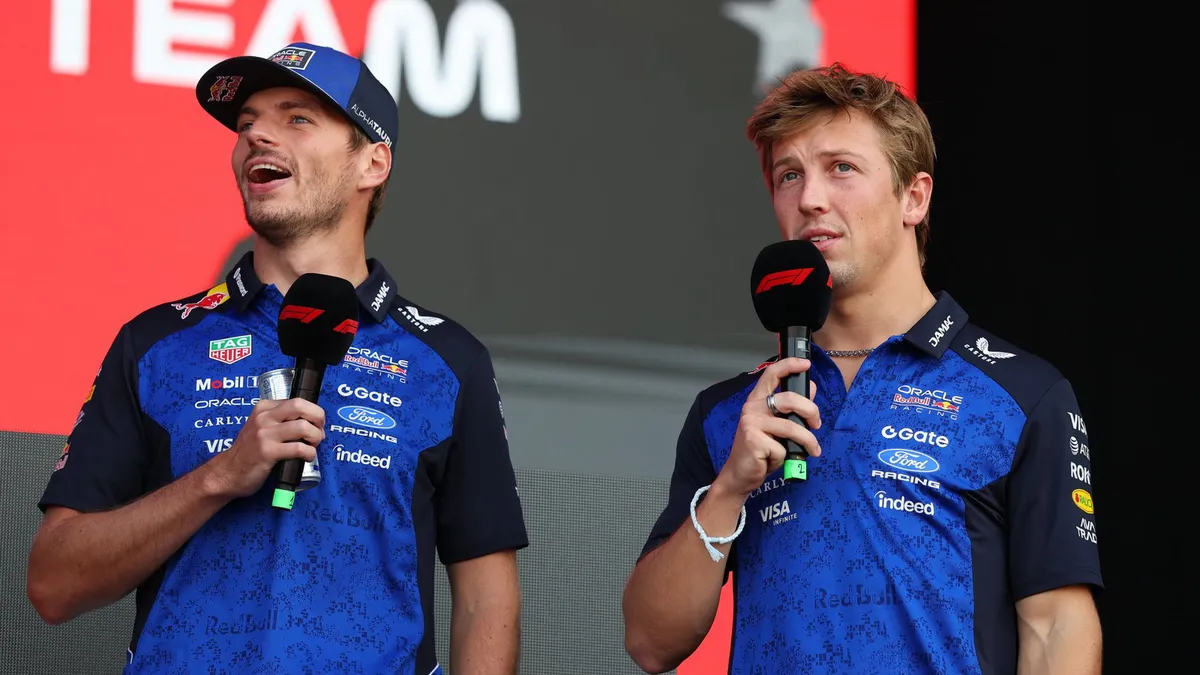

Liam Lawson and Yuki Tsunoda have responded to Max Verstappen's claim that Formula 1's 2026 cars have made driver input less important. Verstappen's comments have sparked debate about the nature of the new-generation F1 machinery, which relies more on energy management than traditional driving styles.
Verstappen, a four-time world champion, criticised the new power units, saying they reduce the driving challenge. He even cited Lawson and Tsunoda's performances as stand-ins at Red Bull and Racing Bulls to illustrate his point, arguing that the cars are "numb" to driver inputs, allowing drivers to be immediately competitive even in unfamiliar machinery.
"In the history of the sport, normally the driver that is the most committed, the latest on the brakes, earlier on throttle, committing in the high-speed corners, they get rewarded because you just gain that time in the corner," Verstappen told the BBC. "But now you're constantly thinking about, 'In this corner I might have to hold in a bit. Go later on throttle. Or brake earlier. Or lift off. And then I have more top speed.' Stuff like that. It's so unnatural. It's so not how it should be."
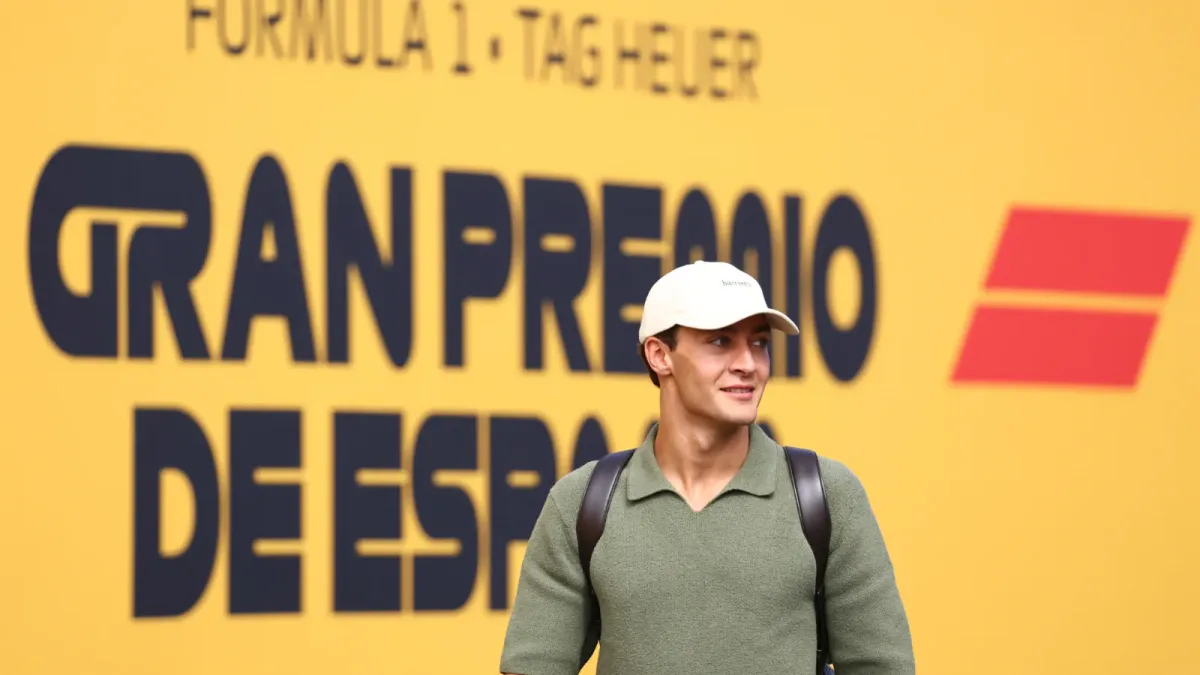
In response, Lawson did not entirely agree with Verstappen. He acknowledged that the new cars are complex in terms of energy management but not necessarily simpler. "It's something that the cars in general, they're not simpler, because they're actually quite complicated in the way that the energy is," Lawson said. "But sometimes I can understand, I feel like there's things that are maybe less in our control with the way the energy is."
Lawson added that he and Tsunoda are the only ones who truly know what it's like to adapt to a new car quickly. "Myself and Yuki that have jumped in these cars, we're really the only ones that know what it's like to try and get up to speed in a new car," he continued. He also noted that the gaps between teams are bigger this year, which could suggest the cars are easier to adapt to. However, he stressed that personal preferences and comfort in the car play a huge role, and those are not simple on paper.
Meanwhile, Tsunoda shrugged off the comments. "It's his comments, so... I don't know. I really just read it, to be honest. That's it," said the Japanese driver, who scored a point last time out at Monza. He chose not to dwell on the controversy and focused on his own performance.
Verstappen's remarks and the responses from Lawson and Tsunoda highlight the challenges of the new F1 era set to begin in 2026. The technical regulations emphasise energy efficiency and sustainable fuels, changing how drivers extract performance. Such discussions are natural, especially when a driver of Verstappen's calibre feels his aggressive style is being eroded by technical necessities. However, for Lawson and Tsunoda, adaptation is key, and they prove that the ability to read the car remains crucial, even when the car feels more "docile".
Read Also
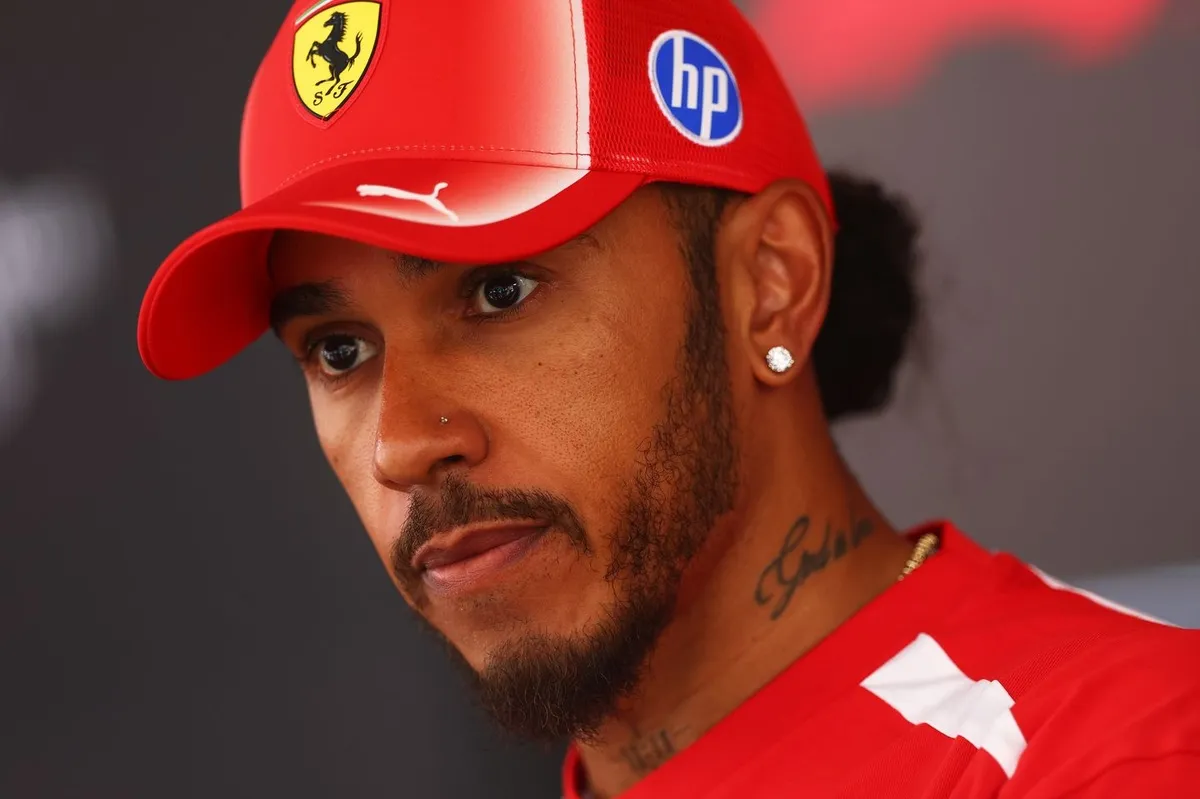
Lewis Hamilton rejects Ferrari priority despite better title odds than Charles Leclerc. Focus on teamwork and consistency in F1 2026.
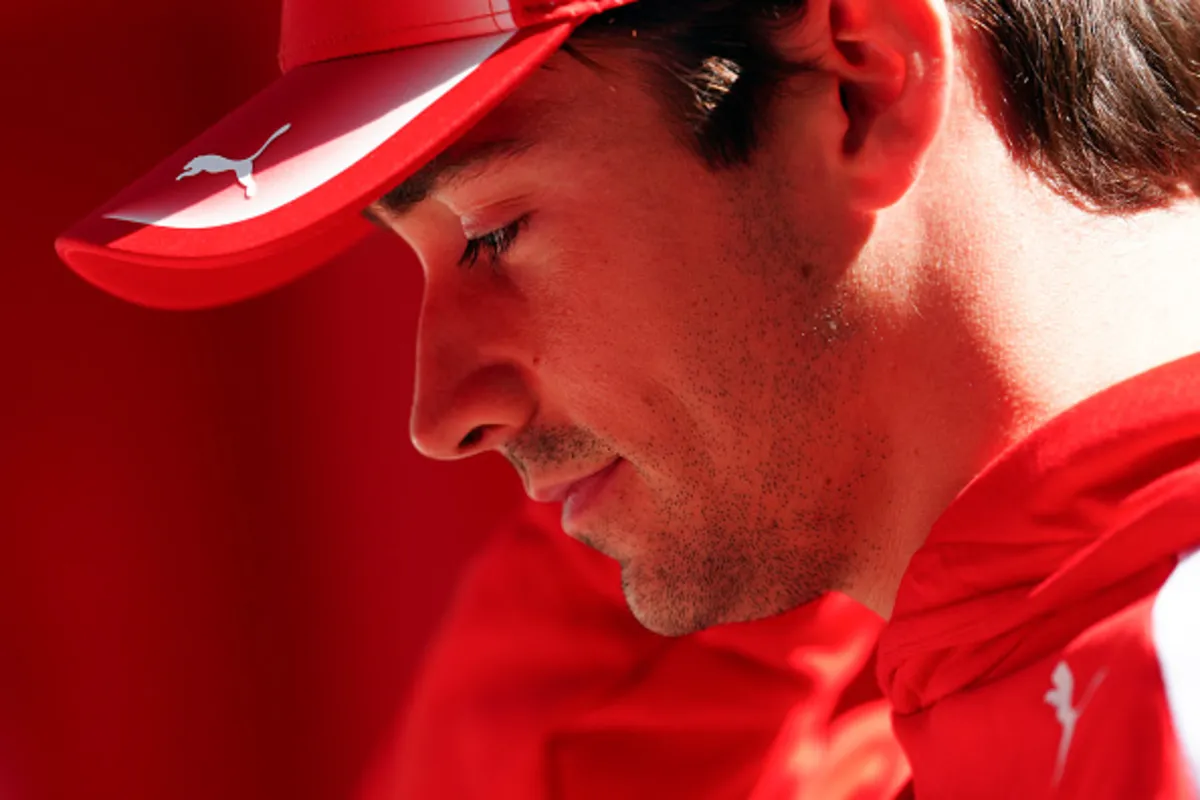
Charles Leclerc accepts blame for the start incident with Lewis Hamilton at the Italian GP in Monza. The two have cleared the air and are focused on the next race.
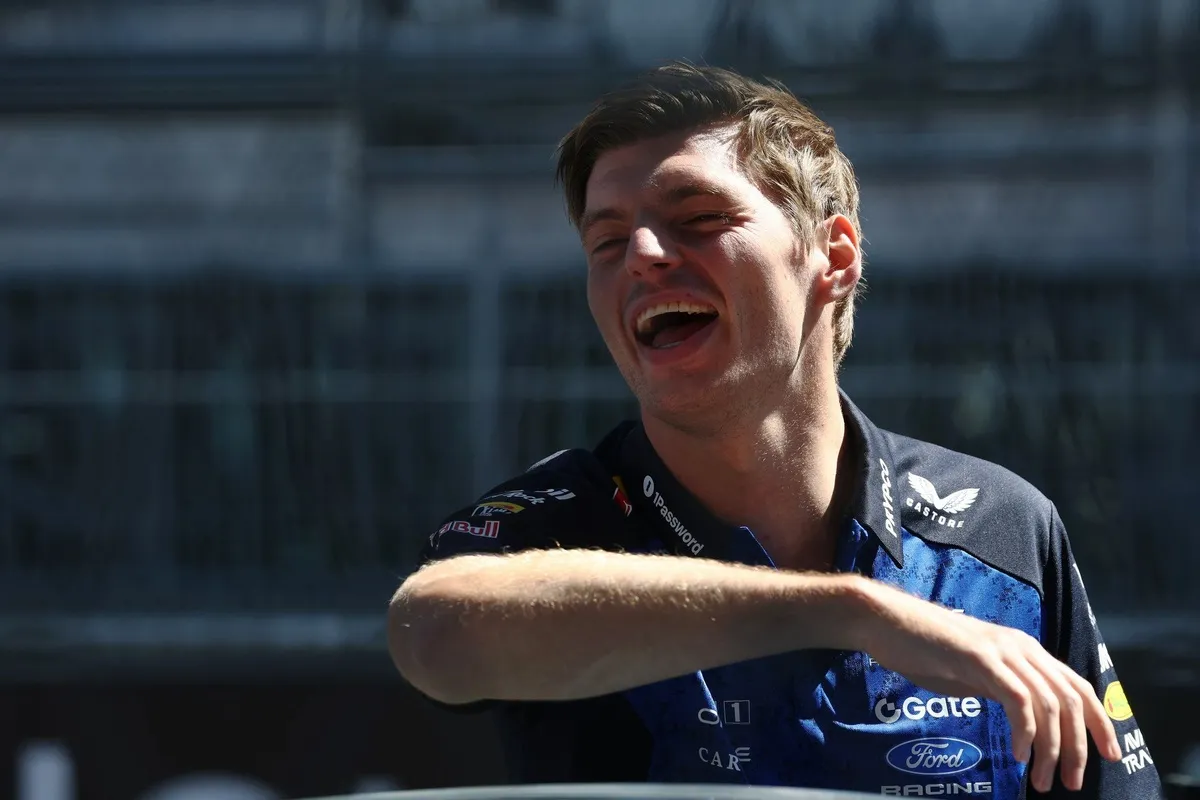
Max Verstappen jokes about his Red Bull seat for Robin Raikkonen, Kimi's son, who just joined Red Bull Junior Team. Read more on Sportrik.
 Continue with Google
Discussion (0)
Join the Discussion!
Sign in easily to start commenting, replying, and interacting with other readers.
Latest Comments
No comments yet. Be the first!