







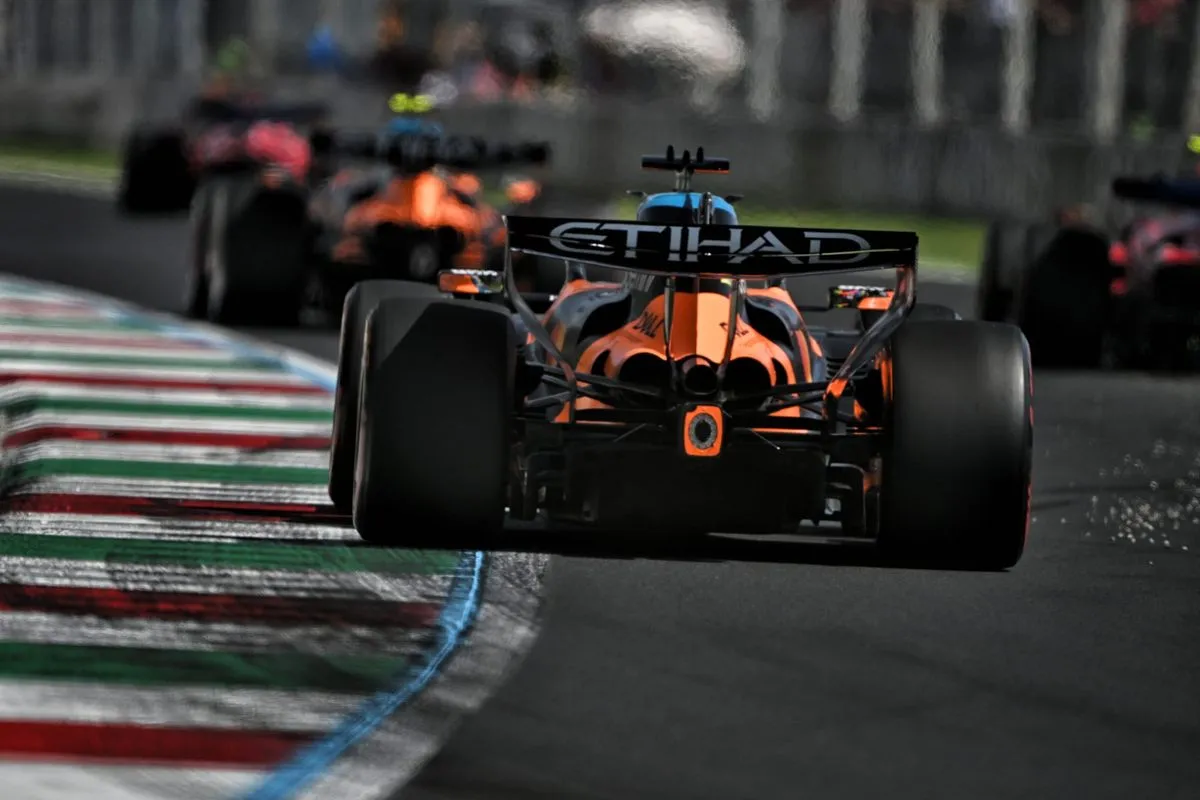

Monza has always had a special allure on the Formula 1 calendar. Known as the 'Temple of Speed', this circuit demands a low-drag aerodynamic package while retaining as much downforce as possible. However, legendary technical analyst Gary Anderson reminds us that corners are still corners, and speed there is key to a competitive lap time.
Top speed at Monza this year slightly exceeds 340 km/h, and at the end of every straight, drivers face varying levels of braking. From that speed, they must reduce to 80 km/h in just over a second or 100 metres. Rear-end stability and consistent brake balance are crucial.
When the rear wing closes from straight mode (low drag) to cornering mode (high downforce), rear-end stability must be immediate. That is the moment drivers hit the brake pedal with everything they have. After that, the big challenge is to reduce pedal pressure in line with grip reduction and then thread the needle at corner entry. One metre too late, you lose a couple of tenths; two metres too late, you take a trip across the runoff and lose seconds.
Aero Dilemma Amidst Rival Dominance
Gary Anderson highlights that McLaren is finally happy with its 180-degree rotating rear wing, or H-wing. After extensive testing, the Woking-based team shows commendable discipline: do not put parts on the car unless confident the goals have been met. This is a key lesson in the tight championship battle.
Anderson also notes changes to the linkage geometry and the length of the middle link on McLaren's rear wing. These changes may be to suit the wing specification between Zandvoort and Monza, or to alter the opening size or speed of opening and closing. Unfortunately, camera angles do not allow close-up comparison of the wing in the open state, as cars travel at around 300 km/h.
The Big Gamble Behind New Aero Packages
Gary Anderson emphasizes that the power unit with its electrical harvesting and distribution is more important than the driver. However, he still believes drivers earn their keep. With the levels of anti-dive on the front suspension and anti-lift on the rear suspension that most cars run to control pitch for aerodynamic stability, drivers have very low feedback during braking.
This is the biggest challenge: how do teams find solutions that work and work well enough to give drivers confidence to brake one metre later? The answer may lie in small details often overlooked, but they have a huge impact on performance at a circuit like Monza. Will this new aero package be the key to victory or a costly blunder? We'll have to wait and see on track.
Read Also
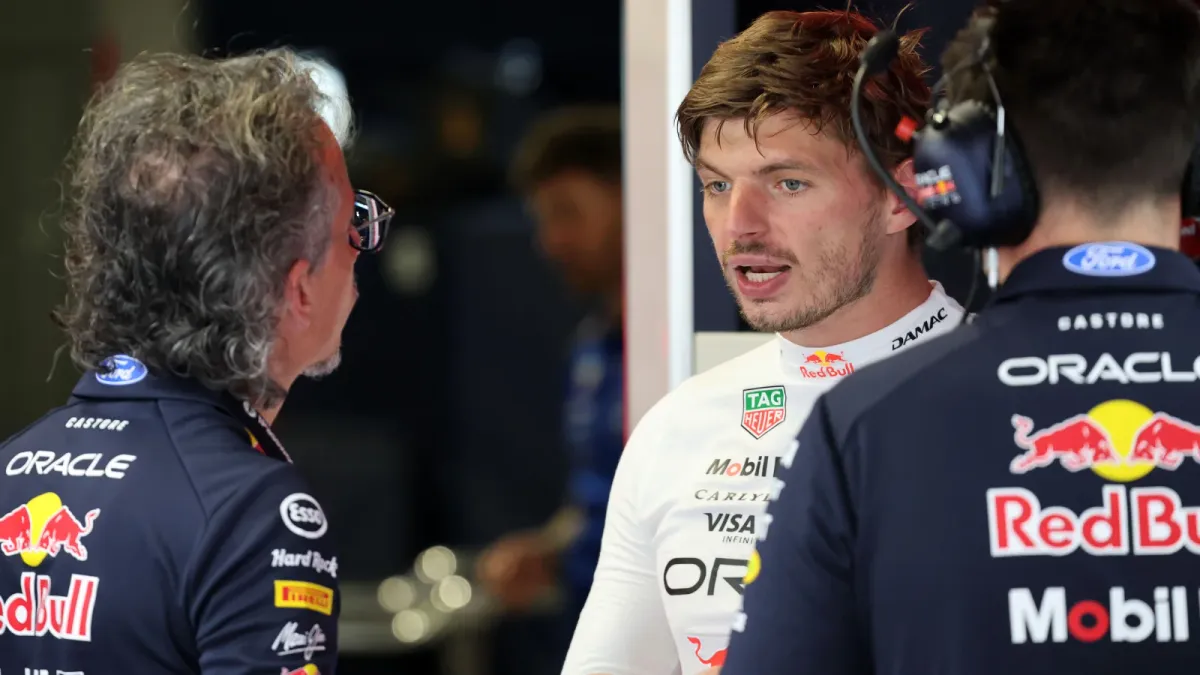
Max Verstappen blames rear axle failure on Red Bull for disappointing F1 Monza qualifying. What does it mean for the race?
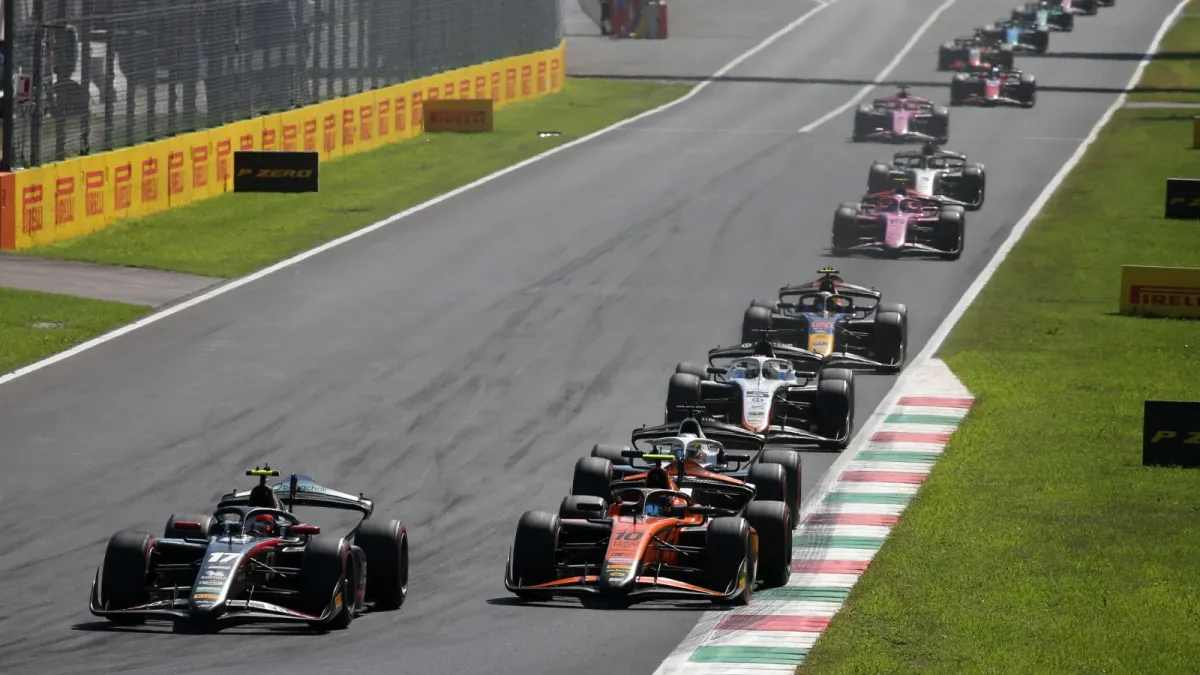
Joshua Durksen wins F2 Feature Race at Monza, Invicta score 1-2. Full results and championship impact inside.
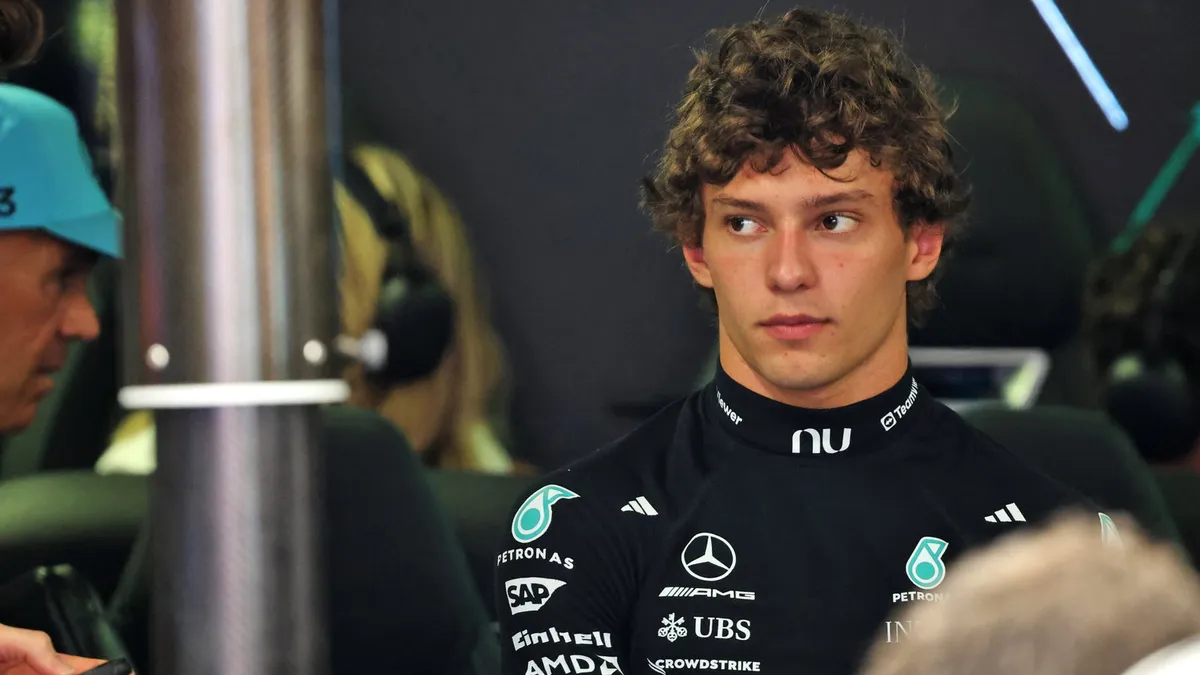
Kimi Antonelli is 'ready to fight' at the Italian GP after helping George Russell in Monza qualifying. Read the analysis of Mercedes' strategy and battle.
 Continue with Google
Discussion (0)
Join the Discussion!
Sign in easily to start commenting, replying, and interacting with other readers.
Latest Comments
No comments yet. Be the first!