







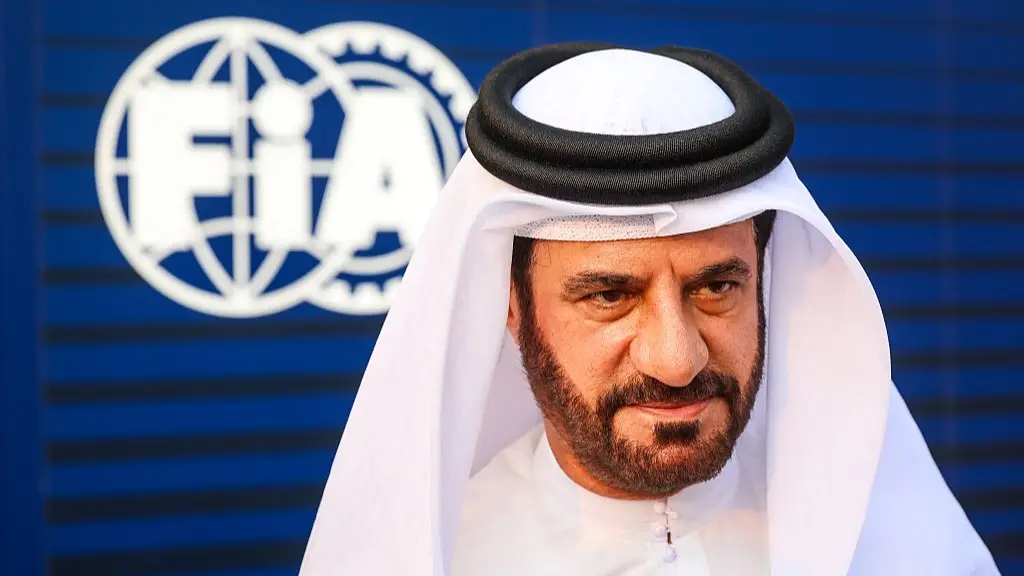

Mohammed Ben Sulayem has stated that Formula 1 is targeting a return to V8 engines by 2030, marking a significant shift in technical direction following the current hybrid era under the governance of the FIA.
The proposal emerges amid ongoing criticism of the V6 turbo hybrid power units introduced in 2014 and set to continue under the 2026 regulations, which feature a 50:50 split between combustion and electrical power. The complexity of energy management and deployment systems has been identified as a limiting factor for racing quality and cost efficiency.
Ben Sulayem emphasised that the FIA holds the regulatory authority to enforce such a transition, even without full agreement from power unit manufacturers. Under current rules, this authority becomes effective from 2031, although the governing body is aiming to introduce the change a year earlier in 2030.
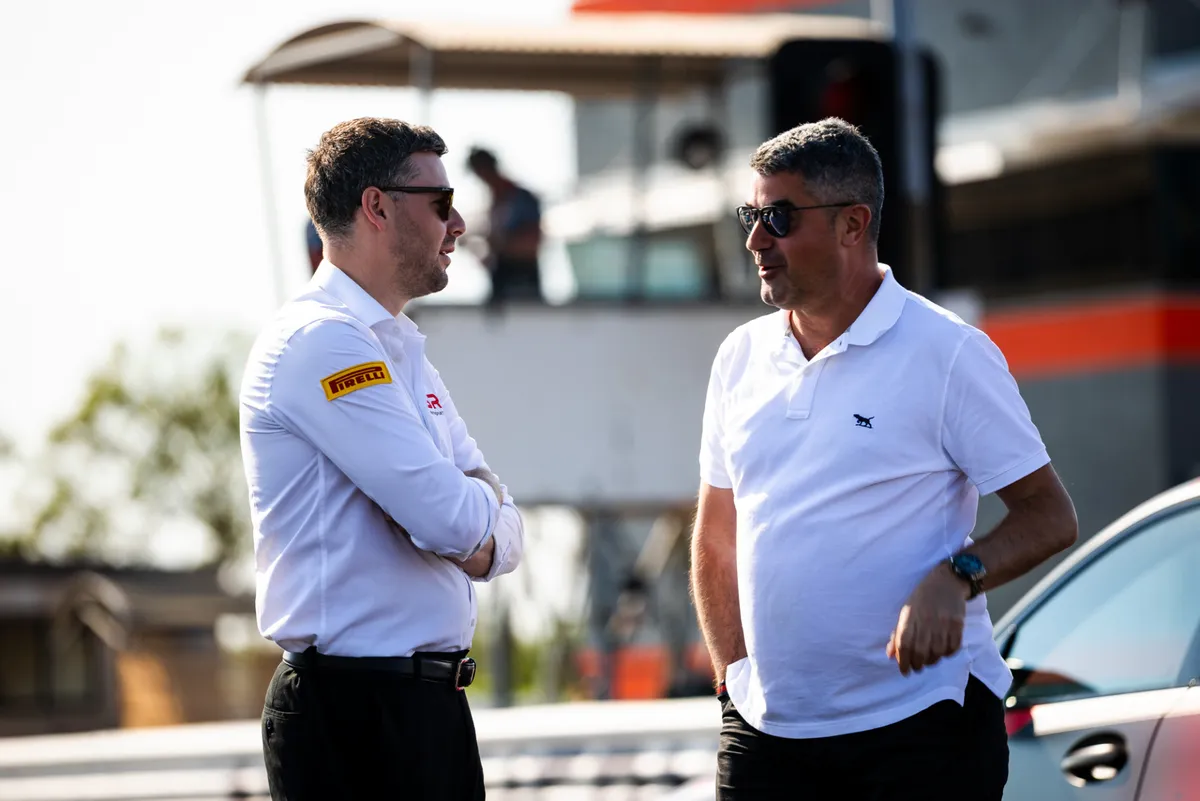
From a technical standpoint, the proposed V8 configuration would retain only minimal electrification, in contrast to the current hybrid systems. This approach is intended to reduce complexity, lower car weight, and restore the distinctive engine sound historically associated with Formula 1.
Manufacturers such as Ferrari, Mercedes, and Audi are cited as having relevant experience with V8 technology in road cars, supporting the argument that this direction offers stronger real-world applicability compared to highly specialised hybrid systems.
The FIA has also ruled out a return to V10 engines, citing limited relevance to current automotive trends. The priority remains to balance performance, efficiency, and technological relevance without compromising the competitive spectacle.
If implemented, the shift to V8 engines would represent one of the most significant transformations in modern Formula 1, with wide-ranging implications for car design, energy strategy, and manufacturer competition heading into the next regulatory cycle.
Read Also
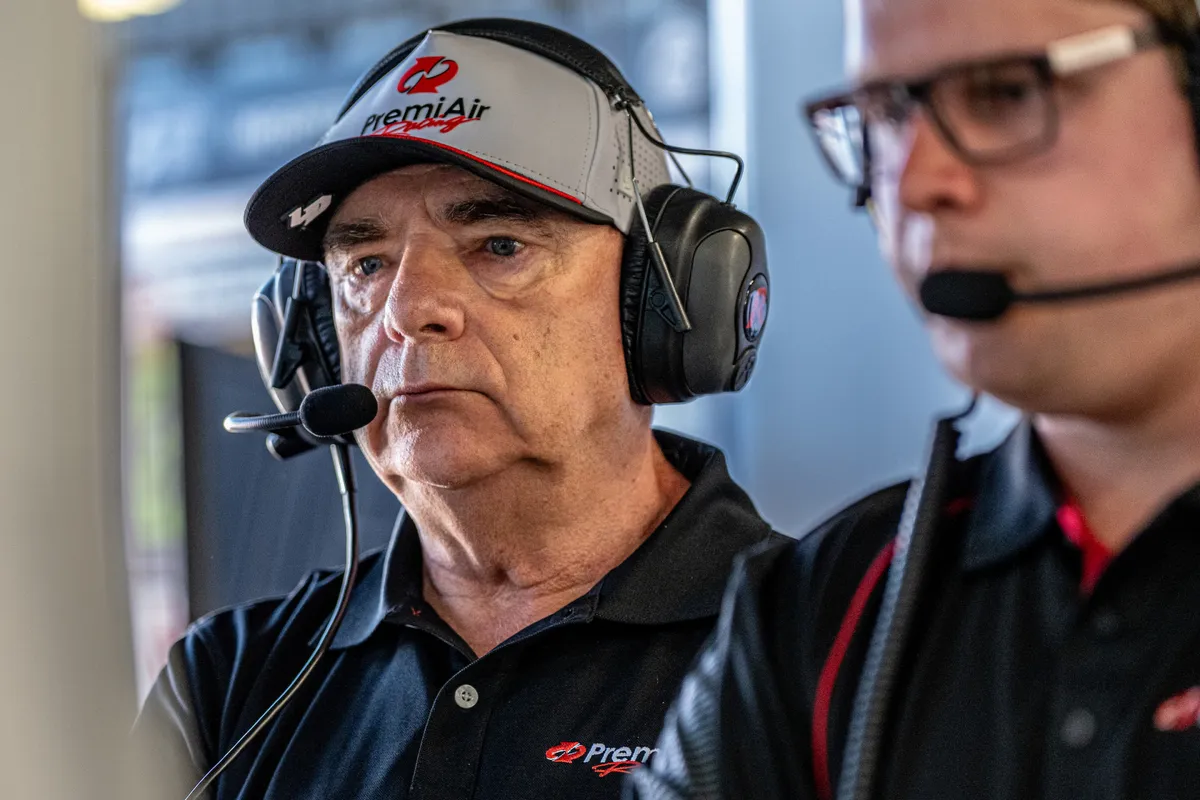
Roland Dane joins GT New Zealand Championship as driving standards observer for the 2026/27 season, bringing over 50 years of motorsport experience.
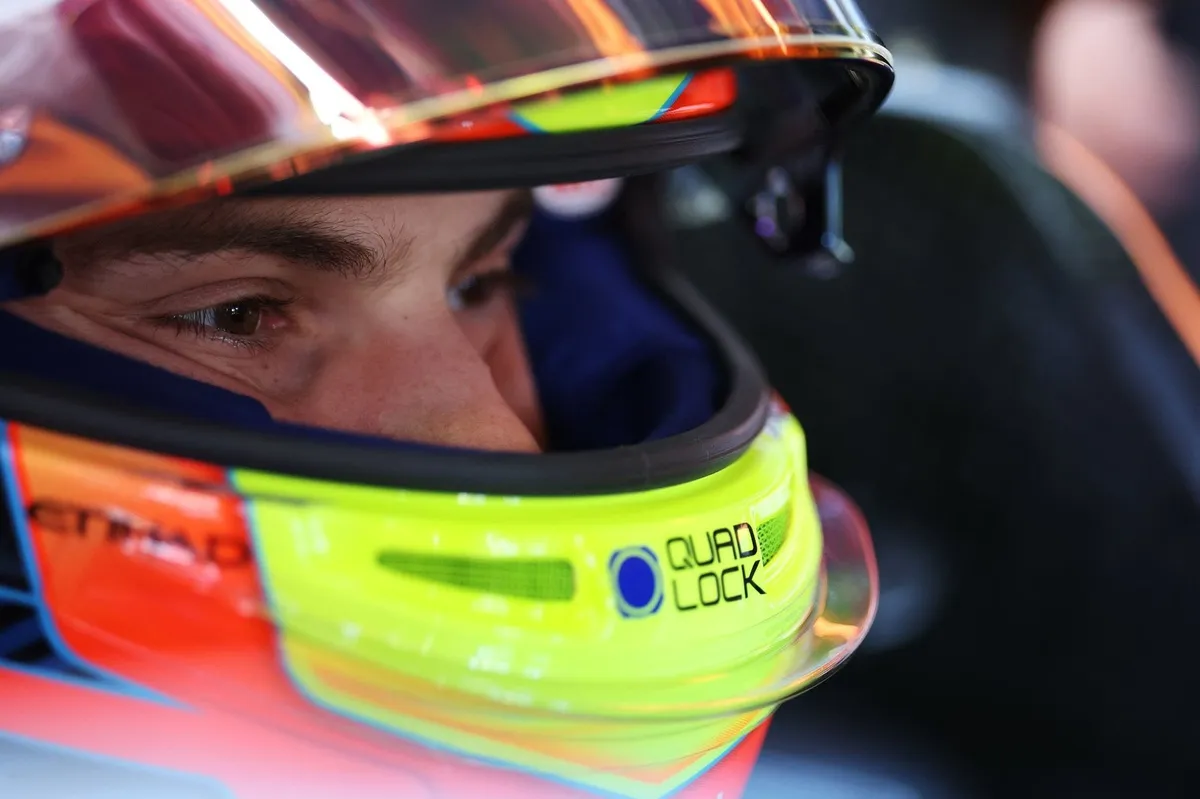
Andrea Stella reveals McLaren's plan to help Oscar Piastri overcome adaptation struggles with the 2026 F1 car. Read the full analysis here.
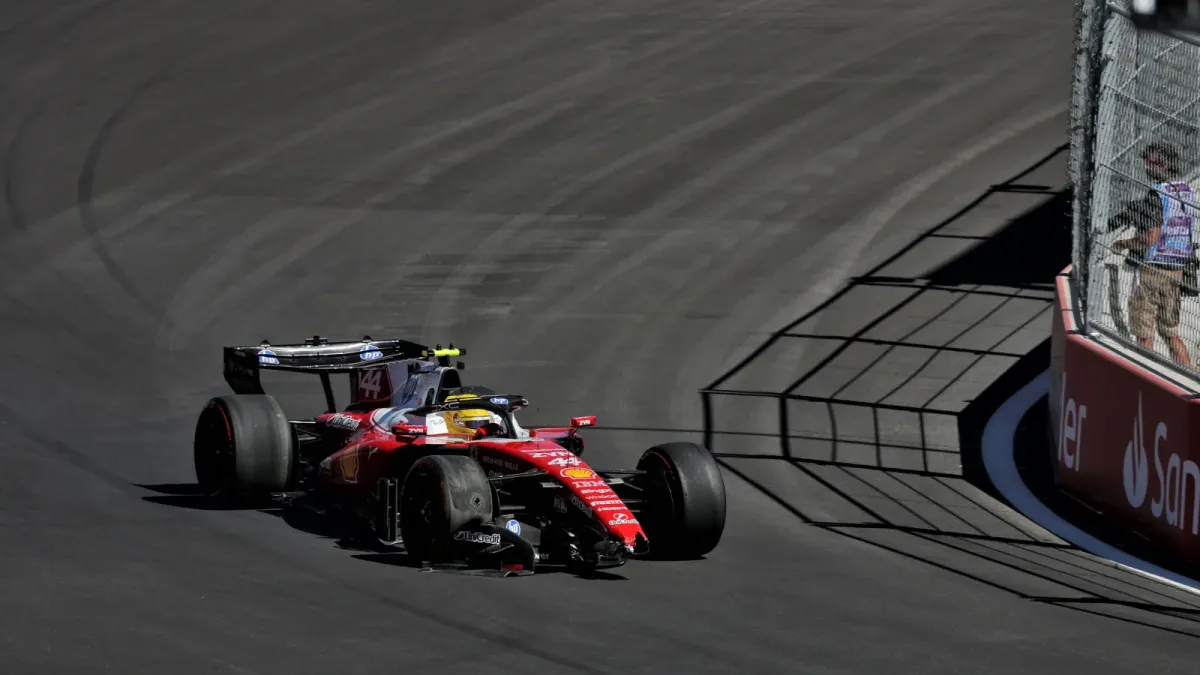
Fred Vasseur reportedly intervened on team radio to stop Lewis Hamilton after his FP3 crash at the Spanish GP, as Hamilton ignored engineer's pleas.
 Continue with Google
Discussion (0)
Join the Discussion!
Sign in easily to start commenting, replying, and interacting with other readers.
Latest Comments
No comments yet. Be the first!