








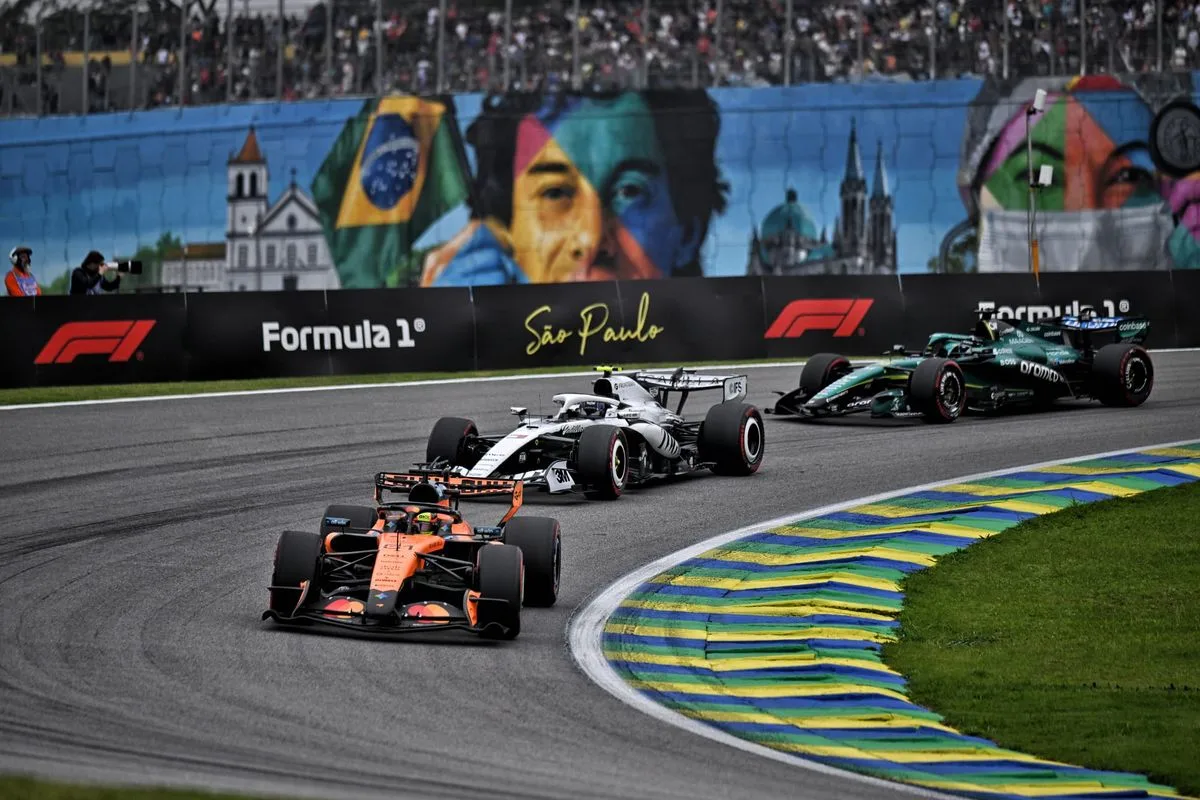
Autodromo Jose Carlos Pace Interlagos has historically earned a reputation as a thrilling battleground where drivers from the back of the grid could pull off remarkable charges. However, genuine fears are now rippling through the paddock that the unique peculiarities of the current regulations might heavily blunt the racing spectacle during Sunday's Grand Prix.
At the heart of the anxiety lies the energy deployment ramp-down thresholds and active aerodynamics rules. These technical constraints drew sharp criticism from Lewis Hamilton and Lando Norris in Mexico, with both drivers openly complaining that the rules severely hinder wheel-to-wheel combat.
Consequently, drivers who previously pulled off heroic recovery drives in Brazil now feel their chances of carving through the field are drastically reduced. Lewis Hamilton, facing a tough grid penalty that forces him to start from the very back, admitted that overtaking will prove exceptionally difficult compared to previous years.
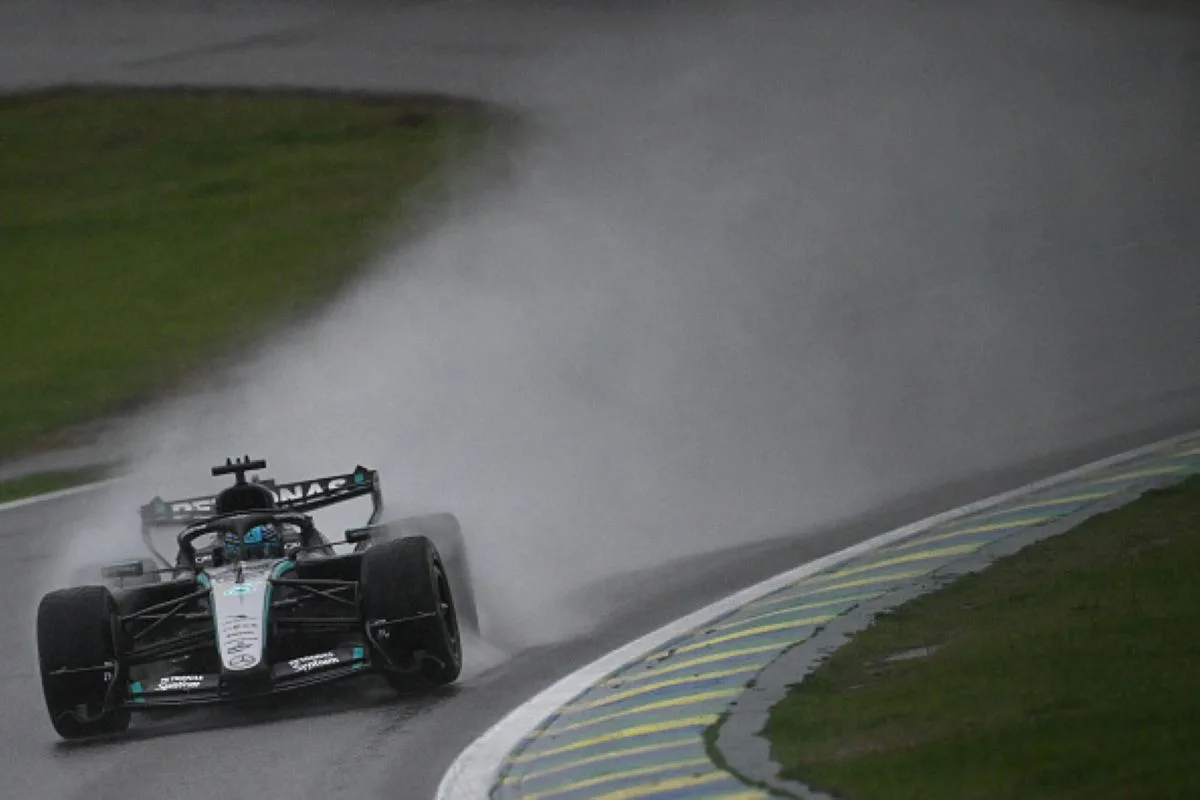
That pessimistic outlook was echoed by Max Verstappen, who pointed out that without traditional DRS and with the new overtake mode being heavily restricted along the long straights, every car draining the battery simultaneously leaves very little speed differential.
Yet, changing weather conditions could completely throw a wrench into those predictions. With heavy rain forecasted throughout the weekend, wet-weather running could neutralize technical limitations and restore slipstream effectiveness, setting the stage for an unpredictable showdown.
Read Also
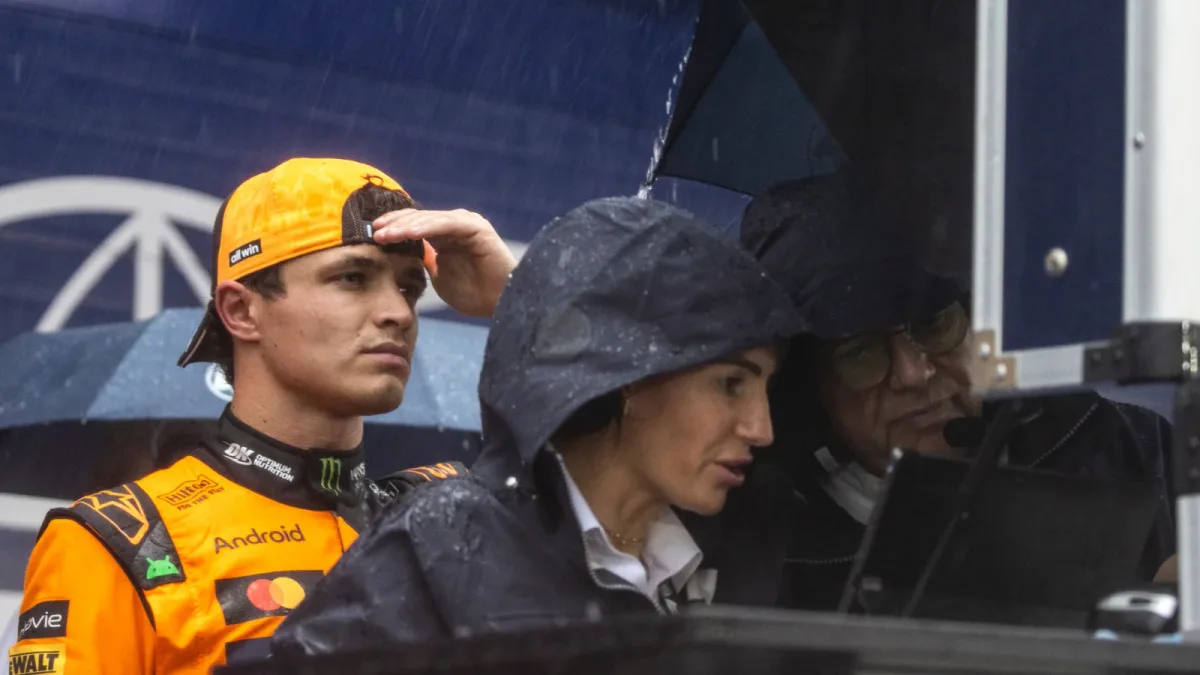
Lando Norris amankan pole position di GP Brasil usai taklukkan kualifikasi basah Interlagos. Simak analisis lengkap dan jadwal balapan di sini.

Simak tanggapan santai Pierre Gasly hadapi tekanan fans Franco Colapinto di GP Brasil. Baca analisis lengkap dan berita paddock terbaru di sini.
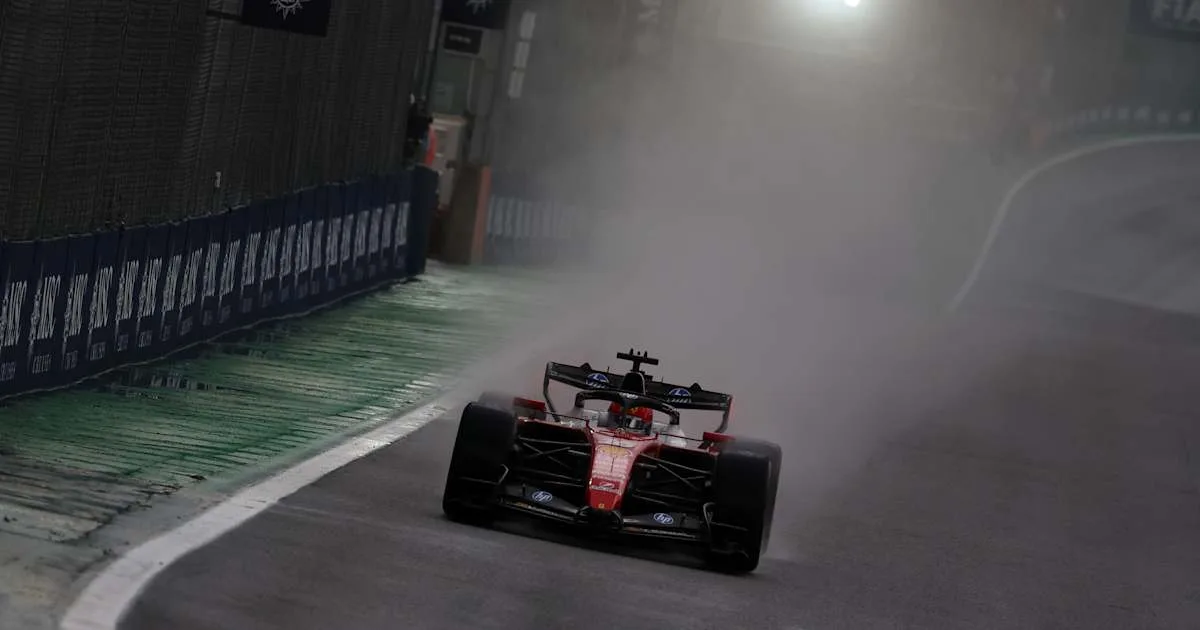
Simak analisis lengkap dan komentar Charles Leclerc usai kualifikasi GP Brasil di Interlagos di tengah ancaman penalti mesin. Baca selengkapnya di sini!
 Continue with Google
Discussion (0)
Join the Discussion!
Sign in easily to start commenting, replying, and interacting with other readers.
Latest Comments
No comments yet. Be the first!