






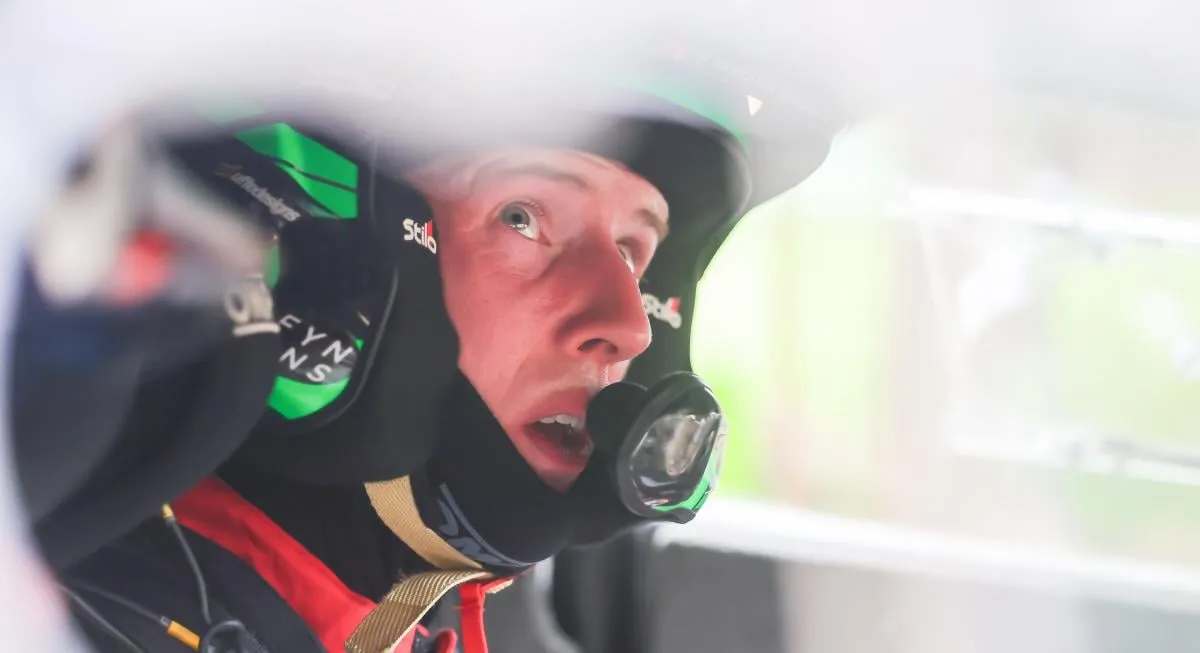

Ahead of a major technical shift in the World Rally Championship or WRC, top driver Elfyn Evans has voiced serious safety apprehensions regarding the behavior of the next-generation cars during high-speed jumps and fast sections. Having first tested a prototype built to the upcoming technical framework back in April, the championship contender noted that while drivability has improved, the overall loss of aerodynamic grip and engine power introduces unprecedented unknowns.
Speaking candidly about his early experiences behind the wheel, the Welshman admitted that development is ongoing and the chassis balance is progressing well, yet the exact on-stage reality come the season opener in Monte Carlo at the end of January remains largely unpredictable.
"There's definitely been progress made with the car. In terms of drivability, balance and everything, the car is, of course, improving, but what next year is really going to look like, I don't have a clue," Evans stated during media interviews.
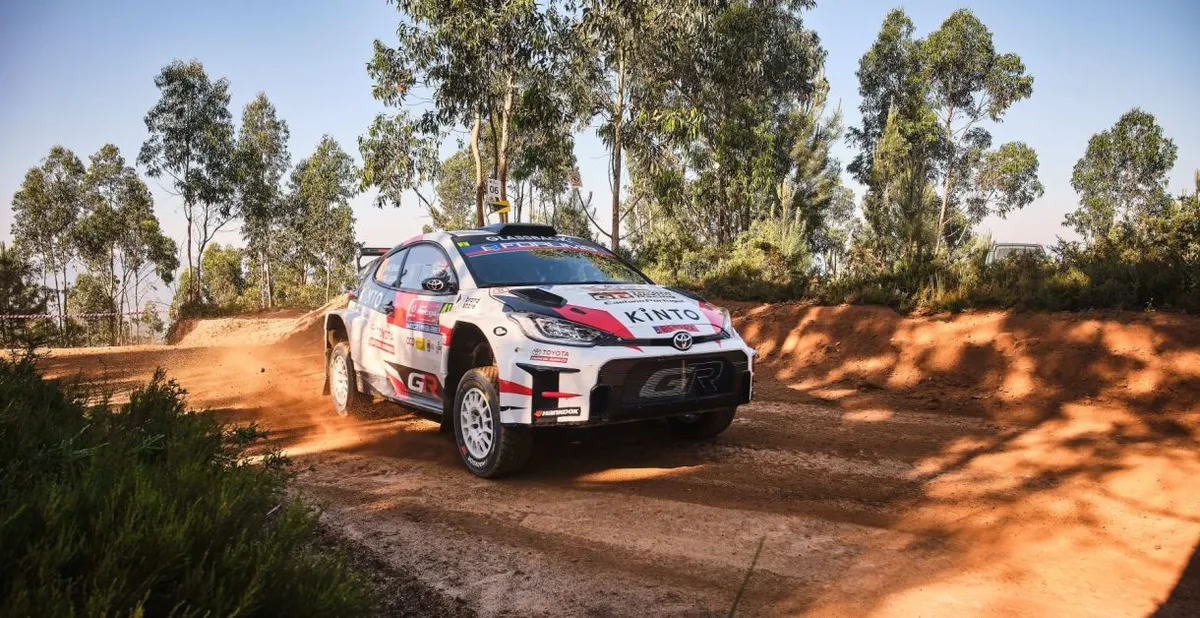
The upcoming regulations aim to slash vehicle costs by up to 70 percent compared to the previous hybrid era, resulting in machinery that performs closer to Rally2 specifications. While acknowledging the financial rationale behind making top-class rallying more sustainable, Evans likened the stark performance drop to stepping down into a slower category, warning that the lack of aerodynamic stability could catch crews off guard.
"There's no question we're taking a step back in terms of performance from what we’ve been used to – but the flip side to that is that we have cars for next season which are 70 percent cheaper than the ones we've been using up until now. It's always a big step back. But this time I feel there are probably a few more unknowns with the car, about how it's going to react in specific circumstances – and we can’t know about those until we get into the events themselves," he explained.
Highlighting the specific challenges posed by the reduction of large aerodynamic wings that defined the Toyota and rival manufacturer cars from 2022 to 2026, Evans emphasized that high-speed stability has historically played a massive role in driver safety on demanding gravel and tarmac roads.
"There’s a lot of very high-speed sections, and losing so much of the aero from this year's car is going to take some getting used to. I know these Rally1 cars we've been using are crazy-fast, but somehow the stability and everything we enjoyed with them at high speed made them very safe cars. I think we could be in for a few surprises with the new cars next year, especially in the jumps," Evans concluded. Read our in-depth analysis and catch all future updates right here at Sportrik Media.
Read Also
Kejuaraan Reli Finlandia resmi adopsi sistem poin Power Stage WRC mulai musim 2027. Simak analisis regulasi baru dan jadwal lengkapnya di sini.
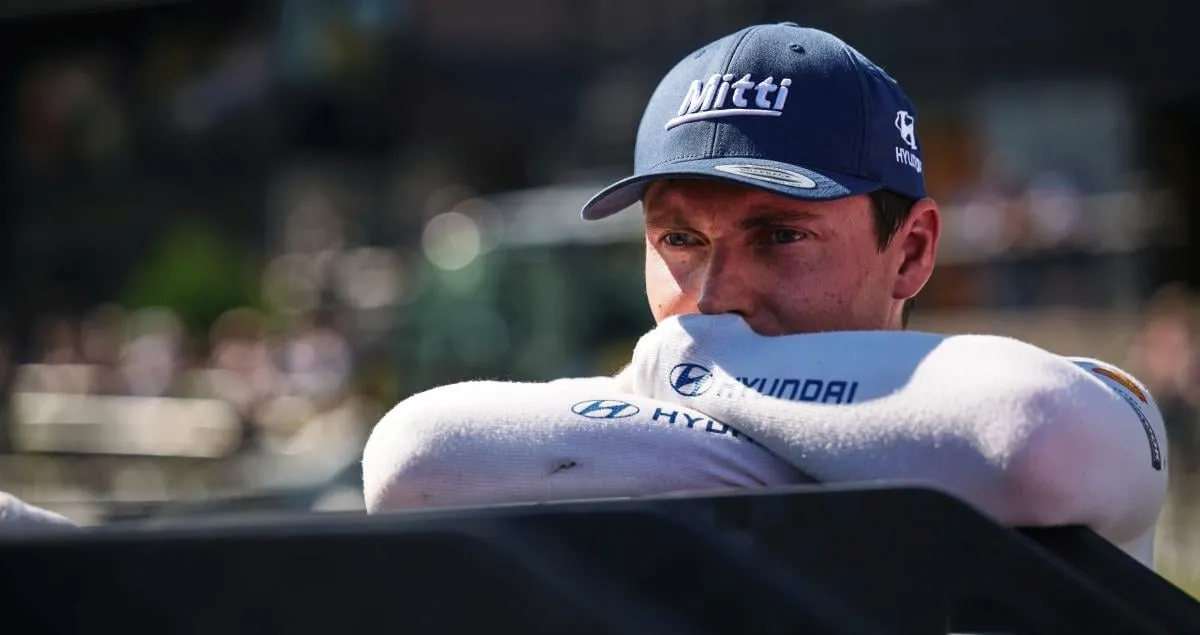
Simak analisis lengkap masa depan Adrien Fourmaux di WRC dan regulasi baru 2027. Baca analisis mendalam di sini untuk tahu dinamika bursa pereli.
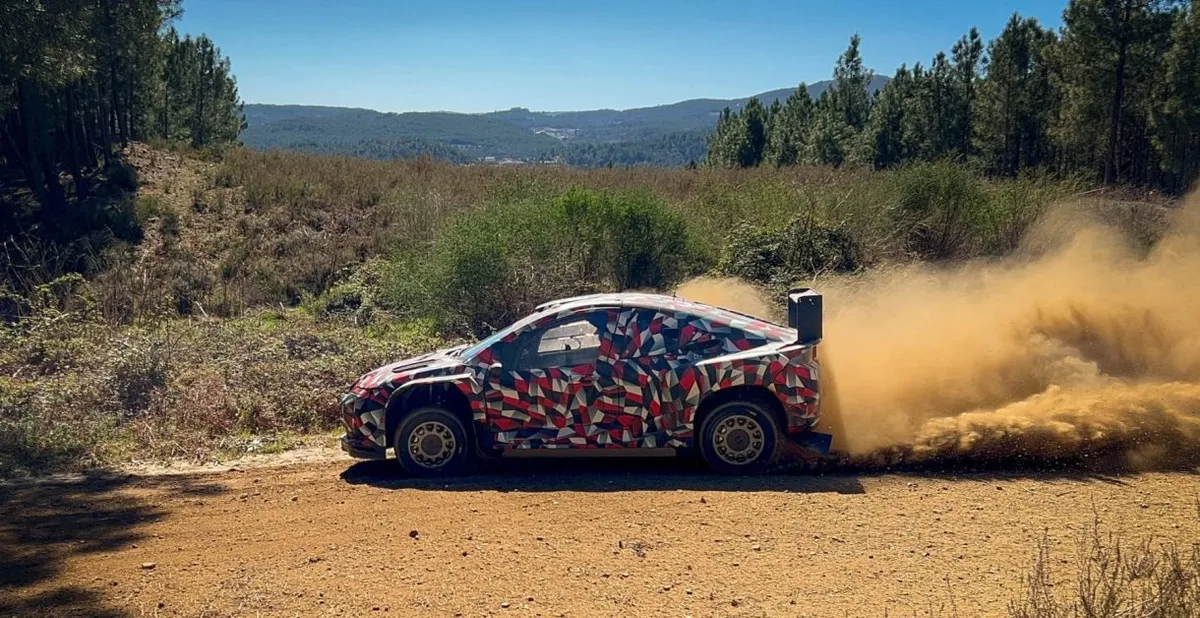
Simak analisis lengkap Elfyn Evans mengenai regulasi baru WRC 2027 dan tantangan mobil Toyota. Baca berita selengkapnya di Sportrik.
 Continue with Google
Discussion (0)
Join the Discussion!
Sign in easily to start commenting, replying, and interacting with other readers.
Latest Comments
No comments yet. Be the first!