







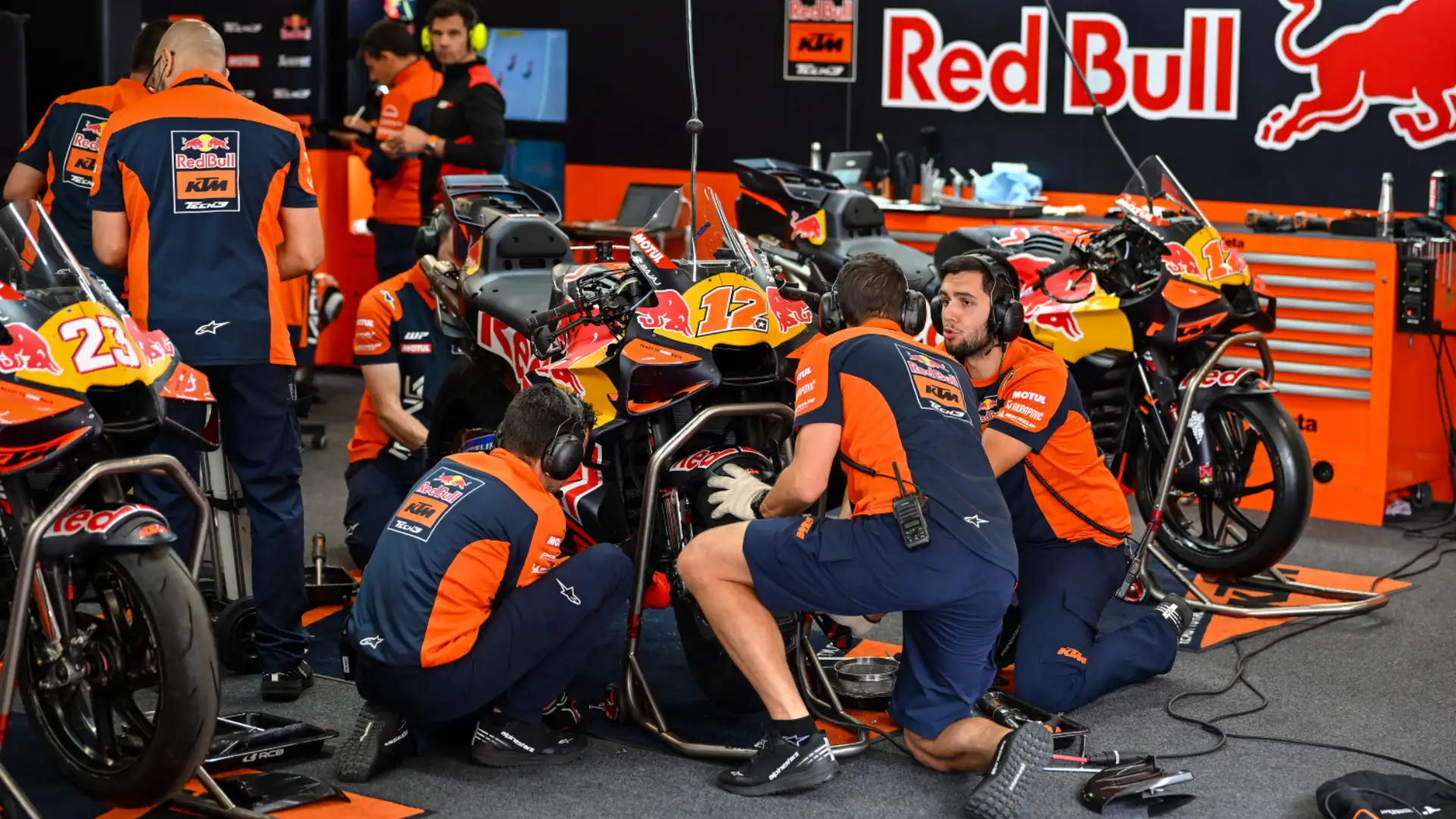

MotoGP is seriously considering one of the biggest regulatory changes in modern grand prix racing by potentially removing the use of two bikes per rider from the 2027 season onward. The proposal forms part of wider negotiations between the championship promoter, manufacturers and teams regarding the technical and operational structure that will govern MotoGP between 2027 and 2031.
According to information emerging from the paddock, the proposal originally came from the manufacturers as part of a broader effort to reduce operational costs. If approved, each MotoGP rider would only have one primary bike available inside the garage throughout race weekends instead of the current two-bike format.
The change would represent one of the most significant operational revolutions in modern MotoGP because it could fundamentally alter how teams approach practice sessions, qualifying and race preparation. Under the current system, two bikes allow teams to run parallel setup directions and compare different technical configurations under evolving track conditions.
With only one bike available, setup flexibility would likely be reduced dramatically. Teams would no longer be able to aggressively experiment with different geometry configurations, aerodynamic packages or electronic mapping strategies simultaneously because of the increased risk involved if changes fail to deliver immediate performance gains.
Beyond technical implications, the proposed rule could also transform MotoGP race strategy itself, particularly during flag-to-flag conditions. For nearly two decades, MotoGP riders have been able to enter the pit lane and immediately swap bikes when weather conditions change from dry to wet or vice versa.
The system was first introduced during the 2006 Australian Grand Prix and has since become one of MotoGP's defining strategic elements. During wet races, riders typically require only a few seconds to jump from a slick-tyre bike onto a fully prepared wet-weather machine.
However, if the one-bike format is introduced, that rapid swap procedure would almost certainly disappear. MotoGP would likely need to adopt an approach closer to WorldSBK, where riders stop inside the garage while mechanics directly change tyres on the same machine.
In WorldSBK, spare bikes still exist but remain hidden at the rear of the garage or inside team trucks and cannot be used without official technical approval from championship inspectors. If the primary bike suffers major structural damage such as chassis failure, teams must request permission before deploying the reserve machine.
A similar framework is considered the most realistic solution for MotoGP should the proposal move forward. Nevertheless, the change would still require official approval from the Grand Prix Commission because it represents a major modification to both sporting and technical regulations.
From a financial perspective, manufacturers believe a one-bike system could significantly reduce staffing requirements, logistics complexity and operational expenses. MotoGP has increasingly searched for ways to control development costs ahead of the major 2027 technical reset involving 850cc engines, tighter aerodynamic restrictions and the ban on ride-height devices.
The proposal also reflects MotoGP's broader shift towards a more efficiency-focused philosophy similar to the approach previously taken by the FIA in Formula 1 when spare cars, commonly known as "T-cars", were banned ahead of the 2008 season.
For riders, the one-bike rule could create entirely new pressure throughout race weekends because crashes would carry far greater consequences for team preparation. A single mistake during practice could heavily compromise the entire setup programme without a second bike immediately available.
As MotoGP prepares for its major technical transformation in 2027, the one-bike proposal has rapidly become one of the paddock's most sensitive discussions. If approved, the rule would not simply change team operations — it could fundamentally reshape the strategic identity of modern MotoGP racing.
Baca Juga
Simak analisis lengkap warm-up MotoGP Mandalika 2026, di mana Bezzecchi tercepat, Martin kecelakaan, dan Aleix Espargaro mundur. Baca selengkapnya di sini!
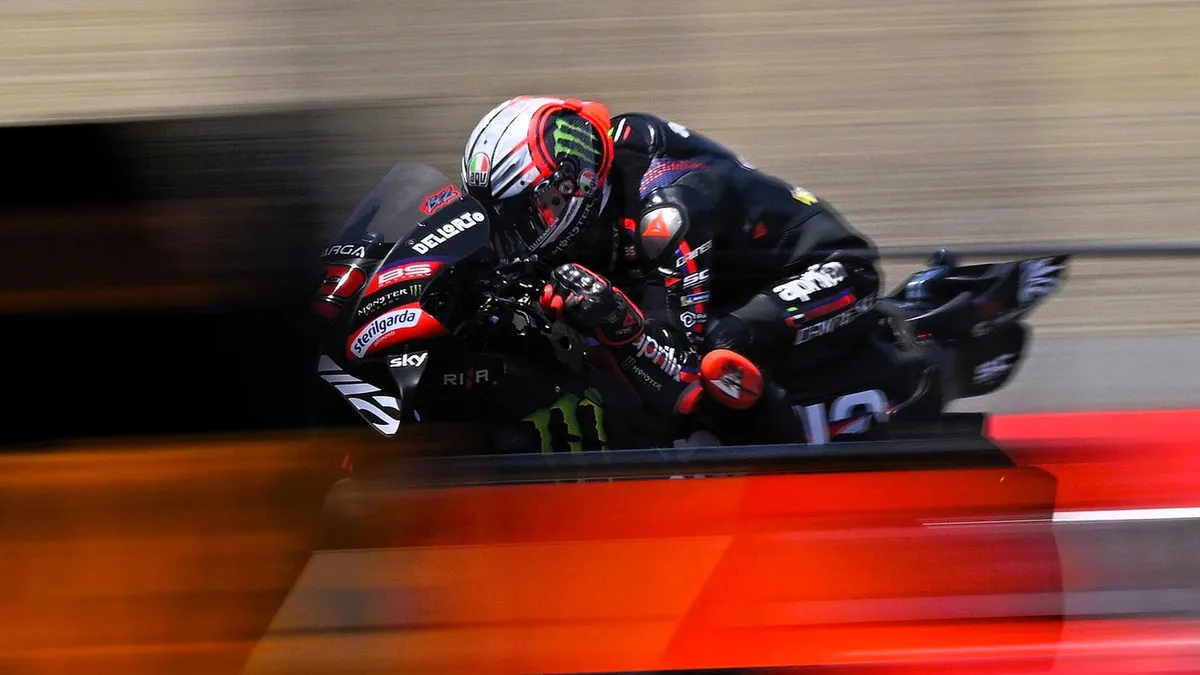
Marco Bezzecchi tercepat di warm-up MotoGP Mandalika diwarnai insiden Jorge Martin crash dan ketegangan. Baca analisis mendalam di sini!
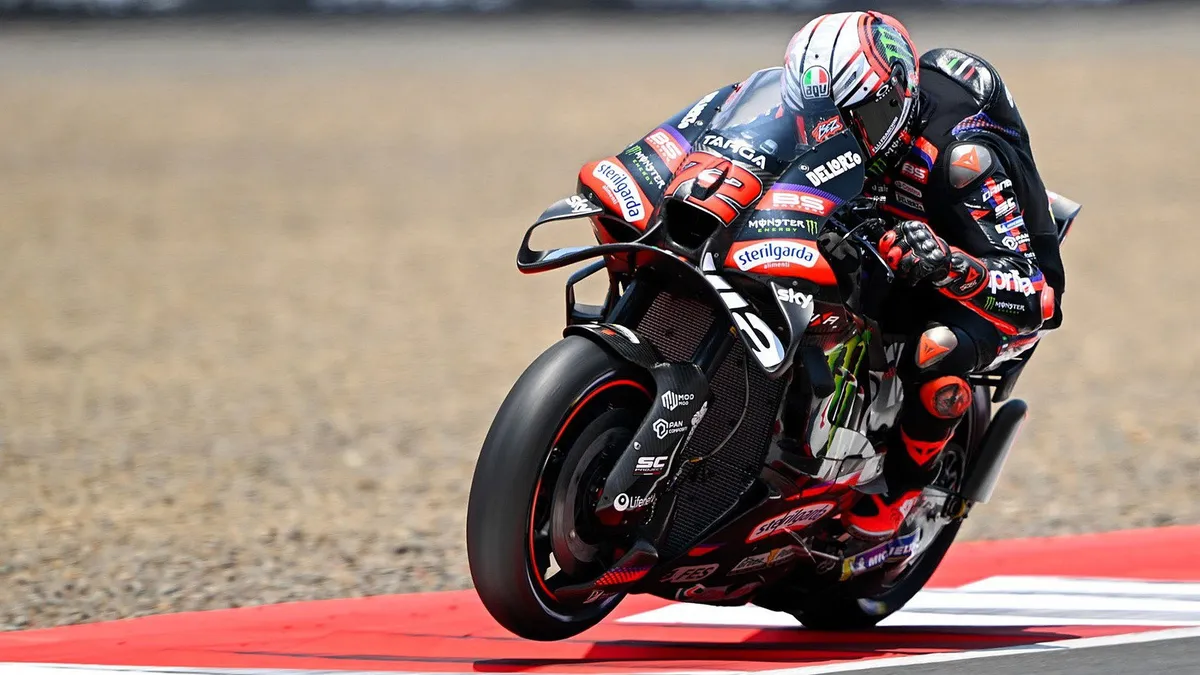
Simak hasil warm-up MotoGP Indonesia 2026 di Mandalika di mana Marco Bezzecchi jadi yang tercepat. Baca analisis lengkap dan update poin di sini!
 Lanjutkan dengan Google
Diskusi & Komentar (0)
Mari Bergabung dalam Diskusi!
Masuk dengan mudah untuk mulai memberikan komentar, membalas, dan berinteraksi dengan pembaca lainnya.
Komentar Terbaru
Belum ada komentar. Jadilah yang pertama!