







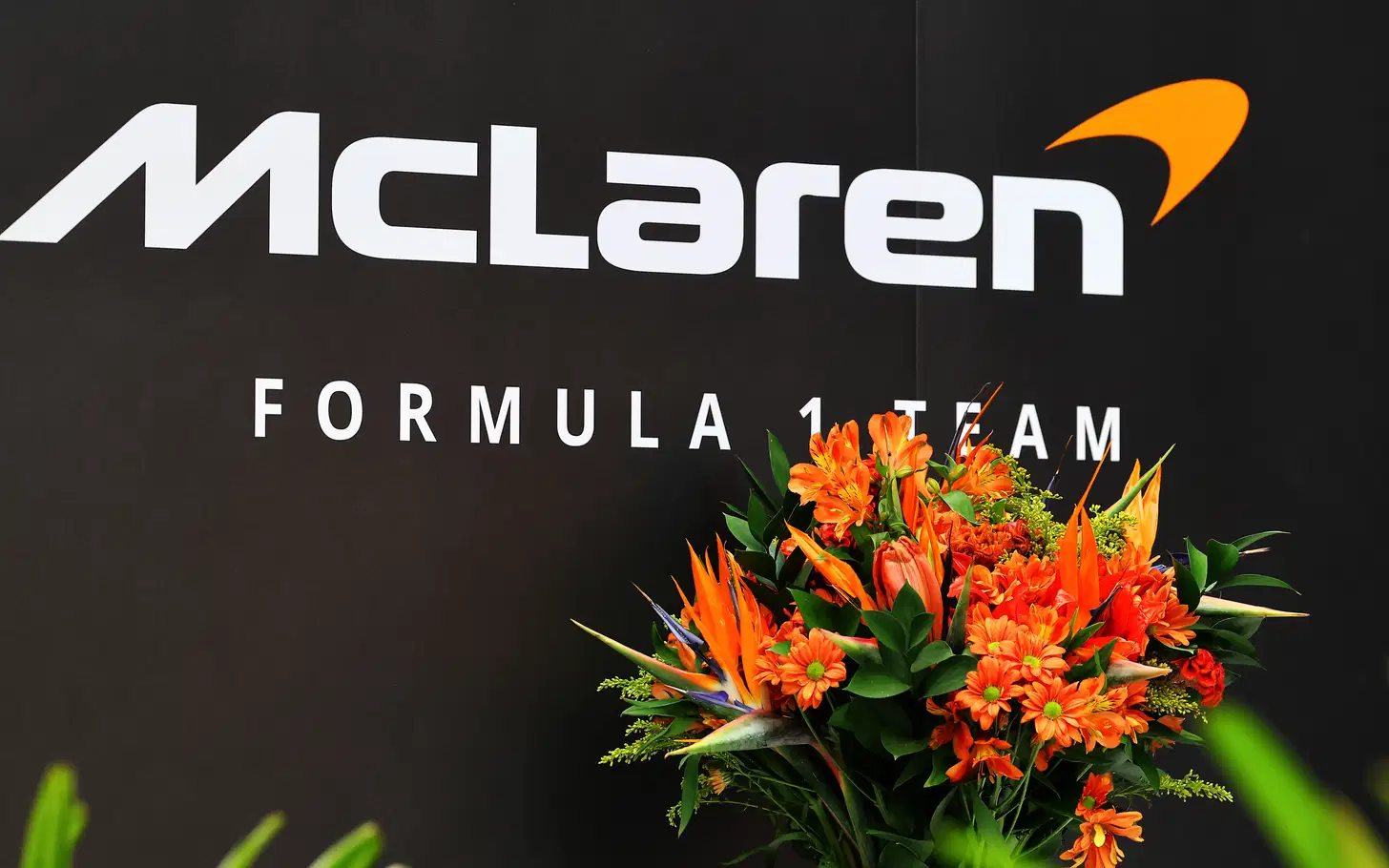

Formula 1, Sportrik Media - Zak Brown has outlined the significant transformation at McLaren since his arrival in late 2016, a shift that has underpinned the team’s return to the front of Formula 1.
Brown initially joined as executive director of the McLaren Technology Group before being promoted to CEO of McLaren Racing 18 months later. Over nearly a decade, he has overseen a comprehensive restructuring process that has impacted not only on-track performance but also financial stability and commercial growth.
Under his leadership, McLaren has re-established itself as a leading force in the championship, securing back-to-back constructors’ titles, while Lando Norris ended the team’s long wait for a drivers’ championship. These achievements reflect a coordinated long-term strategy combining technical development, operational discipline, and organisational alignment.
However, Brown emphasised that the most profound change has been within the team’s internal culture. He described the environment he encountered upon arrival as fragmented and lacking cohesion, with low morale across multiple areas of the organisation.
“When I first joined, it was a very dark environment, even literally—from the colour of the car to the working surroundings. It wasn’t a happy place. Partners weren’t happy, drivers weren’t happy, and much of the race team wasn’t either,” Brown explained.
According to Brown, the priority was to unlock existing talent by fostering a more collaborative and motivated working environment. This involved strengthening communication across departments and reinforcing the importance of each individual’s contribution to overall team performance.
“There was always a huge amount of talent here. It was about unlocking it, creating motivation, and bringing some enjoyment back into what we do. At the end of the day, racing is a competitive but rewarding environment,” he added.
The cultural shift is also reflected in the integration between technical and commercial divisions. Brown noted that departments beyond the engineering group—such as finance and marketing—are now directly engaged in performance-related initiatives, reinforcing a unified organisational structure.
He cited examples such as weight-saving initiatives, where even minor adjustments to branding elements on the car involve cross-department collaboration, creating a sense of shared ownership in the team’s on-track success.
With a more cohesive structure and strengthened internal culture, McLaren now operates on a stable foundation as it looks to sustain its competitive position. Heading into the next phase of the 2026 Formula 1 season, this organisational alignment remains a critical factor in maintaining performance consistency amid increasing competition.
Read Also
Charles Leclerc declares himself fit for F1 Spanish GP after horrific Monza crash. He has recovered from neck pain and blurred vision. Read the latest update.
Charles Leclerc criticizes media for blowing his Monza clash with Lewis Hamilton out of proportion. He admits fault but says Ferrari gets more attention than other teams.
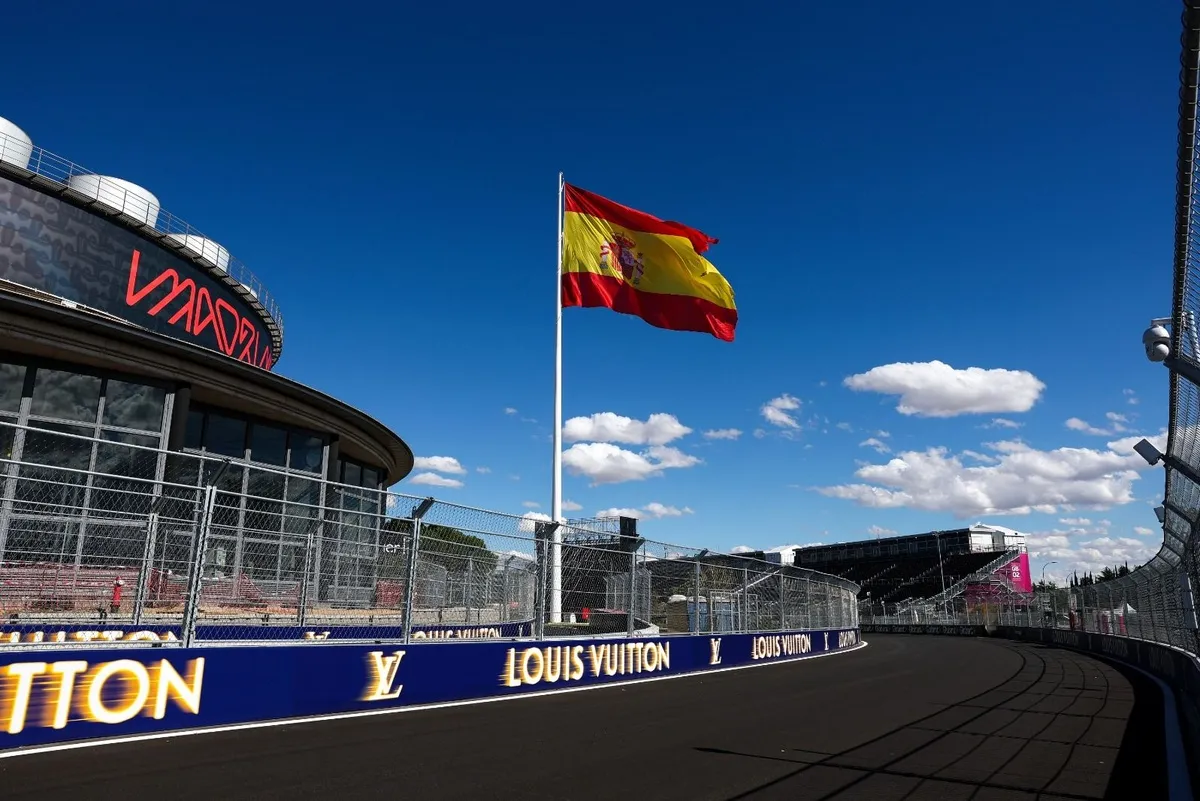
Madring F1 circuit sparks driver reactions: blind corners, banking, and red flag predictions. Read the full analysis of the new Spanish GP track.
 Continue with Google
Discussion (0)
Join the Discussion!
Sign in easily to start commenting, replying, and interacting with other readers.
Latest Comments
No comments yet. Be the first!