







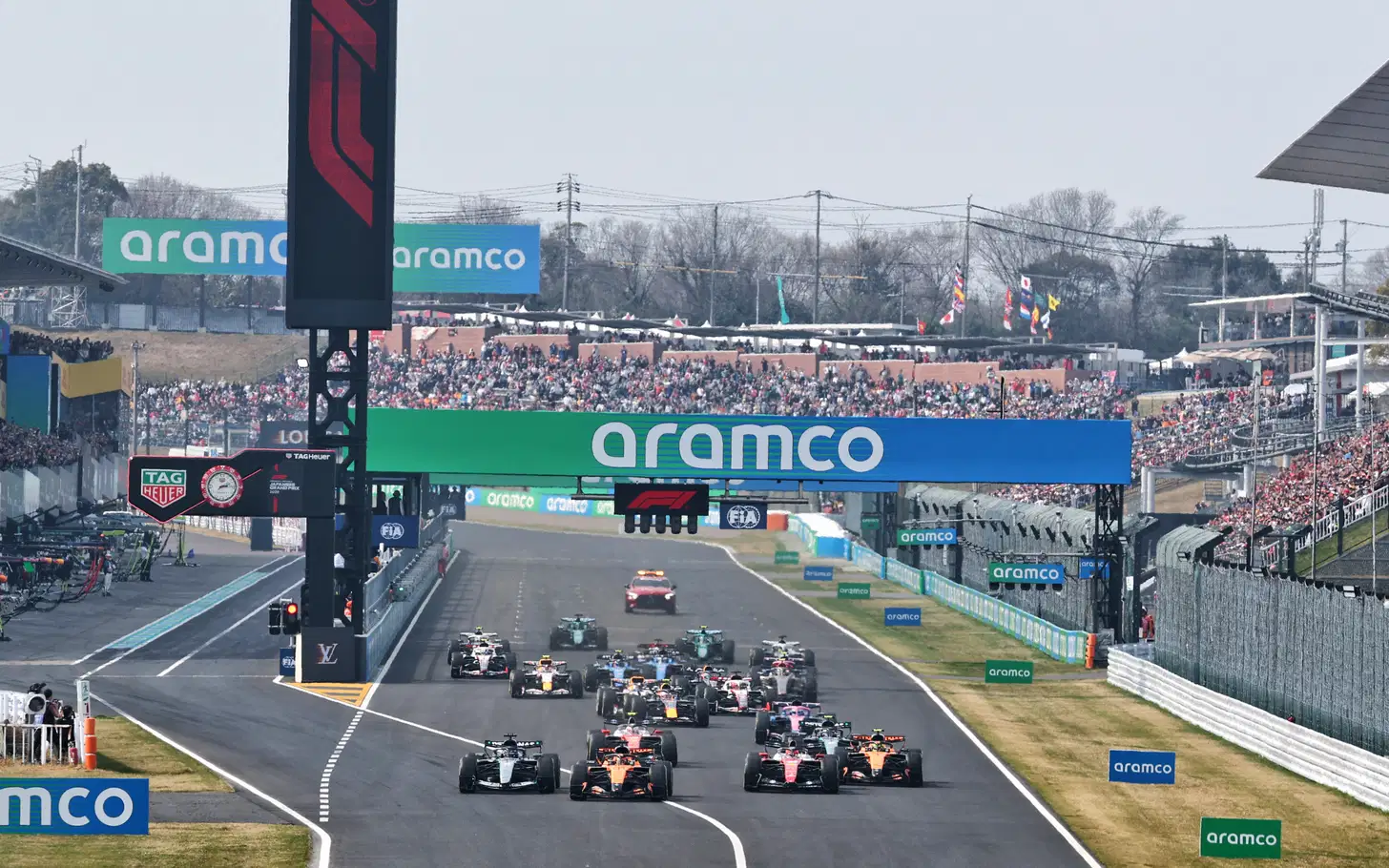

Formula 1, Sportrik Media - FIA has warned that penalties could be issued to any drivers or teams attempting to exploit the latest changes to Formula 1 start procedures, with a new system set to be evaluated during the 2026 Miami Grand Prix weekend.
The update is linked to the introduction of the 2026 power unit regulations, which feature a 50:50 split between internal combustion and electrical energy. One of the key technical concerns arising from this configuration has been inconsistent power delivery during race starts, leading to slower initial acceleration in certain cases.
A notable example occurred during the season-opening race in Australia, where Liam Lawson experienced a poor launch that nearly resulted in a collision with Franco Colapinto of Alpine F1 Team. The incident highlighted the potential safety risks associated with uneven start performance under the new regulations.

In response, the FIA has developed a low-power start detection system capable of identifying cars with abnormally low acceleration shortly after clutch release. When triggered, the system will automatically deploy additional MGU-K power to ensure a minimum level of acceleration is maintained.
Alongside this intervention, affected cars will display visual warnings through flashing lights positioned at the rear and sides, alerting following drivers to a potential hazard and reducing the likelihood of contact incidents.
FIA single-seater director Nikolas Tombazis emphasised that the system is designed strictly as a safety measure rather than a performance advantage, making clear that any attempt to manipulate it would result in regulatory action.
“This is not intended to turn a bad start into a good one. It is designed to prevent a disastrous situation. If we detect any attempt to use it for gain, we will intervene,” Tombazis stated.
The FIA had initially considered applying a drive-through penalty to any driver whose car triggered the system. However, teams argued that such scenarios already place the driver at a significant disadvantage, and the governing body ultimately agreed not to enforce automatic penalties under normal circumstances.
The system will be tested throughout the Miami Grand Prix weekend before a potential full implementation at the following round in Canada. According to FIA analysis, it would have activated only in a limited number of cases so far this season, including Lawson’s incident in Australia, but not in less severe examples such as Max Verstappen’s slower start in China.
As Formula 1 adapts to the technical demands of the new power unit era, the introduction of this system represents a targeted effort to balance performance variability with safety requirements. Its effectiveness in Miami will play a key role in determining its future application across the remainder of the 2026 season.
Read Also
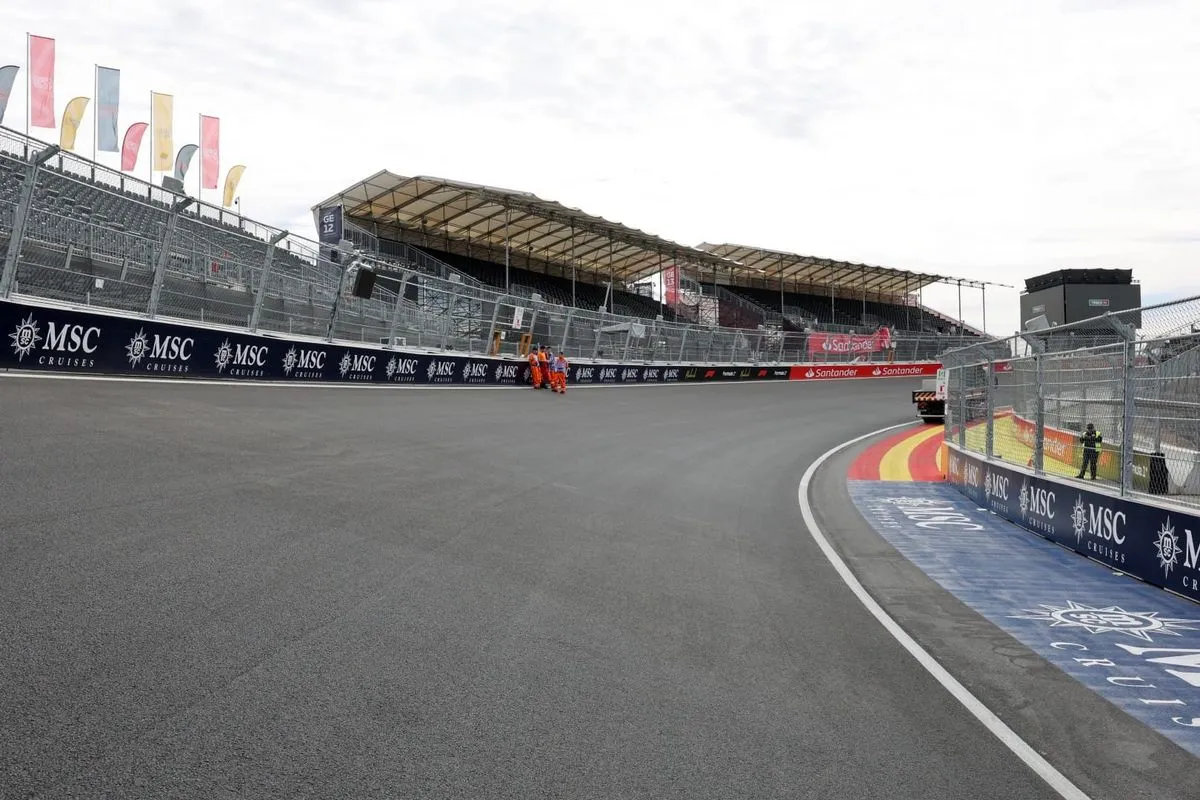
Madring, F1's new 2026 track, is called the most risky by drivers. Read their concerns and expectations ahead of the inaugural race.
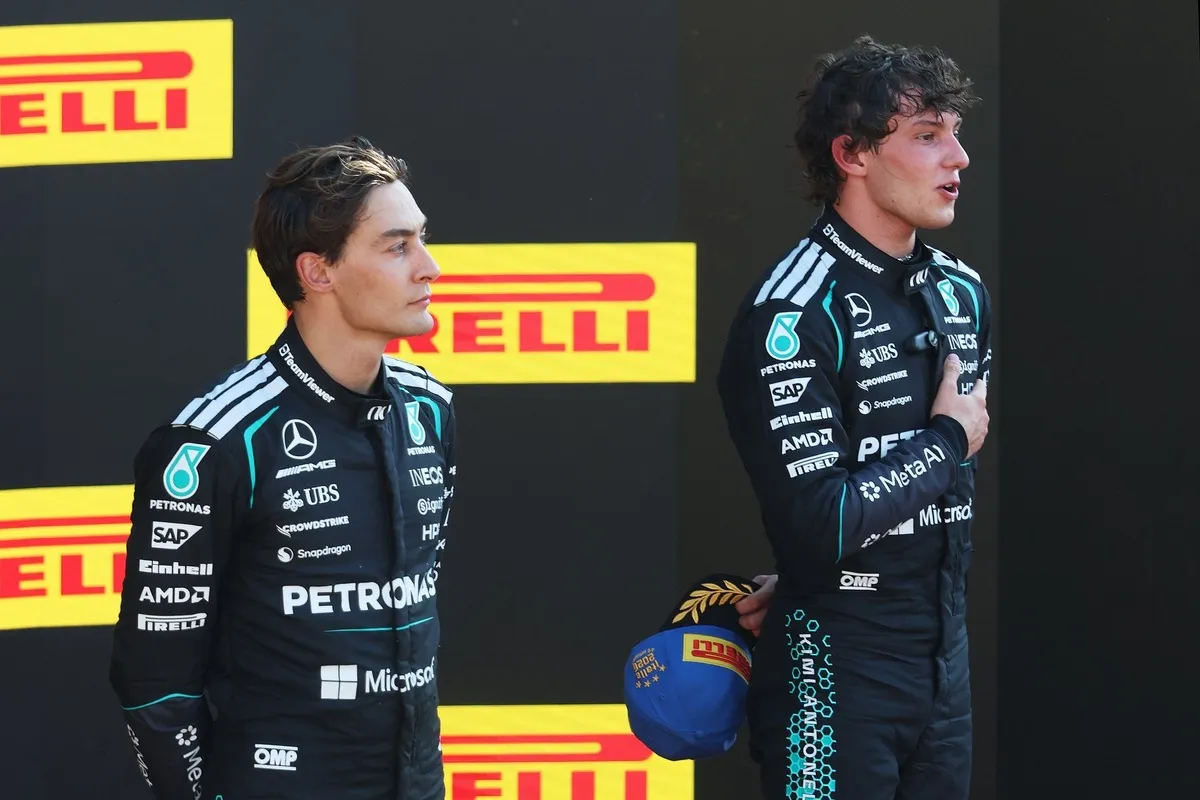
George Russell admits Kimi Antonelli is faster in F1 2026. Trailing by 66 points, Russell now has an answer and focuses on improving performance.

George Russell opens up on his F1 2026 title chances after falling 66 points behind Kimi Antonelli. He admits he needs luck and better performance.
 Continue with Google
Discussion (0)
Join the Discussion!
Sign in easily to start commenting, replying, and interacting with other readers.
Latest Comments
No comments yet. Be the first!