







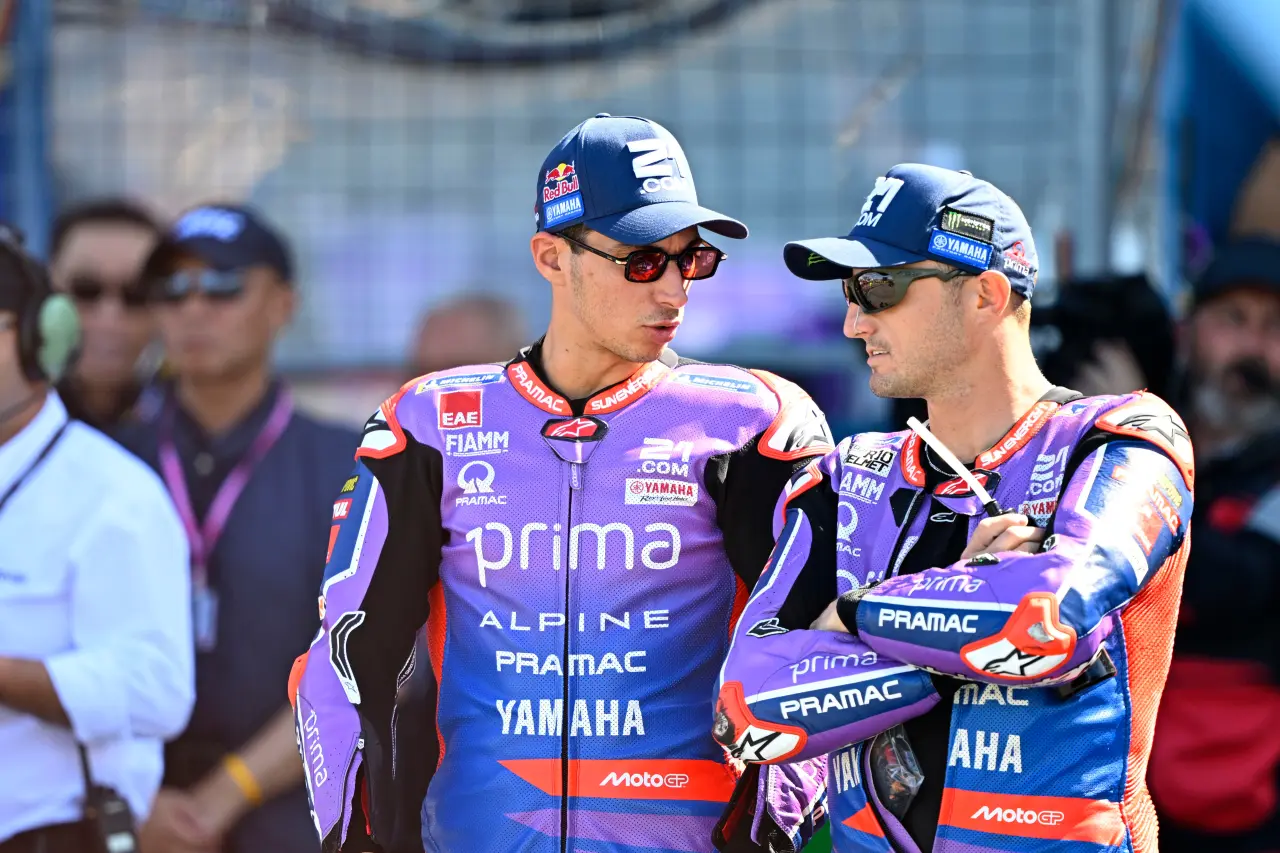

MotoGP, Sportrik Media - Jack Miller has raised concerns over the planned Moto3 regulatory overhaul for 2028, as the paddock’s attention remains largely focused on MotoGP’s 2027 technical reset. The Red Bull KTM Factory Racing rider views the lightweight class changes as potentially the most transformative shift within the grand prix structure.
The proposal, still pending official confirmation, would see the current 250cc single-cylinder machines—developed by KTM and Honda—replaced by larger, production-based 700cc twin-cylinder engines from a single supplier. The objective is to reduce operational costs while enhancing performance gaps between riders.
Jack Miller, who debuted in the 125cc class in 2011 and fought Alex Marquez for the 2014 Moto3 title, acknowledged that change is necessary. However, he questioned whether increasing engine capacity is the most effective solution.
“I think it needed to change,” Miller told Crash.net.
“But the move to a bigger engine is not something I fully agree with. I believe smaller tyres could have achieved the same objective.”
Miller emphasized that tyre evolution over the past two decades has led to significantly larger contact patches across Moto3, Moto2, and MotoGP. This, in his view, has increased grip levels to the point where rider differentiation becomes less pronounced.
He explained that Moto3’s current technical package allows riders to maintain high corner speeds with relatively low risk, due to limited engine power combined with high-grip tyres. As a result, reducing tyre width could introduce greater variability and reward rider skill more effectively.
“With the current setup, it’s difficult to make major mistakes because the tyres offer so much grip,” he said.
“Simply reducing tyre width could help spread the field more naturally.”
Beyond technical considerations, Miller also addressed the cost factor, which is central to the proposed changes. While he understands the shift toward production-based engines, he questioned whether such an approach would genuinely lower expenses for teams.
According to Miller, purpose-built racing engines remain more efficient within a grand prix environment, as they are designed specifically for competition. In contrast, production engines often require additional modification, potentially offsetting any initial cost savings.
“I understand why they want to move to production-based engines, given the market situation,” he stated.
“But at the end of the day, this is grand prix racing. I don’t believe production engines will necessarily be cheaper for teams.”
He also referenced Moto2’s current model, which uses a standardized engine supplied by Triumph, while maintaining chassis competition. In his assessment, preserving a balance between standardization and technical freedom remains essential to the championship’s identity.
Despite his reservations, Miller supports efforts to improve safety in Moto3. He highlighted that the current racing format—often involving large groups running nose-to-tail—can increase the likelihood of incidents.
Drawing comparisons with the Supersport 300 category, which has been replaced by a new class in 2026, Miller noted that low power combined with high grip tends to compress the field, creating potentially hazardous racing conditions.
“I do believe Moto3 needed to change to improve safety,” he concluded.
“If these changes help separate the field and allow talent to stand out, then it’s a step in the right direction.”
The 2028 Moto3 regulations will represent a critical juncture in the evolution of grand prix racing. With cost control, safety, and technical identity at stake, the final decisions by FIM and Dorna Sports will shape the pathway for future generations. The outcome is also expected to influence the broader competitive landscape as the championship approaches its next regulatory cycle.
Read Also
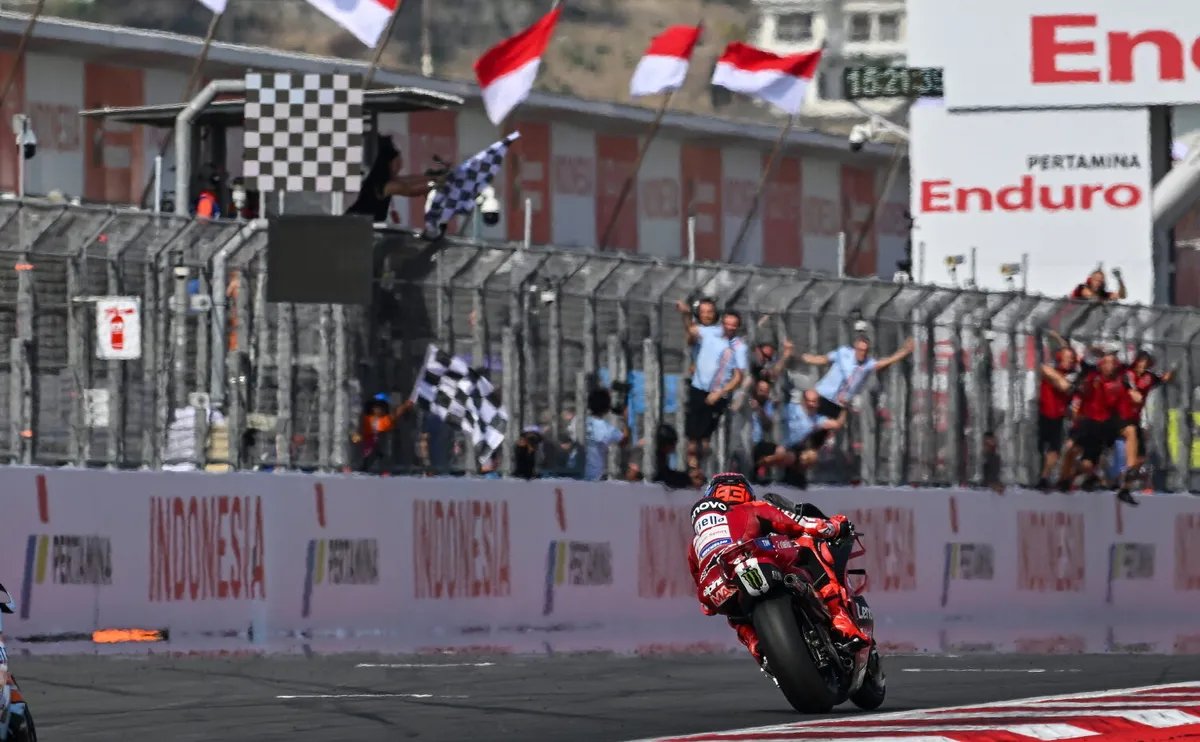
Marco Melandri sebut Aprilia sia-siakan peluang emas di Mandalika. Simak analisis lengkap, update poin, dan jadwal akhir pekan ini di Sportrik.
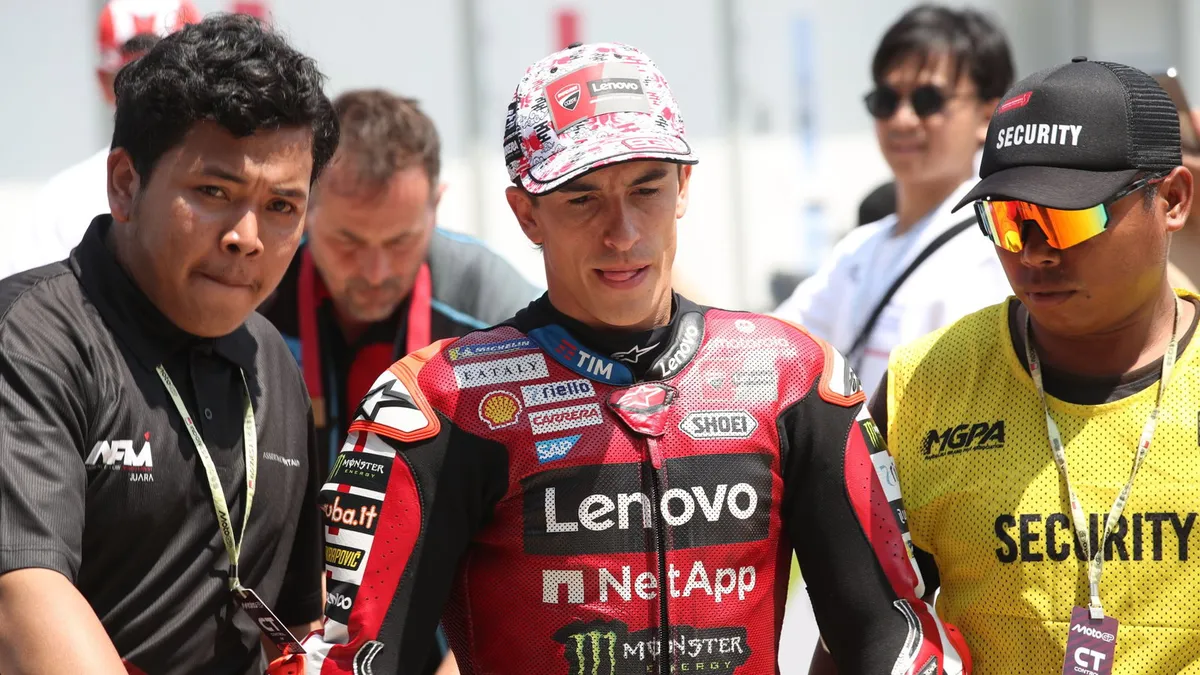
Davide Tardozzi membantah isu Ducati 2026 dibuat khusus untuk Marc Marquez. Baca analisis mendalam dan penjelasan teknis selengkapnya di sini.
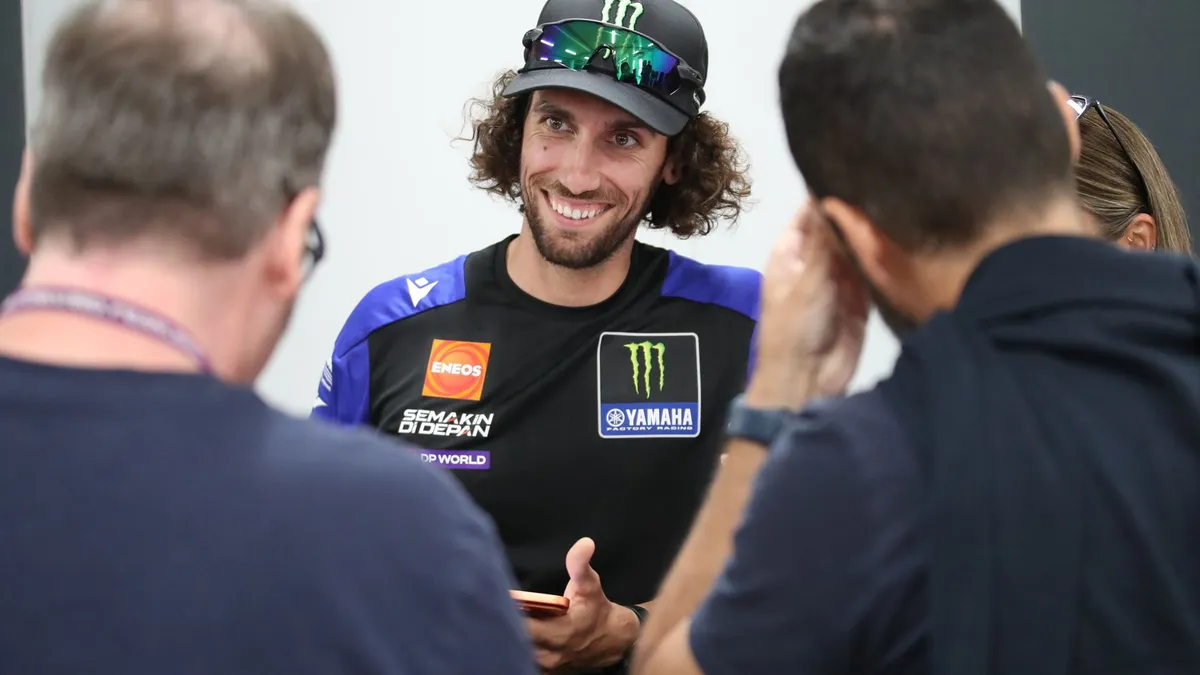
Simak pengakuan Alex Rins soal ancaman pembunuhan di Mandalika dan keluhan performa Yamaha. Baca analisis mendalam di sini!
 Continue with Google
Discussion (0)
Join the Discussion!
Sign in easily to start commenting, replying, and interacting with other readers.
Latest Comments
No comments yet. Be the first!