






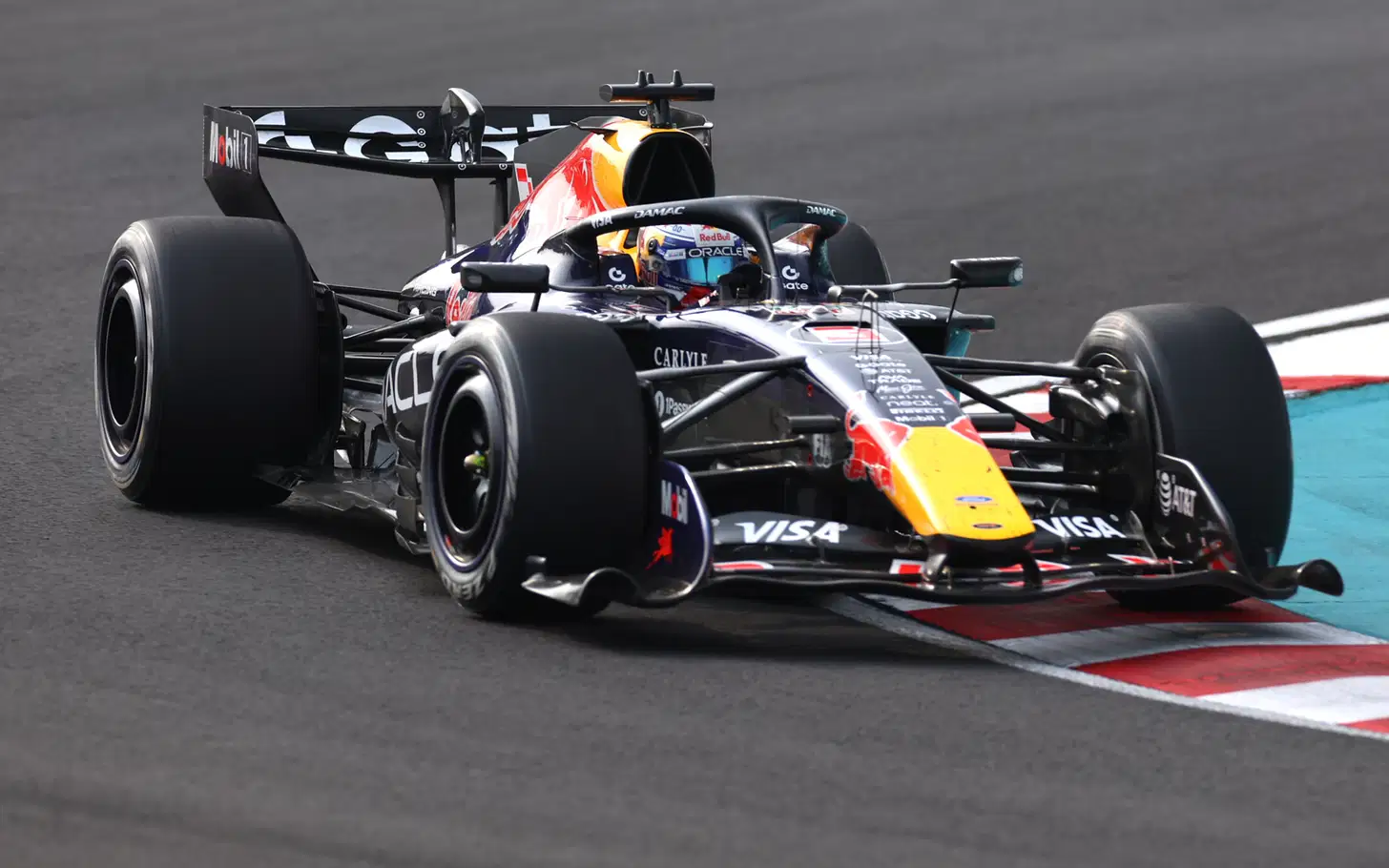

Formula 1, Sportrik Media - Alan Permane of Racing Bulls has cautioned that upcoming Formula 1 technical regulation changes planned for the Miami Grand Prix may not deliver an immediate or comprehensive impact.
Ongoing discussions between the FIA, Formula 1, and the teams are addressing issues identified during the opening three rounds of the 2026 season. Further meetings are scheduled before any proposals are submitted to the World Motor Sport Council for ratification ahead of Miami.
However, the Sprint format of the Miami weekend presents a significant limitation. With only a single hour of free practice before Sprint qualifying, teams will have minimal opportunity to properly evaluate any regulatory adjustments compared to a standard race weekend with extended running time.
The calendar sequence further complicates the situation, with back-to-back Sprint events in Miami and Canada, followed by Monaco—a circuit that offers limited representative data due to its unique layout and characteristics.
Permane highlighted that while there is a clear desire to address concerns such as excessive lift-and-coast and energy harvesting strategies, any changes must be carefully balanced to avoid reducing the technical challenge of the cars.
“We know people don’t like lift and coast, and we don’t want to see excessive energy harvesting. The way to address that is to reduce the available energy,” Permane told media including RacingNews365.
“We can make the cars slower, but we don’t want to make the corners less challenging, so we need to be careful.”
He stressed that although some adjustments are expected to be introduced in Miami, the full package of changes is unlikely to be deployed immediately due to the constraints of the event format.
“There will be changes for Miami, but I don’t think we will see the whole raft of changes there because the format makes teams cautious,” he explained.
Permane suggested a phased implementation approach, with simpler and lower-risk changes potentially trialled in Miami, followed by further adjustments in Canada, while Monaco will offer little opportunity for meaningful evaluation.
“Barcelona might be the first real chance to try more complex changes,” he added.
He also indicated that the regulatory evolution could become an ongoing process rather than a single-step update, driven collaboratively by the FIA and Formula 1 without strict limitations on development direction.
As the 2026 season progresses, the effectiveness of these changes will depend heavily on track conditions and available testing windows. The Miami Grand Prix is therefore expected to mark only the initial phase of a broader regulatory adjustment, with clearer competitive implications likely to emerge later in the European leg of the championship.
Read Also
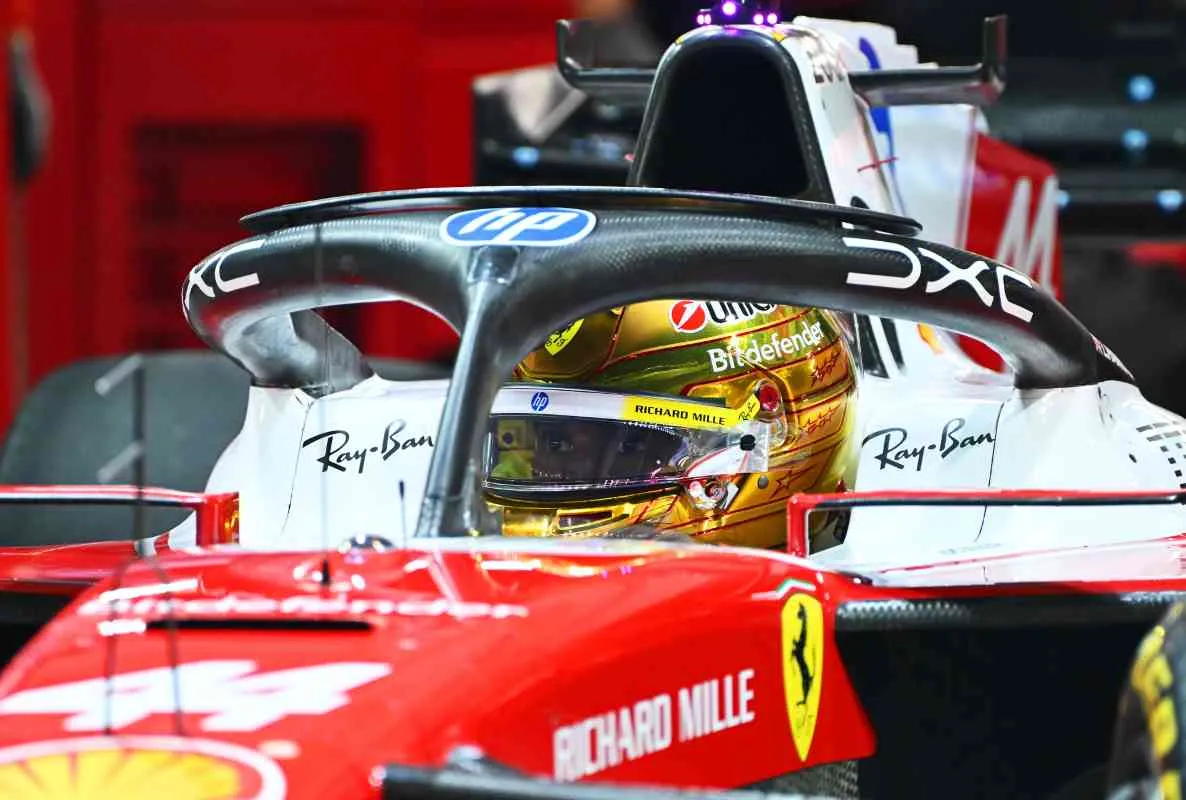
Jean Alesi soroti tindakan Lewis Hamilton abaikan pit wall Ferrari. Baca analisis mendalam, dampak strategi ban, dan update tim di sini!
Simak analisis mendalam F1 terkait spekulasi krisis kepercayaan Lewis Hamilton di Ferrari. Baca berita selengkapnya di sini!
Simak analisis lengkap evaluasi Andrea Stella atas insiden McLaren di Singapura serta komitmen tim. Baca berita F1 terbaru di sini!
 Continue with Google
Discussion (0)
Join the Discussion!
Sign in easily to start commenting, replying, and interacting with other readers.
Latest Comments
No comments yet. Be the first!