







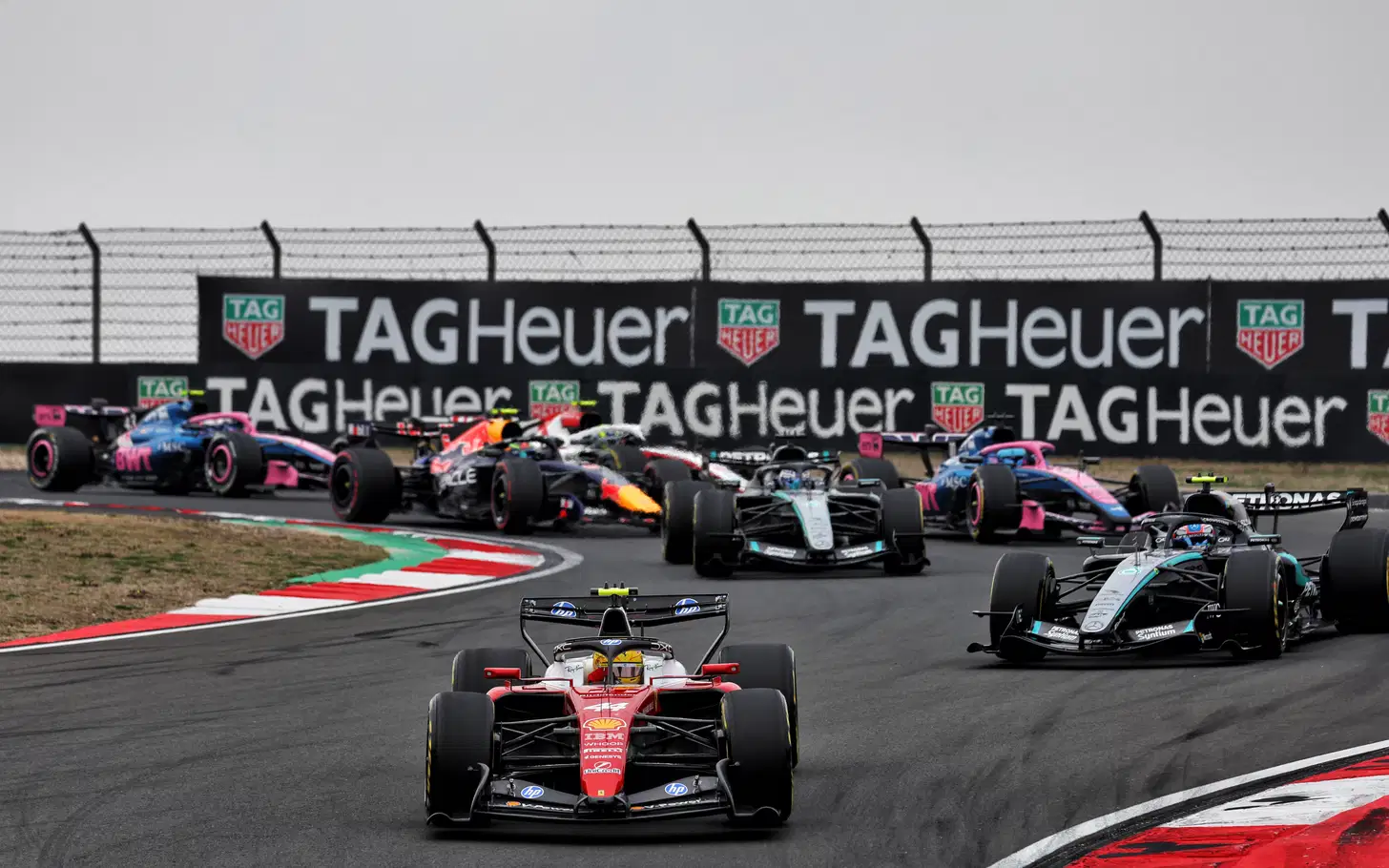

Formula 1, Sportrik Media - Nikolas Tombazis of the FIA has stressed that Formula 1 cannot become dependent on automotive manufacturers when defining the next generation of engine regulations.
The statement comes as early discussions begin regarding the power unit framework set for introduction in 2031. The current 2026 regulations were specifically designed to attract new original equipment manufacturers, resulting in the entry of Audi as a works team and plans from General Motors to join through the Cadillac project as a future power unit supplier.
In addition, Ford has returned as a technical partner to Red Bull Powertrains, while Honda has re-established itself as a full works supplier in partnership with Aston Martin F1 Team. These developments highlight the effectiveness of the current regulatory approach in attracting industry participation.
A central element of the 2026 regulations is the 50:50 split between internal combustion engine output and electrical energy. However, Tombazis acknowledged that the assumptions underpinning those rules have shifted due to changes in the global automotive landscape.
“When these regulations were originally discussed, manufacturers indicated they would fully transition away from internal combustion engines. That scenario has not materialised to the extent expected,” Tombazis explained.
He also emphasised the importance of sustainable fuels as a key component of Formula 1’s long-term strategy, offering a viable pathway to maintain relevance for combustion engine technology alongside electrification efforts.
Within this context, the FIA is seeking to balance manufacturer involvement with the sport’s independence. Tombazis made clear that while attracting and retaining manufacturers remains a priority, Formula 1 must avoid becoming structurally vulnerable to their strategic decisions.
“We want manufacturers to be part of the sport, but we cannot be in a position where their decision to stay or leave defines our stability. Cost control remains equally important,” he added.
Given the long development cycles associated with power units, discussions around the 2031 regulations must begin early despite the recent introduction of the 2026 framework. This reflects the natural timeline required to design, develop, and implement complex hybrid systems.
As the automotive industry continues to evolve, the FIA’s approach signals an intent to create flexible and resilient regulations that are not tied to a single technological direction. Decisions made during this phase will shape the long-term trajectory of Formula 1 heading into its next regulatory cycle.
Read Also

Charles Leclerc declares himself fit for F1 Spanish GP after horrific Monza crash. He has recovered from neck pain and blurred vision. Read the latest update.
Charles Leclerc criticizes media for blowing his Monza clash with Lewis Hamilton out of proportion. He admits fault but says Ferrari gets more attention than other teams.
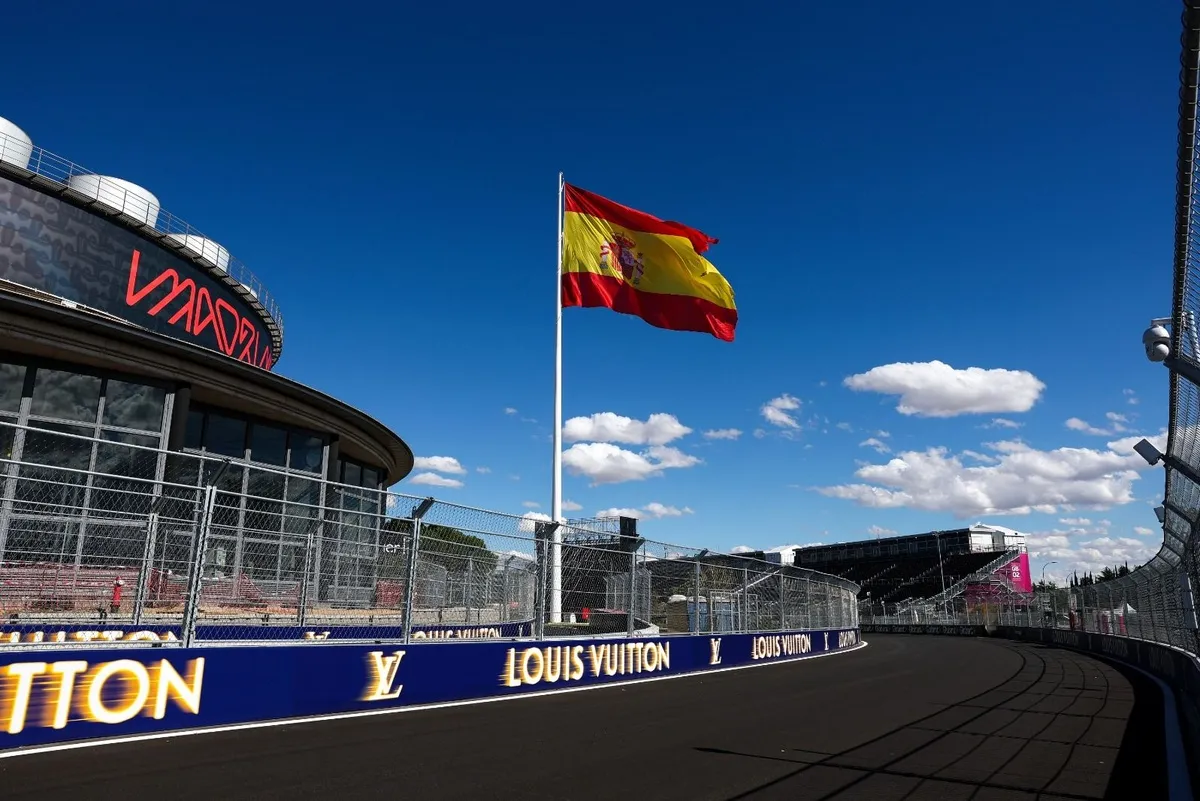
Madring F1 circuit sparks driver reactions: blind corners, banking, and red flag predictions. Read the full analysis of the new Spanish GP track.
 Continue with Google
Discussion (0)
Join the Discussion!
Sign in easily to start commenting, replying, and interacting with other readers.
Latest Comments
No comments yet. Be the first!