







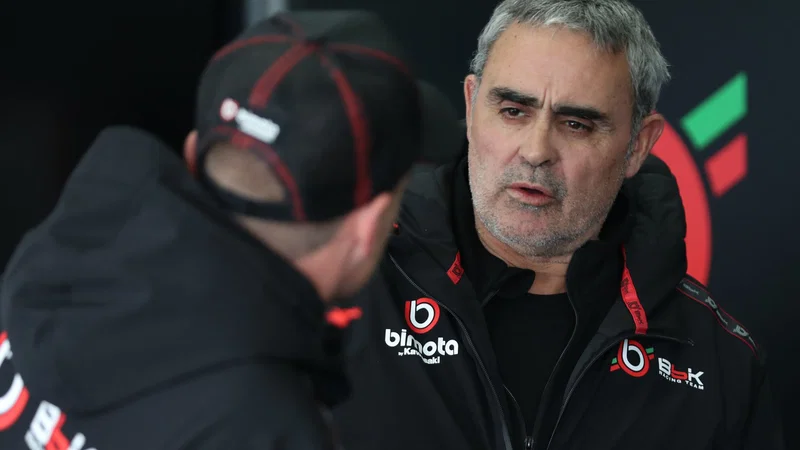

Pere Riba has criticised WorldSBK’s performance balancing system, arguing that fuel flow control has not had a meaningful impact on competitiveness.
Jonathan Rea’s former crew chief highlighted that WorldSBK has used fuel flow controls since 2025 to balance bike performance, replacing the previous rev limiting system. However, Riba believes the change has not significantly altered the competitive picture.
Ducati currently has the lowest maximum fuel flow of all manufacturers and is already at the minimum maximum flow permitted by the regulations. Even so, the Italian manufacturer has won every race, including factory team 1-2 finishes in the last 18 races.
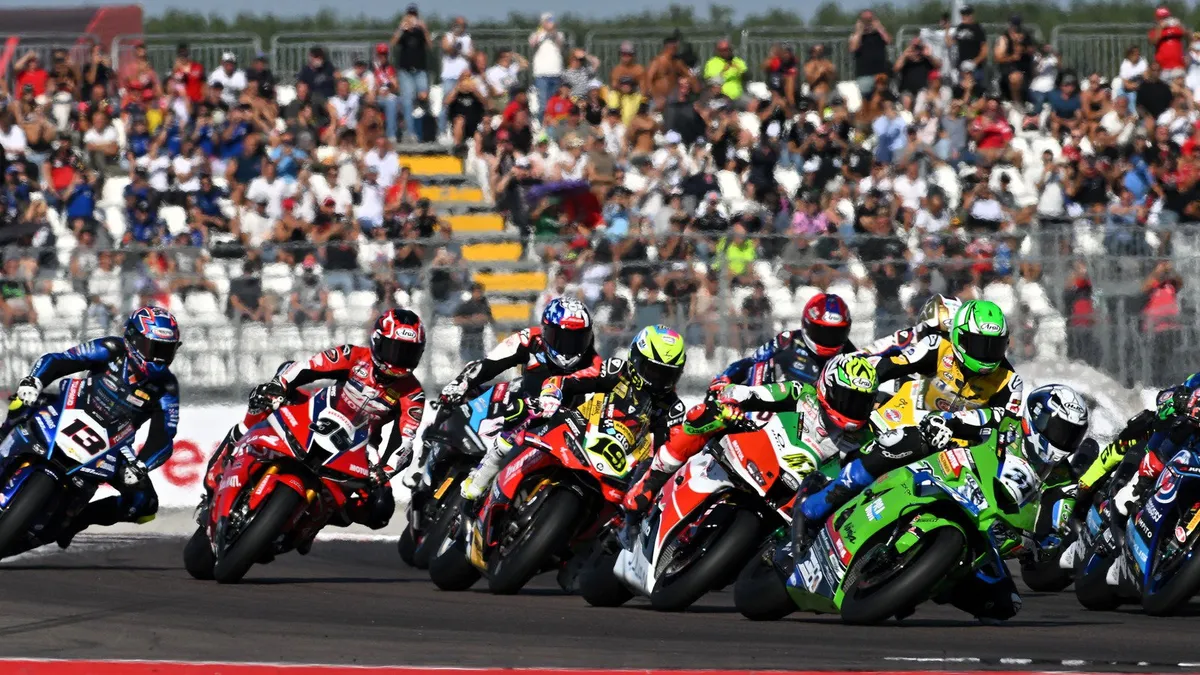
“There are two ways to read it,” Riba said. “You can say ‘chapeau, you’ve been brilliant, you’re the strongest’.”
“The second option: Superbike lives on the concept of balancing performance. I mean balance in general: technical and also non-technical.”
“The key is the concept: balance. They introduced fuel flow control, but it’s useless – you can all see it.”
“So, the situation is that this kind of balancing doesn’t work. The result has been zero. Today we can only fight to finish behind the Ducatis.”
Riba stressed that his criticism was not aimed at dismissing Ducati’s work. He said Ducati had done an outstanding job, but argued that the regulatory mechanism intended to balance performance is not functioning as intended.
“Don’t get me wrong, I don’t want to stir controversy. I’m just making two observations: Ducati has done an amazing job, the regulatory balancing doesn’t work.”
Riba compared WorldSBK with Sportbike and Supersport, which he believes show that performance balancing can work more effectively. He argued that the previous rev limiter system was not perfect, but still balanced competition better than fuel control.
“I see 400cc bikes racing against 800cc bikes, with different cylinder configurations, projects, and vehicle identities that are very far apart. Yet the races are beautiful, and the same goes for Supersport – it’s spectacular.”
“Superbike is not.”
“I’m not pointing fingers, I’m just saying that Superbike today is not a good championship.”
Riba also criticised the decision-making structure through the MSMA, because rule changes require unanimity from the five manufacturers. In his view, the veto system makes regulation difficult to move forward, leaving performance balancing frozen when one party rejects change.
“From my point of view it makes no sense, it’s not smart.”
“There should be a more democratic criterion: if three propose changing course and two are against, the majority should prevail.”
“Instead, if one party doesn’t like a proposed change, they can stop it. Everything stays frozen, and the result is right in front of us.”
Riba’s criticism frames WorldSBK BoP as a regulatory issue rather than simply a question of one manufacturer’s dominance. With Ducati still ahead despite the lowest fuel flow limit, the next debate will centre on whether WorldSBK can find a more effective balancing system for the next phase of the season.
Read Also
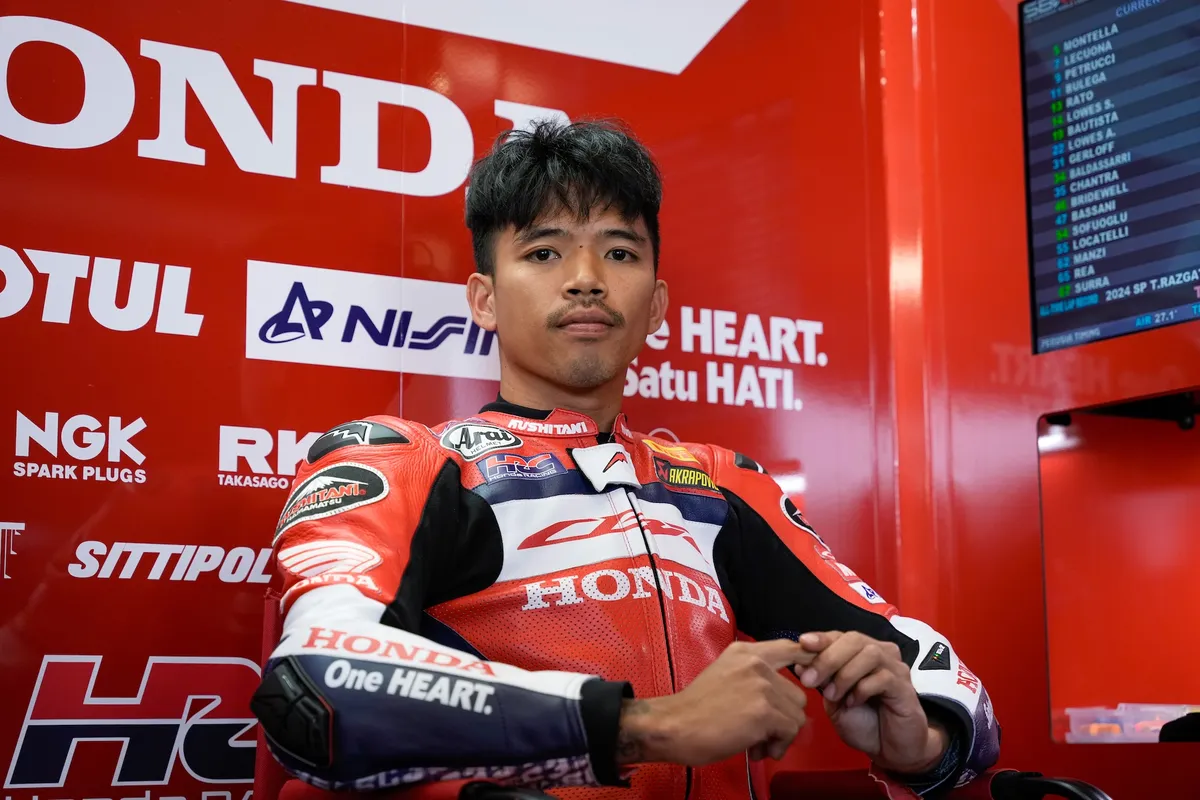
Somkiat Chantra resmi memperpanjang kontrak bersama Honda HRC di WorldSBK hingga 2027, berduet kembali dengan Jake Dixon untuk musim depan.
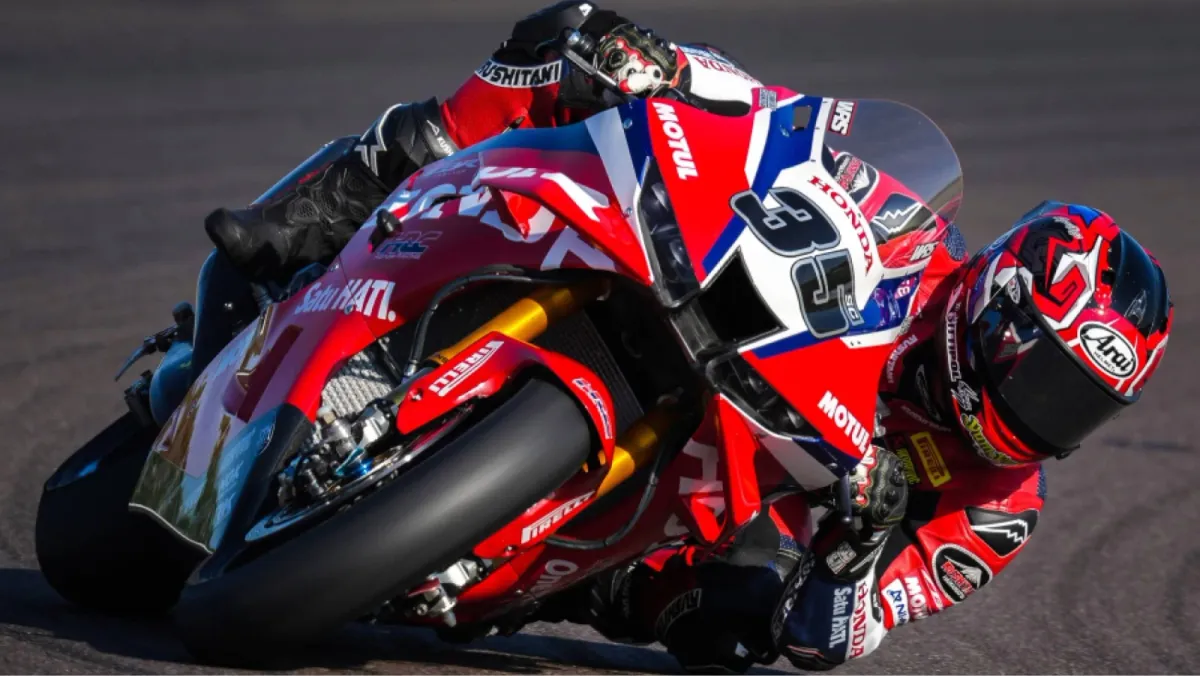
Honda pastikan line-up WorldSBK 2027 tidak berubah usai Somkiat Chantra perpanjang kontrak, tetap berduet dengan Jake Dixon.
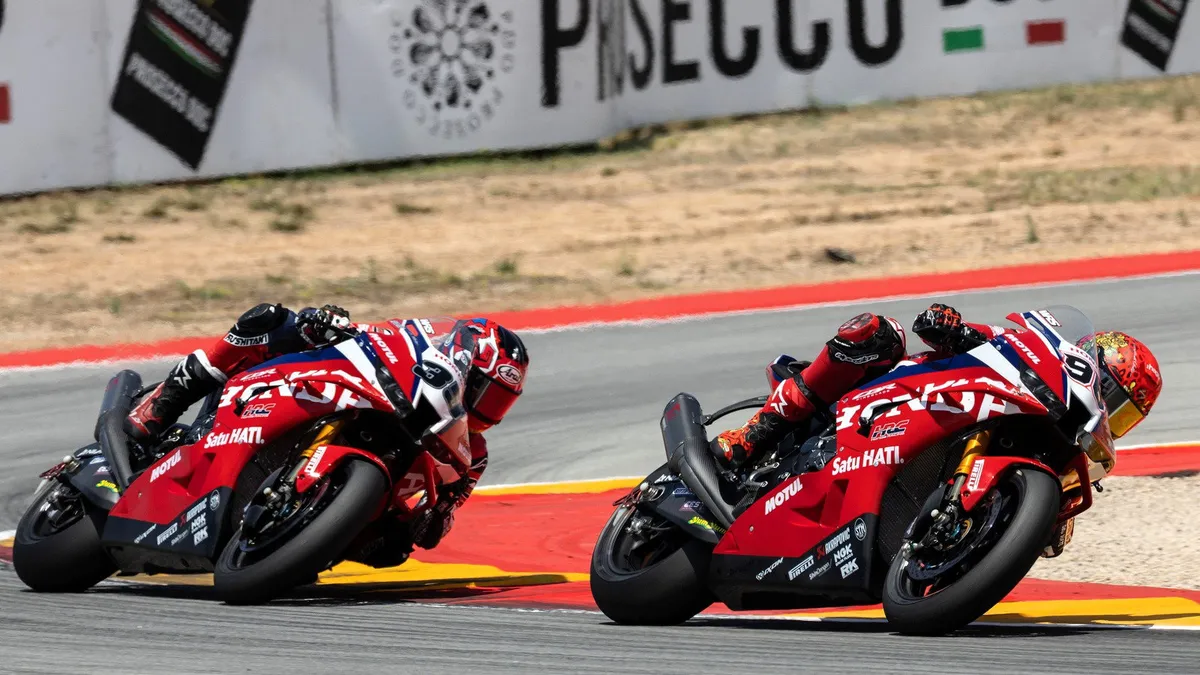
Somkiat Chantra resmi perpanjang kontrak bersama Honda HRC untuk WorldSBK 2027, tetap jadi rekan setim Jake Dixon di era baru Michelin.
 Continue with Google
Discussion (0)
Join the Discussion!
Sign in easily to start commenting, replying, and interacting with other readers.
Latest Comments
No comments yet. Be the first!