







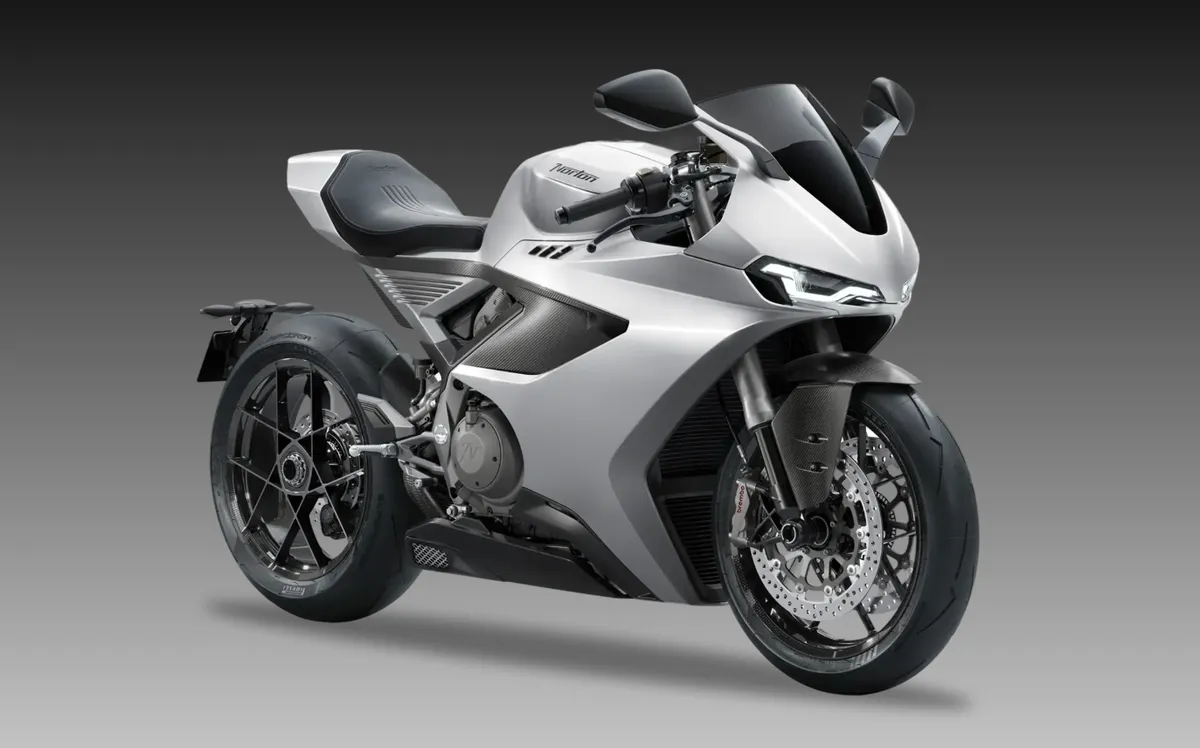

Norton has gone through a long development journey for its latest superbike, the Norton Manx R, involving more than 50 riders and logging over 500,000 kilometers of testing. These figures are not just marketing claims but tangible proof of a serious development process where every technical decision is based on real-world data from roads and tracks.
This extensive development program placed the rider at the center of every decision. More than 50 riders with different profiles were involved in testing on public roads and circuits, while telemetry systems recorded nearly 218,000 kilometers of actual riding. This data was analyzed to understand how a superbike is used in real conditions, not just on paper.
Real Data Shifts Design Priorities
One of Norton's main goals was to make rider feedback an engineering requirement. Input from testers was combined with data from instrumentation to progressively refine the engine, chassis, suspension, brakes, and electronics. The telemetry revealed that over 98% of riding time occurs between idle and 7,000 rpm. This finding changed Norton's priorities: instead of chasing extreme peak power, they chose to maximize torque and precise throttle response.
The result is a 72-degree V4 engine with a displacement of 1,200 cc, producing 206 horsepower and 130 Nm of torque. The power is designed to be usable in a realistic rev range, not just to chase numbers on paper. The Phased Pulse ignition strategy also aids mechanical traction and improves the connection between the throttle and rear wheel, allowing riders to control power more precisely.
Balanced Chassis, Suspension, and Brakes
Norton opted for a twin-spar aluminum chassis with high longitudinal rigidity and controlled lateral and torsional flexibility. The goal is to provide predictable response and clear communication with the rider, without making the Manx R a track-only machine. Semi-active suspension is the primary choice, with sensors analyzing bike movement every three milliseconds to adjust damping in real-time. For those seeking simplicity, a version with manually adjustable Marzocchi passive suspension is also available.
The braking system relies on Brembo HYPURE front calipers with 320mm discs, paired with Bosch Cornering ABS EVO. This combination promises strong and stable stopping power, whether on the road or pushed hard on a circuit. The transmission also received special attention with close ratios, assist and slipper clutch, electronic quickshifter, and automatic rev-matching to facilitate both acceleration and downshifts.
With a data-driven approach and a focus on rider experience, the Norton Manx R arrives as a superbike that is not only fast but also enjoyable and reliable. This lengthy development process demonstrates Norton's commitment to creating a motorcycle that truly meets market needs, not just chasing top specs.
Read Also
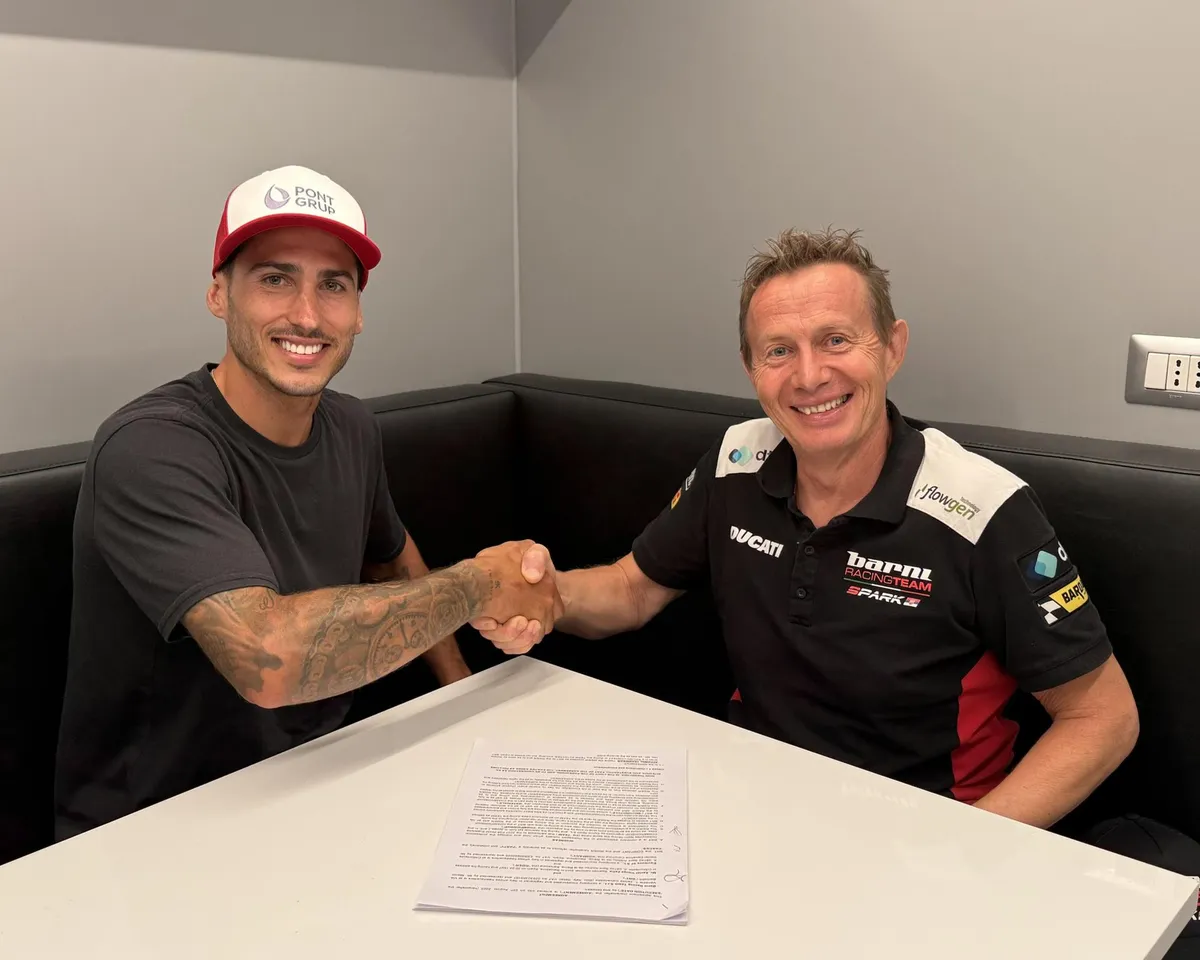
Xavi Vierge resmi bergabung dengan Barni Spark Racing Team untuk WorldSBK 2027, akan berduet dengan Yari Montella dan mengendarai Ducati Panigale V4.
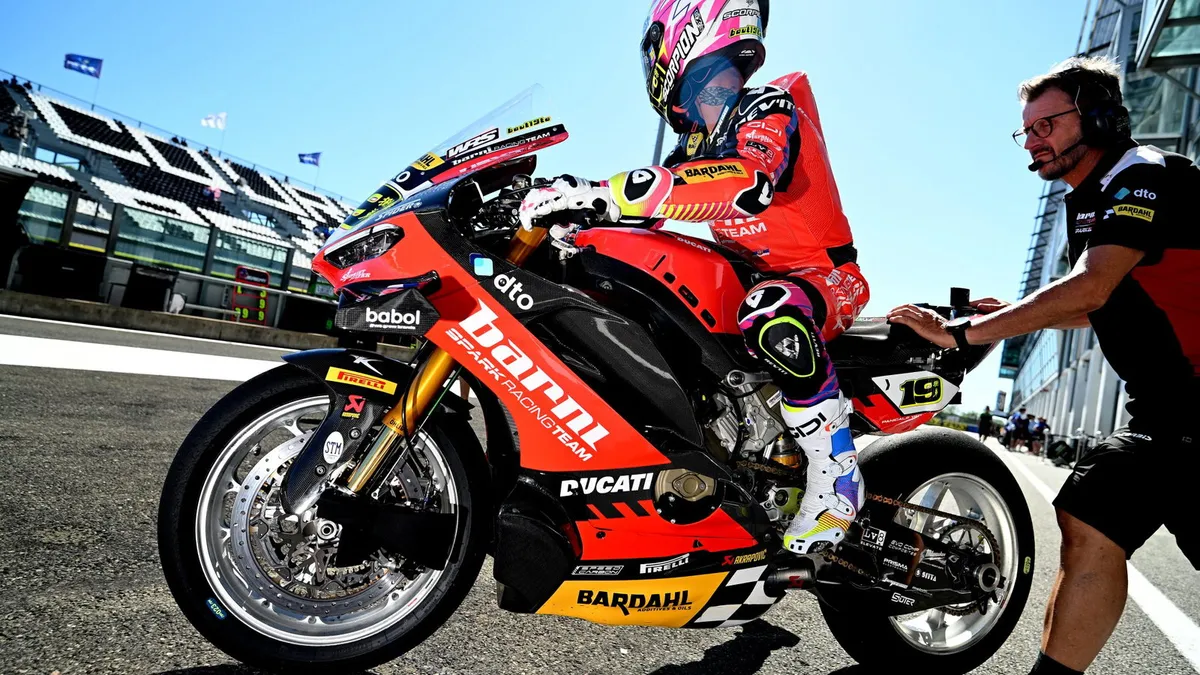
Barni Ducati resmi merekrut Xavi Vierge untuk WorldSBK 2027, sementara masa depan Alvaro Bautista semakin tidak pasti dan mendekati pensiun.
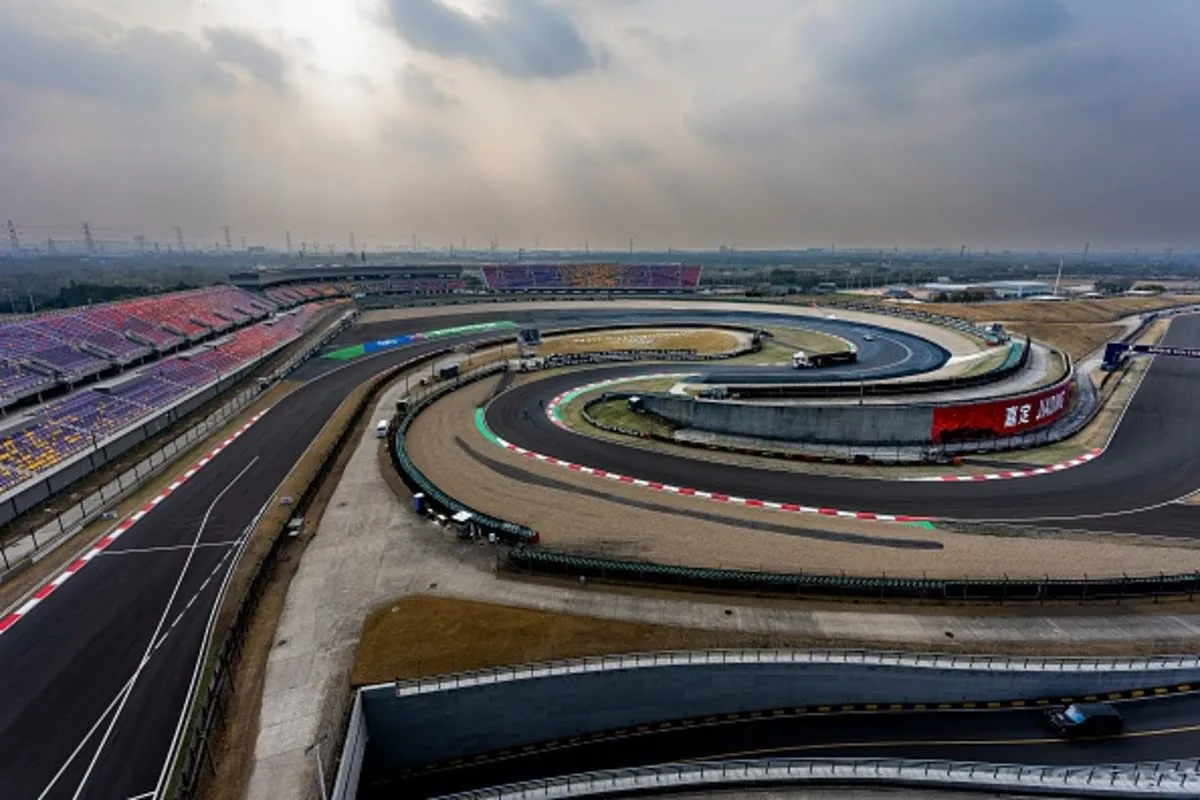
WorldSBK resmi merilis kalender sementara 2027: Valencia dan Shanghai debut, Hungaroring dan Jerez absen. Simak jadwal lengkap dan dampaknya.
 Continue with Google
Discussion (0)
Join the Discussion!
Sign in easily to start commenting, replying, and interacting with other readers.
Latest Comments
No comments yet. Be the first!