






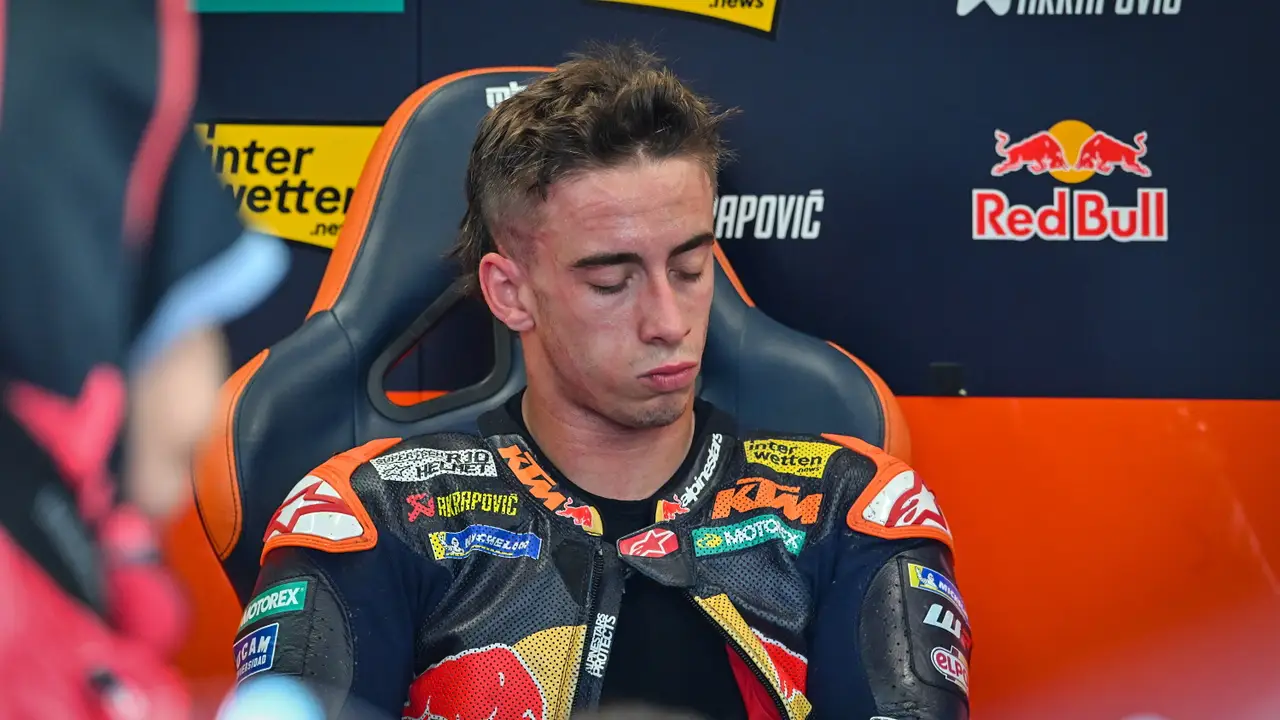

Factory KTM primary driver Pedro Acosta has openly voiced technical bewilderment regarding the absolute mechanical grip parameters extracted by Ducati Desmosedici GP26 rider Marc Marquez during the 2026 Hungarian Grand Prix Sprint Race at the Balaton Park Circuit. Acosta analytically evaluated that the pure traction generated by Marquez operated on an entirely different level compared to the physical limitations of rival aerodynamic machinery across the venue. This structural deficit forced the Mattighofen-based squad to absorb a heavy tactical defeat after previously projecting a strong performance window for their RC16 chassis during pre-race low-speed cornering simulations.
Marquez comprehensively converted his pole position launch into an absolute lights-to-flag victory over the 13-lap distance, immediately breaking away from the primary tracking group. Acosta secured a solid second-place podium finish with a final time delta of 1.548 seconds, though the mathematical gap separating the leading duo had actively expanded beyond the two-second threshold during the mid-race phase. Telemetry metrics confirm that Marquez's pace advantage was structurally anchored from lap two, where the defending world champion registered a single-lap benchmark that sat a massive 0.431 seconds faster than Acosta's absolute personal best sector output, proving a significant performance jump compared to the previous grand prix event.
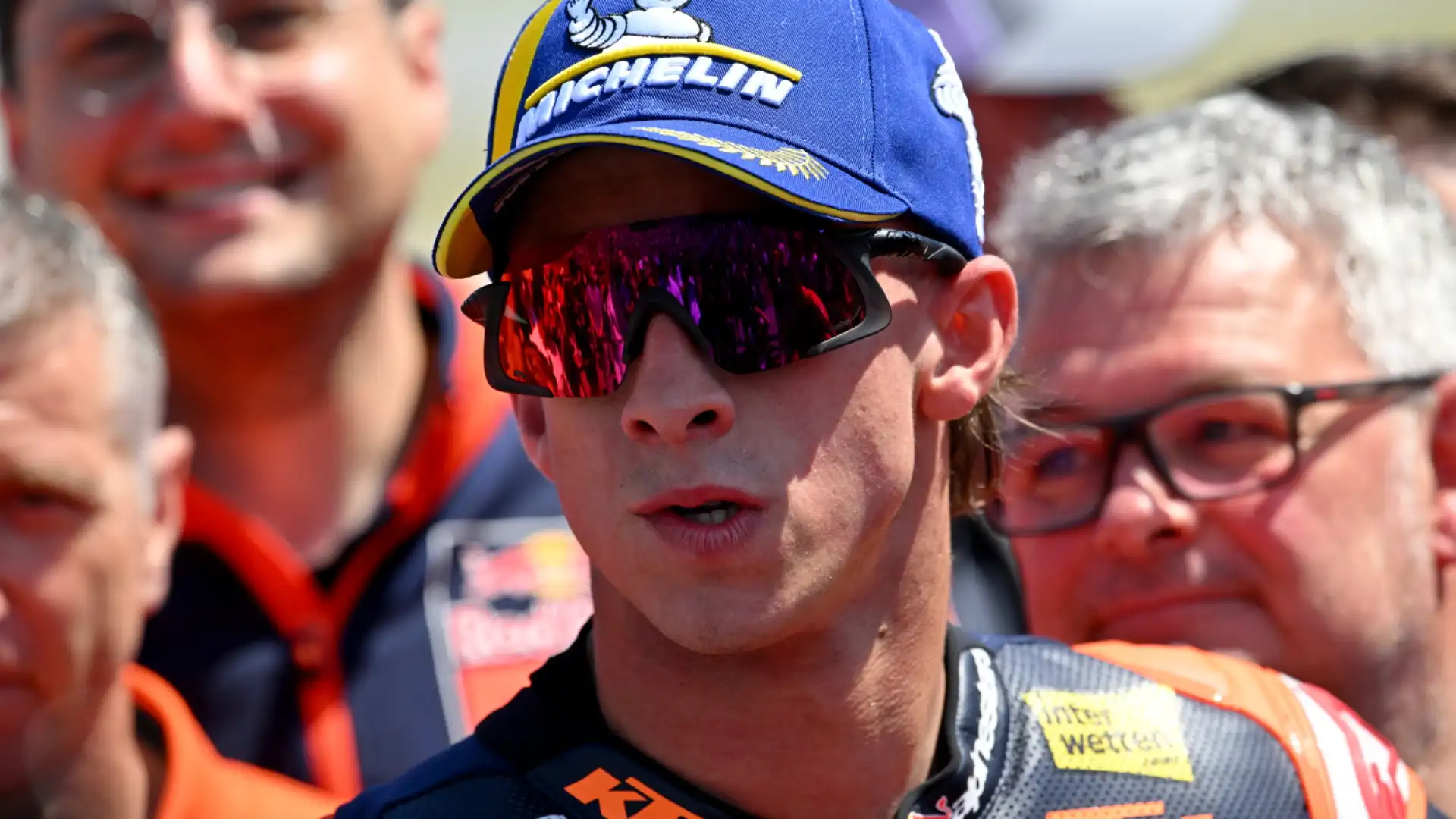
This distinct power transfer anomaly was pinpointed by Acosta through direct tracking observation from his onboard racing line while holding second position. "You only have to see how fast he went out of Turn 4 in the first lap already, and then you understand that the grip level was on another world compared to [other] bikes," Acosta stated analytically during his media debriefs regarding his tire degradation discrepancies. This technical acceleration advantage completely neutralized the slipstream strategy planned by KTM, as the absolute physical distance between the packages continuously expanded throughout the opening laps.
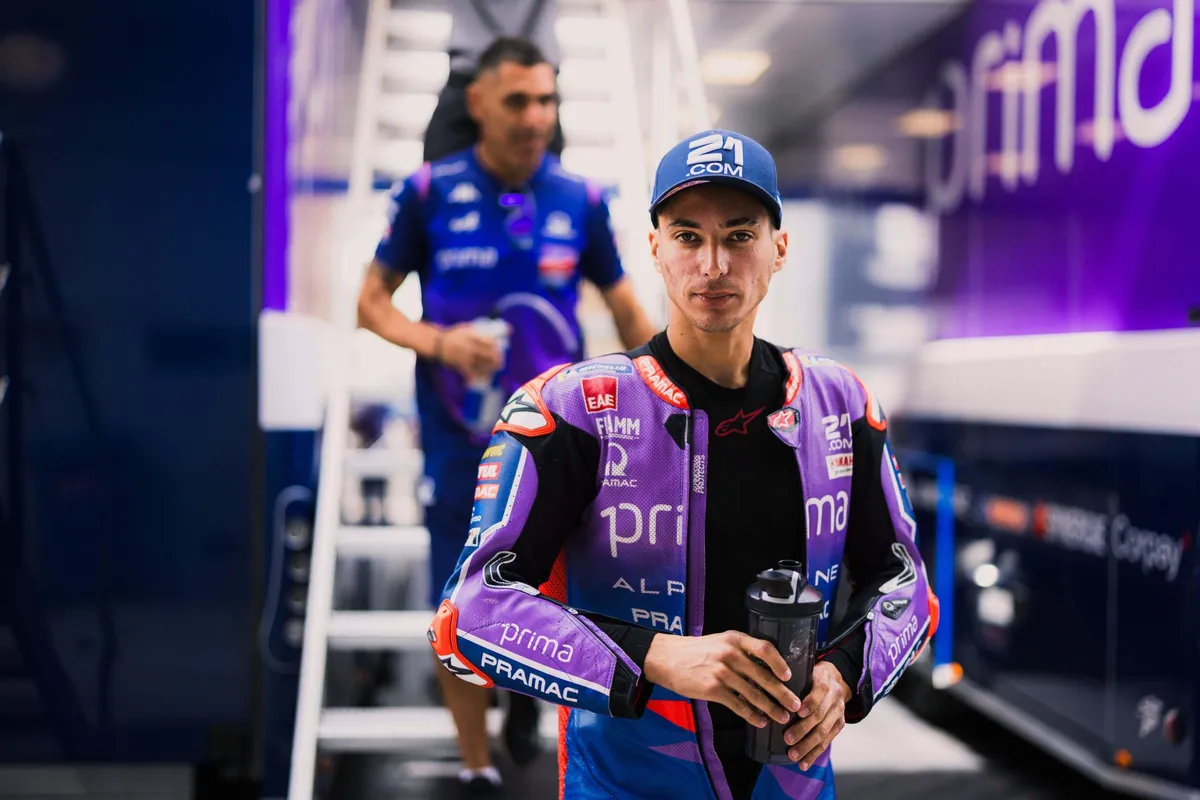
The championship rookie classified this specific competitive dynamic as highly unusual for his data engineering department to comprehend. The architectural nature of the resurfaced Balaton Park asphalt forced the majority of the field to manage a prolonged thermal initialization phase before being capable of breaching pure velocity limits. A identical tracking reality compromised current points leader Marco Bezzecchi aboard the factory Aprilia, whose machinery required a sequence of preparation loops before stabilizing its core racing rhythm under green-flag conditions.
"He was directly really fast. I took some laps to go fast again, and then it looks like it happened the same to Bezzecchi behind with the Aprilia, who took some laps to go fast and then the pace was quite stable," Acosta detailed, breaking down his Pirelli soft compound performance. "For this, it’s quite difficult to understand why we were taking time [to get up to speed]." He further clarified that executing an aggressive holeshot maneuver past Marquez entering heavy braking zones at Turn 1 would not have structurally altered the final race outcome.
The definitive mechanical exit speed displayed by the Ducati chassis out of Turn 4 and across the final sector parameters remained too superior to contain over a sustained short-format tracking distance. This empirical realization forces the KTM engineering garage to immediately execute software recalibrations regarding their electronic torque mapping configurations ahead of Sunday's full Grand Prix distance. Acosta verified that every single parameter within the Sprint database must be thoroughly scrutinized to optimize the RC16 weight distribution layout and bridge the pure velocity gap to protect their positioning within the world championship standings.
Read Also
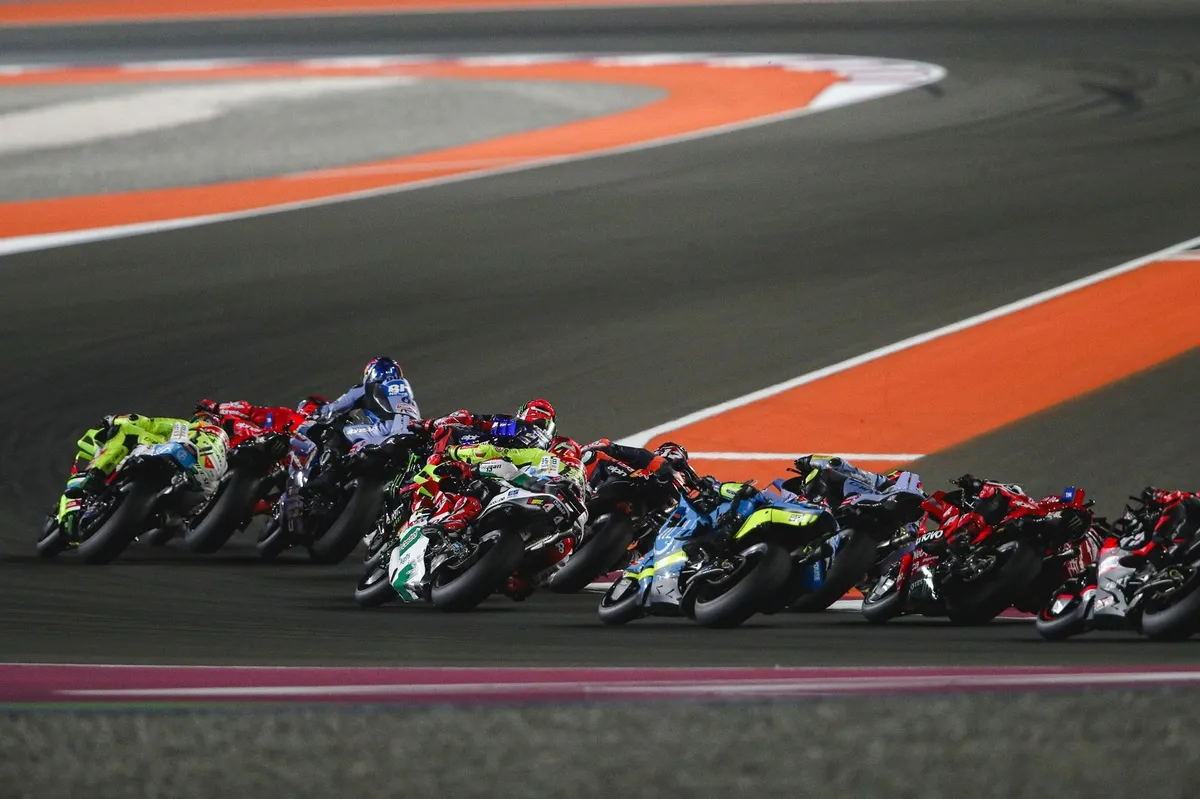
Grand Prix Qatar dipastikan tetap berjalan sesuai jadwal meski situasi Timur Tengah bergejolak. Baca analisis mendalam dan update lengkapnya di sini!
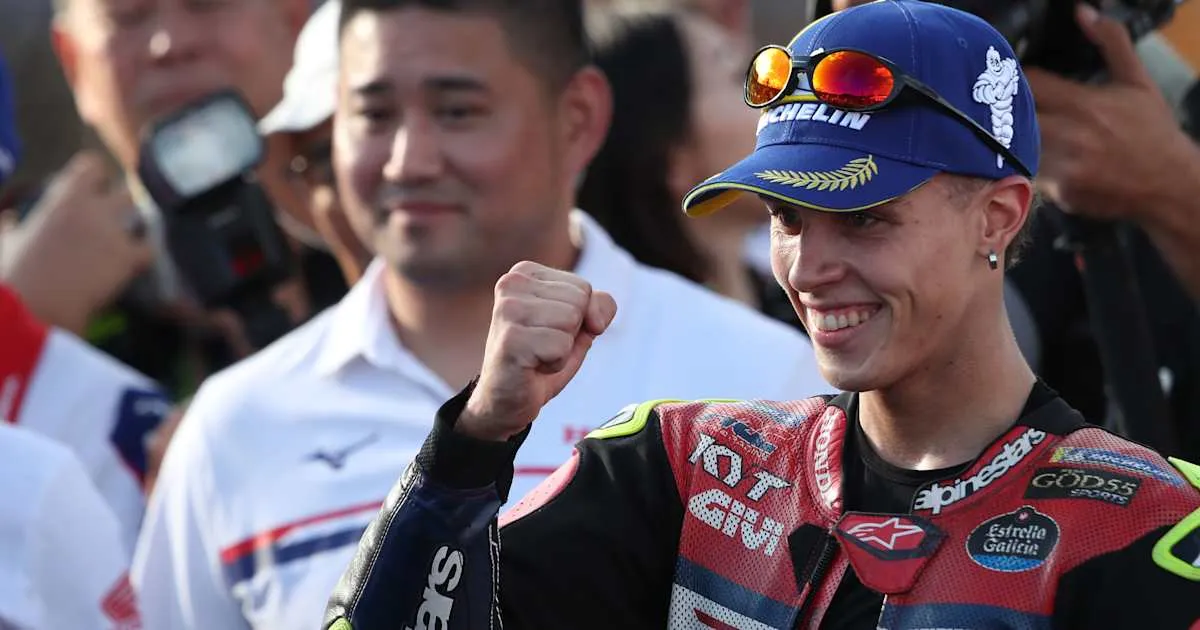
Diogo Moreira resmi promosi ke tim pabrikan Honda untuk MotoGP 2027 dampingi Fabio Quartararo. Baca analisis lengkap perpindahan pembalap di sini.
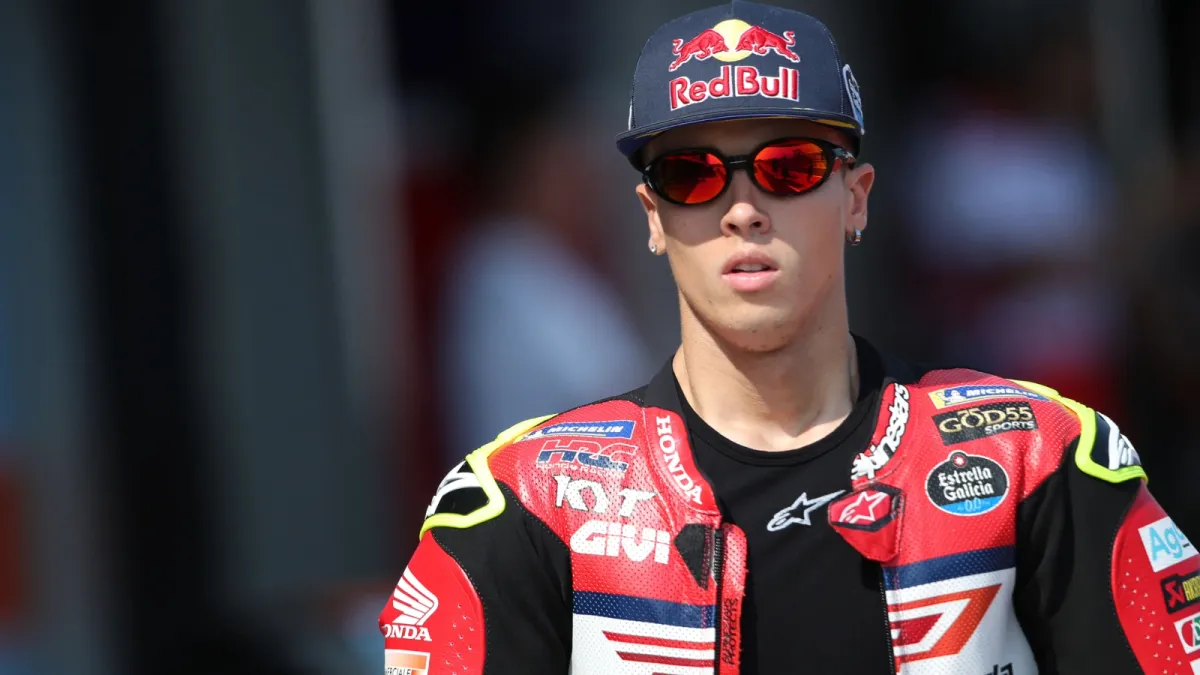
Diogo Moreira promosi ke tim pabrikan Honda MotoGP 2027 dan David Alonso gabung LCR. Baca analisis mendalam perpindahan pembalap ini di sini!
 Continue with Google
Discussion (0)
Join the Discussion!
Sign in easily to start commenting, replying, and interacting with other readers.
Latest Comments
No comments yet. Be the first!