







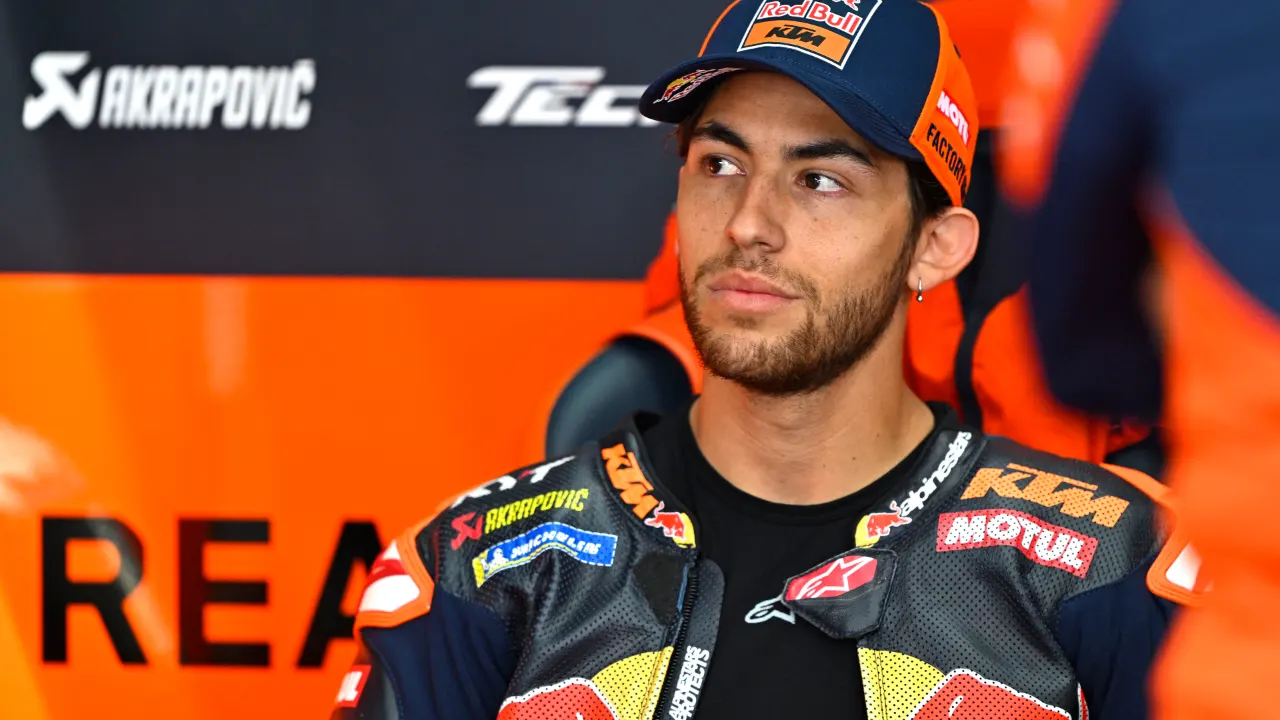

Enea Bastianini suffered a premature exit from the MotoGP Sprint at Mugello following a critical front-end crash on lap five due to pushing his machinery beyond its operational limits. Leading the KTM charge within the point-scoring positions, the Italian rider was forced to abandon his race while defending aggressively against Pedro Acosta under heavy braking into the demanding Turn 10.
The incident occurred as Bastianini utilized the extreme outside line, clipping the entry kerb to maximize his track utilization for a wider corner entry. He openly admitted that this particular braking manoeuvre was not optimal for carrying speed and pushed the absolute boundary of race craft. The aggressive approach ultimately overloaded the front tyre during peak deceleration, causing the RC16 to fold and send him tumbling straight into the gravel trap.
A deep desire to deliver a standout performance at his home Grand Prix acted as the primary psychological catalyst for the unforced error. Bastianini acknowledged the high-risk nature of his riding style during the short-format Sprint, realizing that pushing past the grip threshold was a fundamental miscalculation. The crash serves as a harsh reality check, transforming a potentially solid point-scoring afternoon into a severely disappointing zero-point classification.
Persistent RC16 Turning Deficits and Rival Discrepancies
The root cause of Bastianini's over-riding stems from a persistent technical flaw within the current RC16 chassis architecture, specifically its reluctance to turn naturally at maximum lean angle. This inherent turning limitation forces riders to rely excessively on ultra-late braking to compensate for the lap time lost mid-corner. The lack of natural cornering speed means defending against competitors riding more agile machinery becomes an incredibly demanding physical and technical challenge over race distance.
The severity of the turning issue became glaringly apparent to Bastianini early in the race when he was effortlessly passed by Fermin Aldeguer. Attempting to follow his rival's trajectory through the sweeping Tuscan corners exposed a massive deficit in apex momentum, creating intense frustration for the home hero. The sheer inability to match the mid-corner speed left him heavily exposed to attacks from behind, directly contributing to the defensive desperation that caused his downfall.
Tyre Compound Strategy and Main Race Preparations
Friday's practice sessions initially offered a glimmer of hope after Bastianini secured a top-three classification, temporarily masking the underlying turning issues. However, the performance gap widened significantly on Saturday as rival manufacturers successfully unlocked additional aerodynamic pace. The Tech3 engineering crew now faces a monumental task to analyze the limited telemetry data and completely overhaul the chassis geometry ahead of Sunday's physically demanding feature race.
Looking ahead to the full-distance Grand Prix, the medium-compound rear tyre emerges as the most logical tactical choice following extensive testing during FP2. Unlike the Sprint, where the soft rear provides explosive but short-lived traction, Sunday's distance mandates strict thermal management to prevent massive late-race drop-offs. Nevertheless, evaluating the front tyre's feedback remains a critical priority for the morning warm-up session to ensure adequate support during extreme braking phases.
The final decisions regarding setup adjustments and tyre allocation will ultimately hinge on track temperatures just before lights out. For Bastianini, failing to complete the Sprint distance meant missing out on crucial data regarding the tyre's exact degradation curve under racing conditions. Operating with incomplete race-pace knowledge, the squad must now engineer a blind strategy to salvage vital championship points and regain confidence on home soil.
Read Also
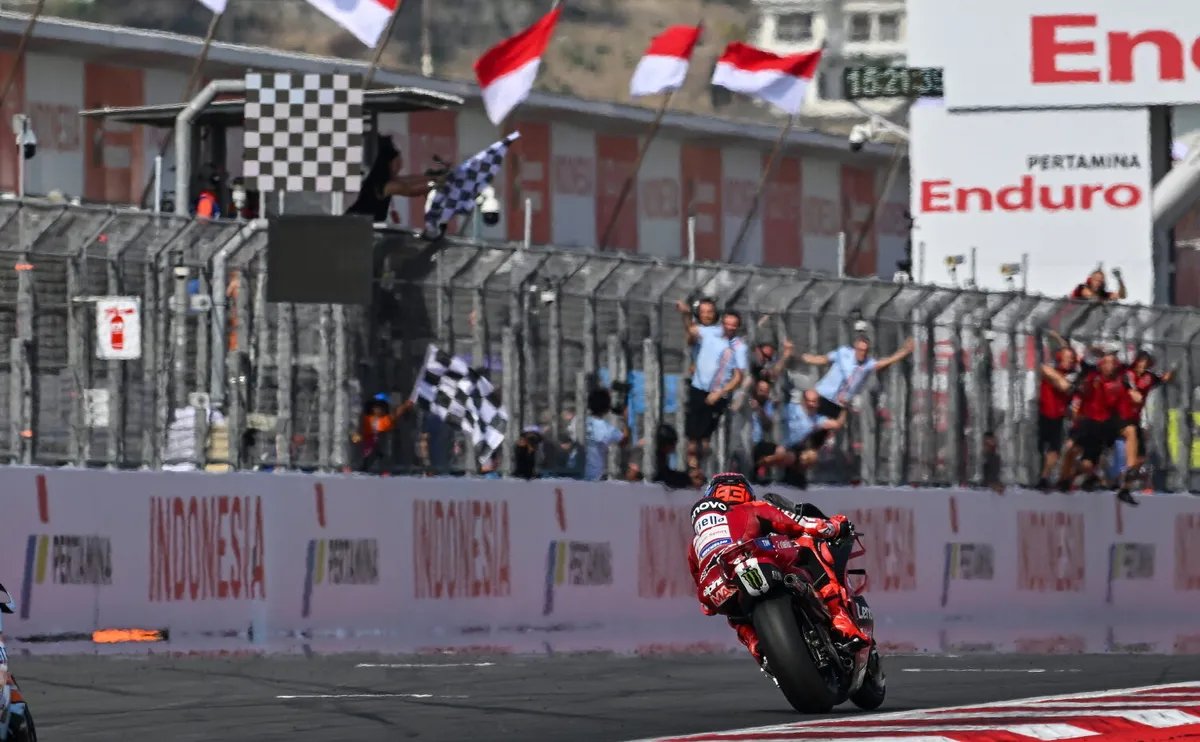
Marco Melandri sebut Aprilia sia-siakan peluang emas di Mandalika. Simak analisis lengkap, update poin, dan jadwal akhir pekan ini di Sportrik.
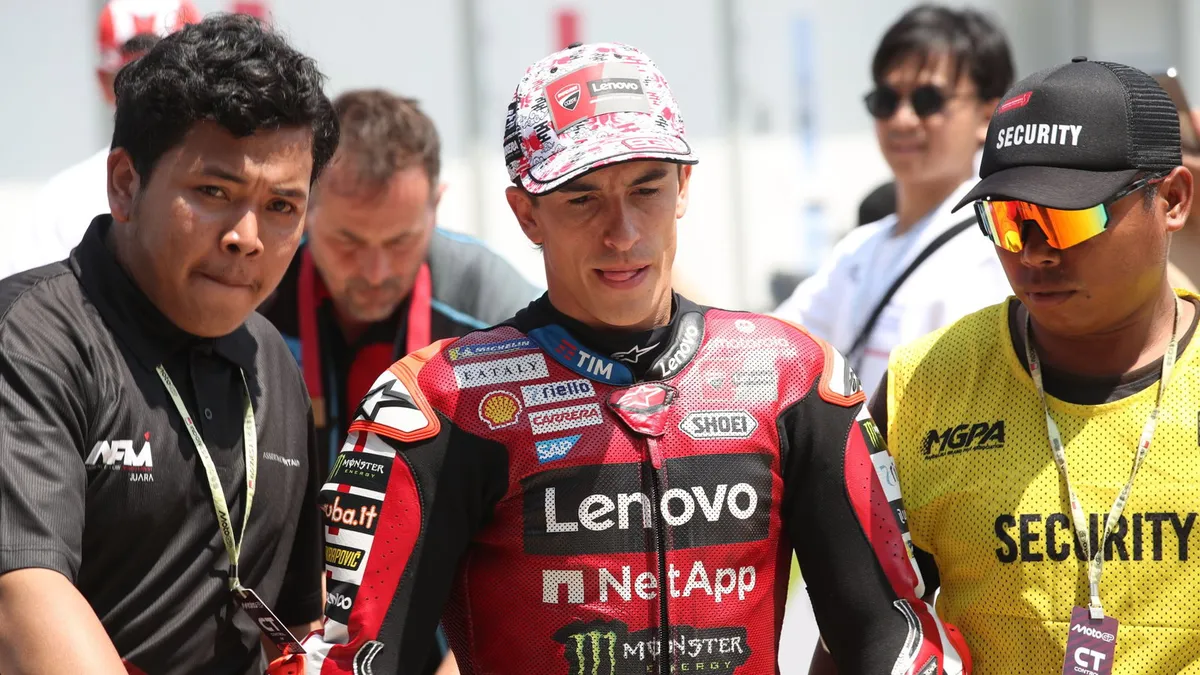
Davide Tardozzi membantah isu Ducati 2026 dibuat khusus untuk Marc Marquez. Baca analisis mendalam dan penjelasan teknis selengkapnya di sini.
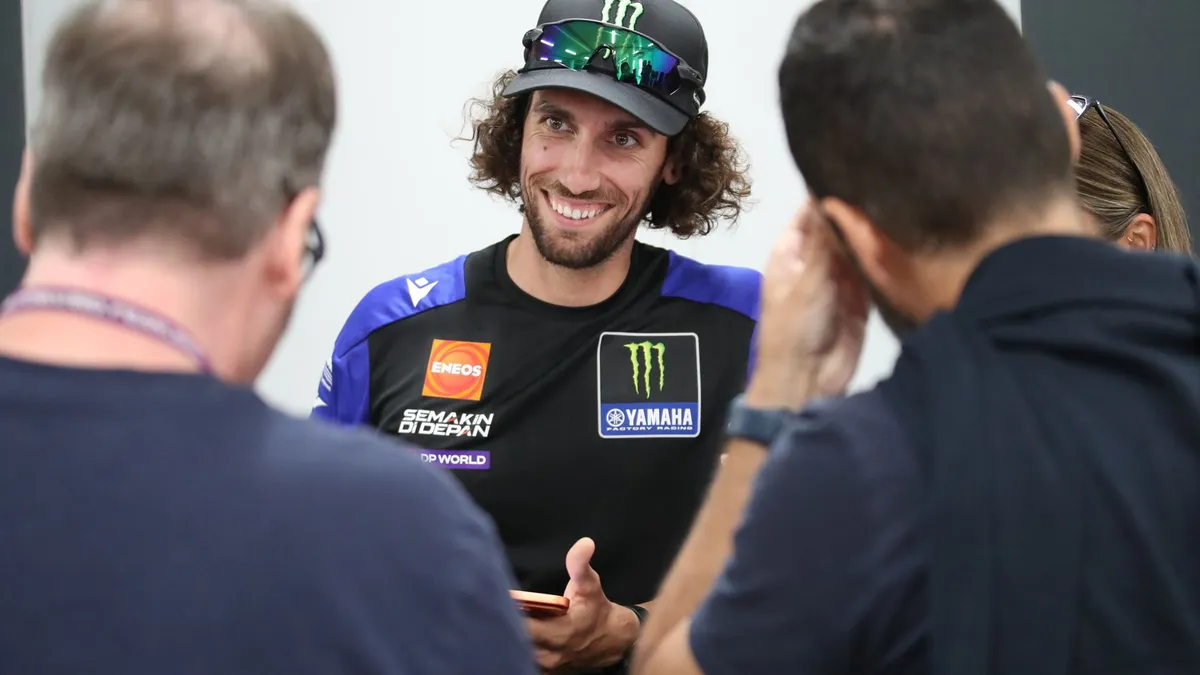
Simak pengakuan Alex Rins soal ancaman pembunuhan di Mandalika dan keluhan performa Yamaha. Baca analisis mendalam di sini!
 Continue with Google
Discussion (0)
Join the Discussion!
Sign in easily to start commenting, replying, and interacting with other readers.
Latest Comments
No comments yet. Be the first!