







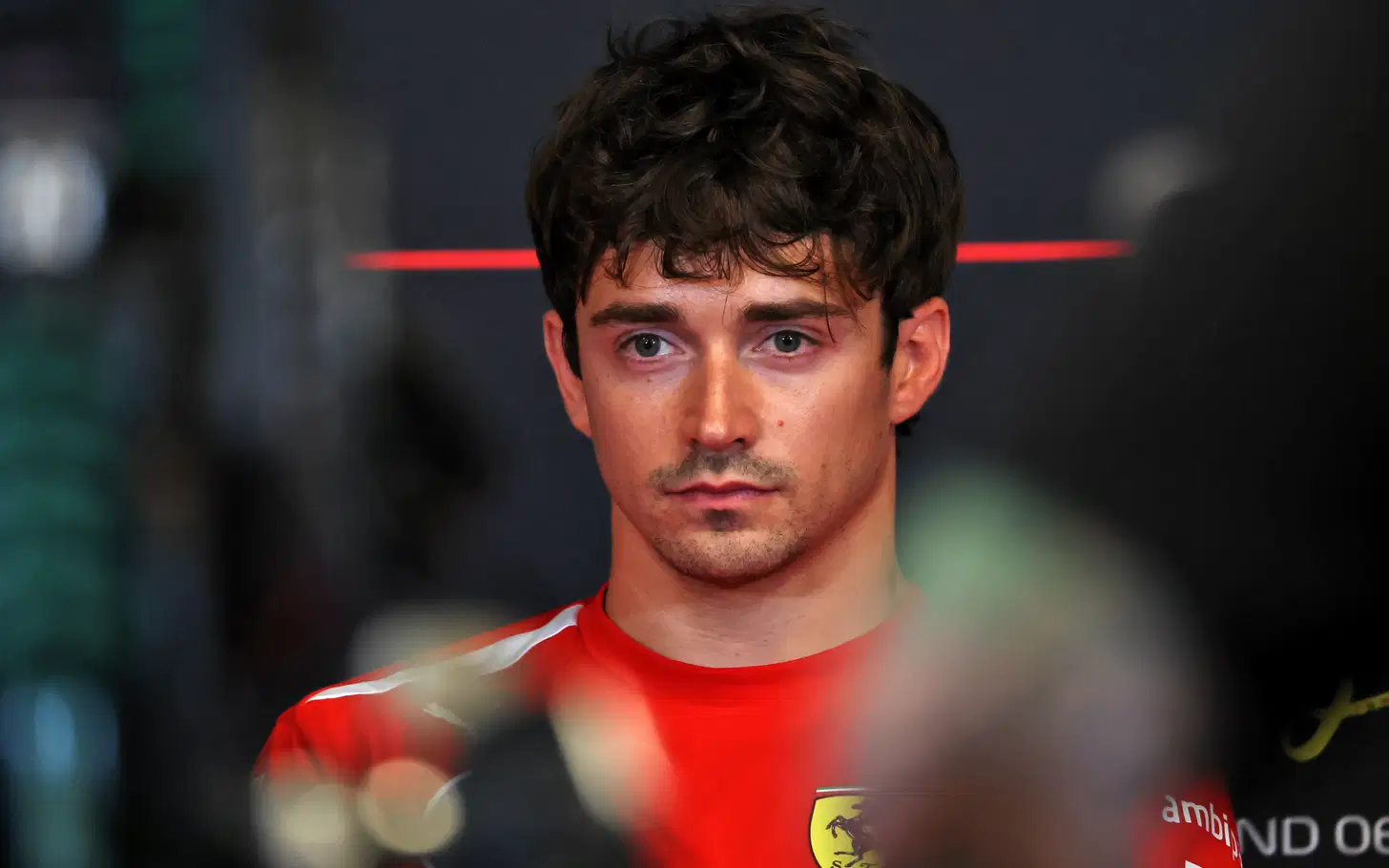

The grid-setting qualifying session for the 2026 Monaco Grand Prix has once again highlighted a critical mechanical crisis plaguing the Ferrari operational garage. Local hero Charles Leclerc saw his aspirations of securing pole position around the Monte Carlo street circuit shattered dramatically after his SF-26 chassis violently impacted the retaining wall at the Tabac sector during the dying seconds of Q3. The structural incident, which brought his chassis to a complete halt with severe suspension damage, locked Leclerc into the fourth starting position and simultaneously exposed the chronic braking system anomalies that the Maranello technical department has failed to resolve since the previous competitive round.
The dynamic tracking phase throughout Q3 proved to be highly volatile and demanded extreme steering corrections from the Monegasque driver. On his initial flying lap sequence, Leclerc miscalculated his deceleration threshold entering the Massanet corner, heavily compromising his sector delta. Nevertheless, Leclerc responded with absolute determination on his secondary attempt, extracting the absolute limits of mechanical traction to temporarily seize provisional pole position. However, this tracking advantage was short-lived as his benchmark was sequentially dismantled by Kimi Antonelli, Max Verstappen, and his own teammate, Lewis Hamilton. This classification shift forced Leclerc to risk the structural integrity of his chassis on a final desperate push lap utilizing his last allocation of soft compound tires.
The impact sequence at Tabac (Turn 12) during his final loop was the culmination of two highly detrimental technical factors. According to post-session telemetry data and corner-entry velocity analysis, Leclerc fell victim to the turbulent dirty air generated by a rival chassis navigating the track ahead of him. Although technically unimpeded by slow-moving traffic, the instantaneous loss of rear aerodynamic downforce precisely as he initiated chassis rotation into the high-speed left-hander induced an uncorrectable oversteer snap. The lateral momentum of the chassis sliding toward the outside trajectory absolutely guaranteed a heavy collision with the Armco barriers, concluding his session prematurely.
However, the fundamental technical discrepancy haunting Leclerc's operational confidence throughout the entire weekend lies within the hardware efficiency of his braking architecture. Leclerc openly equated every heavy braking phase to an unpredictable "discovery," highlighting severe inconsistencies regarding caliper bite and electronic brake-by-wire distribution mappings on the SF-26. This hardware anomaly serves as a direct operational carry-over from the exact mechanical failures that destroyed his Canadian Grand Prix campaign, a race he analytically branded as the absolute worst weekend of his professional premier class career.
The structural inability of the chassis to deliver consistent deceleration parameters directly disrupts Pirelli tire core temperature management. The heat dissipation cycle transferring thermal energy from the carbon brake discs to the wheel rims becomes highly asymmetrical, causing the rubber compounds to either fail to ignite or violently fall out of their optimal thermal operating windows. Thermal fluctuations on a track geometry that demands high-precision mechanical grip logically force the driver to operate far beyond the established safety margins of the aerodynamic package. Leclerc admitted that these microscopic thermal transitions are responsible for generating massive lap time deficits for the Italian squad.
"Well, the thing that I'm definitely not knowing is what I'm having at the moment," Leclerc stated factually to the media during his official post-qualifying commitments. "It is a bit of a discovery when I get on the brakes, and I don't want to go too much into detail, but it has been extremely inconsistent. I've just been struggling massively, whether it was in Montreal or here, especially when the tyres are just not in the right window. On top of that, the inconsistency from the car made it very difficult."
Addressing the specific telemetry of his final aborted lap that resulted in terminal chassis damage, Leclerc confirmed he was deliberately operating past the mechanical thresholds of the SF-26. "I think the last lap was very much on the edge, and I think it was a very good lap until then, but I never finished it," Leclerc analytically detailed. "I had a little bit of dirty air on that lap when I lost it at Turn 12. There was no traffic in itself, but dirty air made me lose the rear a little bit on entry."
Starting the 78-lap main event from the second row on a circuit configuration that historically neutralizes pure overtaking maneuvers represents a monumental tactical disadvantage. The heavy workload now shifts entirely to the mechanics within the Maranello garage, who must thoroughly verify that the impact did not transfer structural stress into the gearbox casing, which would trigger an automatic grid drop penalty. Beyond physical hardware repairs, the software engineering department is under immense pressure to restructure the SF-26 braking maps to provide Leclerc with the operational stability required to protect track position and manage tire degradation throughout Sunday's Grand Prix.
Read Also
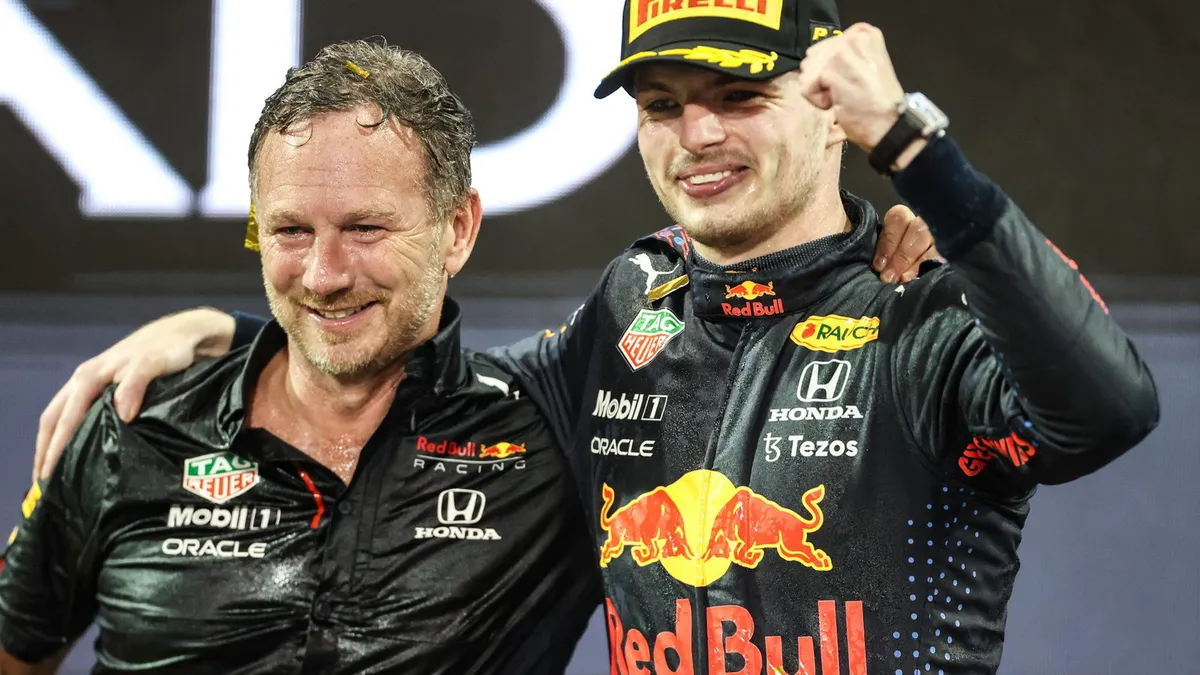
Simak pengakuan blak-blakan Christian Horner terkait tekanan kontroversial kepada Michael Masi di F1 Abu Dhabi 2021. Baca analisis mendalam di sini!
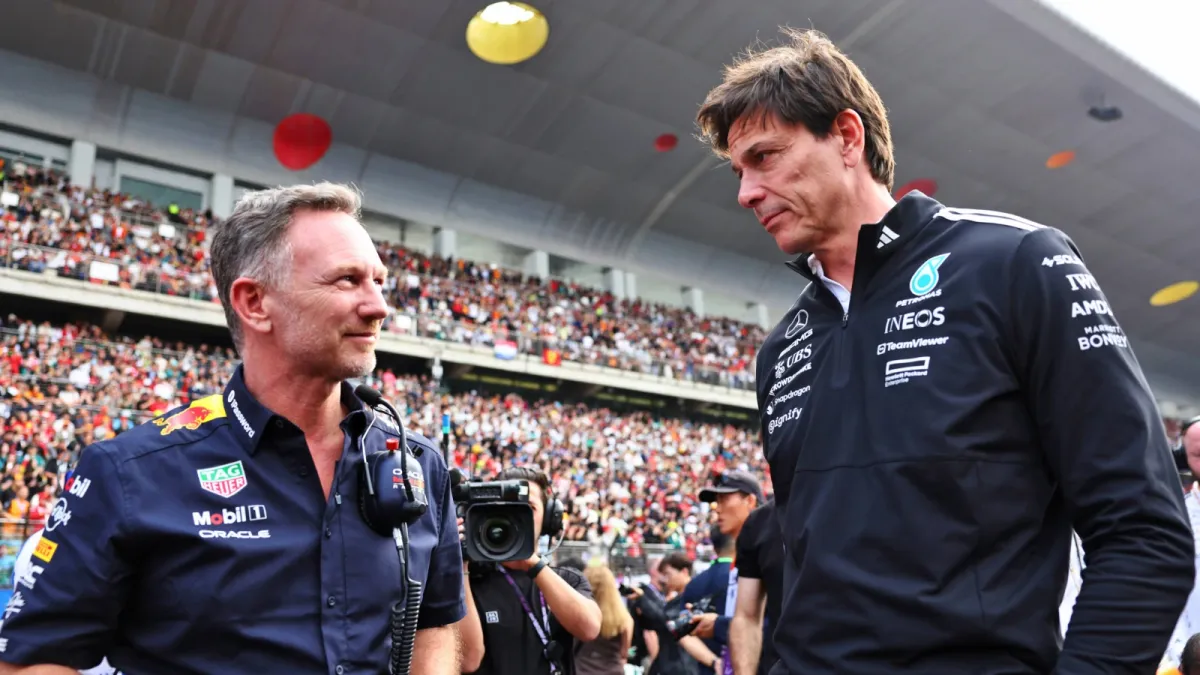
Simak kisah mengejutkan di balik tawaran rahasia Mercedes kepada Christian Horner di masa lalu. Baca analisis mendalam selengkapnya di sini!

FIA perketat aturan F1 2027 dengan melarang transfer data dan personel ke proyek non-F1 demi cegah celah budget cap. Baca analisis mendalam di sini.
 Continue with Google
Discussion (0)
Join the Discussion!
Sign in easily to start commenting, replying, and interacting with other readers.
Latest Comments
No comments yet. Be the first!