







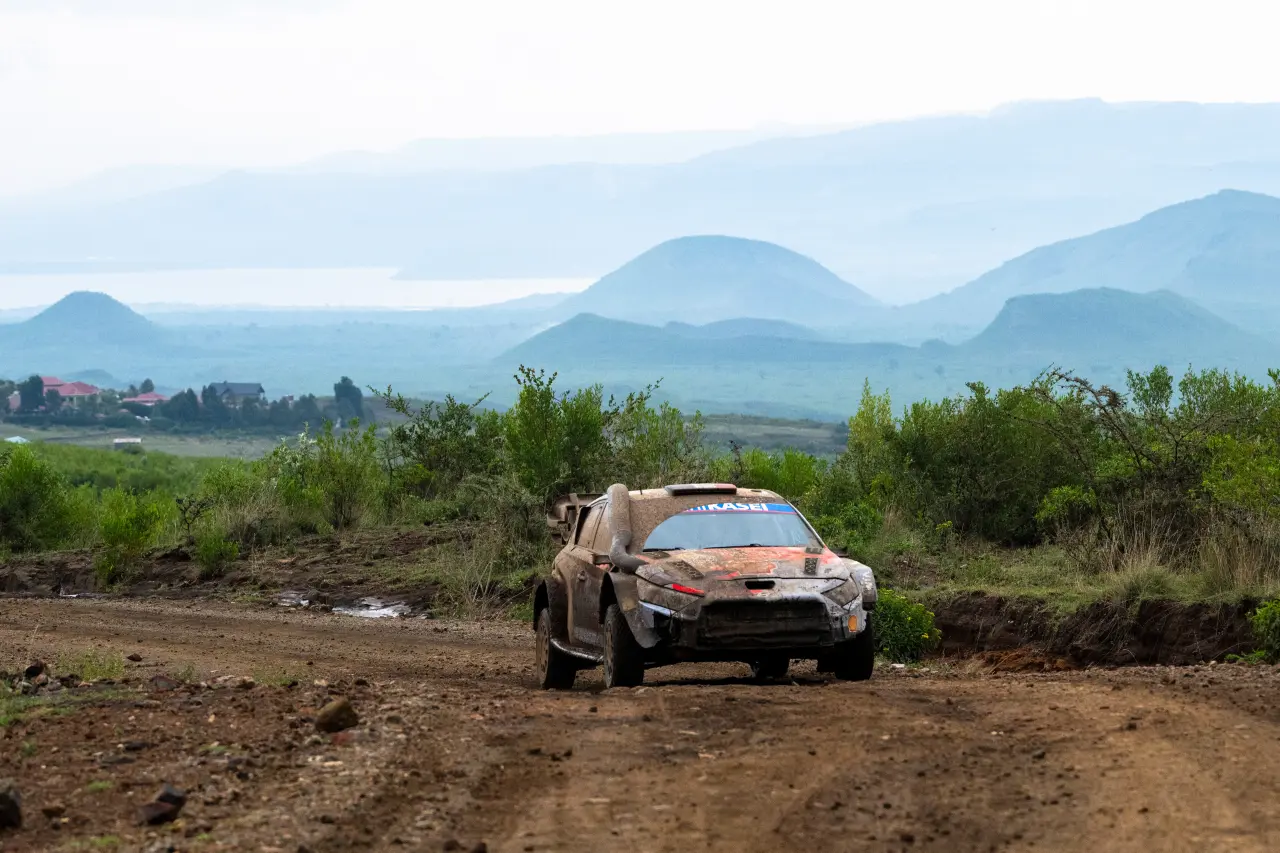

WRC, Sportrik Media - Hyundai Motorsport believes the most difficult stages of the Safari Rally Kenya 2026 are still to come despite the dramatic events of Saturday morning. Hyundai sporting director Andrew Wheatley warned that worsening road conditions and expected rainfall could intensify the challenge for teams during the afternoon loop.
The morning stages produced major disruption to the rally order after three Toyota Gazoo Racing cars capable of scoring manufacturer points encountered significant problems. As a result, Hyundai’s trio of drivers—Thierry Neuville, Adrien Fourmaux, and Esapekka Lappi—moved into second, third, and fourth positions respectively.
However, Wheatley stressed that the rally is far from settled. After the first pass of cars, the stages have become increasingly rough with deeper ruts forming across the surface, while forecasts of afternoon rain threaten to further deteriorate conditions.

“I think this is classic Kenya,” Wheatley said.
“And we haven’t done the hard loop yet. We still have the hard loop to come.”
According to Wheatley, Hyundai originally expected the post-lunch stages to become the decisive phase of the rally. Instead, the opening loop already proved far more demanding than anticipated, underlining the unpredictable nature of the Kenyan event.
Alongside the difficult terrain, Hyundai has also been managing technical concerns with its i20 N Rally1 cars. All three entries experienced overheating issues caused by mud accumulation in the radiator area, a problem similar to what the team encountered earlier in the rally at the Camp Moran stage.
“It’s very similar,” Wheatley explained.
“The result is the same – the radiator has a lot of mud stuck in it because of the high temperatures under the bonnet.”
The combination of extreme temperatures, mud buildup, and rough terrain has placed additional strain on the drivetrain components. When mud blocks airflow through the radiator and cooling ducts, engine and transmission temperatures rise rapidly, creating a serious reliability risk during long stages.
Despite these challenges, Hyundai remains confident it can adapt its cars to the conditions. The team has already implemented technical changes overnight and is planning further adjustments before the afternoon loop begins.
“These are not conditions that you can replicate in Europe easily,” Wheatley added.
“That’s why all of the competitors are having this kind of problem.”
With weather conditions expected to shift and stage surfaces continuing to degrade, the Safari Rally Kenya once again demonstrates its reputation as one of the most mechanically demanding events on the World Rally Championship calendar. Teams now face a critical afternoon where reliability and strategic pace management could prove decisive before the final Super Sunday stages.
Read Also
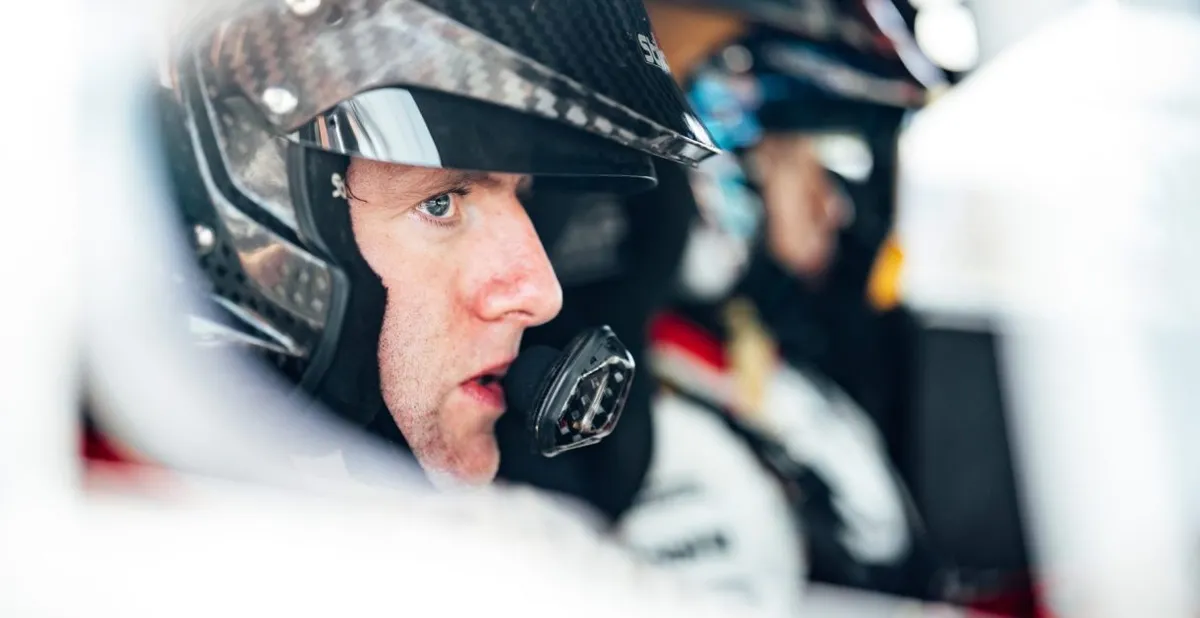
Takamoto Katsuta praises James Fulton's stand-in performance at Rally Chile. Fulton replaced injured Aaron Johnston. Read the full story.
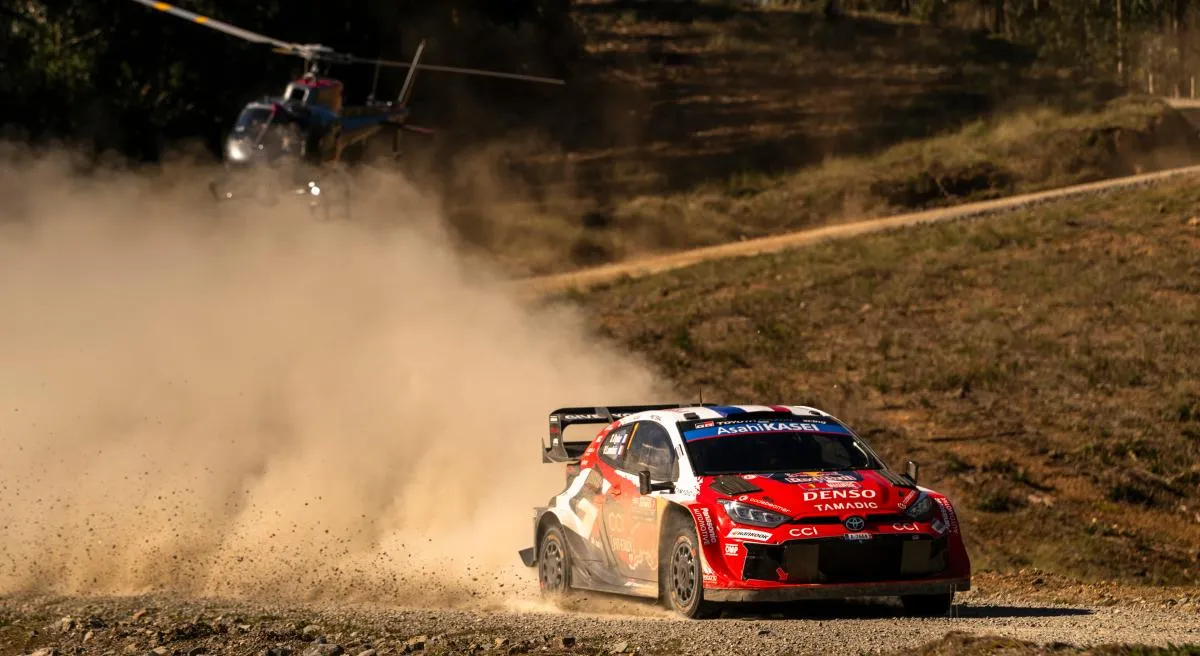
Ogier's bid for a 10th WRC title ends after Rally Saudi Arabia cancellation. Evans, Pajari, and Solberg fight for the crown in Sardinia.
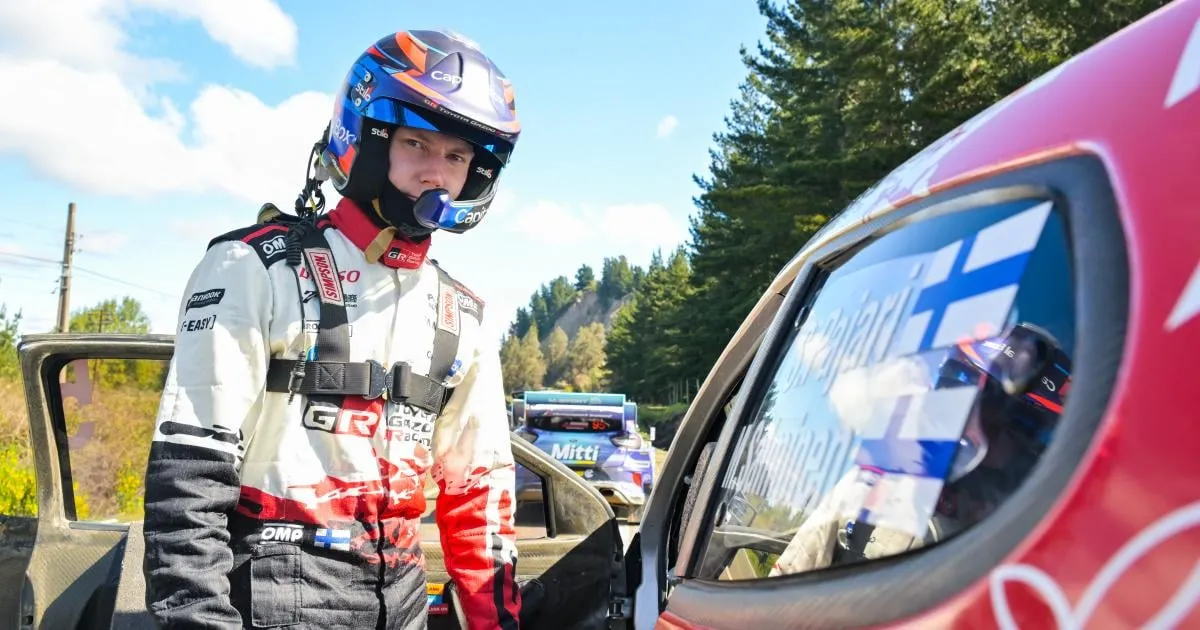
Sami Pajari unintentionally delayed Toyota's WRC 2025 manufacturers' title. Discover the unique story behind the team's celebration in Chile.
 Continue with Google
Discussion (0)
Join the Discussion!
Sign in easily to start commenting, replying, and interacting with other readers.
Latest Comments
No comments yet. Be the first!