







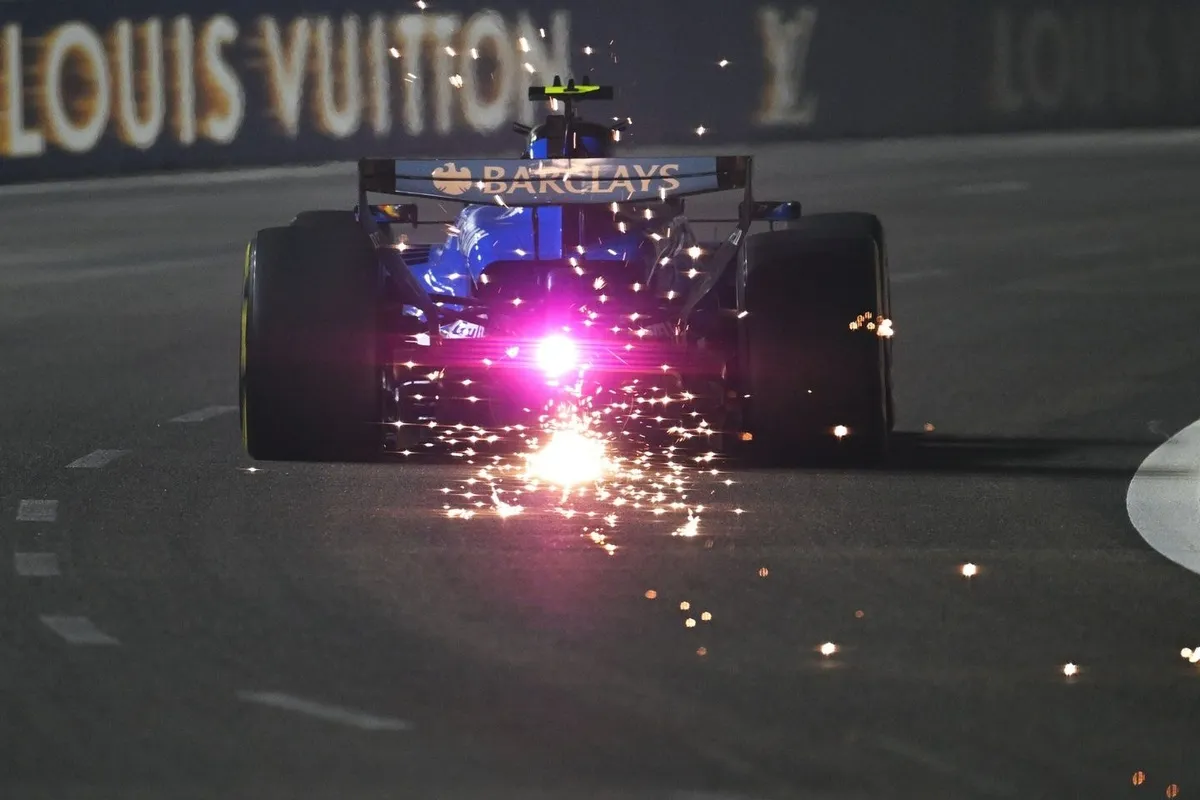

The FIA has officially confirmed the existence of a second error during sprint qualifying for the Singapore Grand Prix, adding to a series of operational hiccups over the weekend. This compounded an earlier glitch within the timing and scoring system which had previously caused the lap times of several drivers to not be properly displayed on the live monitors.
The initial SQ1 session was abruptly halted by a red flag when Sergio Perez made heavy contact with the barrier at Turn 5. The driver managed to extract his damaged car and slowly made his way back down the pit lane, leaving a trail of debris and losing his front wing in the process. This unfortunate incident forced race control to temporarily pause proceedings while marshals cleared the track.
Once the session got back under way under green flag conditions, two distinct peculiarities immediately manifested themselves to the dismay of the teams. Some crucial lap times failed to register on the timing system, while several drivers simultaneously complained that their power units were delivering noticeably less power than anticipated.

Many competitors were initially led to believe that this power deficit was the direct responsibility of the FIA, prompting widespread conclusions that the situation was linked to the software bug which had plagued the previous weekend's events. The situation sparked intense frustration up and down the paddock as teams tried to maximize their limited running time.
Among the most vocal critics was Carlos Sainz, whose qualifying campaign came to a premature end after being eliminated in the opening SQ1 segment. The Williams driver did not hold back his dissatisfaction regarding the unequal playing field created by the sudden power discrepancies among competing cars on track.
"We only got one lap. We had some brake issues," said Carlos Sainz, explaining the difficult circumstances he faced during the truncated session.
"लेकिन बट on top of that, half the cars did the lap with an engine half a second quicker than the others. There was another software issue this time around and we were on the bad end of it," Sainz stated, emphasizing the disadvantage he suffered.
"For whatever reason, the FIA, like Malaysia, didn't decide to sort it quickly and were happy to do half of the quali with higher power than the other half," he continued, expressing deep confusion over the inconsistent operational management of the sport.
"So a bit confused why the sport keeps doing different things depending on who is out in Q1 and who is out in lap one," the Spanish driver concluded regarding the fairness of the proceedings.
However, the governing body stepped forward to clarify that the power discrepancies were not rooted in a software malfunction, but rather stemmed entirely from a case of human error regarding the management of Overtake Mode. This specific system provides drivers with access to an extra half-megajoule of energy during their push laps.
The activation of this system carries profound implications for on-track performance since it directly influences outright lap times on a hot lap. Furthermore, it plays a vital strategic role in affecting proper tyre preparation during the critical out-laps leaving the pit lane.
An official FIA spokesperson provided a detailed breakdown of the sequence of events that led to the operational blunder in race control. "During the first period of sprint qualifying there was a human error in Race Control unrelated to the timing issue also encountered in SQ1," the spokesperson stated.
"This issue in question meant overtake mode was not available after the red flag period during SQ1. When it became apparent that overtake mode was not active after the restart, it was then activated for a period of 27 seconds before being deactivated again," the governing body explained.
The FIA openly acknowledged that this unfortunate human error had a direct and measurable impact on the performance of certain cars. The extent of the disadvantage depended heavily on the precise timing of their respective runs and their relative physical position around the circuit layout. Fortunately, the governing body confirmed that the second and third periods of the sprint qualifying format remained entirely unaffected.
Although the root cause was traced back to human mistake rather than a software failure, this high-profile slip-up adds to a growing list of controversial operational moments. Coming on the heels of the farcical scenes witnessed last weekend, the incident underscores the ongoing challenges faced by officials in maintaining flawless execution at the pinnacle of motorsport.
Read Also
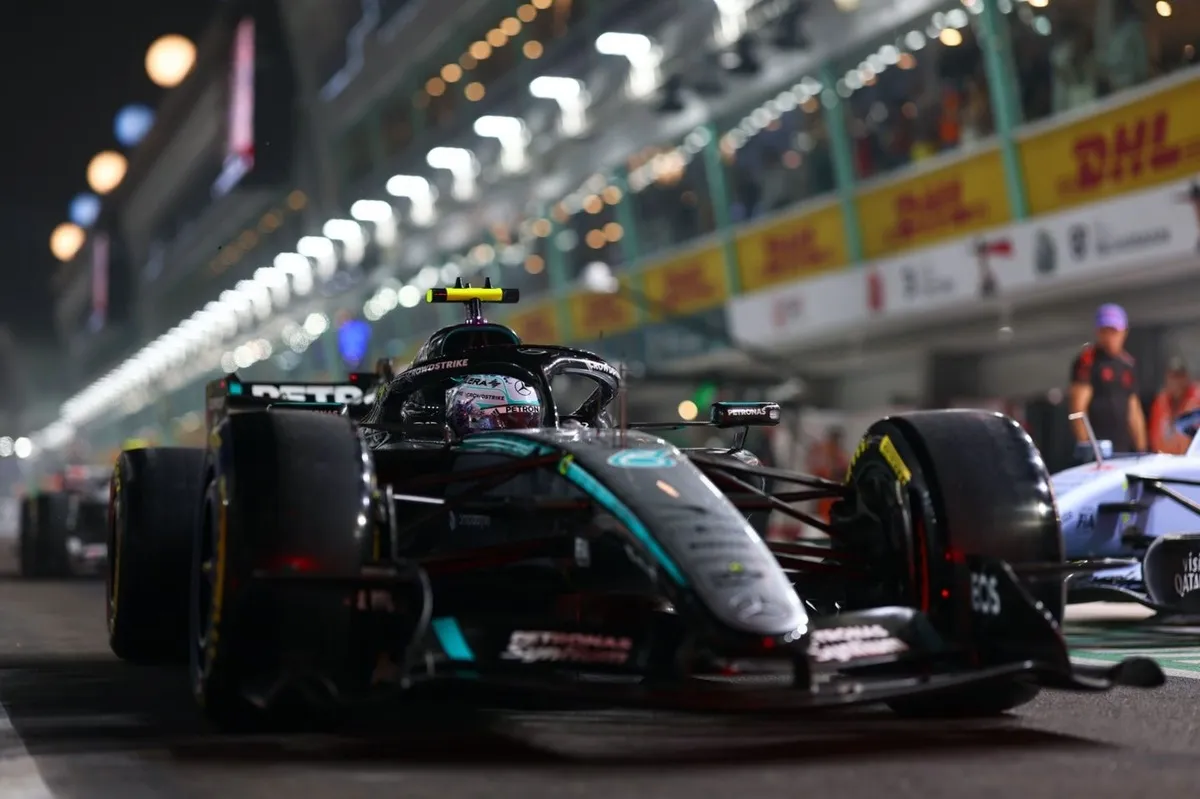
Kimi Antonelli mengeluhkan paket upgrade Mercedes yang sulit dikendalikan setelah hanya meraih posisi ketujuh di kualifikasi sprint F1 GP Singapura.
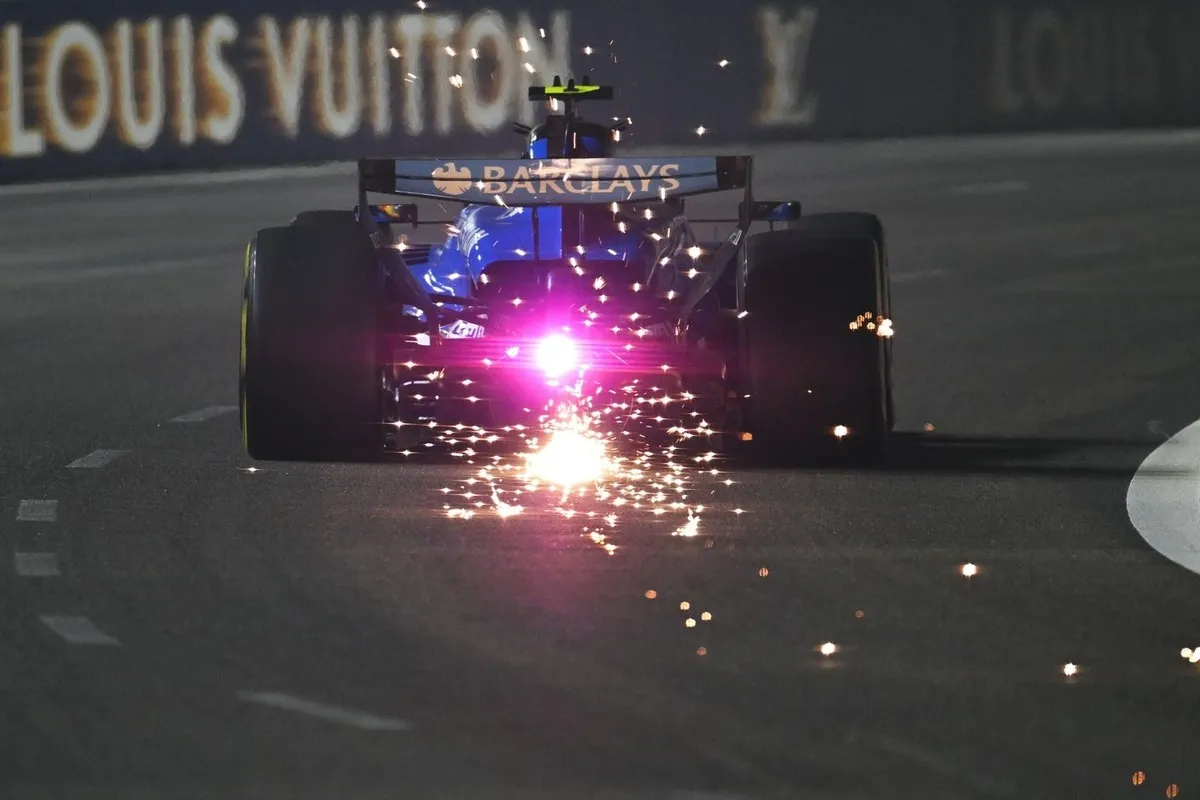
FIA konfirmasi kesalahan manusia sebabkan masalah mode menyalip dalam kualifikasi sprint Grand Prix Singapura setelah sesi sempat dihentikan bendera merah.
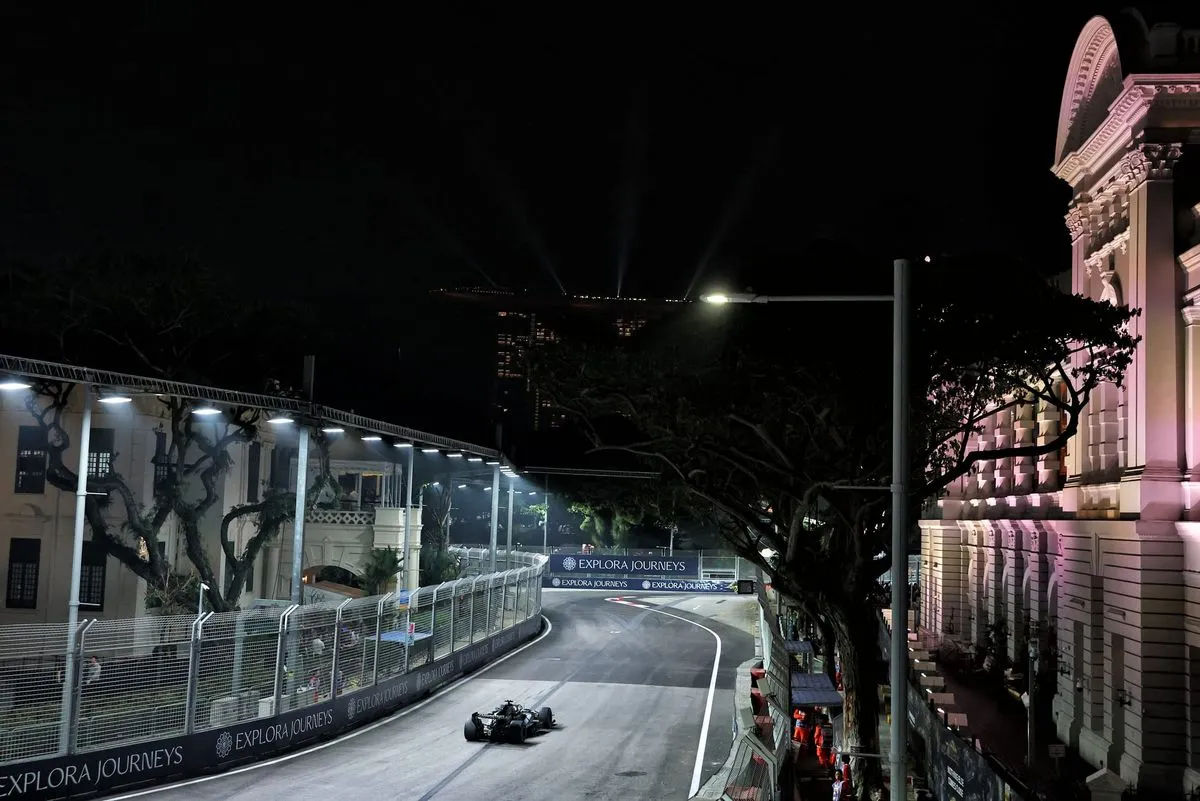
Kesalahan manusia dari FIA membuat sejumlah pembalap F1 kehilangan tenaga mesin penuh saat kualifikasi sprint Grand Prix Singapura akibat mode salip tak aktif.
 Continue with Google
Discussion (0)
Join the Discussion!
Sign in easily to start commenting, replying, and interacting with other readers.
Latest Comments
No comments yet. Be the first!