






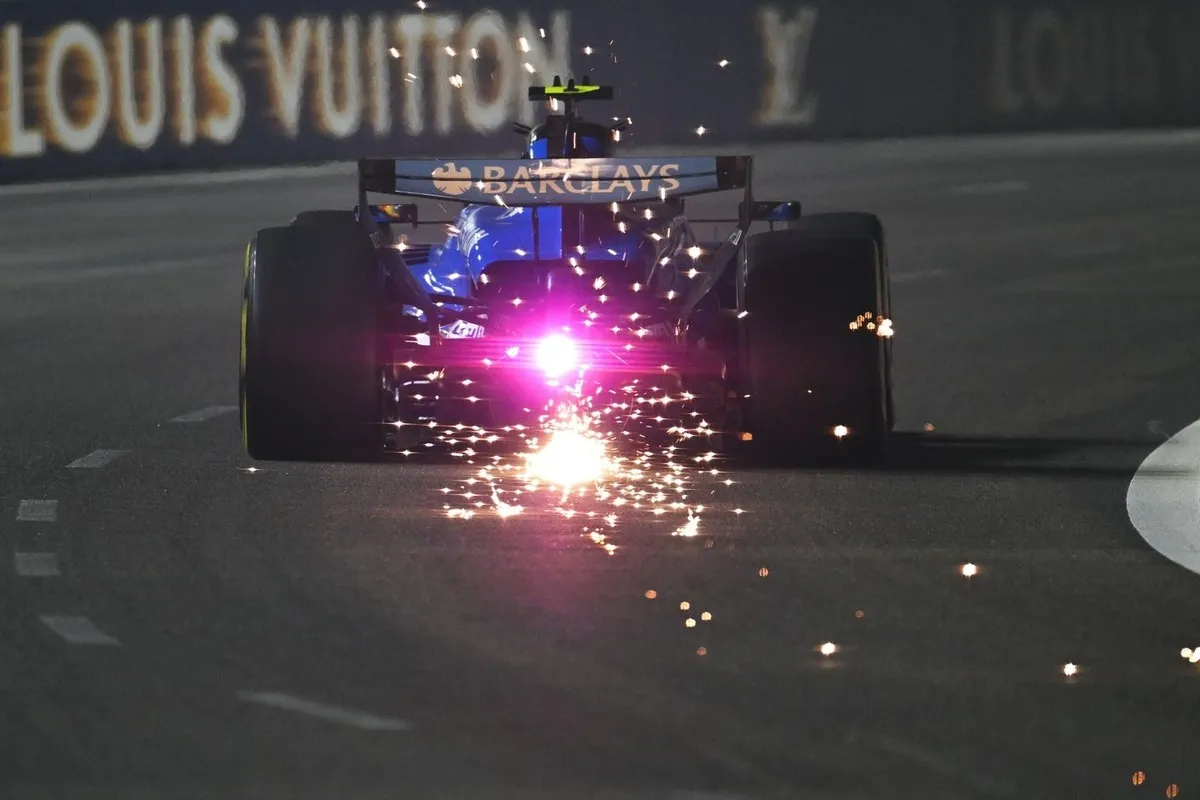

The FIA has officially confirmed that human error was responsible for the operational mix-up during the sprint qualifying session at the Singapore Grand Prix. This latest drama comes on top of a separate timing and scoring system glitch that resulted in several drivers' lap times failing to display correctly on official monitors during the intense on-track action.
The SQ1 session was brought to a sudden halt by a red flag after Sergio Perez made heavy contact with the barrier at Turn 5. The driver managed to extract his damaged car and return to the pit lane, but his shattered front wing debris left scattered across the tarmac forced race control to temporarily suspend proceedings to clear the racing line.
Once the green light signaled the restart, two distinct peculiarities immediately manifested across the timing screens and power units. Several lap times failed to register in the system, while multiple drivers voiced frustrations over having significantly less power than anticipated from their power units during their flying laps.

Among those heavily affected was Carlos Sainz, who suffered an early elimination in SQ1 and pointed out the stark performance discrepancies. He noted that half the field seemed to run with a noticeable power advantage while competitors dealt with brake issues, expressing frustration over how the situation was managed.
However, motorsport's governing body clarified that the power discrepancy was not a software bug but rather a case of human error regarding the management of Overtake Mode. The system, which grants drivers an extra half-megajoule of energy, was inadvertently left inactive after the red flag period before being switched on for a brief 27-second window and then deactivated again.
The FIA acknowledged that this unfortunate administrative lapse directly impacted the performance of specific cars based on their precise timing and positioning on the circuit. Fortunately, the governing body confirmed that the subsequent second and third periods of the sprint qualifying format remained entirely unaffected by the earlier disruption.
Read Also

Jenson Button memperingatkan Formula 1 agar kalender balap tidak melewati 24 seri demi menjaga kesehatan mental dan fisik para mekanik serta kru tim paddock.
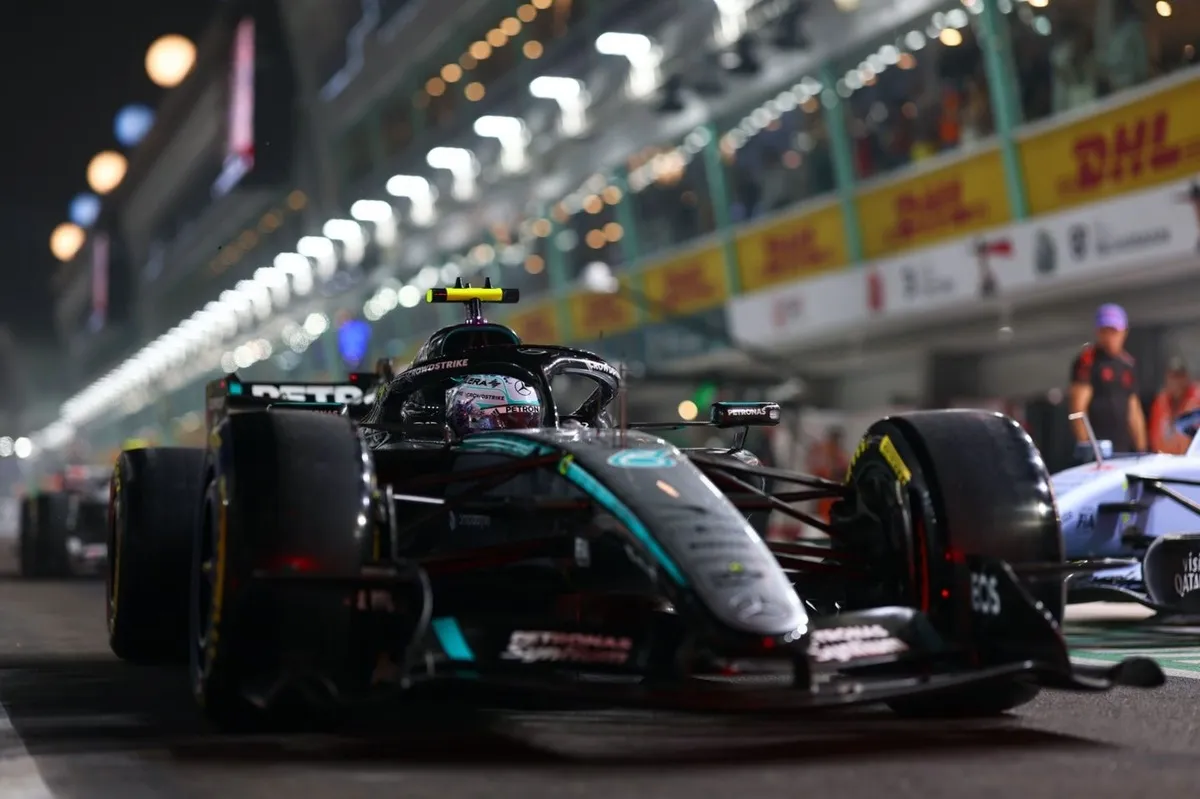
Kimi Antonelli mengeluhkan paket upgrade Mercedes yang sulit dikendalikan setelah hanya meraih posisi ketujuh di kualifikasi sprint F1 GP Singapura.
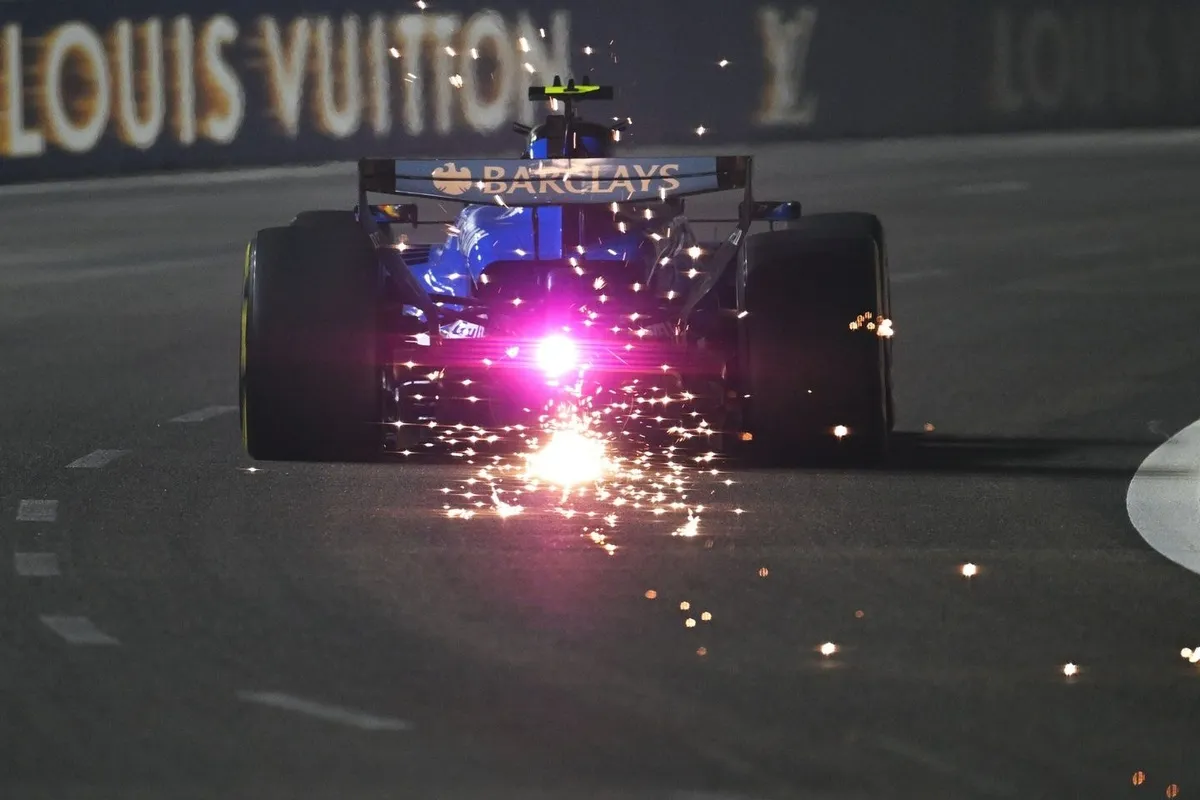
Kesalahan manusia di Race Control picu masalah Overtake Mode pada SQ1 GP Singapura, konfirmasi FIA jelaskan detail insiden tenaga mesin pembalap.
 Continue with Google
Discussion (0)
Join the Discussion!
Sign in easily to start commenting, replying, and interacting with other readers.
Latest Comments
No comments yet. Be the first!