






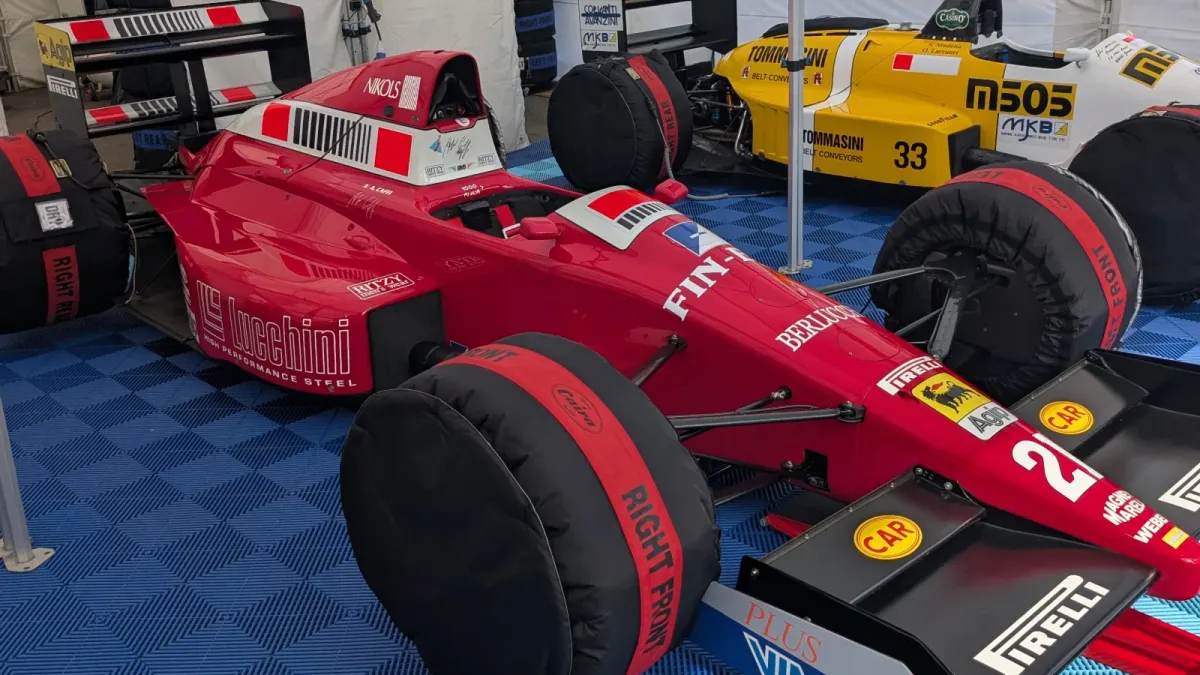

Amid the buzz of the Formula 1 Belgian Grand Prix, one enclosure stood out: Officina Caira. Their collection of historic cars wasn't just static display. As the V10 engines roared around Spa, time seemed to rewind three decades to an era when F1 felt wilder and more daring.
We had the chance to see these cars up close. The blissful simplicity of their bodywork, open cockpits that would give a Health and Safety officer a heart attack today, and the piercing engine note—everything felt so authentic. In the midst of modern, tech-heavy F1, these cars are a nostalgic oasis.
Officina Caira, known for restoring historic racing cars, is riding the wave of growing interest in historic machinery. Fan demand is becoming as loud as the scream of the V10s they lovingly maintain. But rather than highlighting the obvious stars like the Benettons or BMW Sauber, we're drawn to two lesser-known cars: two 'forgotten gems' with fascinating stories to tell.
Scuderia Italia Dallara F189: Guts in the 1980s
Scuderia Italia made their F1 debut in 1988 with a single car. In an era when new teams came and went, this Italian squad proved solid: they qualified for 14 of 16 races in their first season. Expansion followed in 1989 with two cars, bringing Andrea De Cesaris alongside Alex Caffi.
The Dallara F189 was an evolution of the F188, designed by Mario Tolentino. The Cosworth DFR V8 replaced the retired DFZ, and the combination proved fruitful. Weighing around 500kg, it earned a reputation as a reliable, if unspectacular, midfield runner—quite an achievement on a 26-car grid.
De Cesaris, whose name is synonymous with incidents, showed his colors that season. He crashed in Brazil, then collided with teammate Caffi in Phoenix while being lapped, costing Caffi a podium. But redemption came in Canada: De Cesaris finished third, his last F1 podium. Unfortunately, other strong results, like Caffi's third in Hungary, were wasted as no further points came. The season ended with eight points and ninth in the Constructors' Championship.
The F189 represents an era of F1 many miss. Back then, to enter F1, you just needed money and guts. Even if you had to face brutal pre-qualifying, you could call yourself an F1 team. Now? It's all corporate and governed by unimaginable sums. The F189 is the antithesis of that, and it's utterly glorious. May it keep running for years to come.
Footwork Porsche A11C: Big Ambitions, Spectacular Failure
The second story comes from the Arrows team, acquired by Footwork Express president Wataru Ohashi. The team was rebranded Footwork for 1991, with lofty, unrealistic expectations of championship success. History, as always, had other plans.
Porsche was chosen as the engine supplier, a V12 with a three-year deal. Hopes were high, but reality bit hard. The bulky V12 didn't fit the intended FA12 chassis, so they started the season with a modified 1990 car, the A11C. In Brazil, the nightmare began: Alex Caffi failed to progress past pre-qualifying, and Michele Alboreto retired from the back row with a gearbox issue. Neither qualified.
The main problem was the Porsche engine. It weighed between 89-220kg, far heavier than Ferrari or Honda's 150-170kg. Power was also lacking: just over 500bhp, while Honda produced up to 780bhp. In the first six races, they never saw the checkered flag. Porsche even blew three engines in a single test at Paul Ricard. The deal was terminated early, and Ford V8s came to the rescue. Porsche hasn't returned to F1 since.
Was this car a failure? Yes, in every sense. But it's that very failure that makes it memorable. At Spa, as it lapped the track, its sound may not have been as thunderous as a V10, but the story behind it is a reminder that ambition without execution is just a daydream.
Read Also
Imola siap jadi tuan rumah final F1 2026, tetapi Abu Dhabi diminta mundur karena risiko keamanan. Simak juga kabar Joan Mir dan kalender MotoGP 2027.
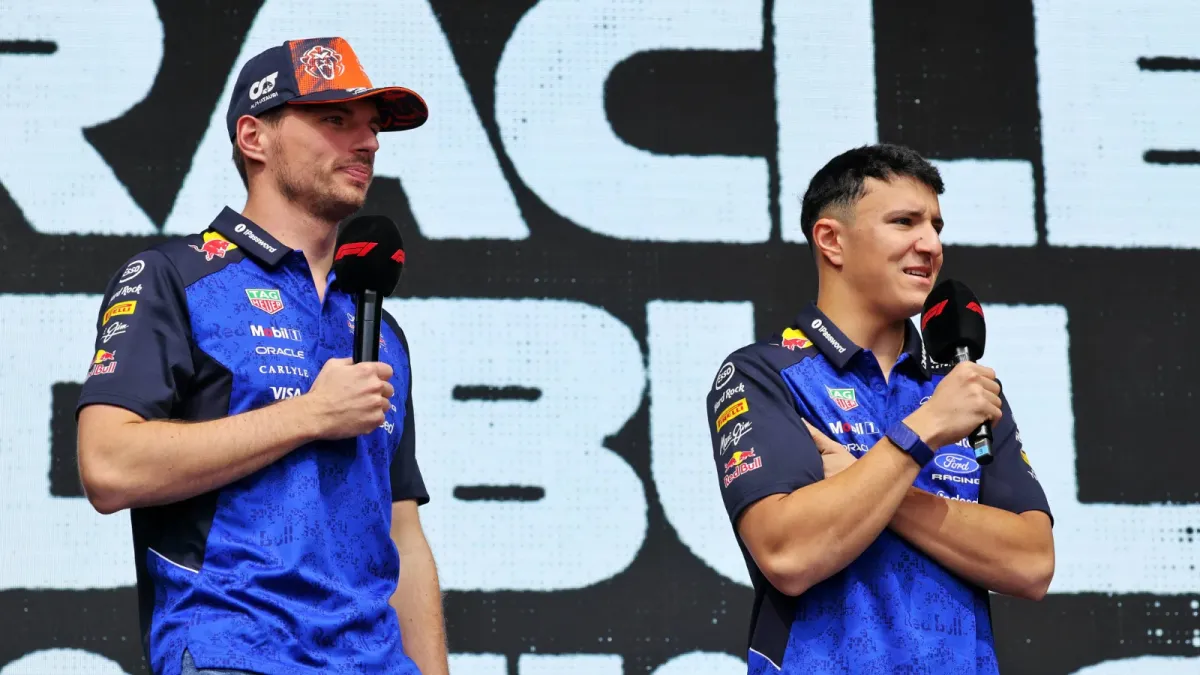
Red Bull Racing resmi perpanjang kontrak Isack Hadjar hingga 2027. Bos tim Laurent Mekies sebut keputusan mudah, Hadjar pun antusias lanjutkan kerja sama.
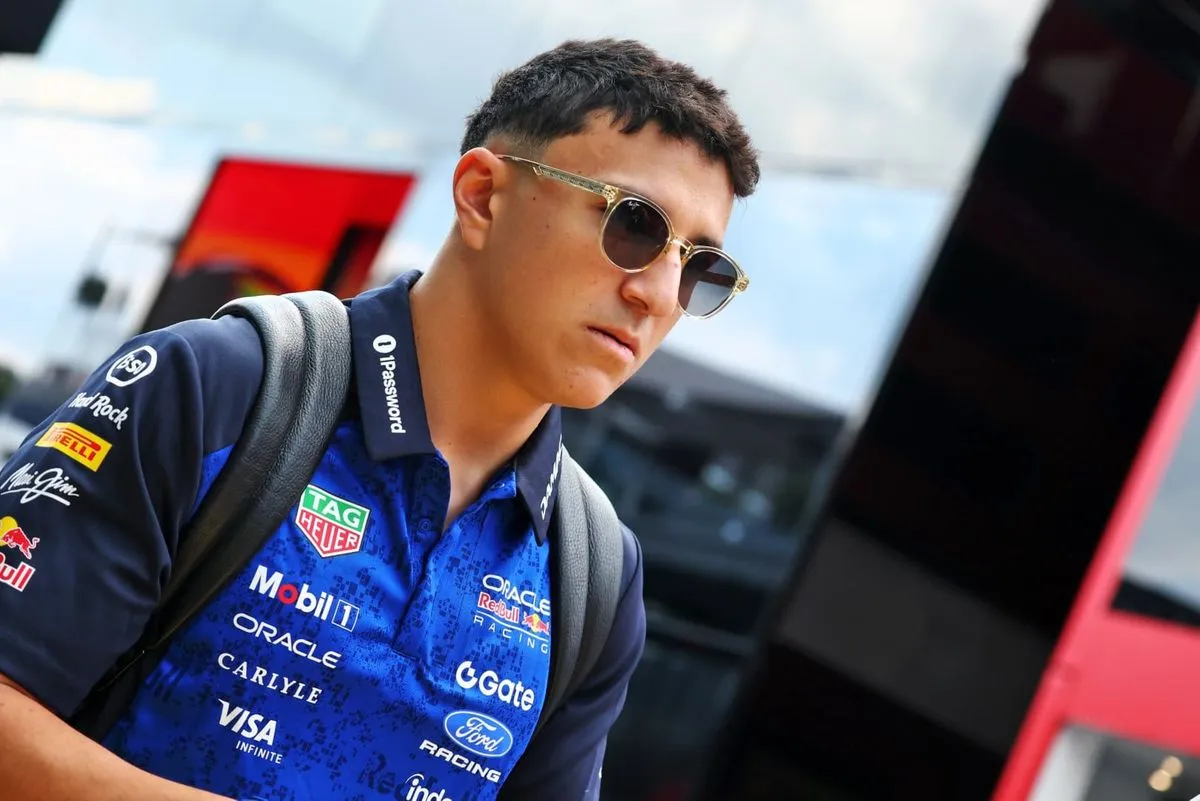
Red Bull resmi perpanjang kontrak Isack Hadjar hingga 2027. Simak analisis performa dan dampaknya bagi Verstappen dan Racing Bulls.
 Continue with Google
Discussion (0)
Join the Discussion!
Sign in easily to start commenting, replying, and interacting with other readers.
Latest Comments
No comments yet. Be the first!