






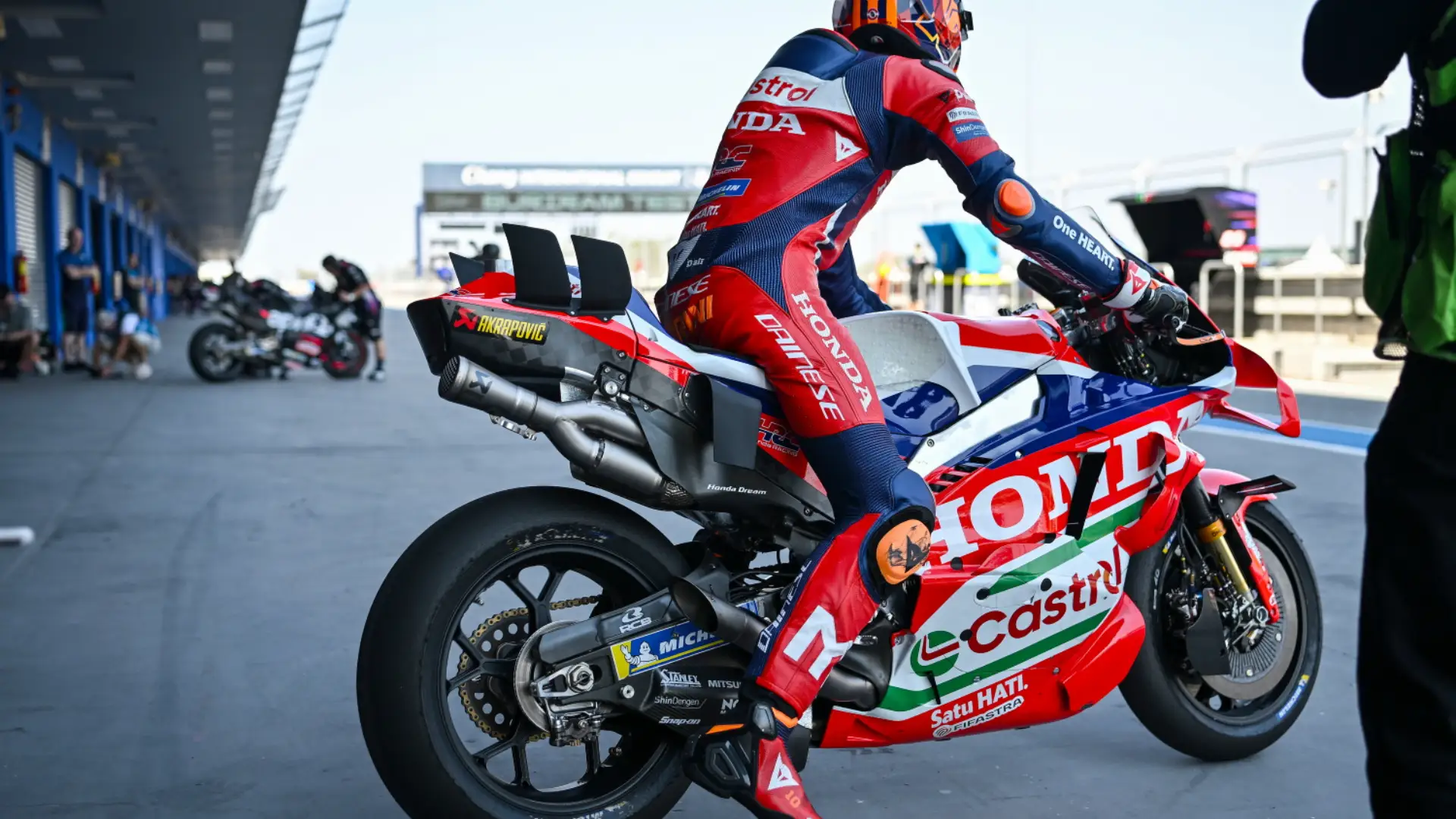

Honda team manager Alberto Puig has confirmed that discussions are underway regarding a possible expansion to six bikes for the 2027 MotoGP season. This strategic move is aimed at maximizing data collection and development opportunities as the sport transitions to a new technical era. While Puig described the current situation as complicated, the prospect of increasing their grid presence is viewed as a way to broaden the marque's competitive possibilities.
The potential expansion is closely linked to reports that Tech3 is considering a switch from KTM machinery to Honda for the upcoming 850cc and Pirelli era. If this transition is finalized, Honda would match Ducati in terms of total bikes on the grid. Such a scaling would allow the Japanese manufacturer to deploy a wider range of setups across different track characteristics, providing a critical advantage in the early stages of the new regulatory cycle.
From a technical perspective, increasing the number of bikes on track will significantly accelerate the development of the 850cc prototype. With more riders testing components in race conditions, Honda can more rapidly map the grip and degradation characteristics of the new Pirelli tyres, which will replace Michelin in 2027. Furthermore, a larger fleet allows for more efficient refinement of electronic mapping and aerodynamic efficiency, both of which will be strictly limited under the new rules.
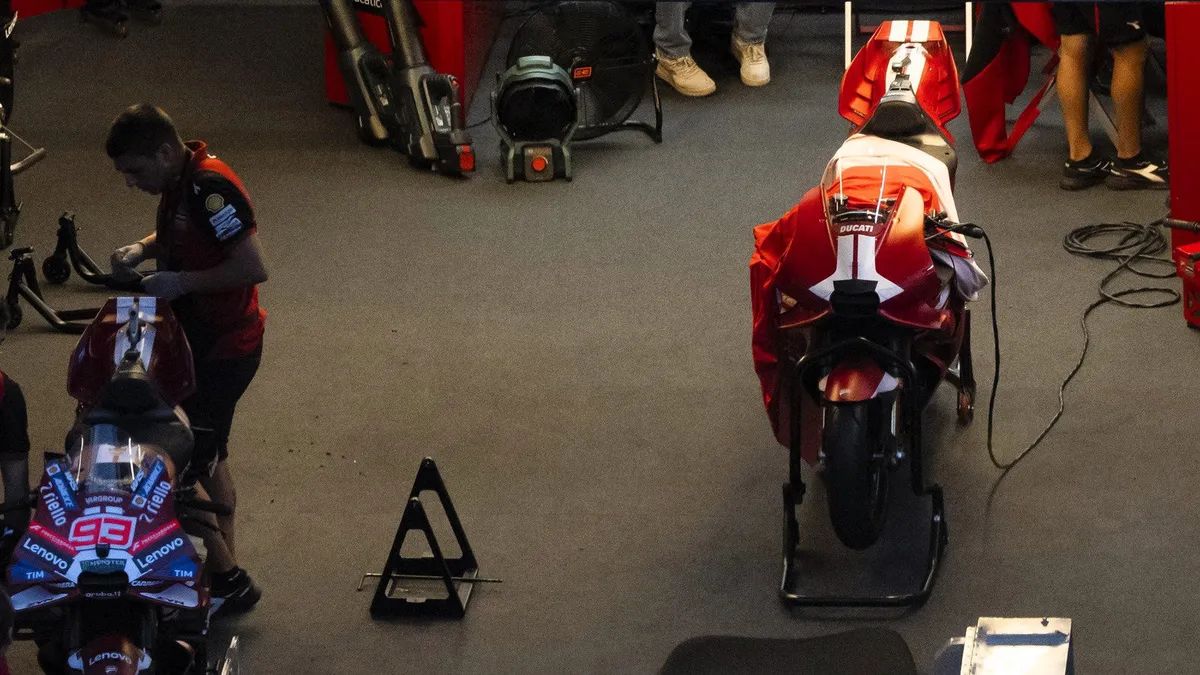
This expansion of the fleet also opens significant opportunities for a reshuffle in the rider lineup. Honda is strongly linked with the potential recruitment of Fabio Quartararo and Moto2 standout David Alonso for factory roles. Integrating riders with diverse styles and backgrounds is essential for the team to understand the full performance envelope of the smaller engine capacity and to ensure the bike is versatile across different riding styles.
However, the plan to add more seats creates considerable uncertainty for the futures of current factory riders Joan Mir and Luca Marini. With the potential arrival of Quartararo and Alonso, combined with existing commitments to Johann Zarco and Diogo Moreira at LCR, Honda faces a complex management challenge. The manufacturer must balance the need for fresh talent with the stability of its current technical personnel to avoid internal friction.
Strategically, Honda is attempting to mirror the successful model employed by Ducati, which has utilized a high volume of bikes to dominate the development curve. Honda recognizes that success in the 850cc era will depend not only on raw engine performance but on the volume of data harvested from a diverse set of riders. This shift indicates a move toward a more aggressive, data-driven philosophy intended to close the performance gap and ensure a competitive start to the 2027 cycle.
Read Also
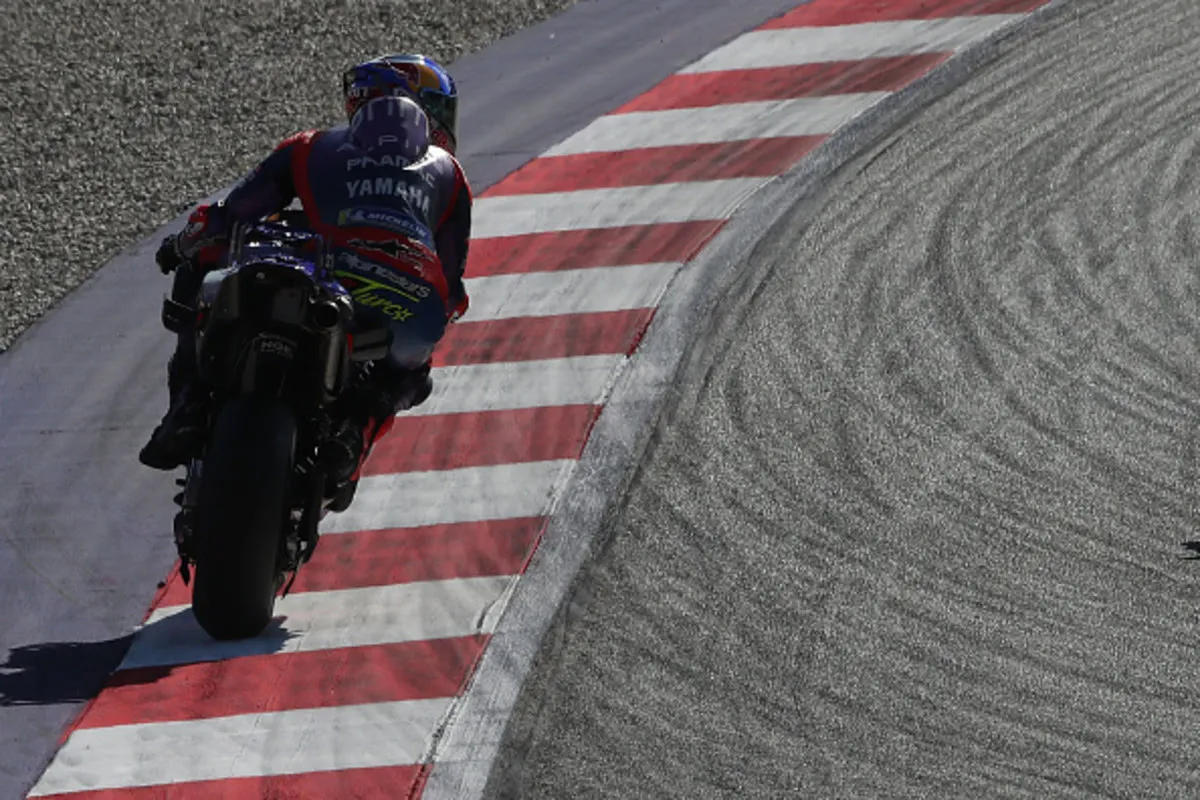
Toprak Razgatlioglu and Jack Miller finished last in MotoGP Austria 2026. Pramac suffered severe rear grip issues throughout the race.
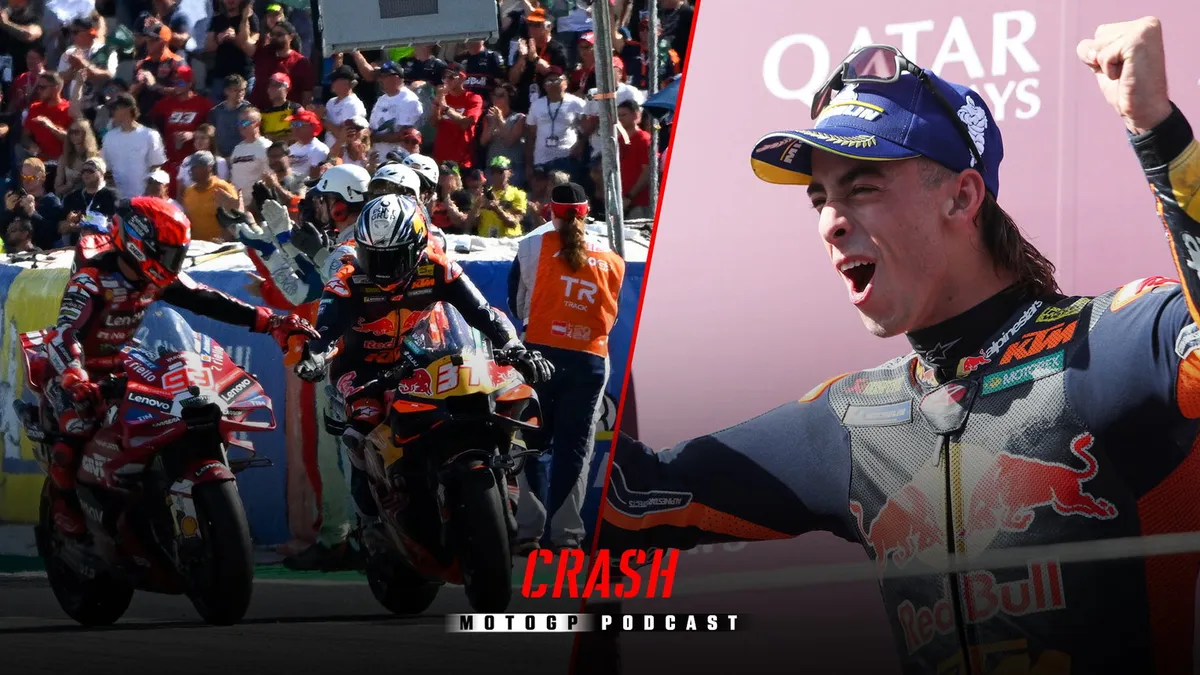
Pedro Acosta claims maiden MotoGP win in Austria 2026. Marc Marquez sees him as a title contender. Read the analysis and championship battle.
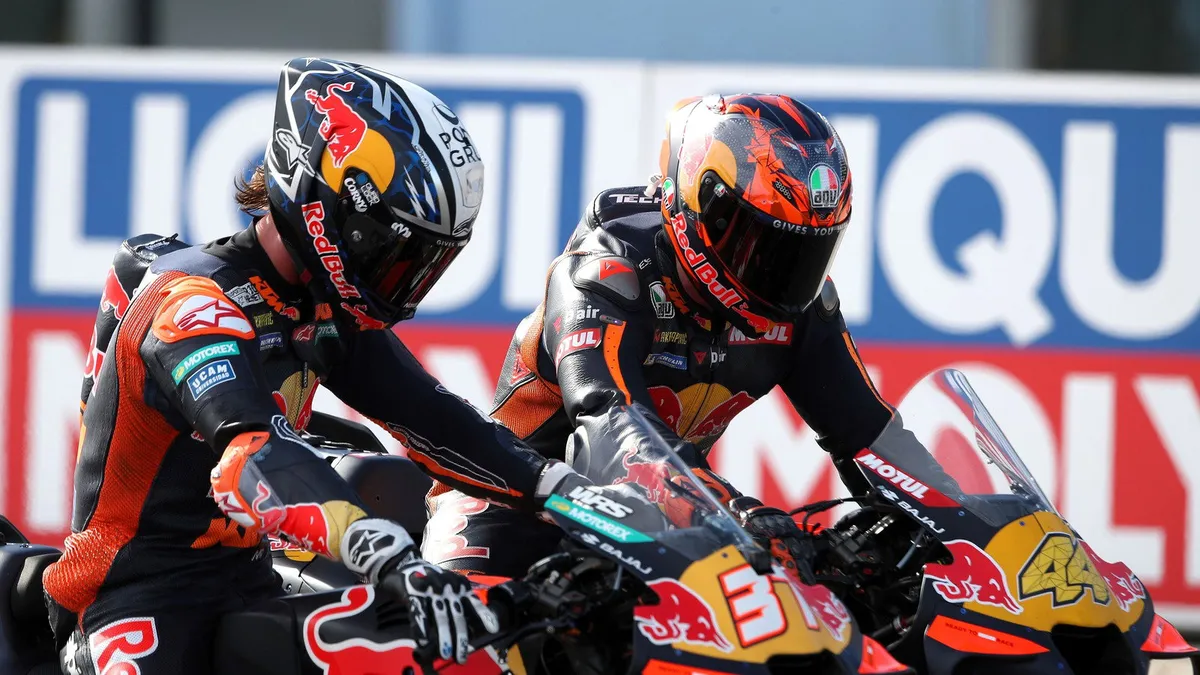
Pol Espargaro curious about KTM 850cc pace in Austria MotoGP test. Full analysis and Honda's preparation for 2027 bike debut.
 Continue with Google
Discussion (0)
Join the Discussion!
Sign in easily to start commenting, replying, and interacting with other readers.
Latest Comments
No comments yet. Be the first!