






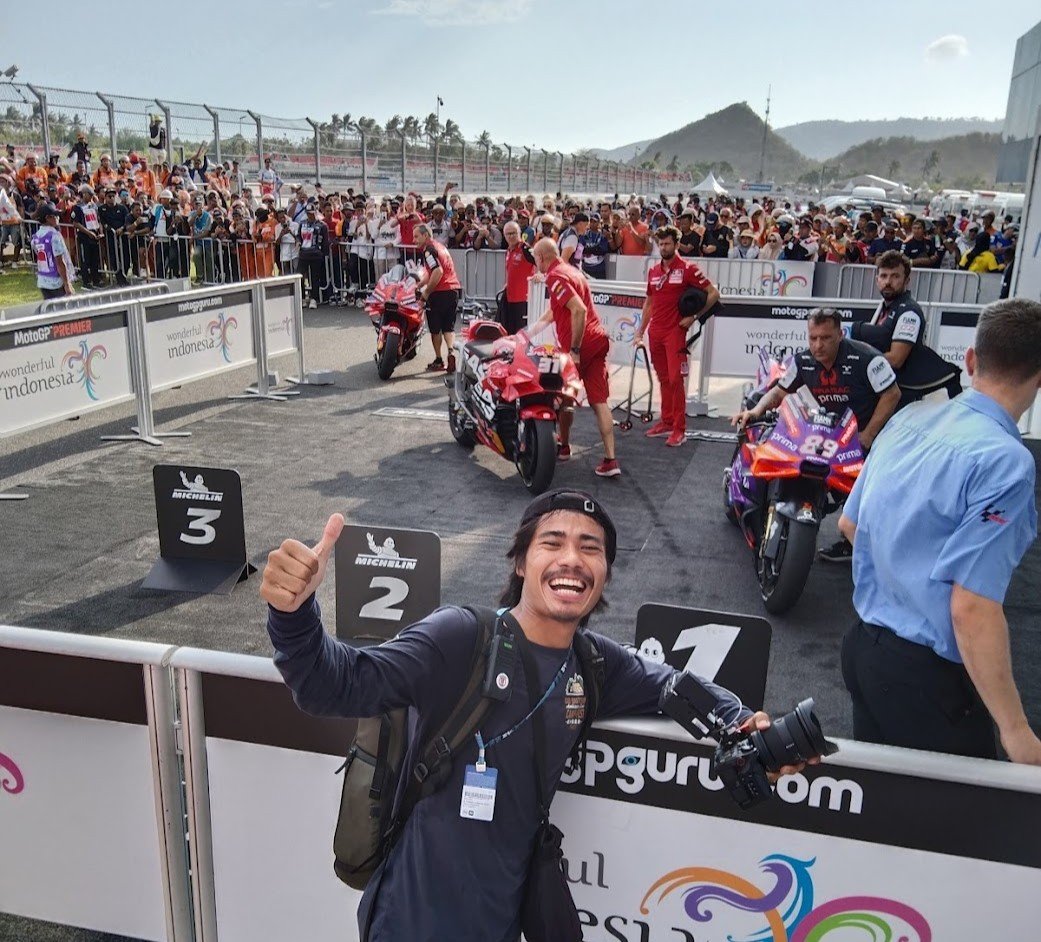
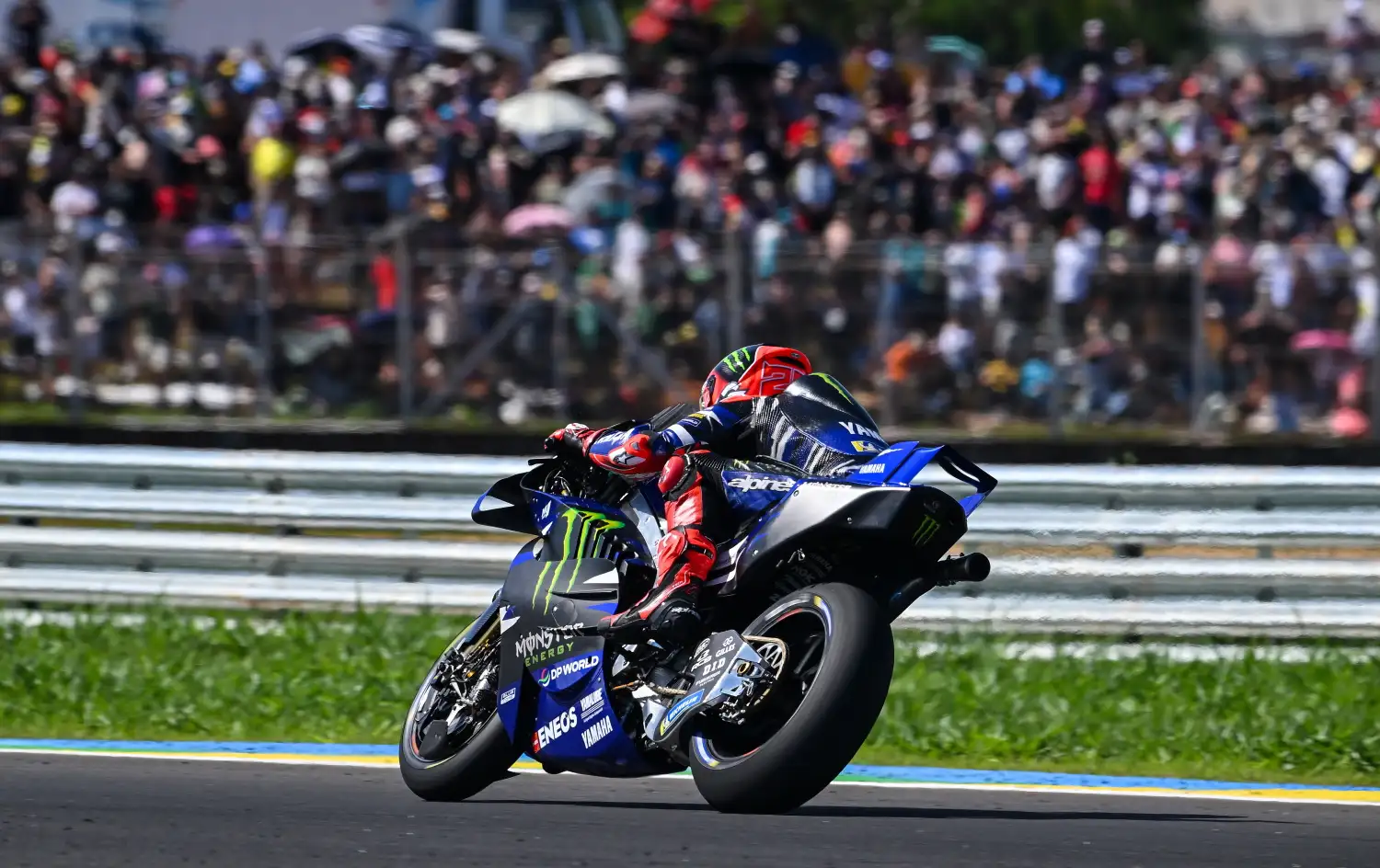

A proposal to ban the use of holeshot devices during race starts was raised during Friday’s Safety Commission meeting at the MotoGP French Grand Prix. The proposal specifically targets circuits with fast first corners, such as Le Mans, Silverstone, and Phillip Island, where the technical release of these devices often proves problematic and potentially dangerous.
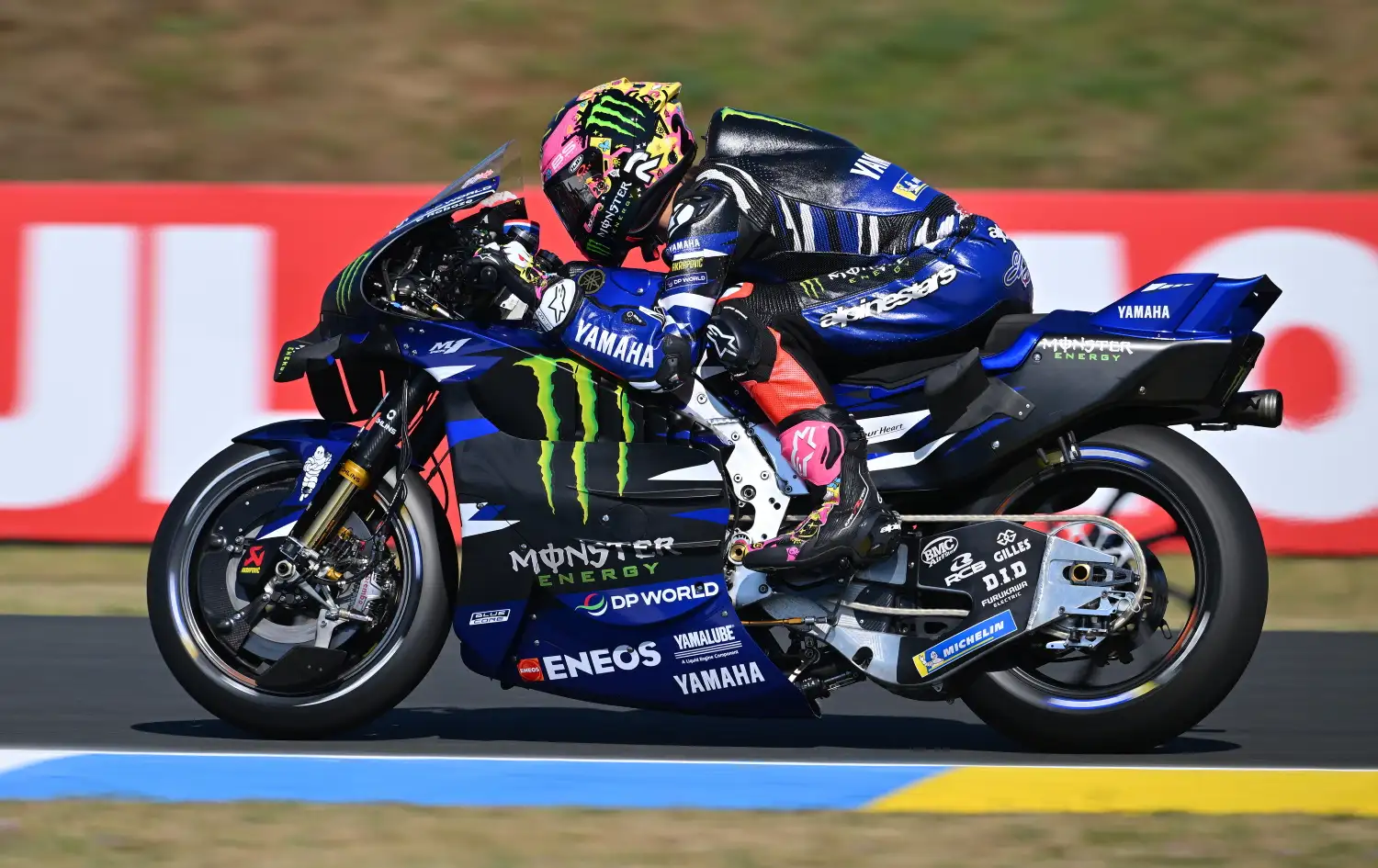
Technically, holeshot devices are designed to drop the rear of the motorcycle significantly lower than standard ride-height settings to minimize wheelies and maximize acceleration off the line. A front-end system is also utilized to further lower the center of gravity. Both the front and rear devices are engineered to disengage automatically through the braking force generated as the rider enters Turn 1.
The critical risk arises at circuits where the first corner is too fast to necessitate heavy braking. If the braking force is insufficient to trigger the release mechanism, the motorcycle remains stuck in an extremely lowered position. Former rider Sylvain Guintoli described this phenomenon as turning the bike into a "chopper"—a configuration where the machine is too long and low to turn or decelerate effectively, creating a massive hazard when 22 riders converge on a single piece of tarmac.
This technical flaw creates a dangerous dilemma for the riders. They must either risk losing significant ground at the start by not activating the device or brake unnaturally hard at Turn 1 solely to ensure the system releases. The latter option introduces a severe risk of rear-end collisions, as riders behind may not anticipate such an abrupt deceleration in a high-speed zone.
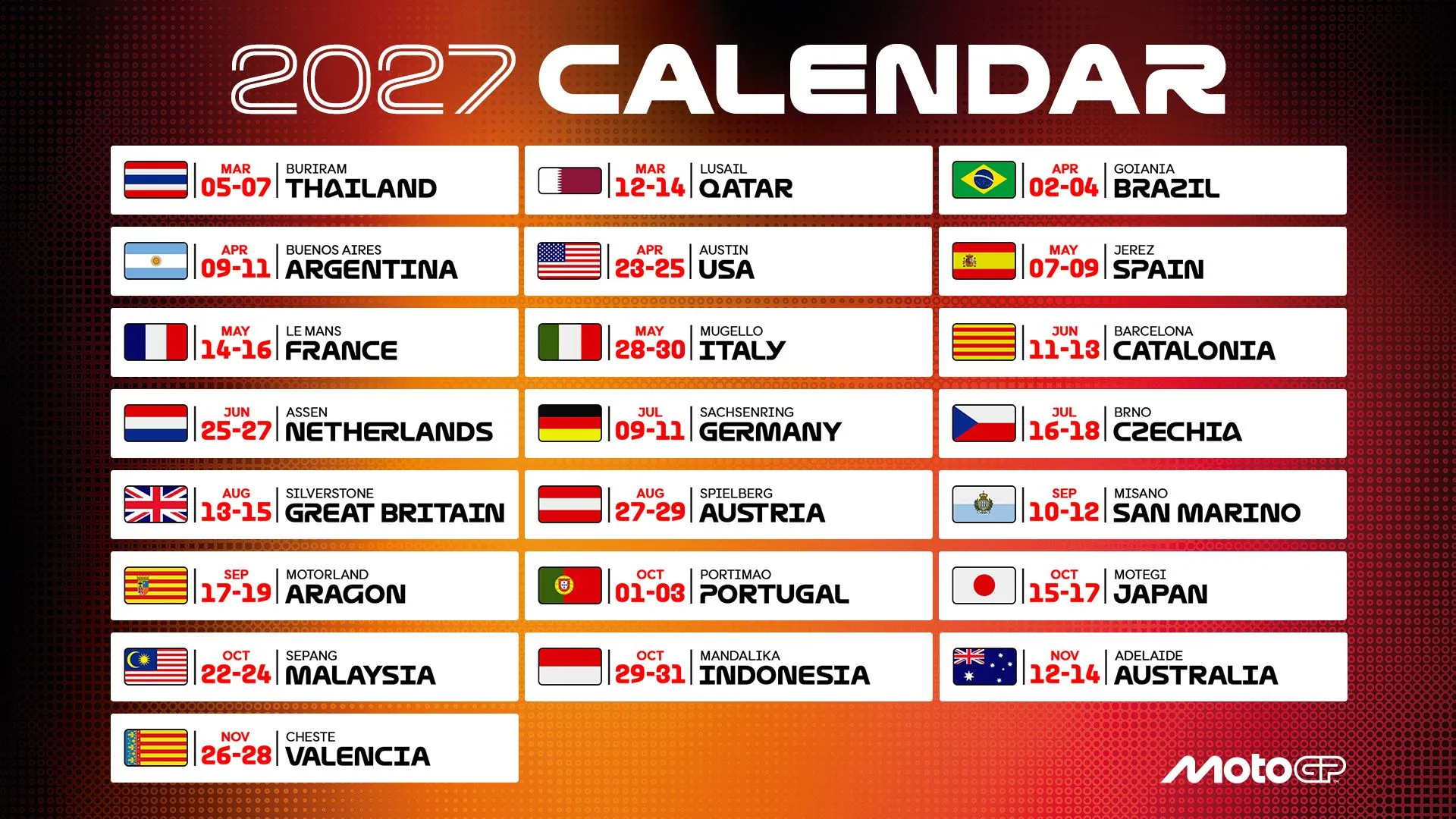
Despite the safety concerns, the ban will not be implemented for this weekend's event at Le Mans due to a lack of unanimous agreement among the manufacturers. The factories are still weighing the competitive disadvantage of losing the device against the safety risks. It remains uncertain whether a similar ban will be enforced for the upcoming rounds at Silverstone in August and Phillip Island in October.
Regardless of the short-term debate, the FIM has already mandated that all forms of holeshot and ride-height devices will be prohibited starting from the 2027 season. This move is part of a broader effort to simplify chassis technology, reduce development costs, and prioritize rider safety by eliminating complex mechanical aids that can fail under race conditions.
The issue of device failure has been a point of contention since last year, most notably following an incident involving Enea Bastianini and Pecco Bagnaia at Le Mans. The ongoing struggle to align the technical release of the device with the specific braking demands of various circuits highlights a gap in the current engineering approach toward race-start stability.
Read Also
Pol Espargaro sebut Motegi jadi tempat sempurna untuk kembalinya Maverick Vinales ke MotoGP. Simak analisis dan dampaknya bagi Tech3 KTM.
Yamaha resmi merekrut Jorge Martin untuk proyek MotoGP 850cc. Bos Yamaha, Paolo Pavesio, ungkap alasan di balik keputusan berani ini.
Michele Pirro membela Francesco Bagnaia di momen tersulit Ducati di MotoGP 2026. Simak analisis lengkap dan tekanan terhadap Nicolo Bulega.
 Continue with Google
Discussion (0)
Join the Discussion!
Sign in easily to start commenting, replying, and interacting with other readers.
Latest Comments
No comments yet. Be the first!