







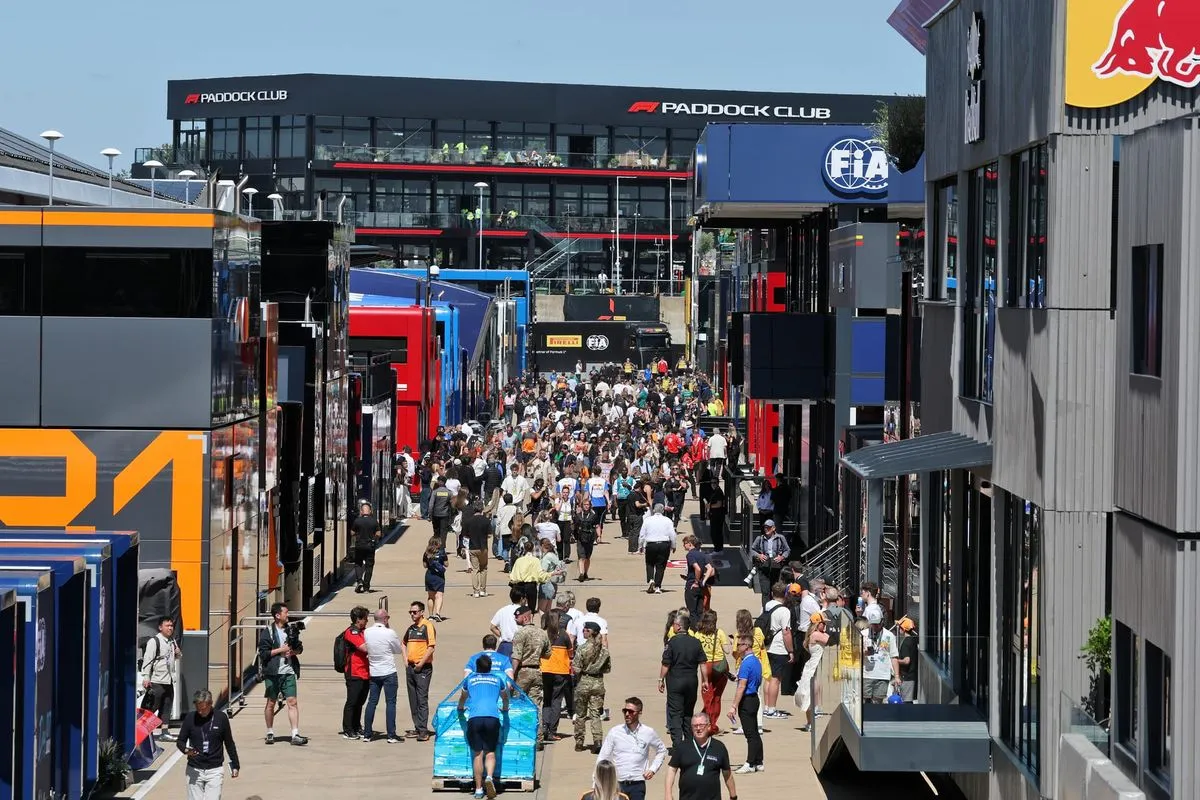

Formula 1 has spent years chasing bigger audiences. But what often gets missed is that many of the people it has picked up along the way belong to a surprisingly small and influential group: investors, CEOs, policymakers, founders, and media personalities whose judgments shape how markets, regulators, and the public perceive a company.
Communicators have a term for this group: key opinion formers (KOFs), whose views carry outsized weight with everyone else paying attention.
Before joining The Race, I saw firsthand how much time, budget, and internal political capital Fortune 500 corporate communications and corporate affairs teams poured into reaching them. As Axios's first Chief Revenue Officer, I helped build the commercial foundation for what became one of the most influential media brands in Washington and corporate America.
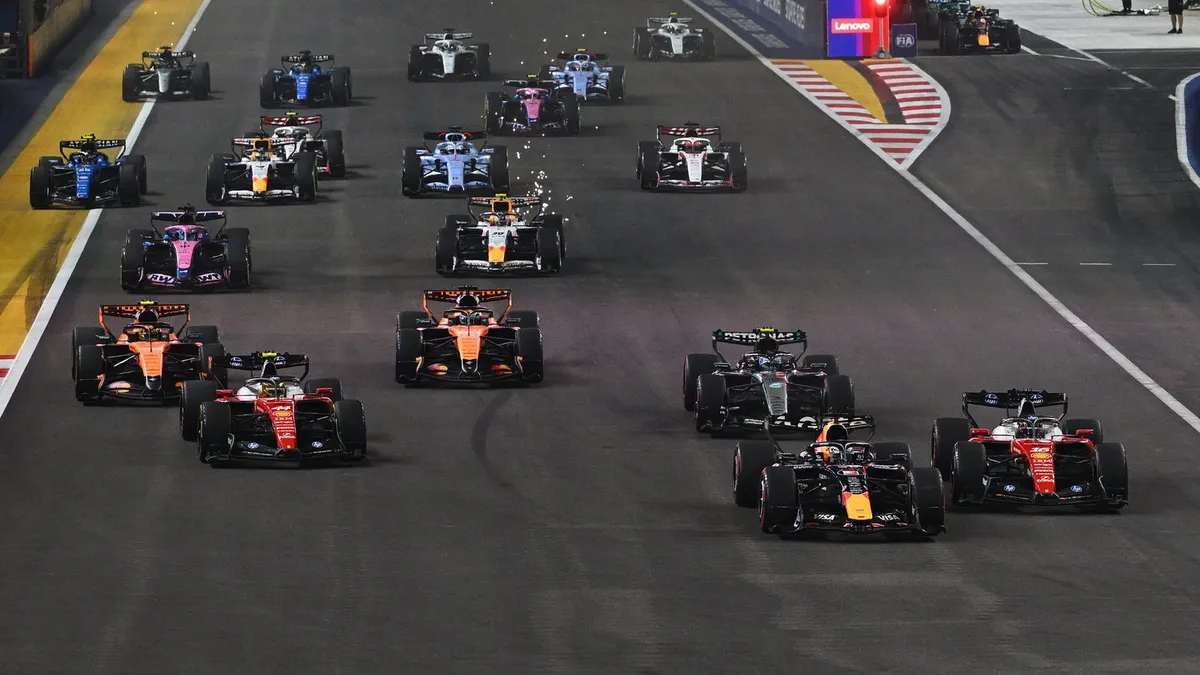
The playbook for reaching them is well established and often works: sponsor premium business and political journalism, secure a speaking slot at a flagship conference, build a thought-leadership programme tied to an earnings cycle or regulatory debate, or host a boardroom dinner or curated summit. Each channel succeeds because it meets influential people within their professional identity, while they are thinking as investors, operators, or policymakers.
But what that playbook has never fully reckoned with is that these same people do not stop being influential when they close their laptops. They are also fans of things. And a rising number of them are fans of Formula 1.
That is the point often overlooked. Formula 1 reaches many of the same people corporate communicators work hardest to reach, but it reaches them through passion rather than professional obligation. The distinction between an audience that shows up because it has to and one that shows up because it wants to changes what is possible for a company trying to earn genuine authority rather than merely rent attention.
Formula 1 is not a typical sports property, and its recent trajectory proves it. Nielsen Sports reported that the 2025 season drew a cumulative global TV audience of 1.83 billion, the sport's largest in five years, up 6.8% from 2024, with live race viewership up nearly 20%. Liberty Media's full-year 2025 results showed F1 revenue of $3.87 billion, up 14%, and 6.75 million fans attending races live, up 4%. A joint fan study by F1 and Motorsport Network in 2025 found 61% of fans engage with F1 content daily and 86% watch at least 16 races per season.
These numbers describe reach, not necessarily influence. But reach is only part of the story. F1's appeal lies in its ability to blend passion with professionalism, creating a unique platform for companies to connect authentically with opinion leaders. This is an opportunity worth considering for brands aiming to build real authority in an era where attention is the most valuable currency.
Read Also

Kimi Antonelli berpeluang kunci gelar juara dunia F1 termuda di GP Amerika Serikat. Simak analisis skenario poin lengkap dan peluang emasnya di sini!
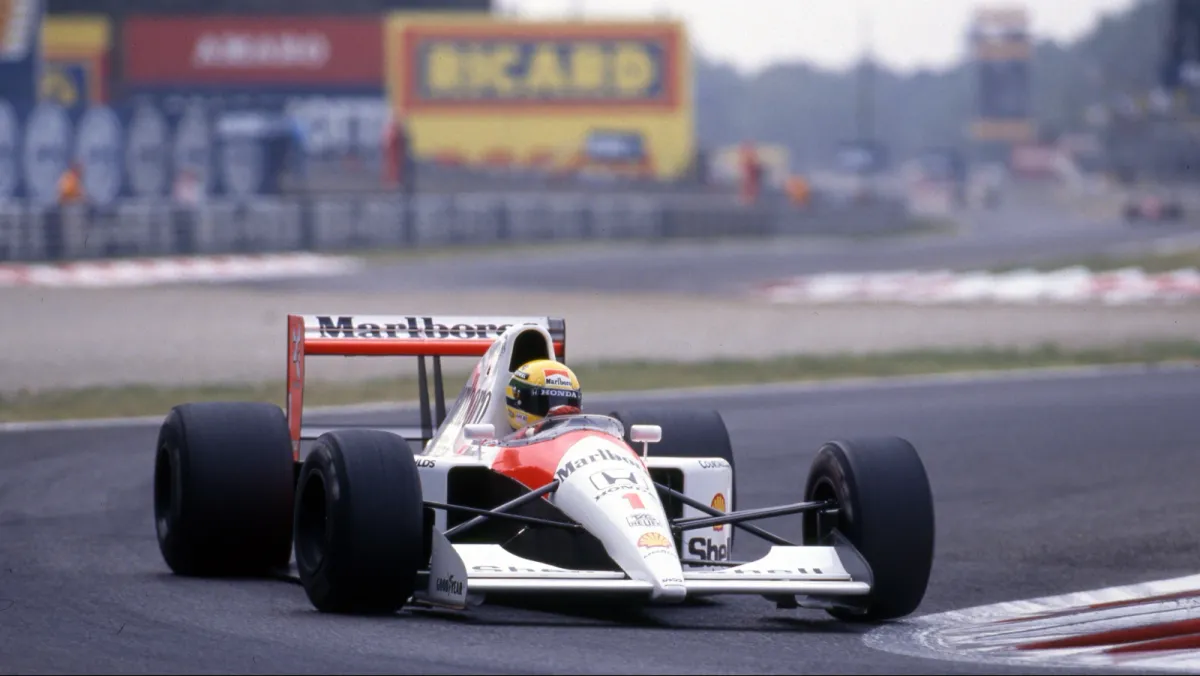
McLaren resmi melepas lima mobil F1 bersejarah termasuk sasis legendaris Ayrton Senna. Simak analisis nilai sejarah dan estimasi harganya di sini.
Sentronics gugat Allengra ke pengadilan Texas terkait pelanggaran paten sensor bahan bakar F1 2026. Baca analisis hukum lengkapnya di sini.
 Continue with Google
Discussion (0)
Join the Discussion!
Sign in easily to start commenting, replying, and interacting with other readers.
Latest Comments
No comments yet. Be the first!