









Ahead of the fourth heat hazard weekend of the year in Singapore, Formula 1 drivers are deeply divided on the implementation of cooling vests and whether such technology remains redundant or essential.
The FIA officially declared Singapore a heat hazard weekend after estimated ambient temperatures surpassed the 31 degrees Celsius threshold, allowing teams to install specialized cooling apparatuses designed to pump liquid through a garment worn inside the cockpit.
Despite the official authorization, the overwhelming majority of the F1 grid opted against utilizing the devices during competitive sessions due to resource constraints and lingering reliability concerns regarding fluid temperature regulation.
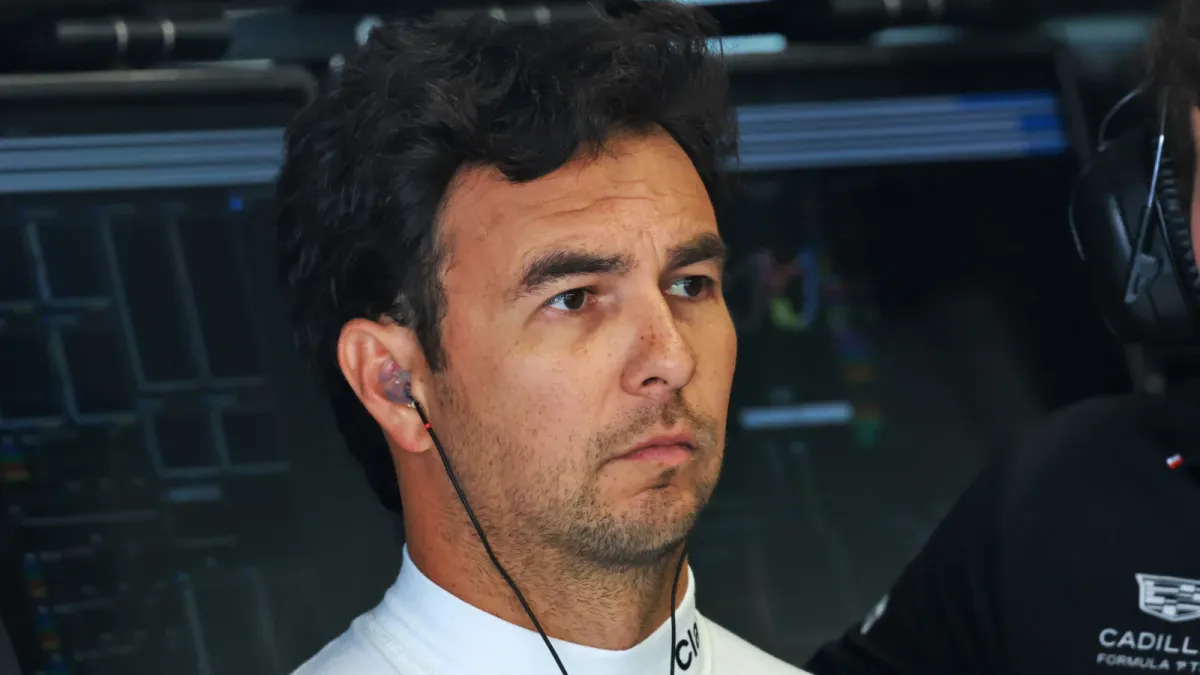
For vocal proponents such as George Russell, the barrier to entry lies entirely within his Mercedes squad's current inability to allocate sufficient engineering resources toward optimizing the hardware.
Russell confirmed that he would deploy the cooling system at every single round outside of exceptionally cold venues like Las Vegas, emphasizing the clear physiological advantages provided to drivers enduring extreme cockpit environments.
"I definitely see a benefit in it, I really like it. I guess just collectively between the teams and the FIA we need to find a way to make it work," George Russell stated.
He further clarified that while development costs sit outside the strict budget cap parameters, redirecting human capital away from core performance departments remains a significant logistical hurdle for major constructors.
Meanwhile, rookie teammate Kimi Antonelli expressed reluctance following severe technical failures during previous trials that resulted in physical exhaustion.
"The first time it didn't work as long as we hoped for. The second time, the pump system failed. It was in Austin, and I did the whole session with the system pumping the water at 50 degrees, so I suffered heat stroke after the session, it wasn't very pleasant," Kimi Antonelli explained.
Conversely, the Williams squad has emerged as the benchmark for successful integration and development of the liquid-cooling apparatus among all competing outfits.
Driver Carlos Sainz highlighted the stark contrast in cockpit comfort achieved through his team's proactive engineering approach compared to rival operations struggling with thermal management.
"If there's one thing as a team we've done well on development this year is the cooling vest, which has definitely given Alex Albon and me a good time inside the car and we're very happy to have it," said Carlos Sainz.
While common complaints focus on circulated liquid warming up too quickly, Alex Albon maintained that the Williams configuration delivers sustained relief for competitors throughout high-stress Grand Prix distances.
Read Also
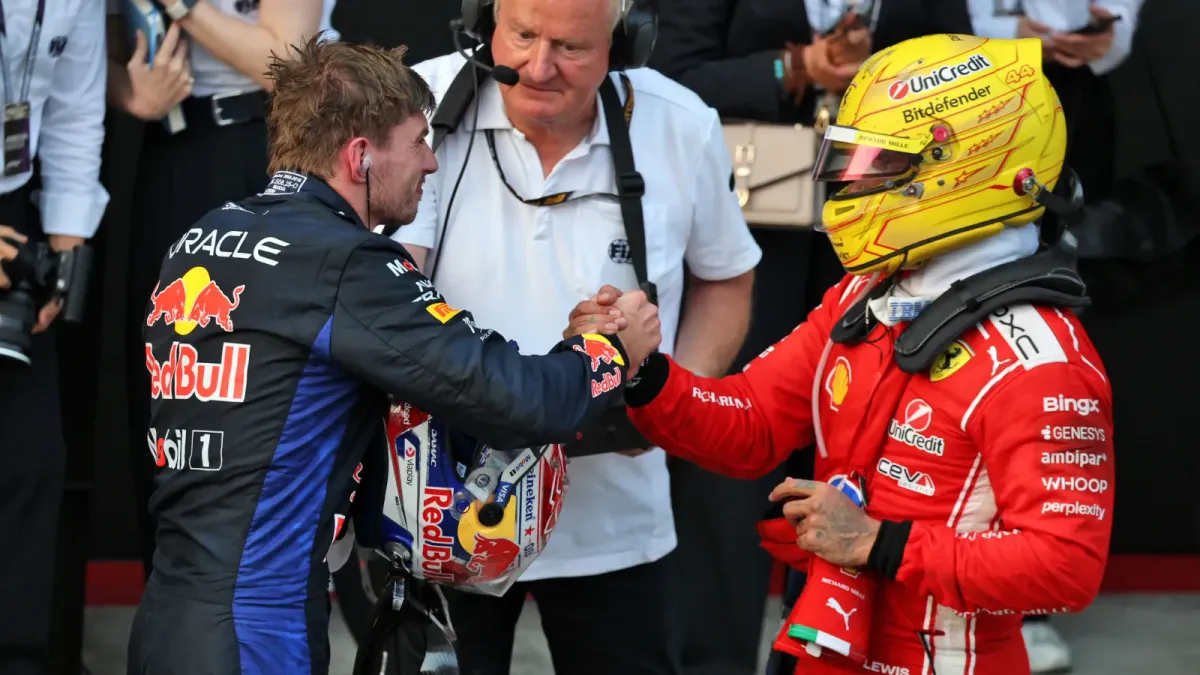
Lewis Hamilton menyesalkan batalnya duel melawan Max Verstappen di Sepang akibat intervensi FIA dalam kondisi trek basah F1.
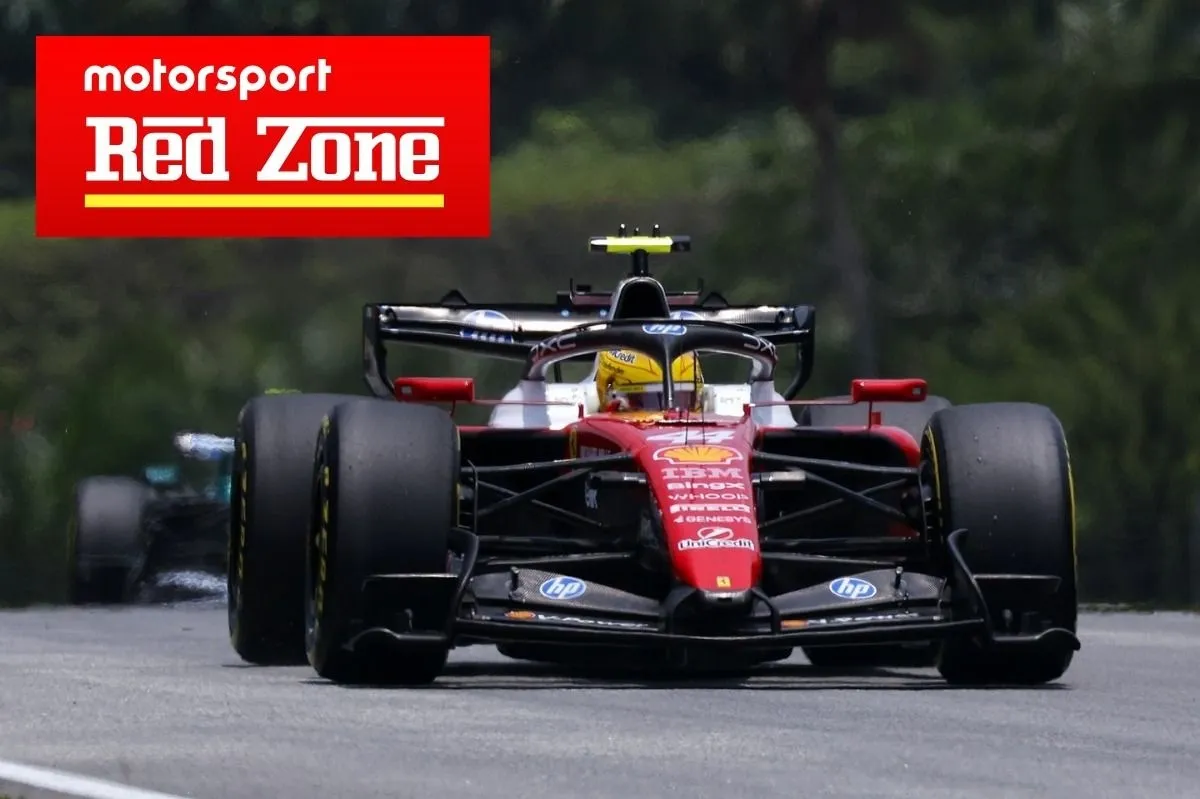
Guenther Steiner mengkritik Ferrari yang dinilai gengsi mengakui kesalahan strategi F1, membuat Lewis Hamilton dan Charles Leclerc rugi di awal balapan.
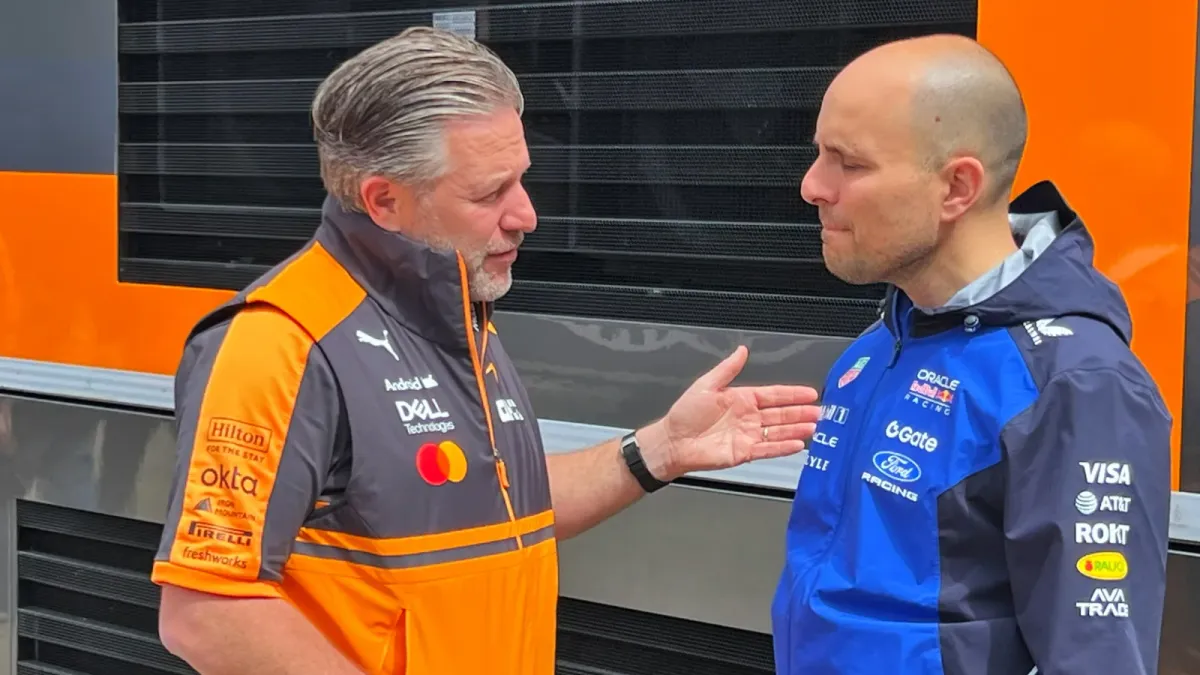
Zak Brown memberikan petunjuk bahwa Gianpiero Lambiase berpotensi bergabung lebih cepat ke McLaren dari Red Bull pada musim depan.
 Continue with Google
Discussion (0)
Join the Discussion!
Sign in easily to start commenting, replying, and interacting with other readers.
Latest Comments
No comments yet. Be the first!