






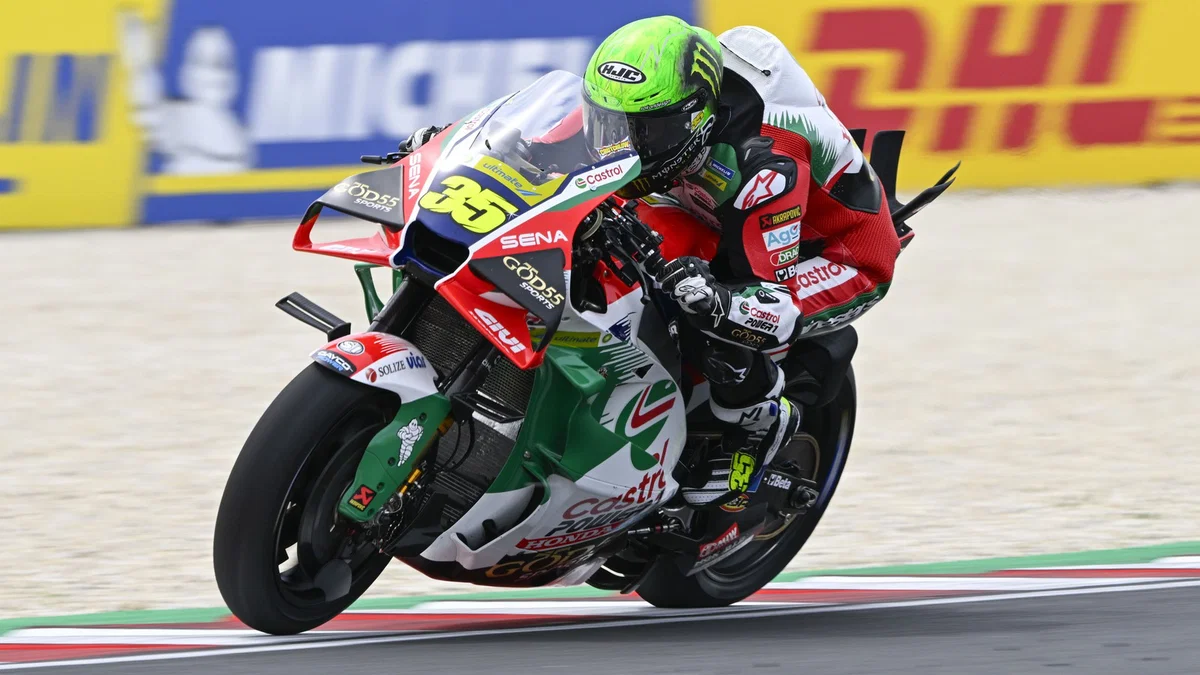

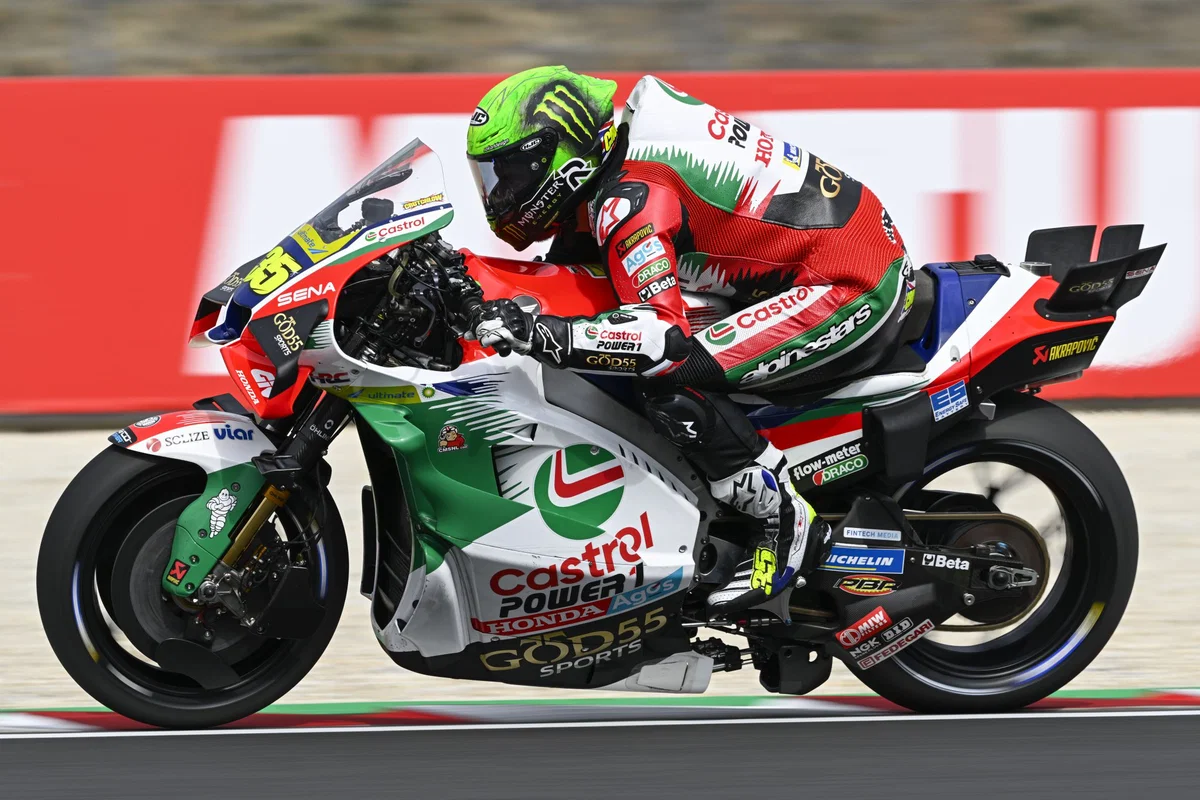
Stand-in LCR Honda rider Cal Crutchlow has delivered a highly critical technical evaluation regarding his radical impressions of modern MotoGP evolutionary steps during the 2026 Hungarian Grand Prix Sprint Race. Appointed to substitute for Johann Zarco following the Frenchman's structural injuries, Crutchlow consolidated the final position on the classification monitors at the Balaton Park Circuit. This operational result highlights a significant deficit in data synchronization, considering the British rider has remained away from full-time grand prix competition since the conclusion of the 2023 calendar and was instantly exposed to an RC213V platform dense with complex aerodynamic upgrade packages.
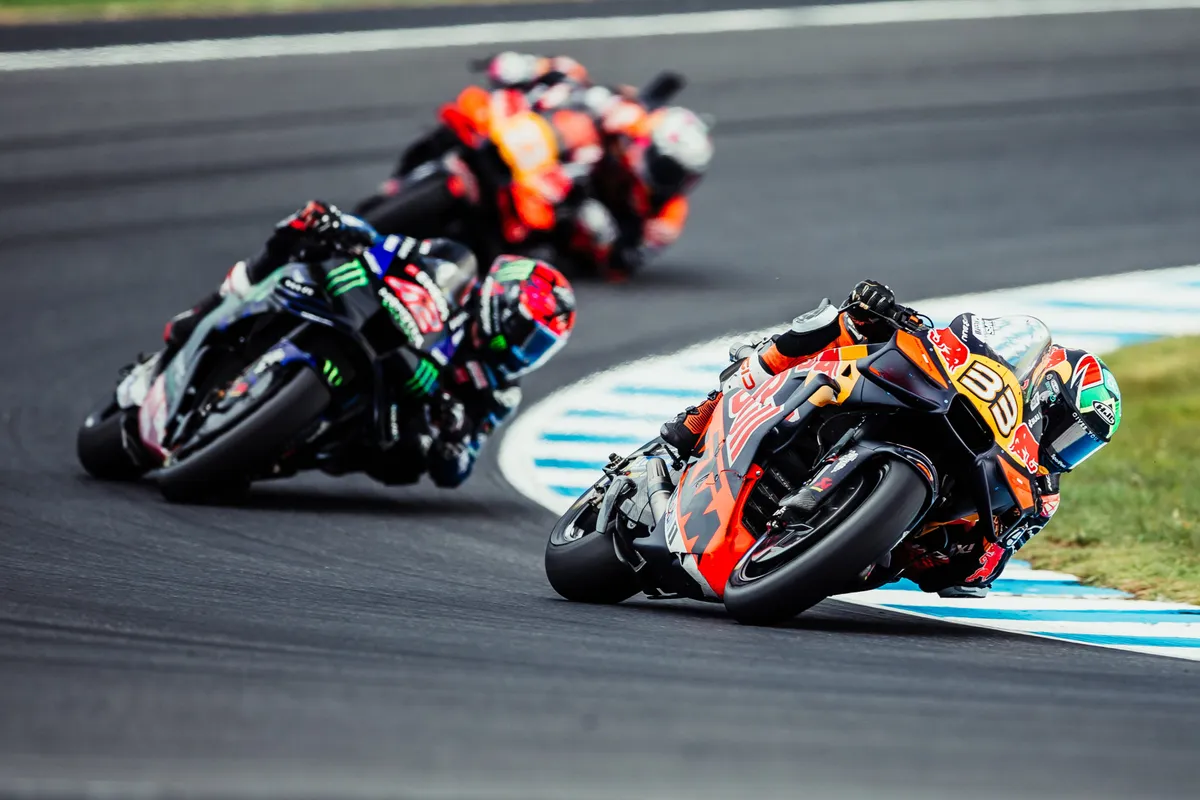
Based on pure tracking telemetry parameters across the opening loop of the 13-lap distance, Crutchlow pinpointed a distinct blockade effect generated by contemporary prototype machinery during high-density pack scenarios. The integration of advanced mechanical ride height devices alongside aggressive winglet load profiles severely neutralizes conventional clean overtaking opportunities under green-flag conditions. Consequently, competitors stuck within the lower tiers of the field remain trapped inside turbulent dirty air vectors, which violently degrade front-end mechanical grip stability and mandate partial throttle responses to mitigate front-tire structural failure risks.
"At the start, I thought ‘Why are they all going so slow’. Also at Mugello, I thought exactly the same: the first lap, it’s like a blockade, so you’re blocked in the back," Crutchlow stated, breaking down his localized traffic management discrepancies around the new Hungarian layout. "So, you wonder why they’re going so slow, but the reality is that they can’t really pass each other because it’s difficult to pass. In the back you’re like half-throttle everywhere thinking ‘Why are they going so slow’, but then you try and pass someone and you say ‘Oh no, I can’t do it, it’s impossible’."
Beyond tracking complications within the pack, Crutchlow's adaptation roadmap aboard the Honda platform was heavily limited by biomechanical deficits following a shoulder separation sustained in Italy. Balaton Park's newly resurfaced track geometry demands extreme stability thresholds during rapid lateral changes of direction. Crutchlow verified through onboard metrics that his pure deceleration parameters and baseline corner speed remained within highly acceptable engineering thresholds, yet a localized lack of muscle leverage forced an asymmetric weight distribution layout across slow-speed apex transitions.
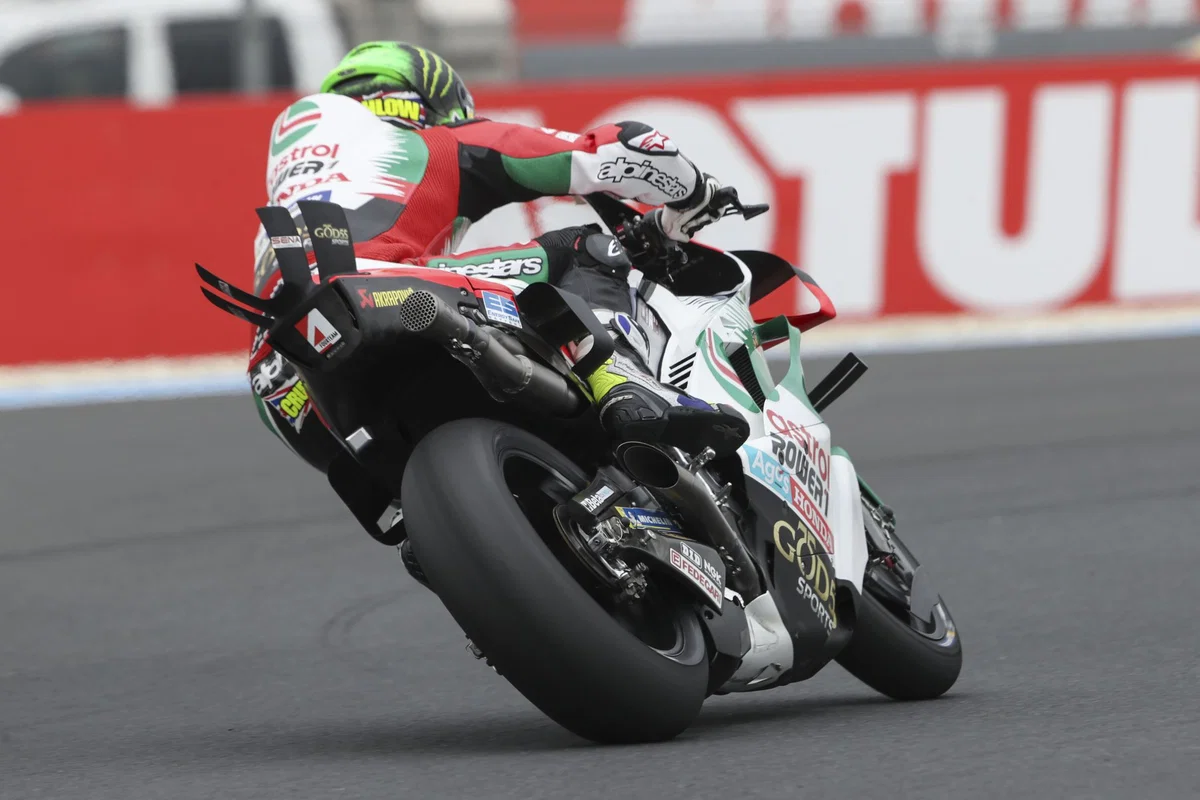
A critical operational hazard haunting the veteran rider was the absolute absence of valid braking references due to a lack of familiarity with the circuit's geometric constraints. Operating without a direct tracking asset ahead to monitor, Crutchlow was forced to manipulate visual tyre markings left on the asphalt surface to function as his definitive carbon hardware deceleration indicators. This tactical compromise induced extreme front tire core temperature fluctuations, though his tracking rhythm stabilized over the final five loops by benchmarking a stable five-second linear delta behind the machine piloted by Alex Rins.
Approaching Sunday's full-distance Grand Prix, the LCR Honda pit wall alongside HRC software engineers must execute a complete recalibration of their electronic torque demand maps to lessen physical loads on the rider. Completing the short format while delivering a progressive reduction in single-lap deltas provides a valid database for his technical crew. The immediate engineering priority must pivot toward optimizing suspension software parameters to yield more forgiving chassis feedback, prioritizing raw telemetry collection to benefit Honda's long-term 2026 chassis development roadmap.
Read Also
Simak analisis lengkap program baru MotoGP Academy untuk menjaring talenta muda global. Baca informasi selengkapnya di Sportrik Media.
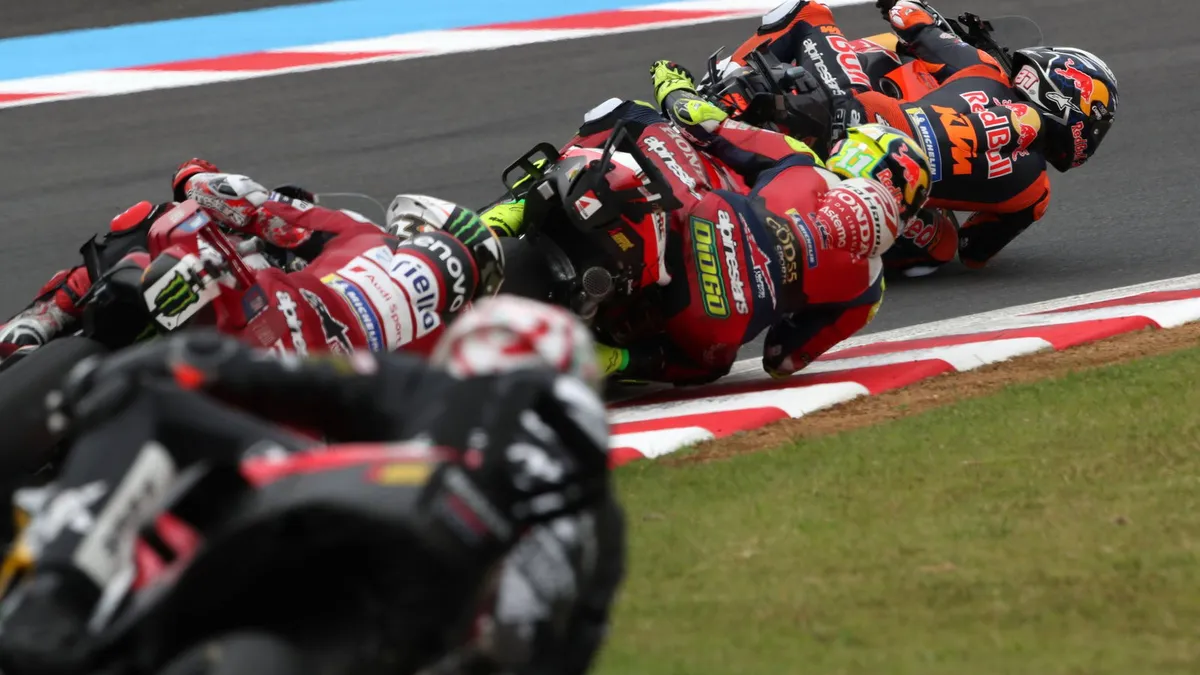
Simak analisis mendalam bursa transfer pembalap MotoGP 2027, mulai dari kepindahan mengejutkan hingga deretan tim yang diuntungkan. Baca selengkapnya di sini!
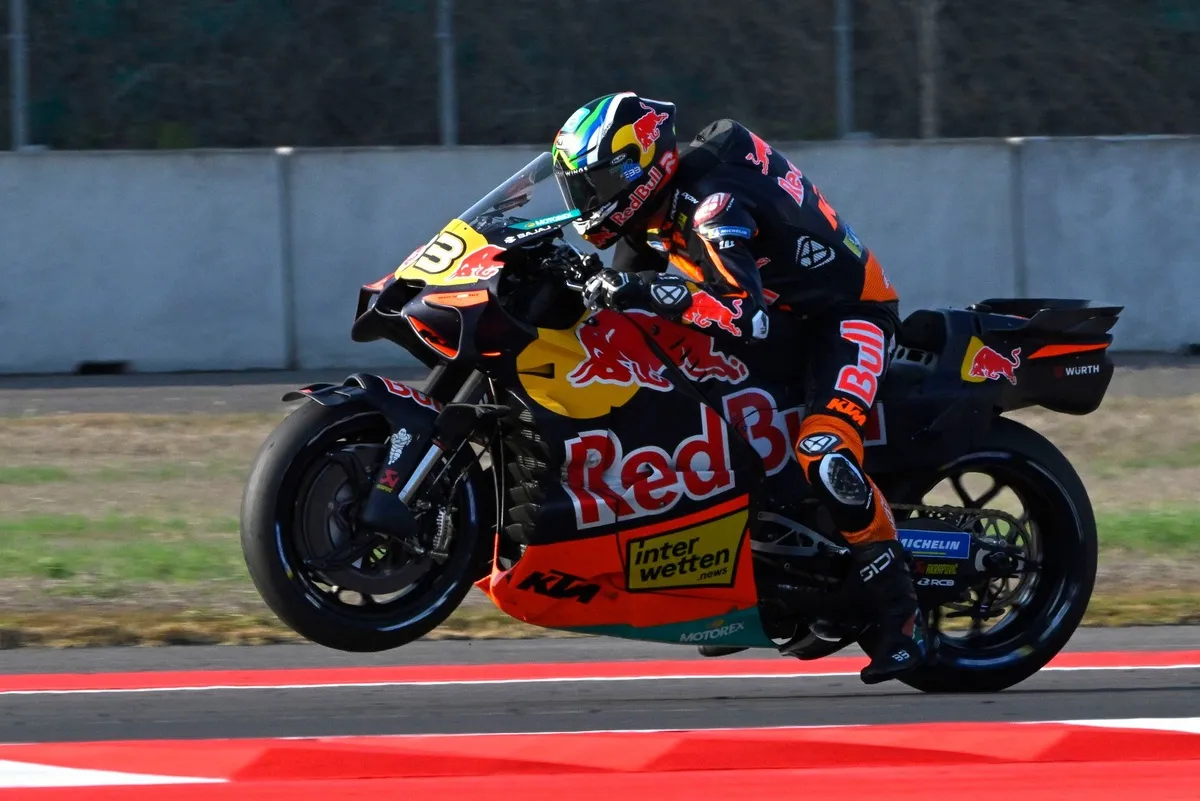
Simak analisis lengkap bagaimana regulasi MotoGP 2027 menjadi peluang emas bagi KTM membangun motor baru dan mengejar ketertinggalan di grid.
 Continue with Google
Discussion (0)
Join the Discussion!
Sign in easily to start commenting, replying, and interacting with other readers.
Latest Comments
No comments yet. Be the first!