









Formula 1, Sportrik Media - Toto Wolff has been identified as a central figure behind the introduction of Formula 1’s 2026 power unit regulations by Formula E founder Alejandro Agag, as criticism over the new rules continues to grow within the paddock.
The 2026 regulations introduce a 50/50 split between electrical power and internal combustion, representing a significant shift in Formula 1’s technical philosophy. The changes have sparked debate among drivers, with figures such as Max Verstappen and Lando Norris openly criticising the direction, drawing comparisons to Formula E.
Agag linked the origins of the new regulations to Mercedes, which competed as a factory team in Formula E for three seasons before exiting the championship in 2022 after securing consecutive drivers’ and teams’ titles. According to Agag, the departure was part of a broader strategic shift.
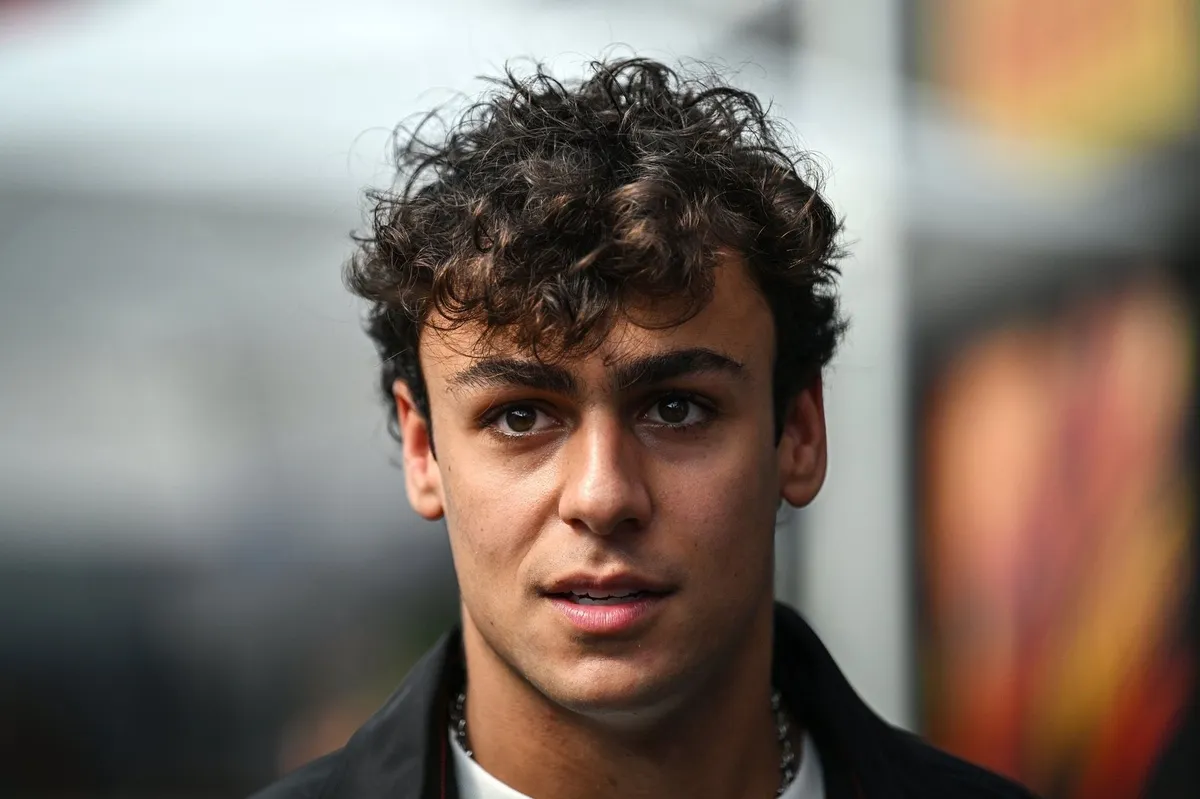
“When Mercedes left here, it was because they wanted to take what existed in Formula E and bring it into Formula 1,” Agag told Marca.
He pointed to Wolff’s experience within Formula E as a decisive influence on the regulatory direction now seen in Formula 1, suggesting that elements of the all-electric series have been integrated into the hybrid framework of the new rules.
“The main force behind what we’re seeing in Formula 1 today is Mercedes and Toto Wolff. He saw what was in place and decided to bring that into Formula 1 and effectively combine Formula 1 and Formula E,” he added.
Agag further suggested that this strategic approach may have given Mercedes a competitive advantage, as the team had prior exposure to similar technologies. The transition toward increased electrical dependency is seen as aligning more closely with Formula E’s core principles.
“I don’t think that’s good for Formula 1. The sport should return to more combustion, to V8 engines, to more noise, and leave Formula E as the all-electric championship. Right now, it sits somewhere in between — it’s neither one thing nor the other,” Agag stated.
The comments add further weight to ongoing discussions about Formula 1’s future direction, particularly regarding the balance between technological innovation and the sport’s traditional identity. As the 2026 regulations continue to be evaluated in competitive conditions, their long-term impact on performance parity and sporting spectacle remains a key point of analysis.
Baca Juga
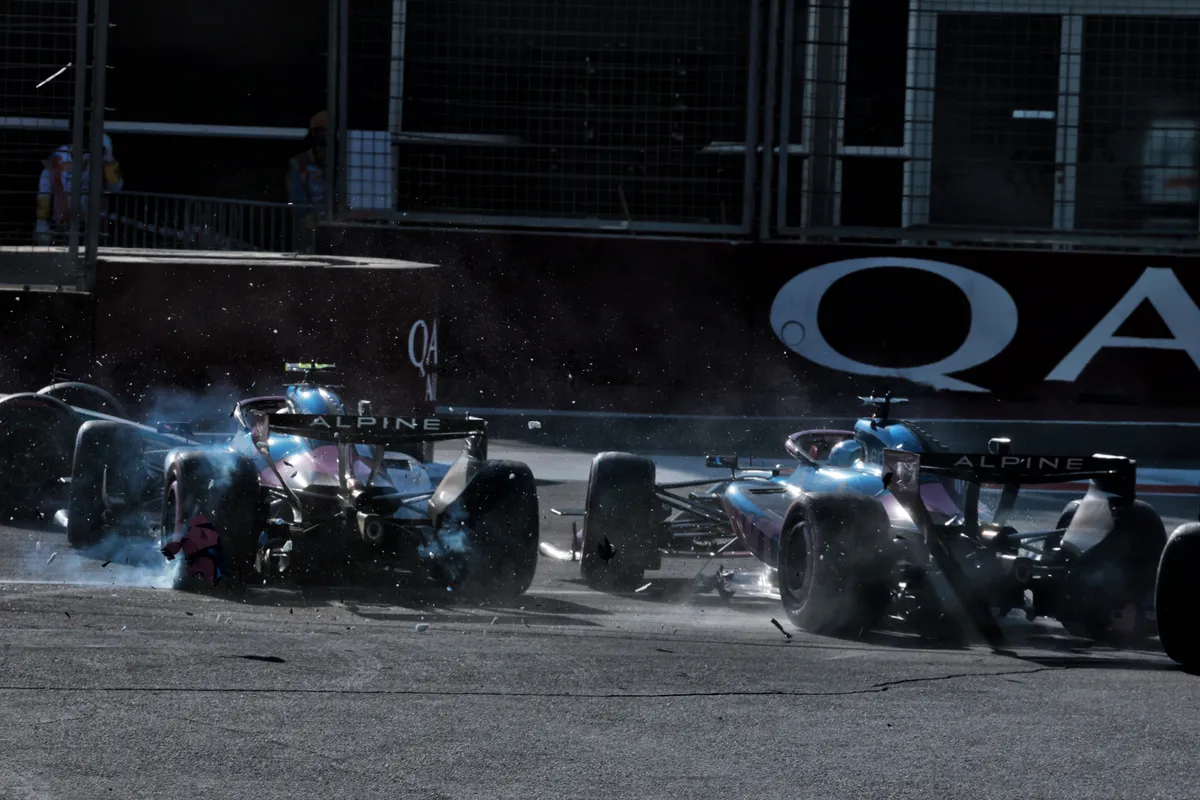
Alpine kembali mengecam pelecehan online terhadap Franco Colapinto dan komunitas F1 usai GP Azerbaijan. Tim menyerukan solidaritas dan tindakan tegas.
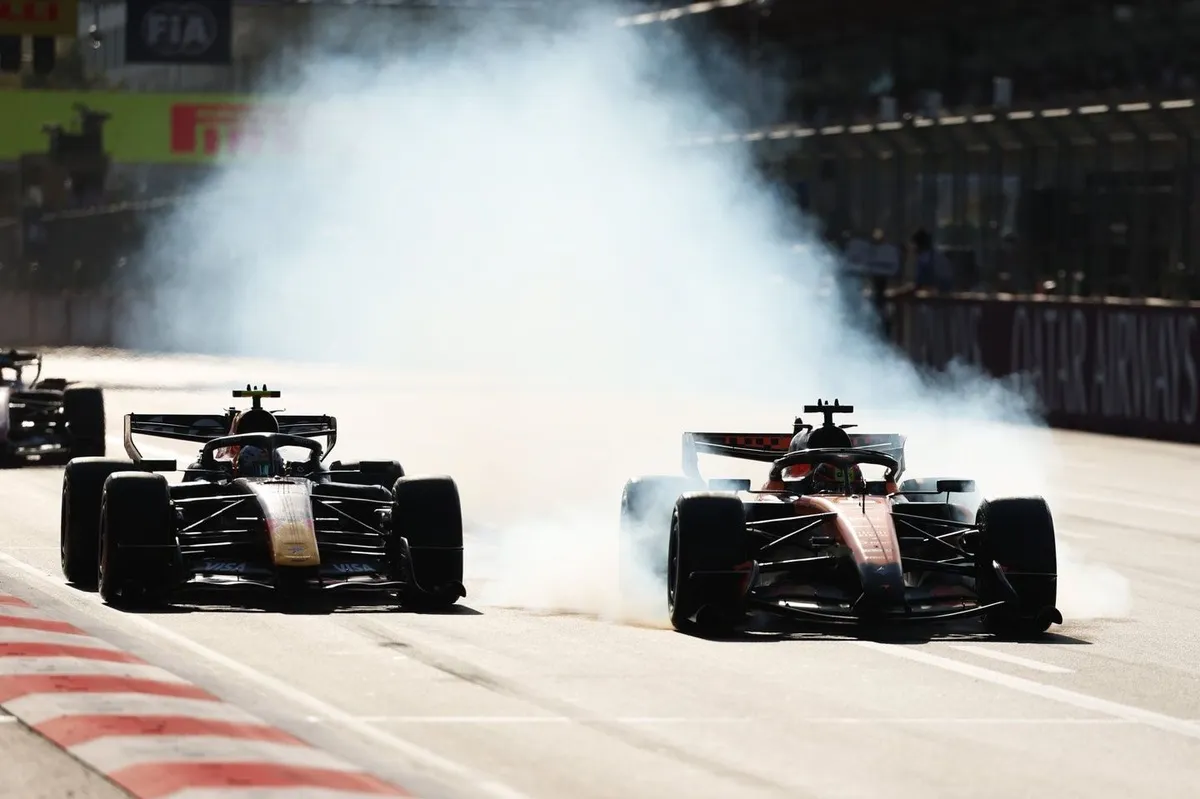
Oscar Piastri menyebut kesalahan rem di GP Azerbaijan 2026 sebagai hal 'aneh' setelah kehilangan podium. Simak analisis dan komentarnya.
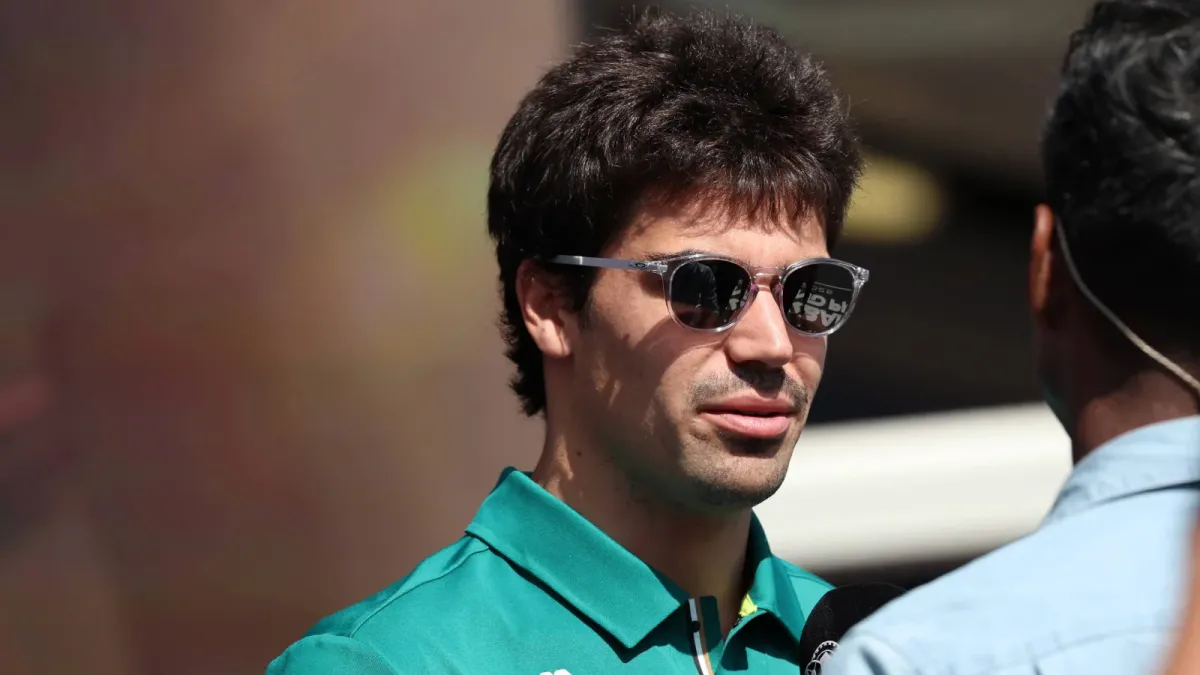
Lance Stroll terlibat adu mulut dengan marshal usai gagal finis di F1 Azerbaijan GP. Simak kronologi dan dampaknya bagi Aston Martin.
 Lanjutkan dengan Google
Diskusi & Komentar (0)
Mari Bergabung dalam Diskusi!
Masuk dengan mudah untuk mulai memberikan komentar, membalas, dan berinteraksi dengan pembaca lainnya.
Komentar Terbaru
Belum ada komentar. Jadilah yang pertama!