









Liam Lawson believes Formula 1 will never be able to completely eliminate the risk of start-line accidents despite the FIA introducing several technical revisions designed to prevent a repeat of incidents like the one seen in Australia earlier this season.
During the Australian Grand Prix, Lawson stalled on the grid after his Racing Bulls car lost acceleration at the launch phase. The situation almost triggered a major collision as Franco Colapinto was forced into sudden evasive action to avoid crashing into the back of Lawson’s stationary car.
The incident immediately became a major concern inside the Formula 1 paddock because several teams had already questioned the reliability and safety of the new-generation 2026 hybrid launch systems before the season began. One of the most vocal critics was McLaren team principal Andrea Stella, who warned about the potential risks associated with the revised power delivery regulations.

Ahead of the Miami Grand Prix, the FIA introduced a new “low-power start detection” system as part of wider technical regulation adjustments. The system automatically deploys additional MGU-K electrical energy whenever a car is detected suffering low acceleration during the launch phase.
Under the original 2026 regulations, Formula 1 cars were not permitted to use full electrical deployment below 50kph, leaving the launch sequence heavily dependent on internal combustion engine performance. The revised rules now ensure cars reach the grid with sufficient electrical charge while also allowing extra deployment support during standing starts.
"There will always be risks with standing starts. Even in other categories you can still stall and have a major accident. I don’t think you can ever eliminate every risk," Lawson explained.
The New Zealander argued that the FIA’s primary focus should instead be eliminating failures that remain outside a driver’s control. According to Lawson, the stall he experienced in Australia was not caused by driver procedure but by a technical issue within the car’s systems.
"When something happens that is outside the driver’s control, like a system failure or technical issue, that’s what needs to be eliminated. But the basic risks of racing will always exist," he added.
From a technical perspective, the revised launch regulations are one of the direct consequences of Formula 1’s heavily electrified new power units. The significantly increased electrical contribution has made the launch phase more complex than previous generations because torque management between the ICE and MGU-K systems must now operate with extreme precision during the first seconds of acceleration.
The FIA is expected to continue evaluating launch procedures throughout the 2026 season, particularly after several drivers reported inconsistent launch behaviour in low-grip conditions. With Formula 1 already preparing for the 2027 regulation cycle that will reduce electric power dependency, launch safety and start-line stability are becoming increasingly important technical priorities inside the paddock.
Baca Juga
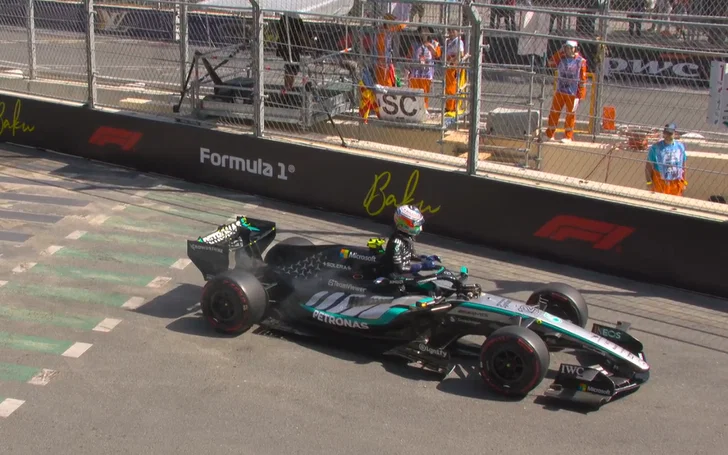
Kimi Antonelli mengalami masalah hidrolik pada Mercedes W17 hingga harus menghentikan mobil lebih awal dalam latihan bebas pertama GP Azerbaijan 2026.
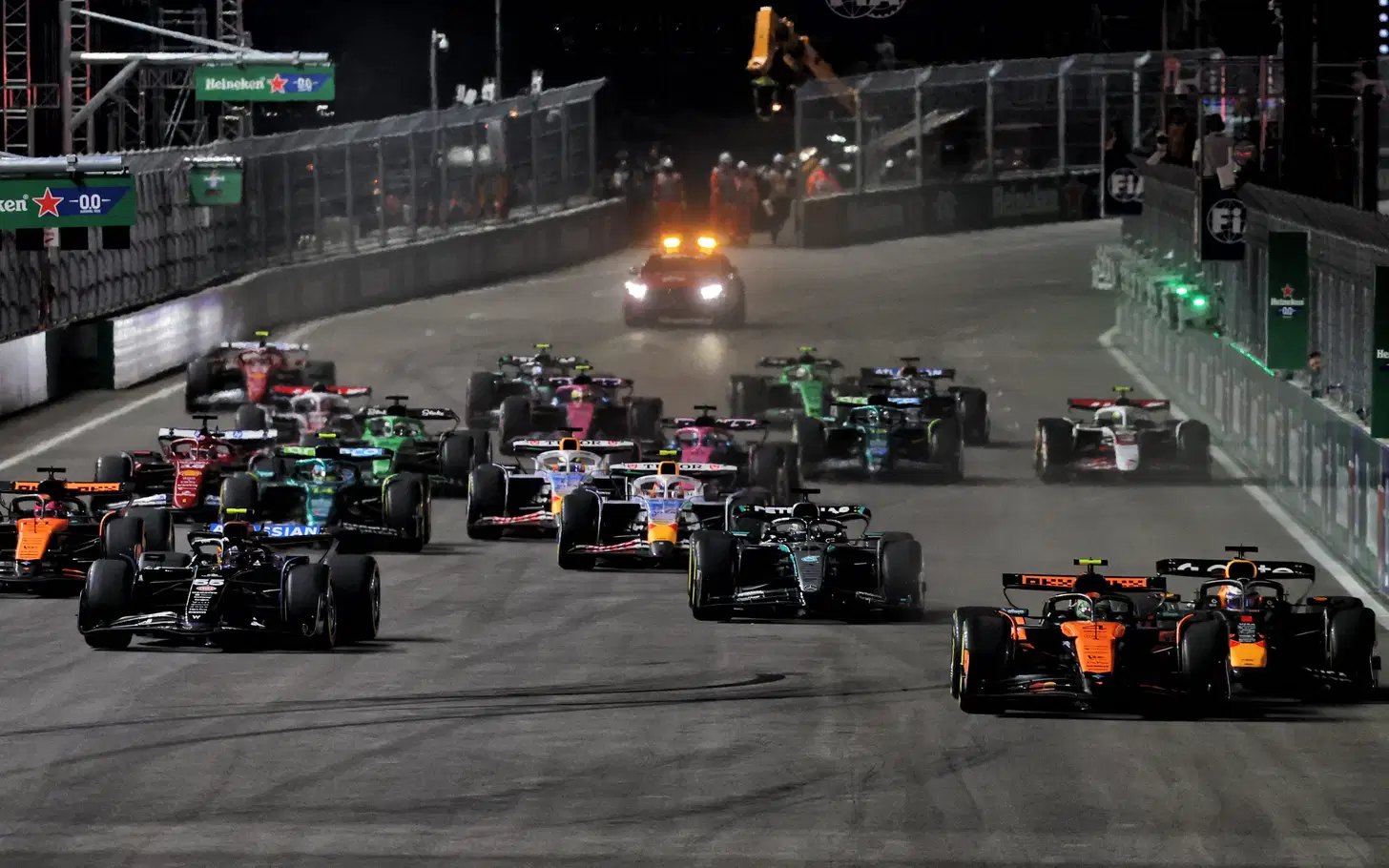
GP Azerbaijan 2026 akan digelar pada Sabtu, melanjutkan tradisi langka F1 yang sudah terjadi dalam berbagai kondisi, dari Piala Dunia hingga penggunaan area parkir kasino.
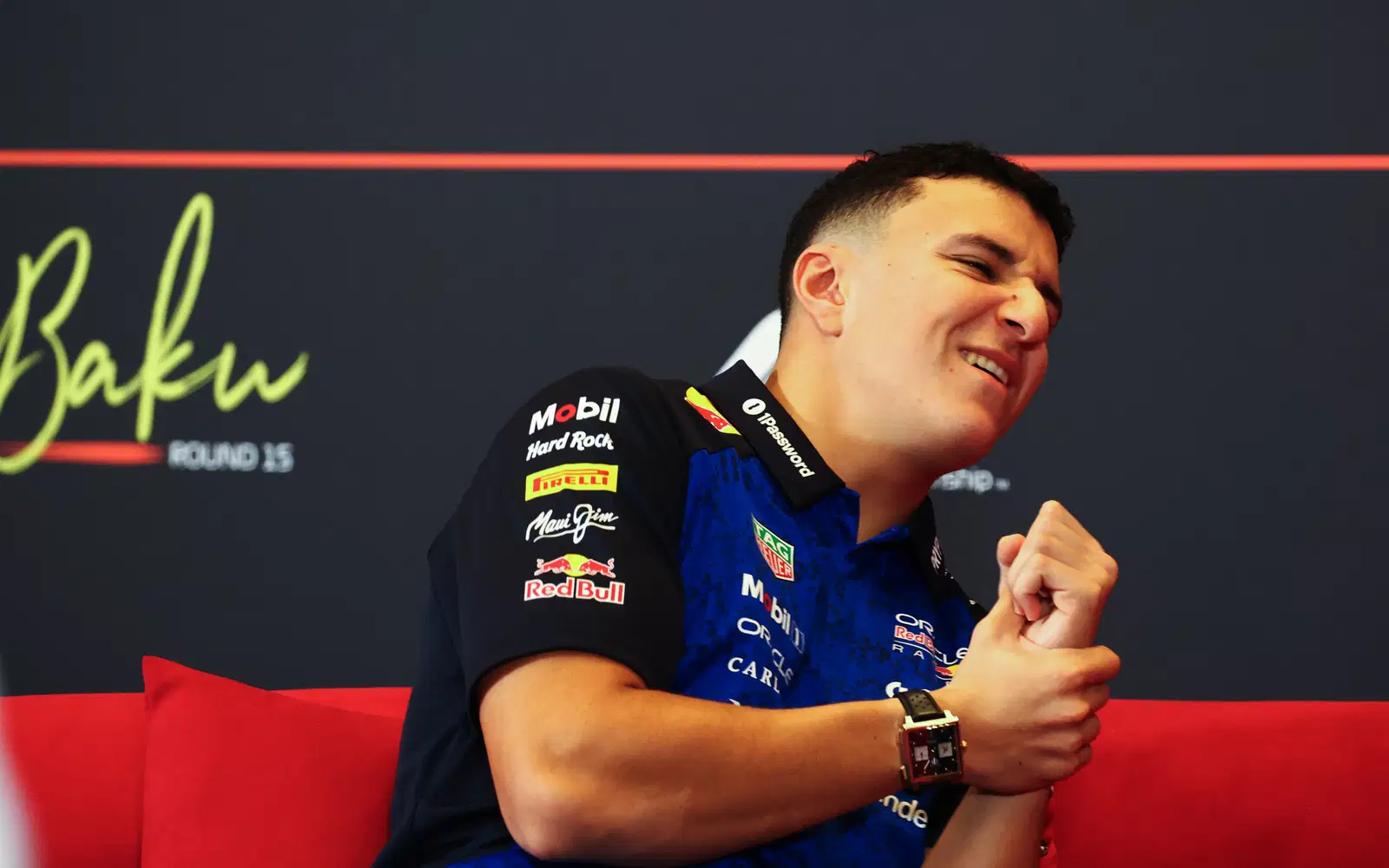
Isack Hadjar mengungkap detail cedera pergelangan tangannya jelang kembali membalap bersama Red Bull di GP Azerbaijan 2026.
 Lanjutkan dengan Google
Diskusi & Komentar (0)
Mari Bergabung dalam Diskusi!
Masuk dengan mudah untuk mulai memberikan komentar, membalas, dan berinteraksi dengan pembaca lainnya.
Komentar Terbaru
Belum ada komentar. Jadilah yang pertama!