






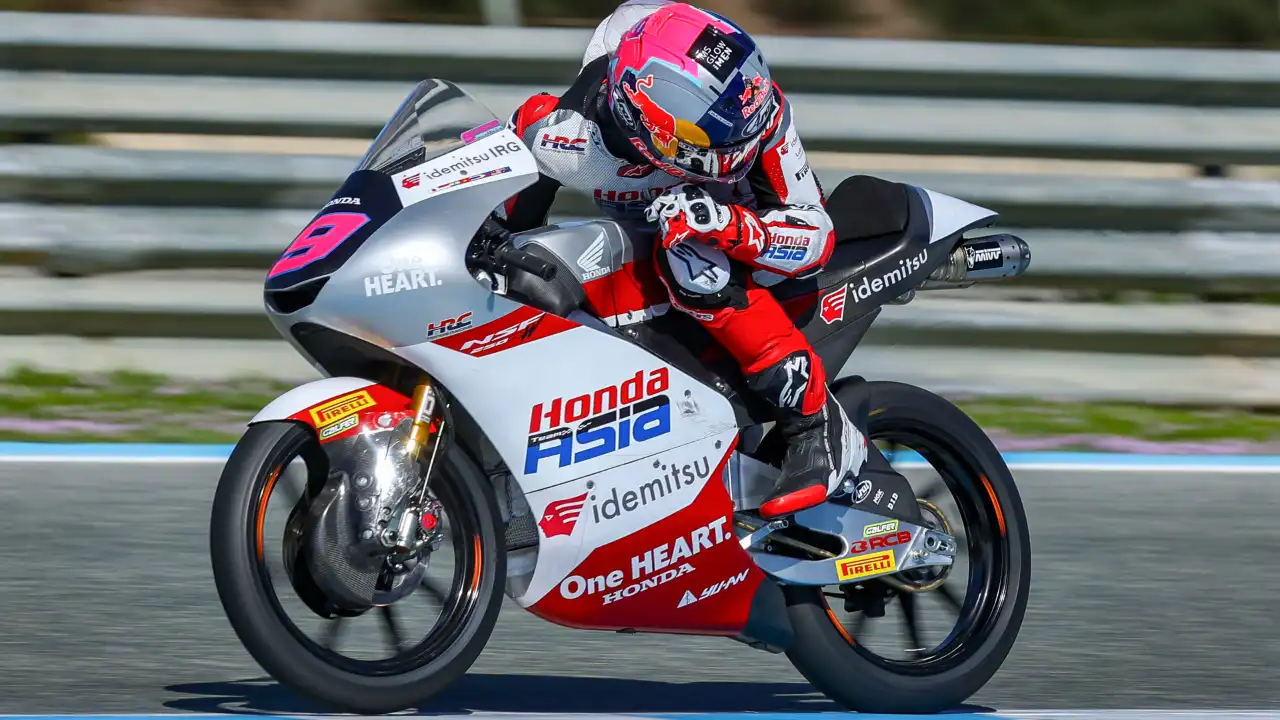

Veda Ega Pratama concluded the first free practice session (FP1) of the 2026 Moto3 French Grand Prix at the Bugatti Circuit, Le Mans, in 11th position. The young Indonesian rider, representing Honda Team Asia, endured a highly volatile session characterized by a dramatic surge in pace followed by a steep decline, illustrating the technical instability he is currently facing with the Honda machinery.
The session began on a promising note, with Veda Ega momentarily claiming the fourth-fastest time. From a technical perspective, this initial burst of speed suggests that the baseline setup was well-aligned with the early track temperatures. However, this peak was short-lived. As the session progressed, his position began a steady slide—dropping to seventh and then to 13th—indicating a failure to maintain a consistent pace or a rapid degradation of tire grip that the rider was unable to manage effectively.
This downward trend stood in stark contrast to the performance of Malaysian rider Hakim Danish. While Veda struggled to hold his position, Danish exhibited a masterclass in session evolution. Starting from as low as 21st, Danish systematically improved his lap times, eventually overtaking Veda to secure seventh place. This disparity suggests that Danish successfully optimized his corner speed and adapted to the evolving track surface, whereas Veda suffered a loss of chassis balance as the asphalt conditions shifted.
The situation reached a critical point in the final 15 minutes of FP1, where Veda Ega's performance plummeted further, seeing him drop to 16th, 17th, and eventually 20th. Such a drastic decline often points toward a "disconnect" in the front-end feel or a mismatch in gear ratios that becomes apparent as the tires lose their peak temperature. At Le Mans, where heavy braking and precision turn-ins are mandatory, any loss of confidence in the front-end stability leads to an immediate and significant loss in lap time, forcing the rider to over-slow the bike into the apex.
Despite the collapse, Veda demonstrated commendable resilience by mounting a final charge in the closing minutes of the session. He managed to claw his way back from 20th to finish in 11th. While this recovery proves that the raw pace is present, it also confirms that the current setup is far too sensitive to variables, creating a "yo-yo" effect in performance that could prove disastrous during a high-pressure qualifying session where consistency is paramount.
Analytically, the challenges Veda faces at Le Mans are rooted in the circuit's unique layout, which features several heavy braking zones followed by tight, technical exits. The instability observed during FP1 suggests a struggle with traction management and chassis pitch control. If Honda Team Asia cannot stabilize the bike's behavior under heavy load, Veda will continue to struggle with the unpredictable "snap" of the bike, making it nearly impossible to challenge the top five consistently.
Moving forward, the technical focus for Veda's crew must be the elimination of these performance swings. The goal for FP2 and beyond will be to establish a stable baseline that does not compromise initial speed for long-term consistency. With the competition showing a high level of adaptability, particularly the riders on the KTM and Red Bull platforms, Veda must find a way to synchronize his aggressive style with a more predictable chassis response to avoid further volatility on the grid.
| POS | FOTO | RIDER / TEAM | TIME / GAP | PTS |
|---|---|---|---|---|
1 | 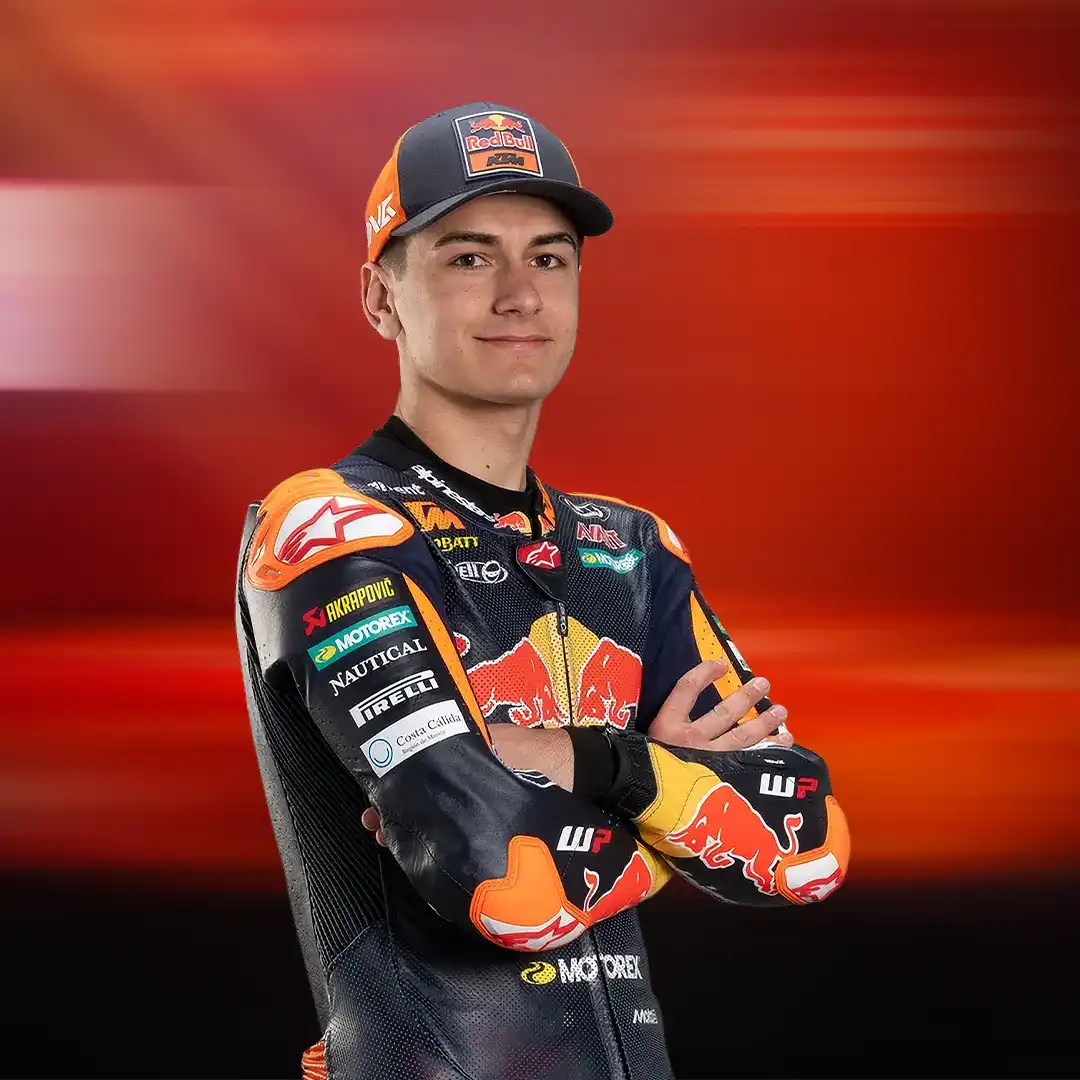 | Alvaro CarpeRed Bull KTM Ajo | 1:41.252s Spanyol | 0 |
2 | 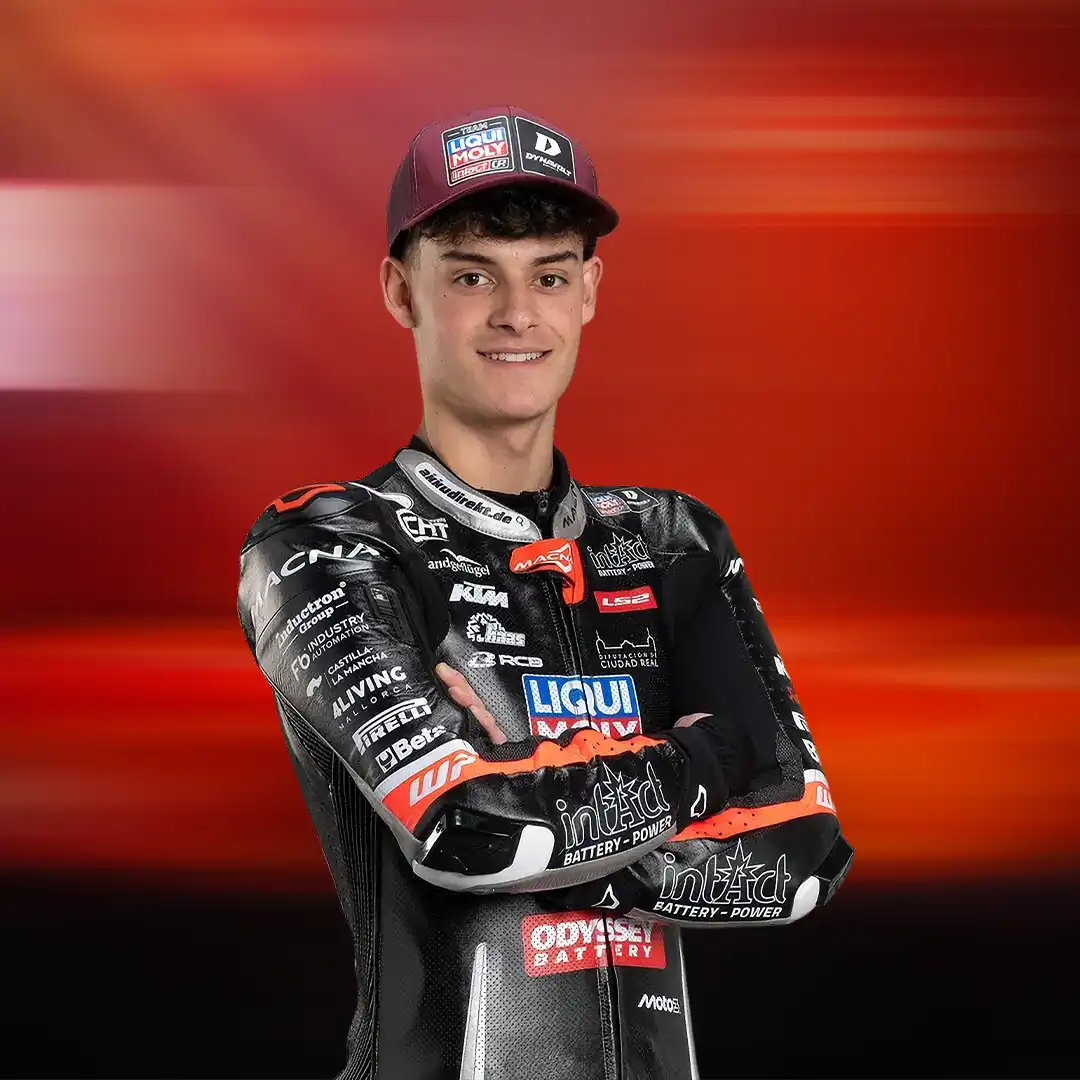 | David AlmansaLiqui Moly Dynavolt Intact GP | 1:41.311s Spanyol | 0 |
3 | 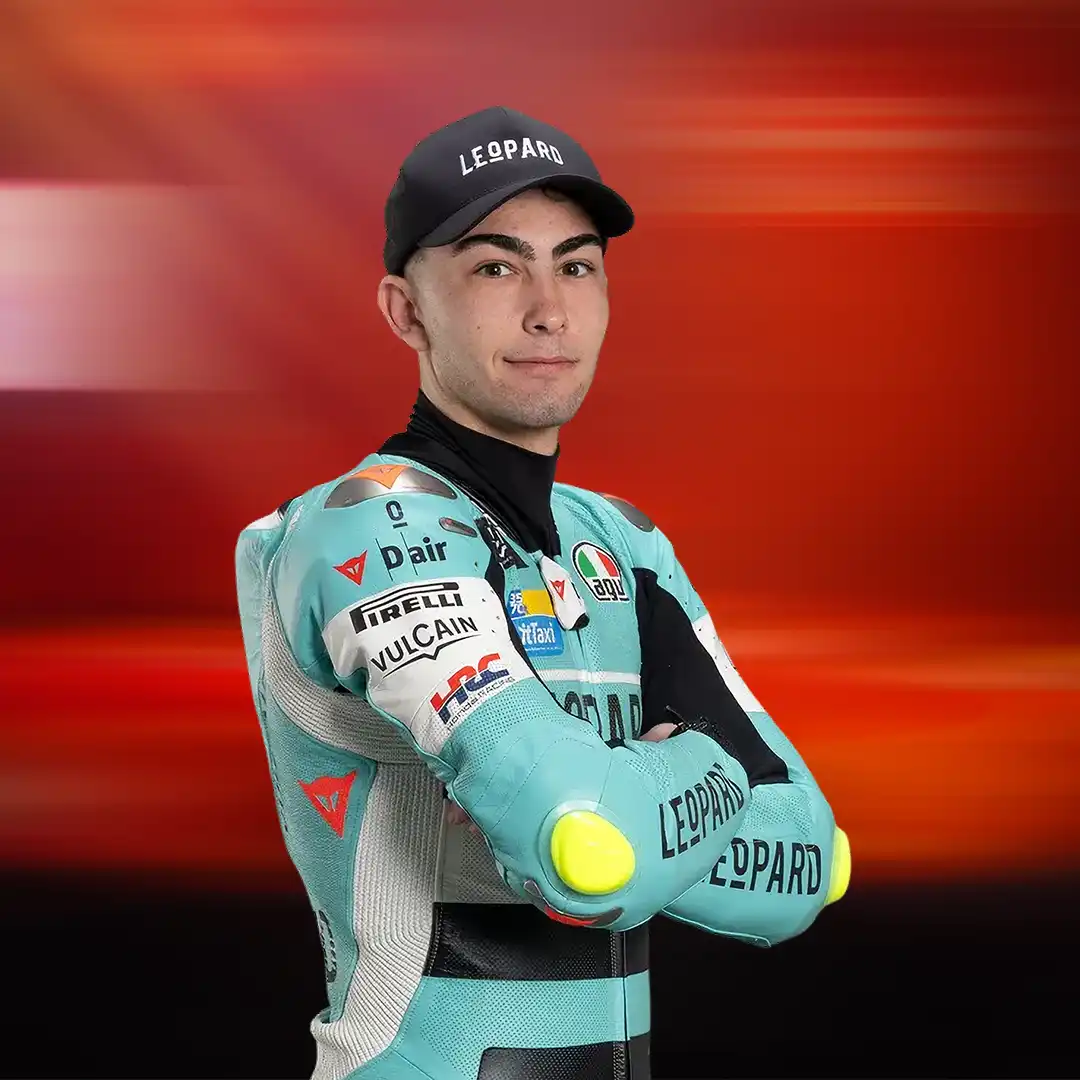 | Adrian FernandezLeopard Racing | 1:41.547s Spanyol | 0 |
4 | 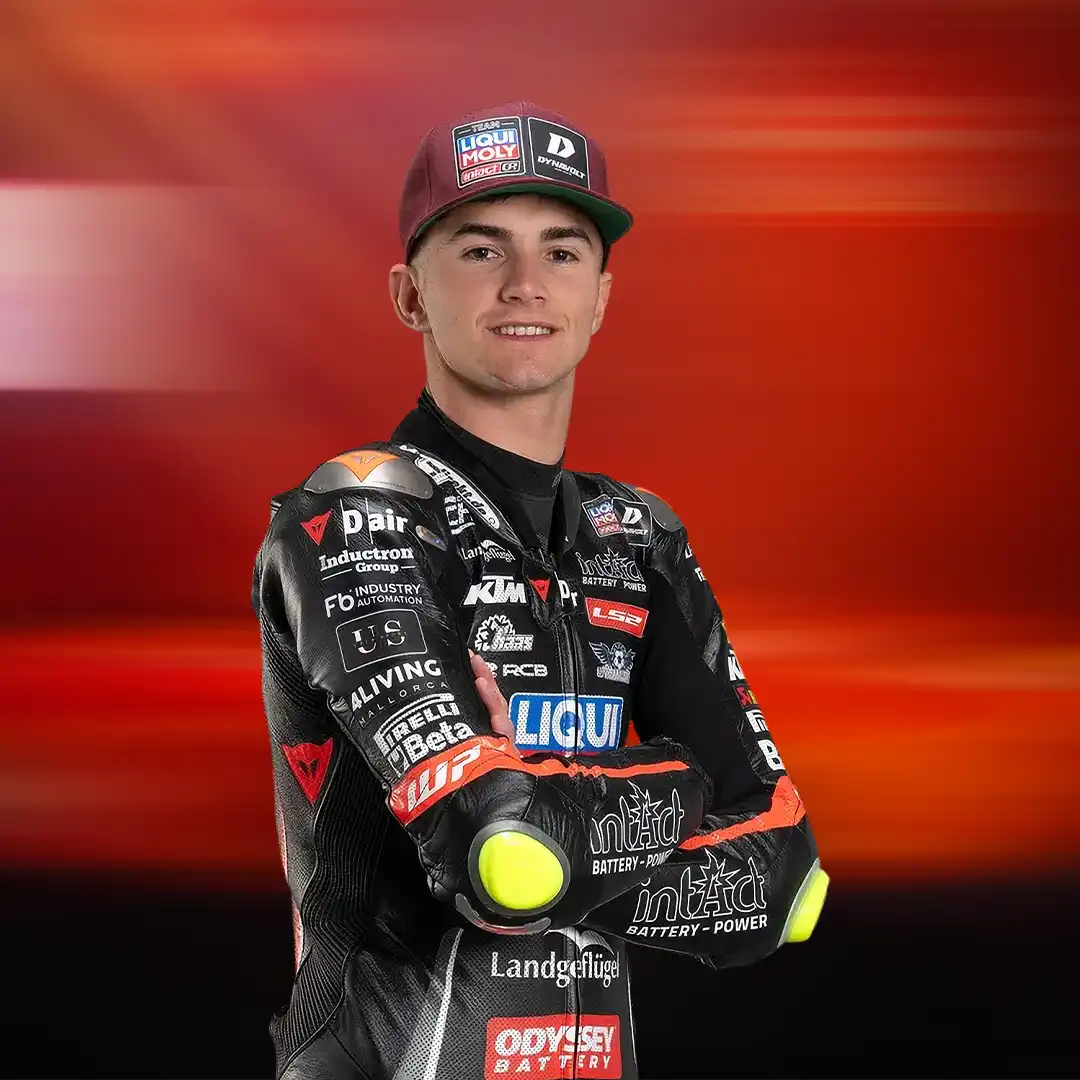 | David MuñozLiqui Moly Dynavolt Intact GP | 1:41.587s Spanyol | 0 |
5 | 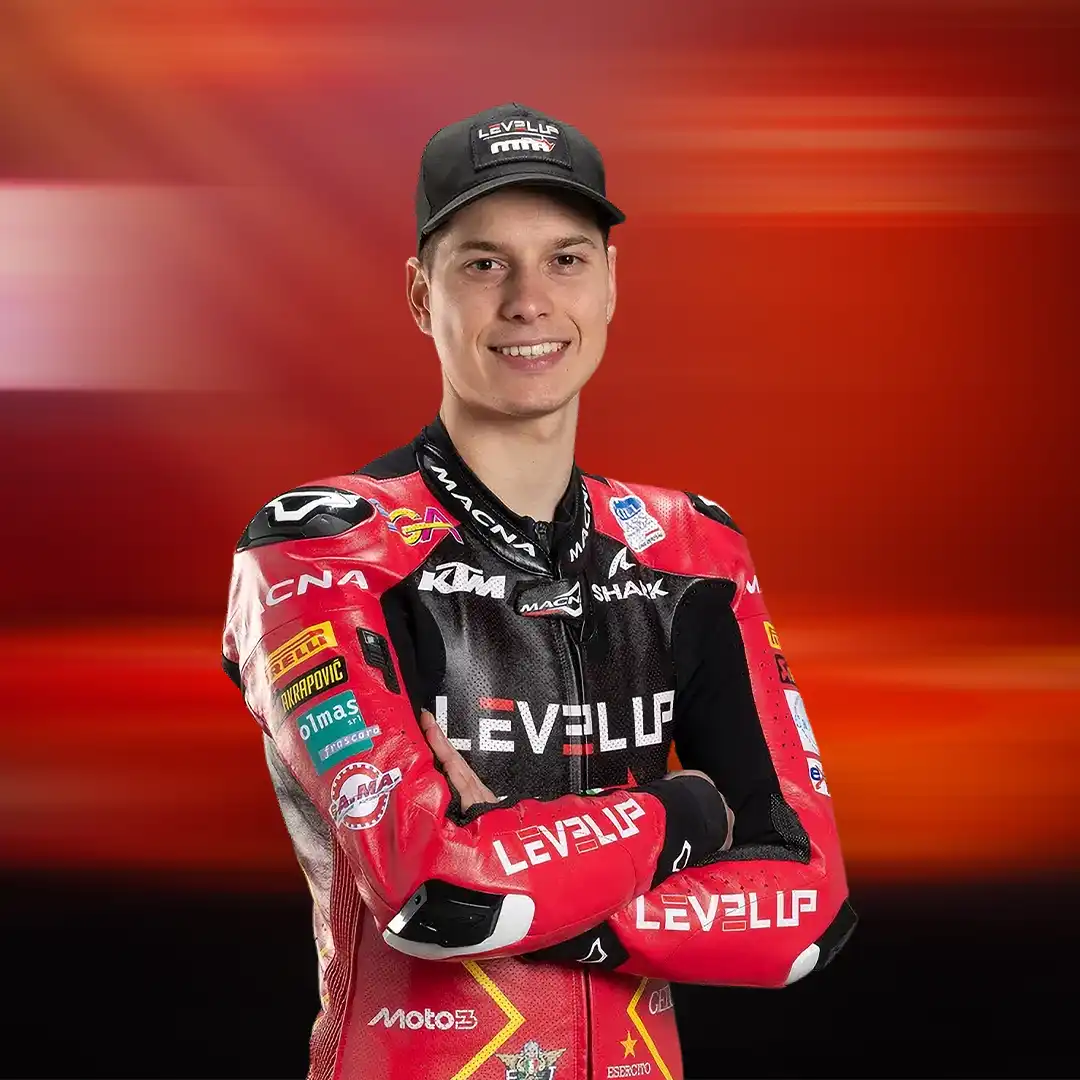 | Matteo BertelleLEVEL UP MTA | 1:41.591s Italia | 0 |
6 | 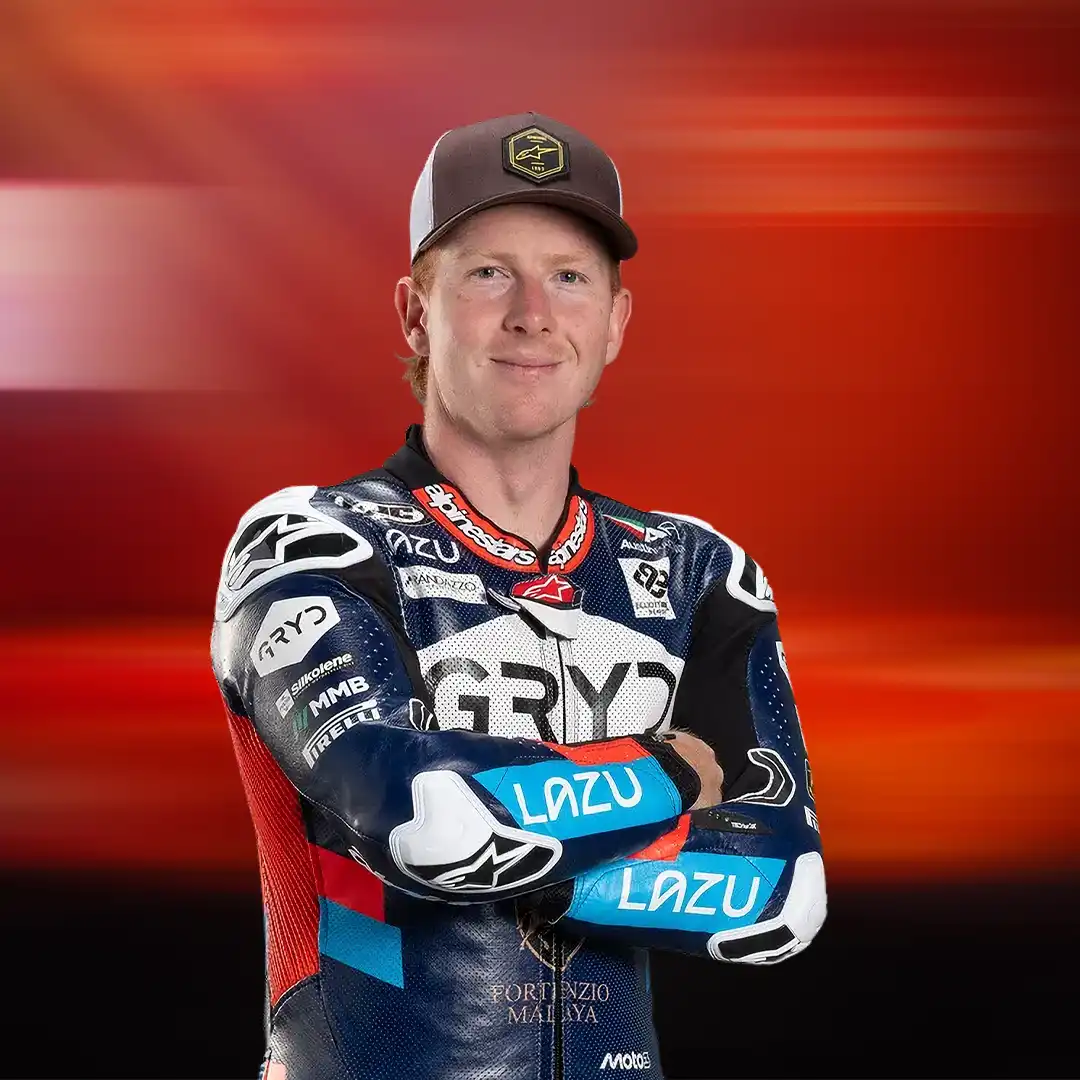 | Joel KelsoGRYD MLav Racing | 1:41.615s Australia | 0 |
7 | 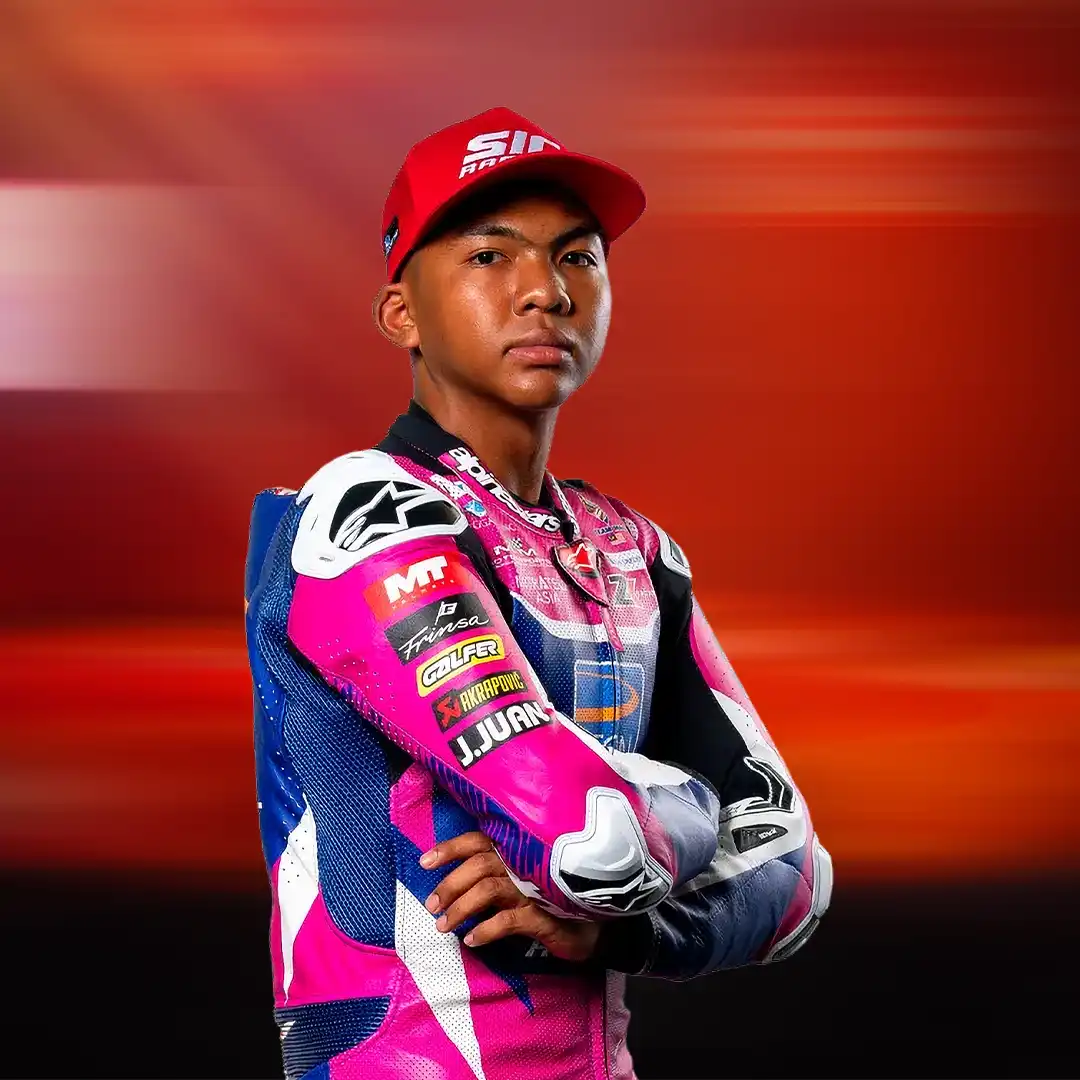 | Hakim DanishAEON Credit MT Helmets MSI | 1:41.723s Malaysia | 0 |
8 | 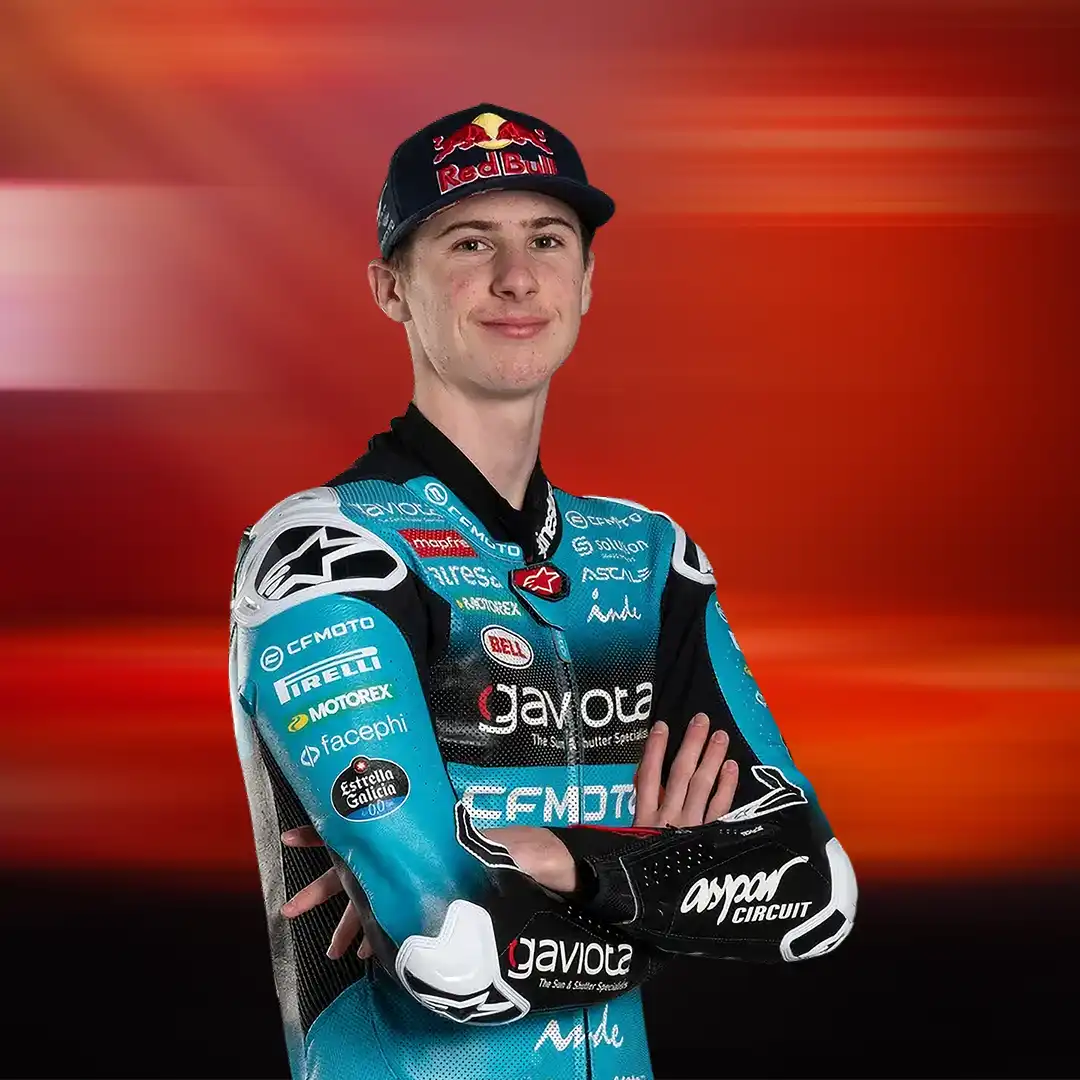 | Maximo QuilesCFMOTO Gaviota Aspar Team | 1:41.752s Spanyol | 0 |
9 | 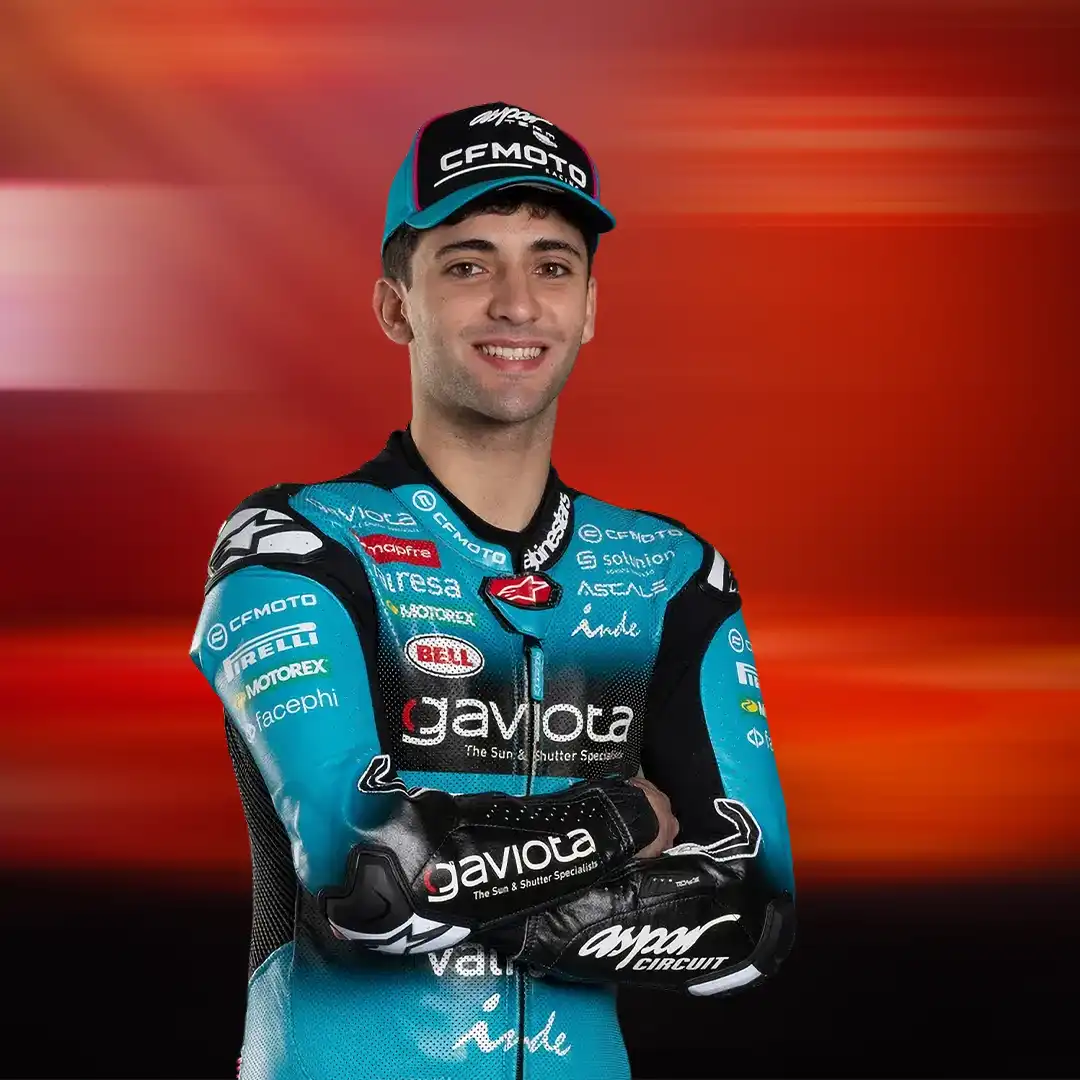 | Marco MorelliCFMOTO Gaviota Aspar Team | 1:41.770s Argentina | 0 |
10 | 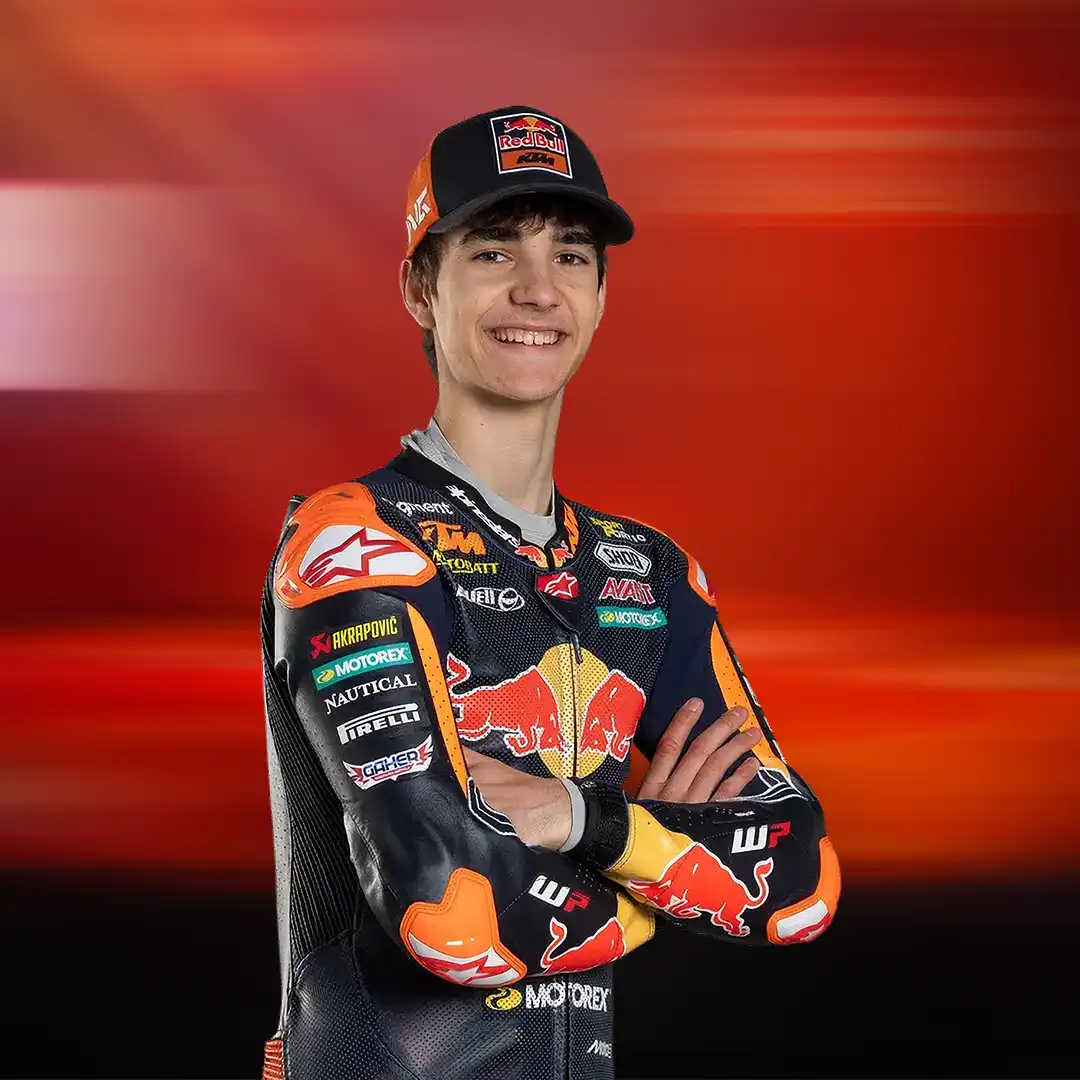 | Brian UriarteRed Bull KTM Ajo | 1:41.791s Spanyol | 0 |
11 | 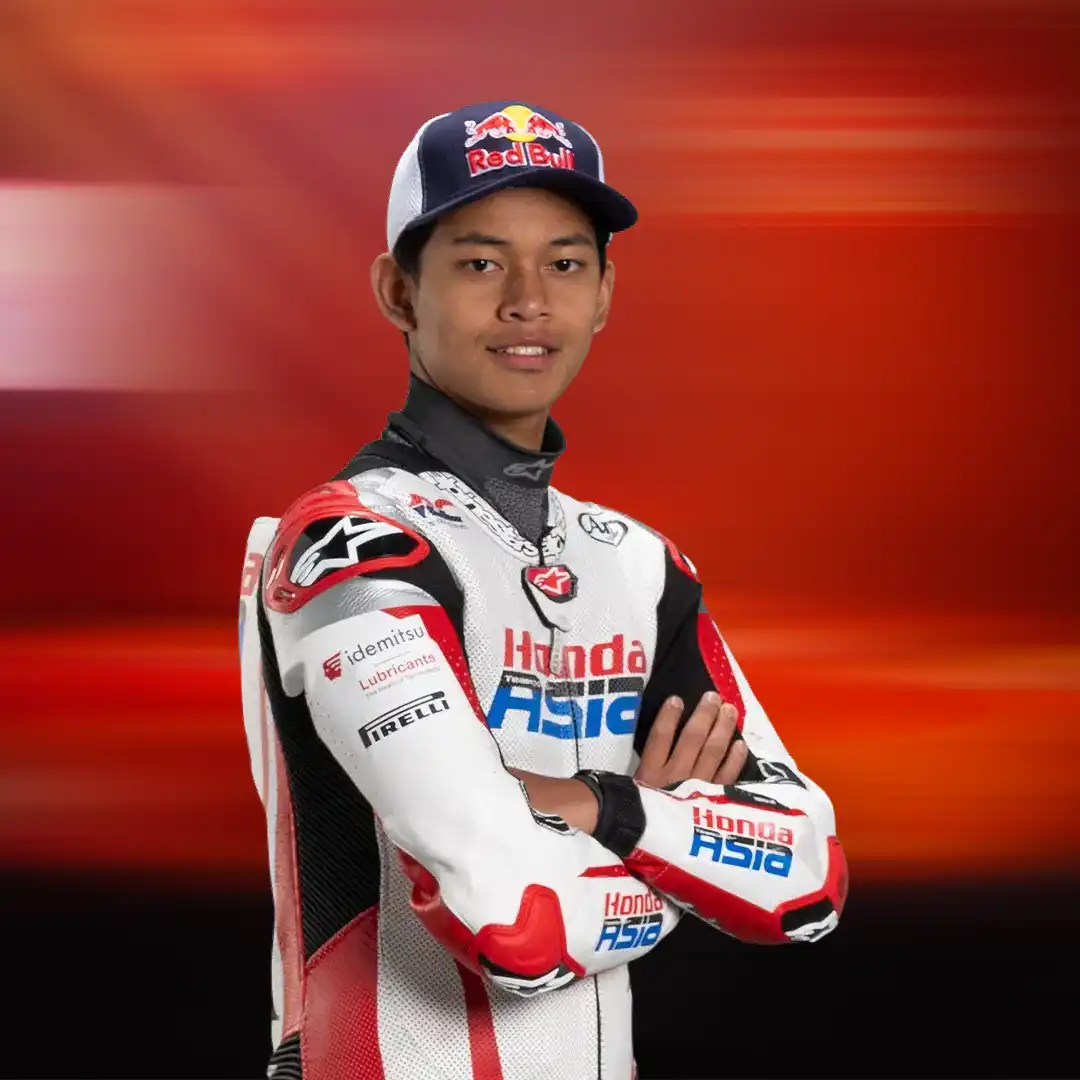 | Veda PratamaHonda Team Asia | 1:41.887s Indonesia | 0 |
12 | 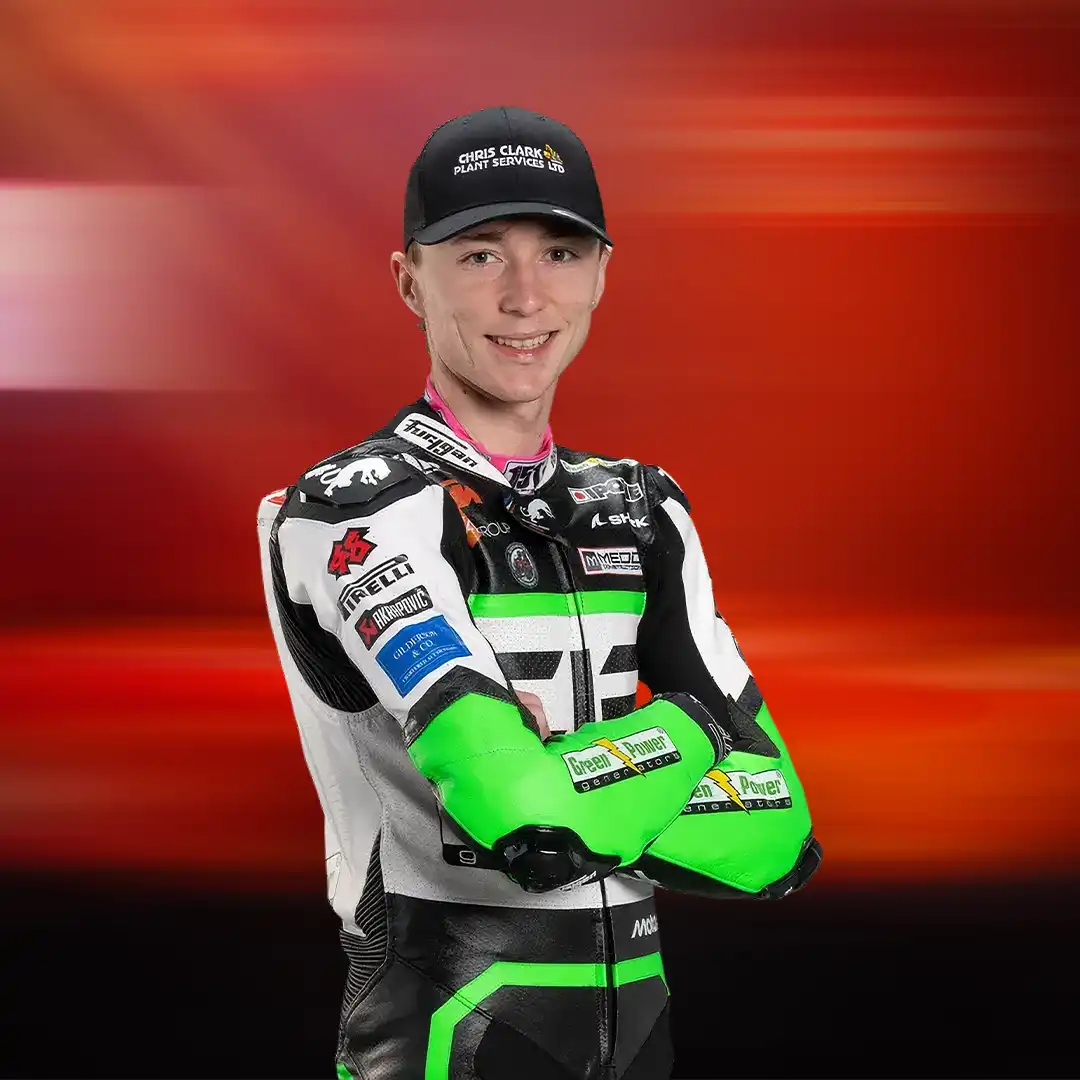 | Scott OgdenCIP Green Power | 1:41.893s Britania Raya | 0 |
13 | 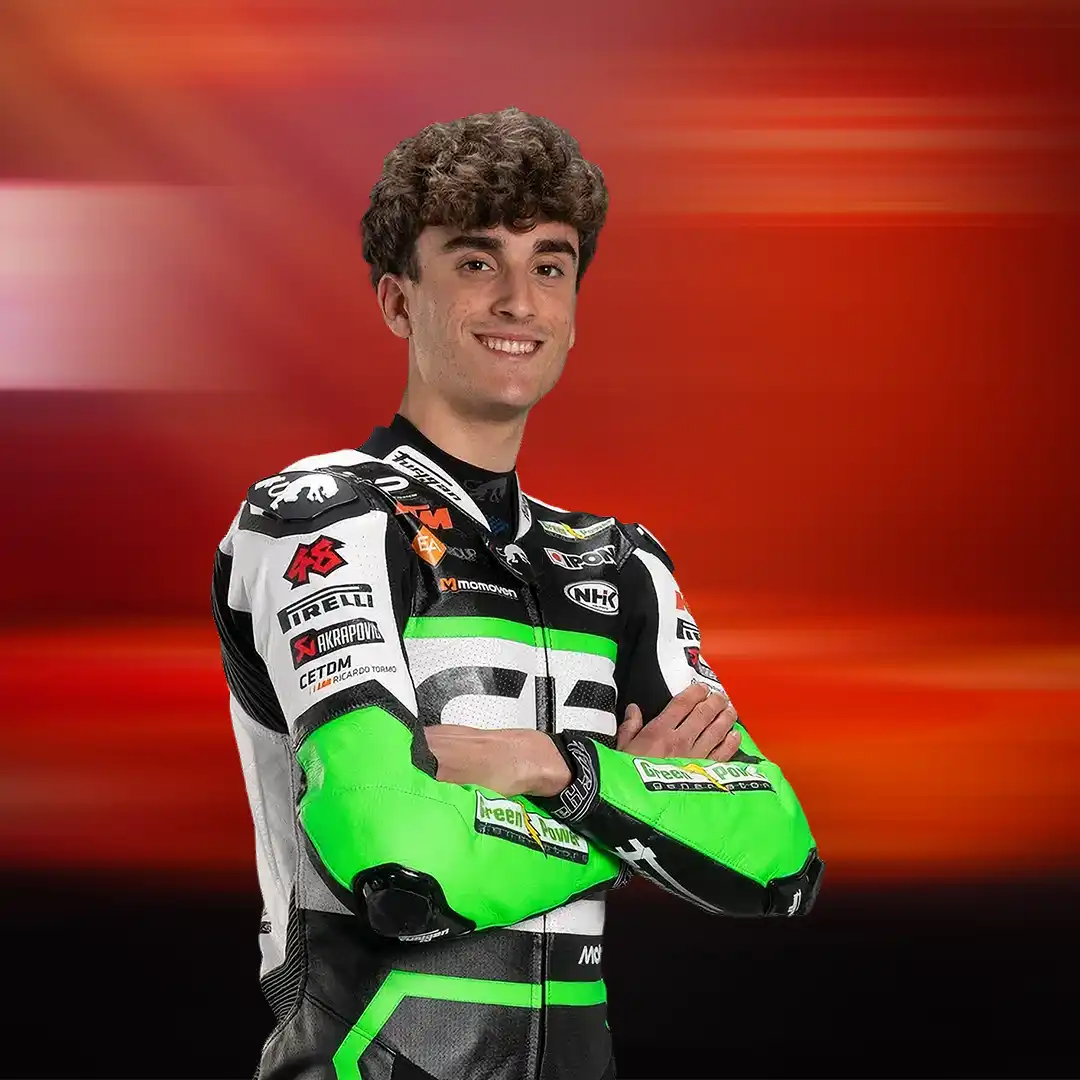 | Adrian CrucesCIP Green Power | 1:41.923s Spanyol | 0 |
14 | 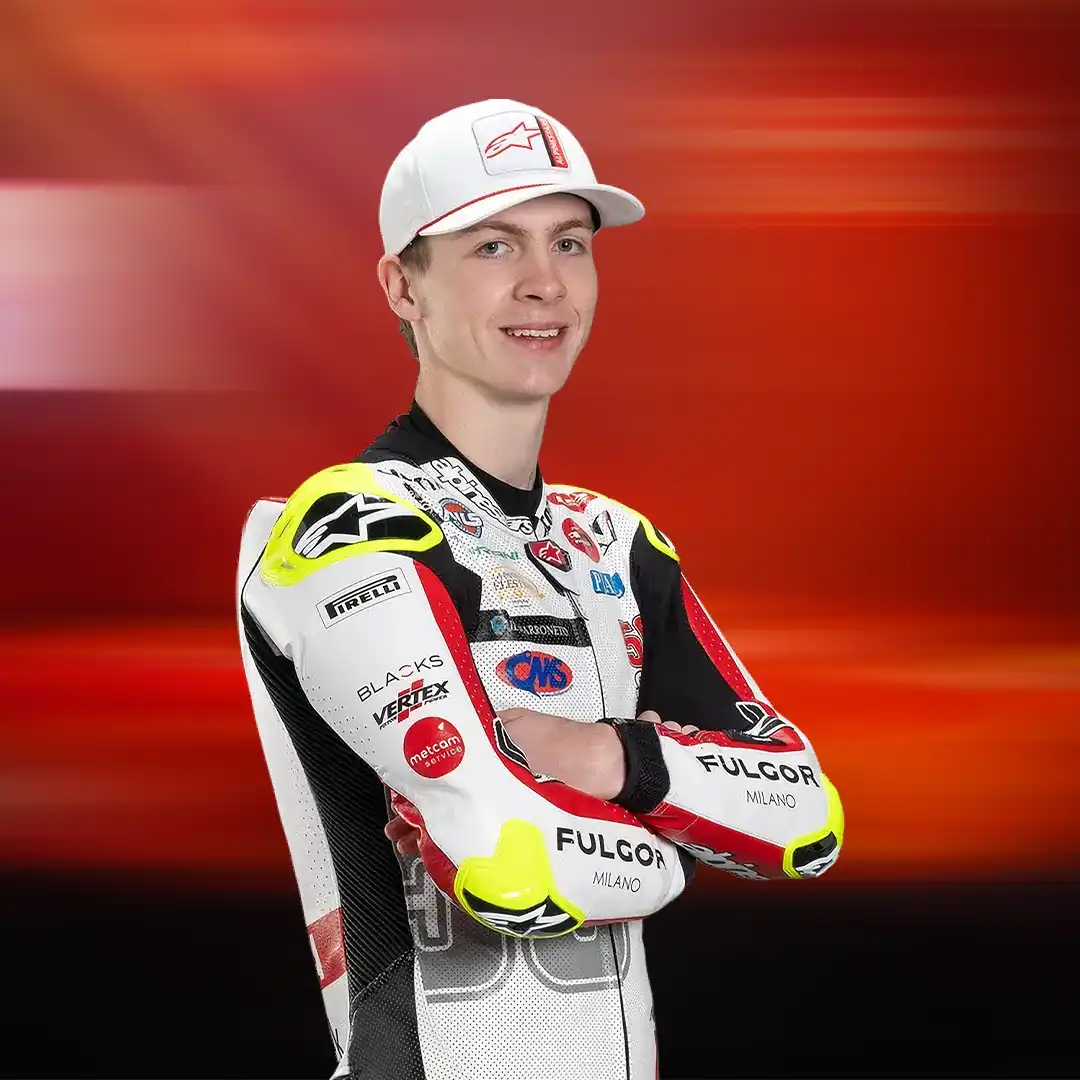 | Casey O'GormanSIC58 Squadra Corse | 1:41.976s Irlandia | 0 |
15 | 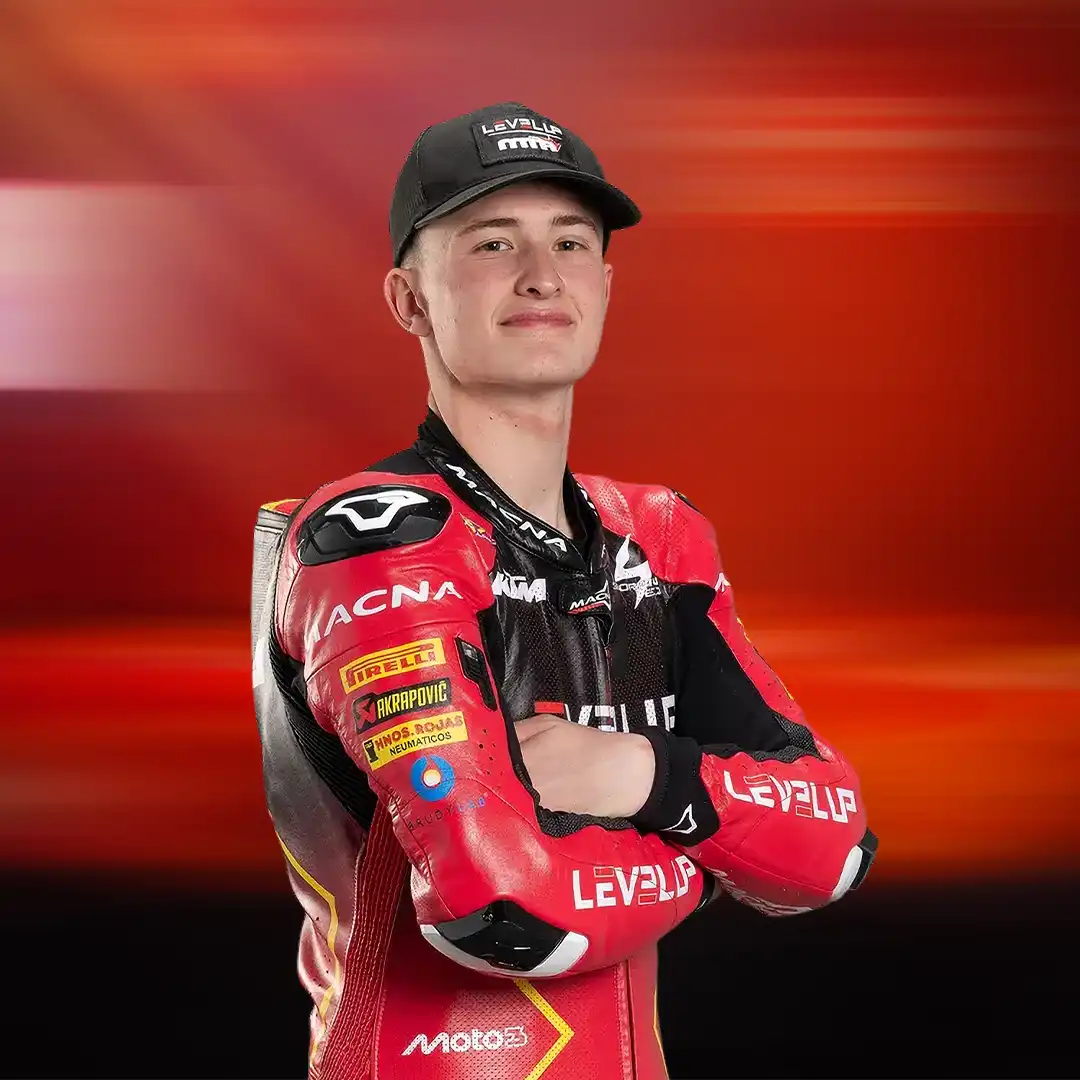 | Joel EstebanLEVEL UP MTA | 1:42.011s Spanyol | 0 |
16 | 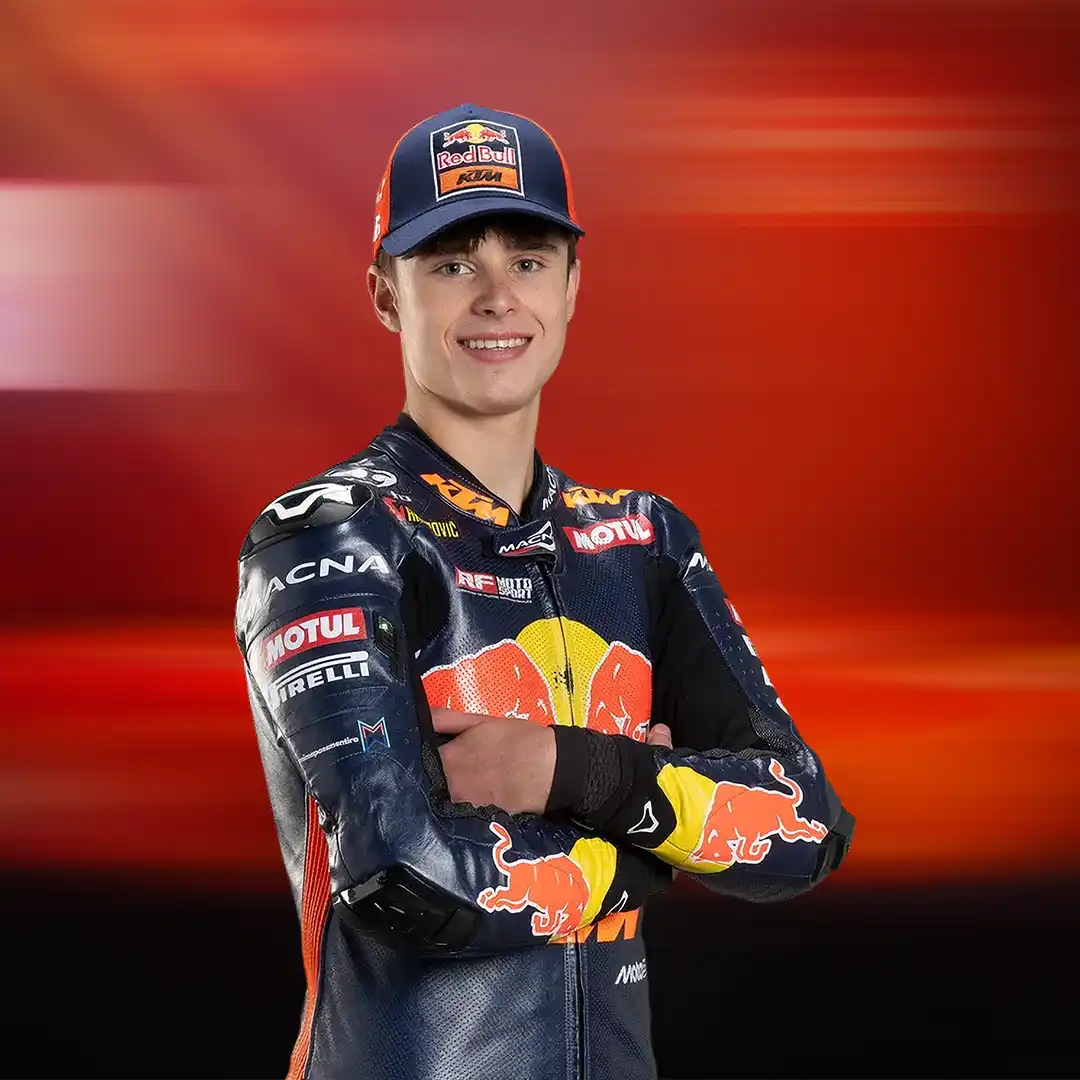 | Valentin PerroneRed Bull KTM Tech3 | 1:42.020s Argentina | 0 |
17 | 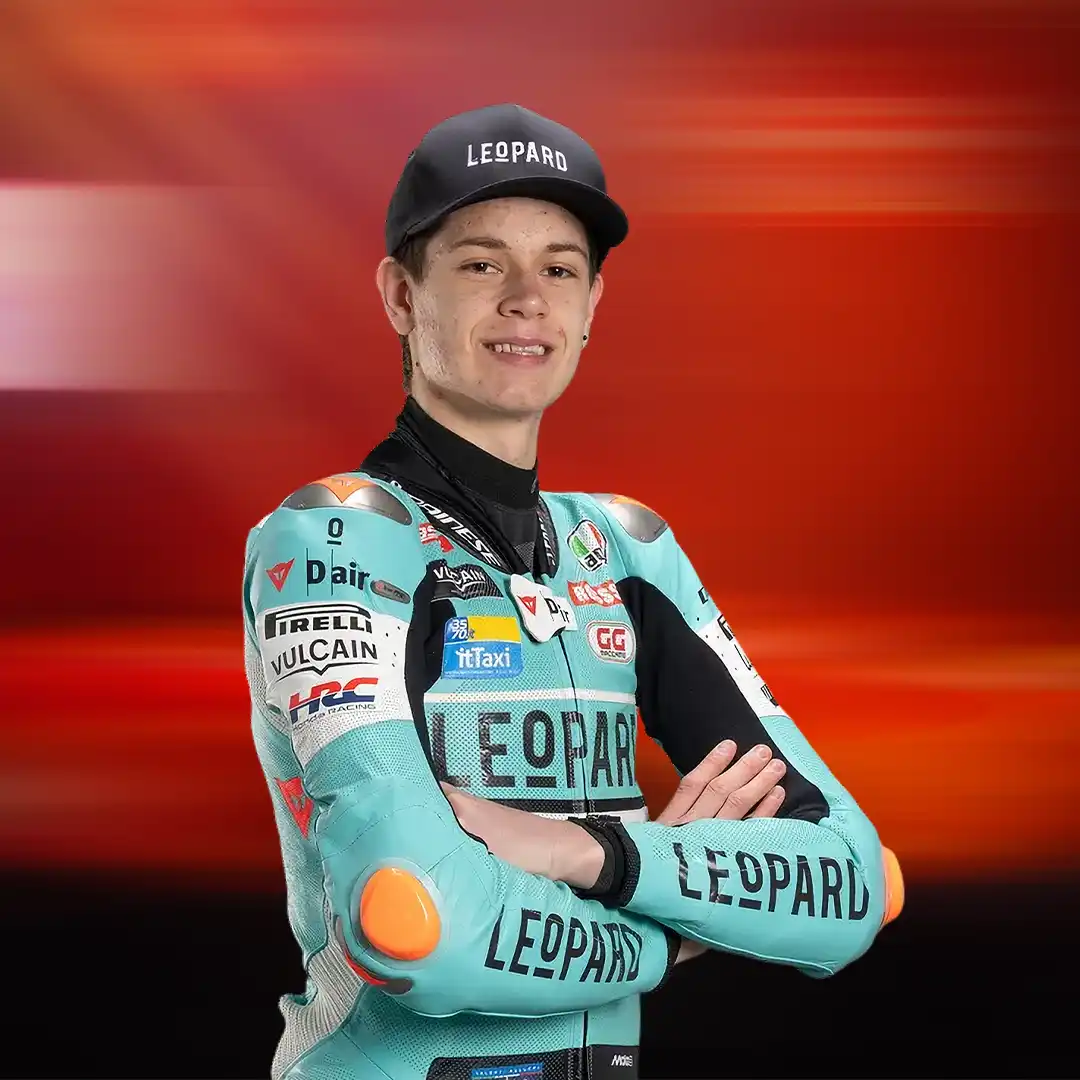 | Guido PiniLeopard Racing | 1:42.049s Italia | 0 |
18 | 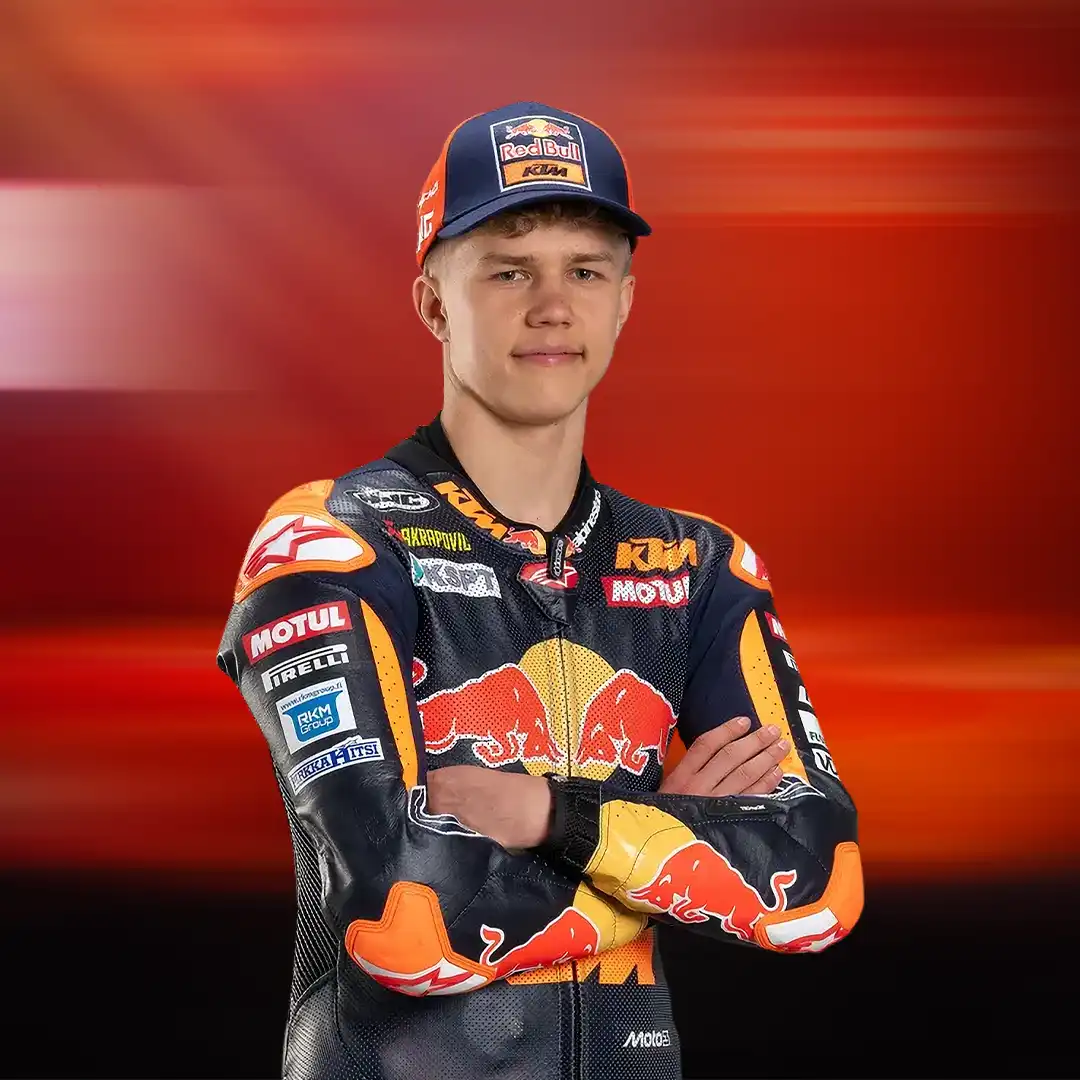 | Rico SalmelaRed Bull KTM Tech3 | 1:42.337s Finlandia | 0 |
19 | 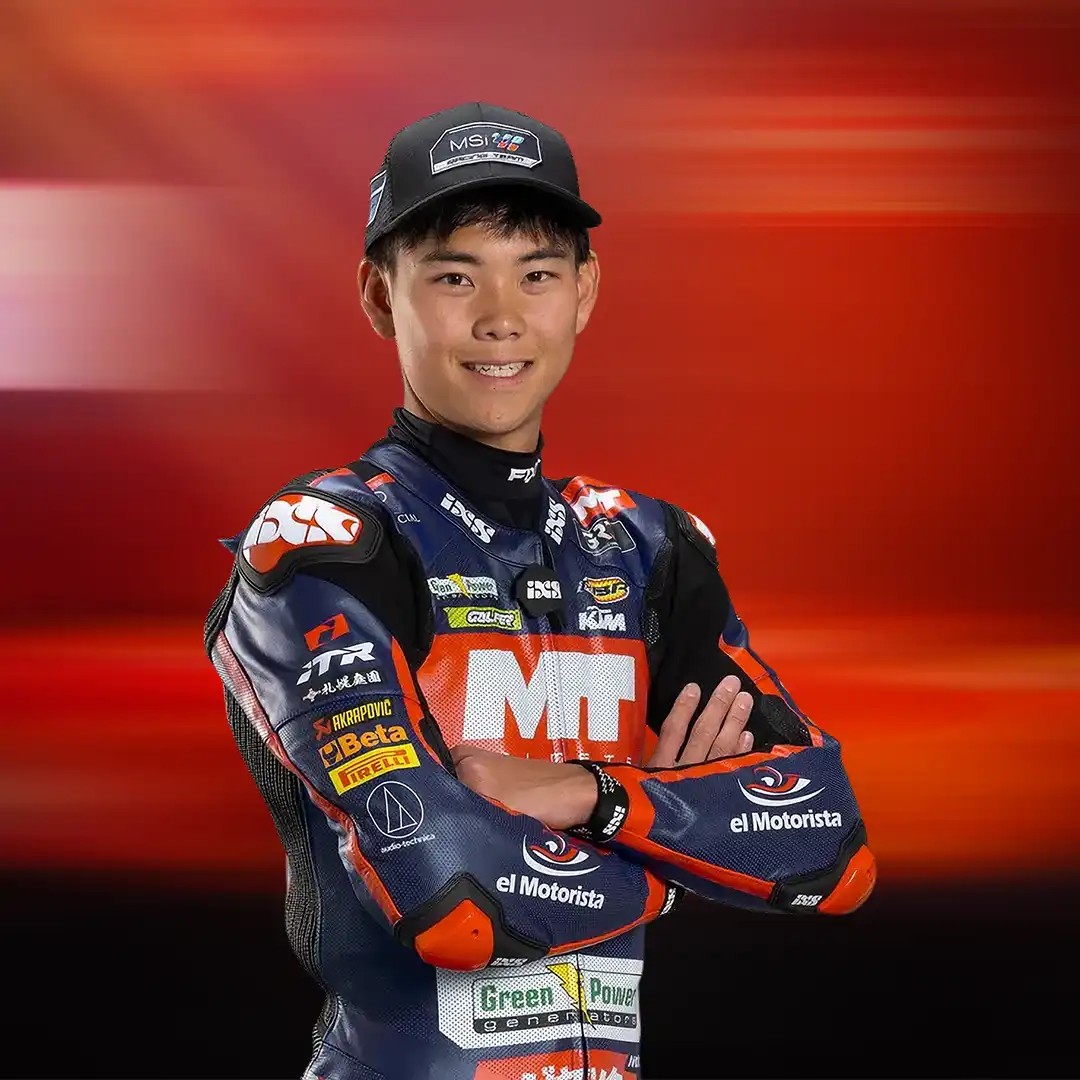 | Ryusei YamanakaAEON Credit MT Helmets MSI | 1:42.528s Jepang | 0 |
20 | 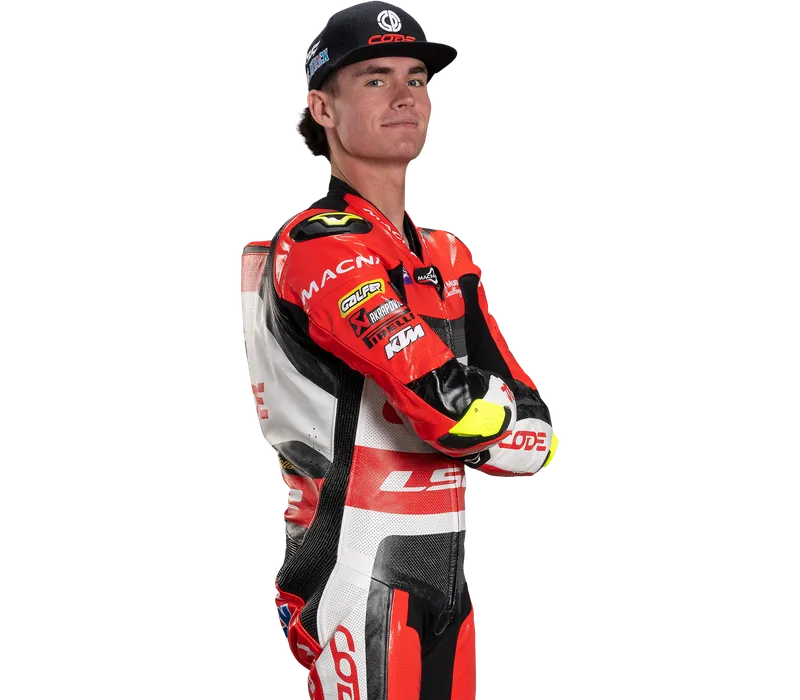 | Cormac BuchananCODE Motorsports | 1:42.529s Selandia Baru | 0 |
21 | 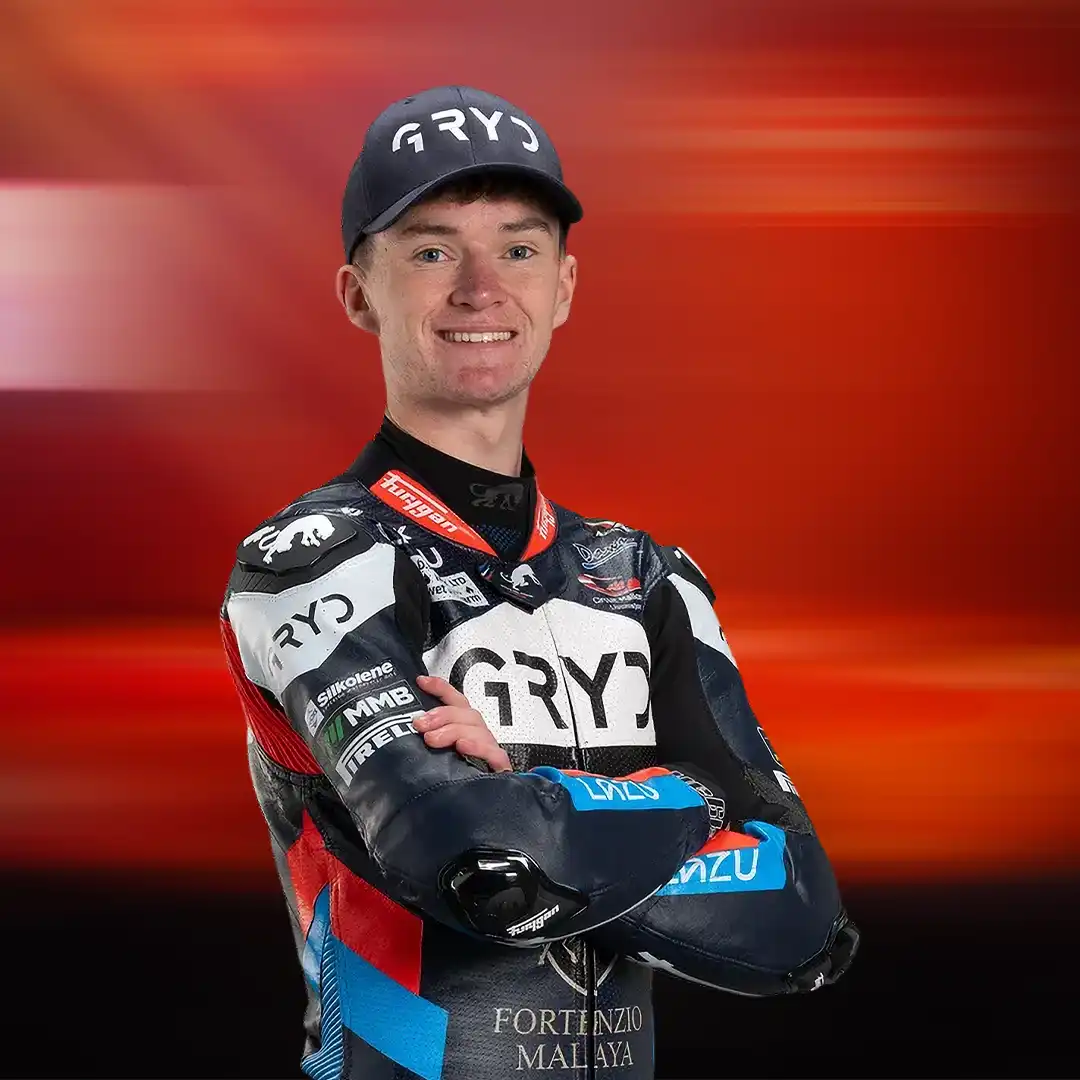 | Eddie O'SheaGRYD MLav Racing | 1:42.592s Britania Raya | 0 |
22 | 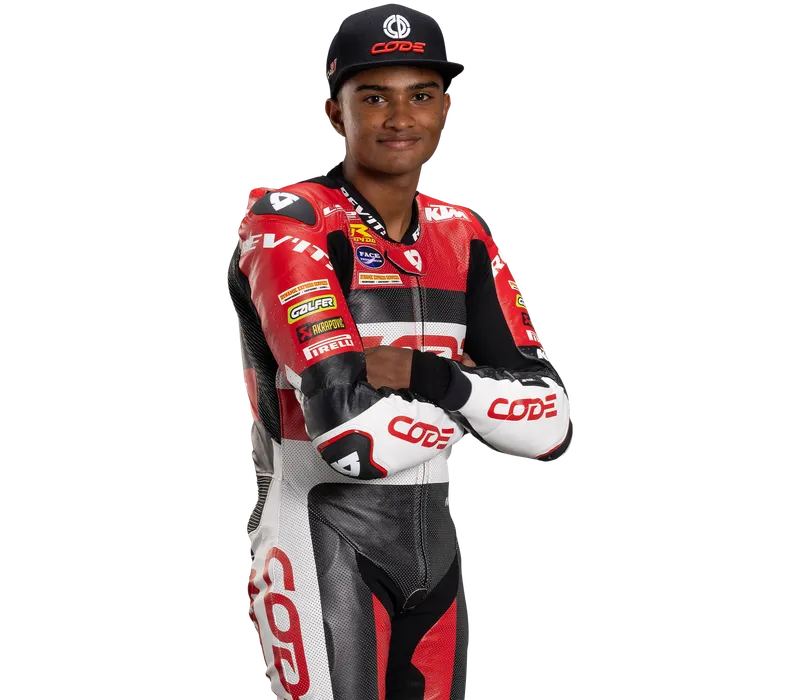 | Ruche MoodleyCODE Motorsports | 1:42.755s Afrika Selatan | 0 |
23 | 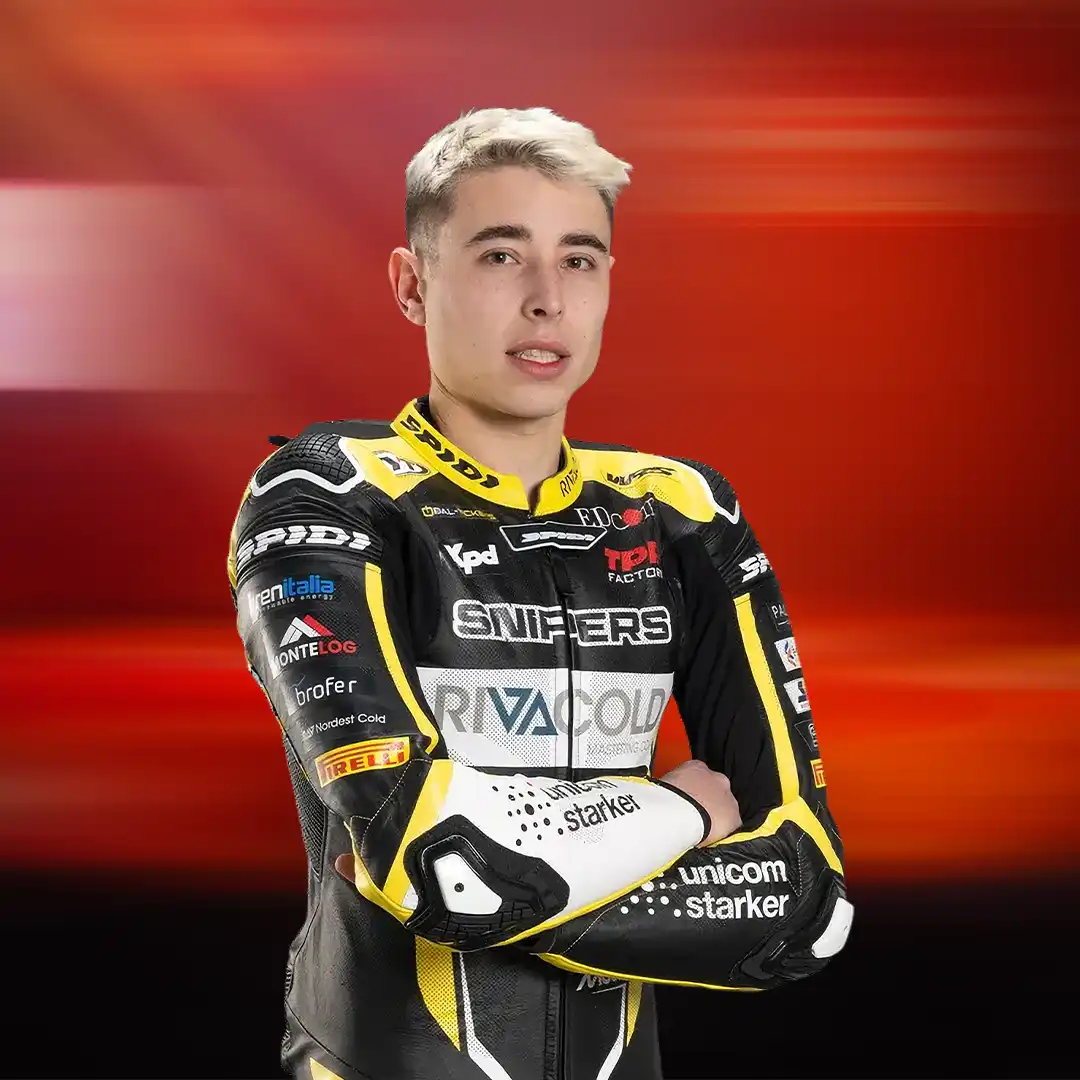 | Nicola CarraroRivacold Snipers Team | 1:42.930s Italia | 0 |
24 | 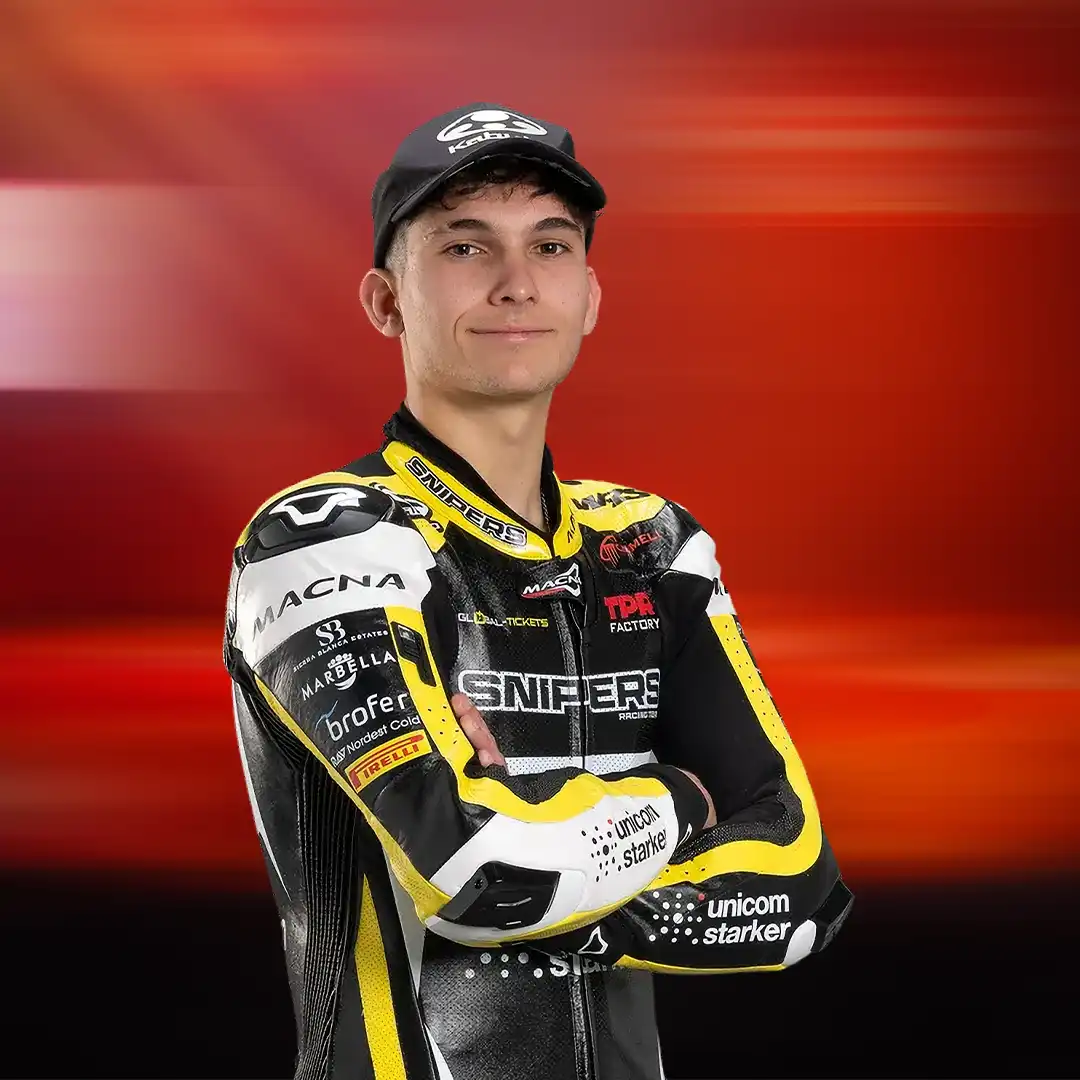 | Jesus RiosRivacold Snipers Team | 1:43.192s Spanyol | 0 |
25 | 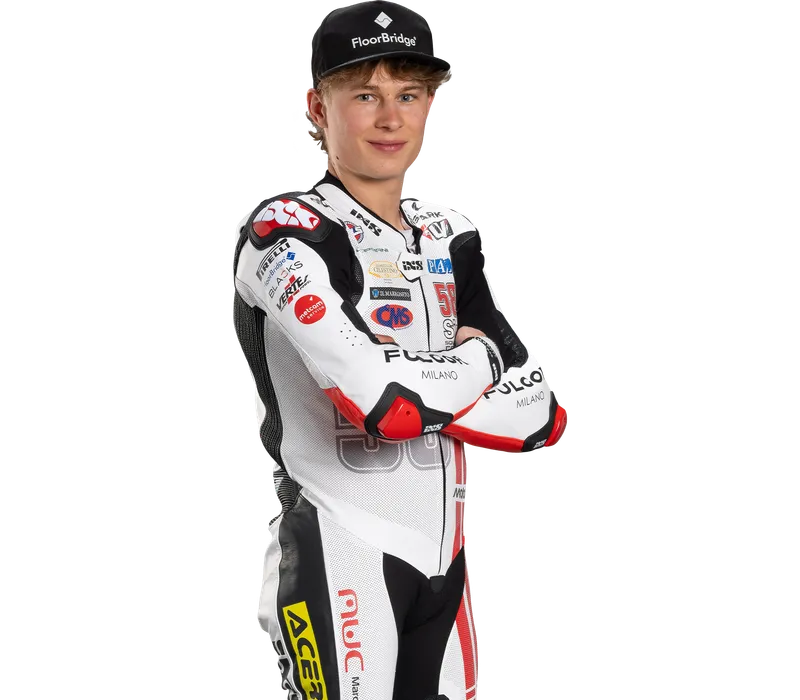 | Leo RammerstorferSIC58 Squadra Corse | 1:43.488s Austria | 0 |
26 | 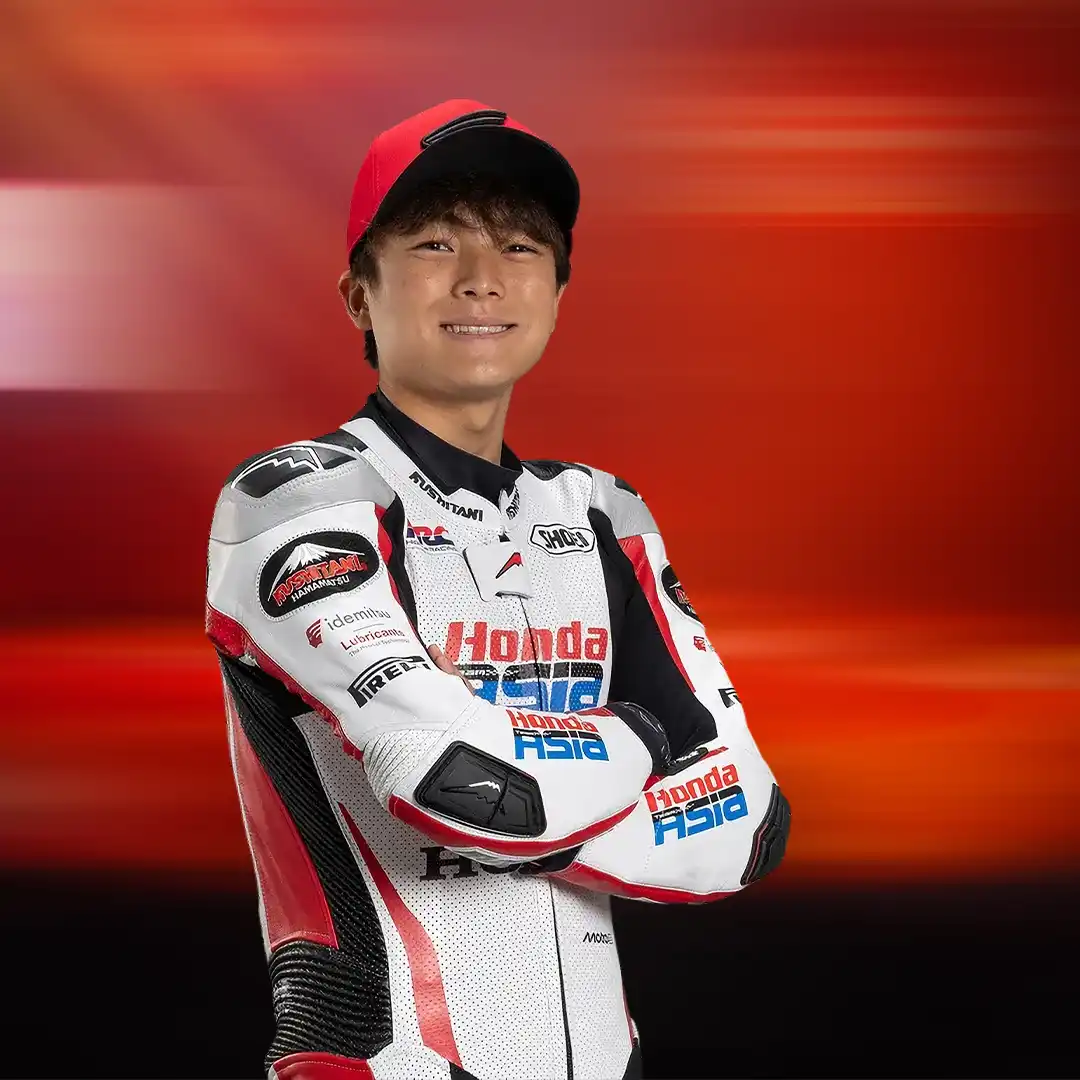 | Zen MitaniHonda Team Asia | 1:43.509s Jepang | 0 |
Read Also
Marco Morelli still leads the 2026 Moto3 standings after Austria with 174 points, 28 ahead of Valentin Perrone. Hakim Danish and Veda Pratama lurk behind.
Maximo Quiles wins Moto3 Austrian GP 2026 at Red Bull Ring, his third consecutive victory, and is one step away from the world title in Japan.
Maximo Quiles wins Moto3 Austria 2026, Veda Pratama finishes 13th and scores 3 points. Full results and championship impact.
 Continue with Google
Discussion (0)
Join the Discussion!
Sign in easily to start commenting, replying, and interacting with other readers.
Latest Comments
No comments yet. Be the first!