







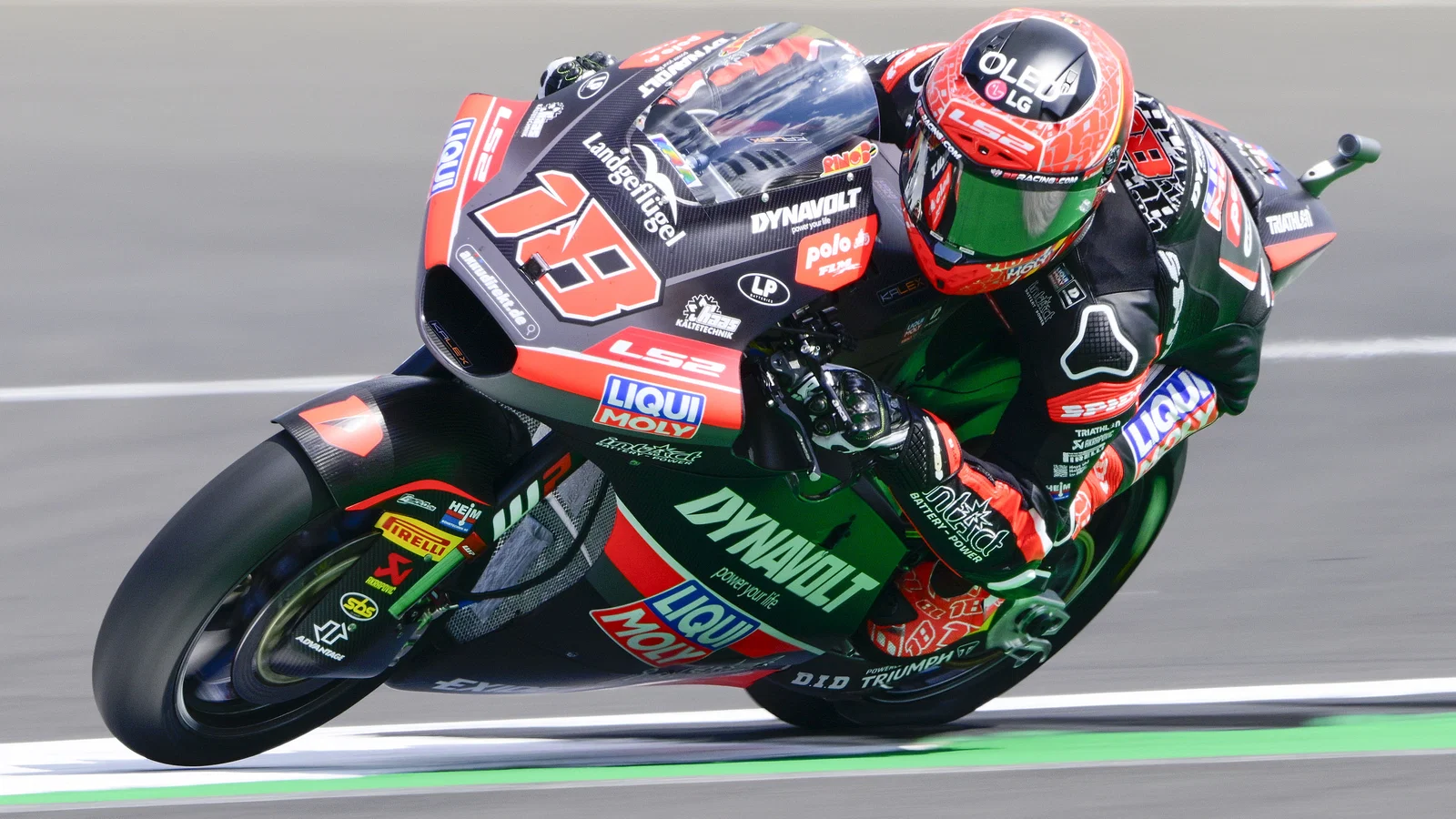

Manuel Gonzalez of the Liqui Moly Dynavolt Intact GP team secured the top spot in the first free practice session (FP1) of the 2026 Moto2 French Grand Prix at the Bugatti Circuit, Le Mans. The Spanish rider demonstrated early dominance with a highly competitive lap time, edging out Izan Guevara and Celestino Vietti, who occupied second and third positions respectively by mere milliseconds. This result suggests a high level of synergy between Gonzalez's riding style and the current chassis configuration for this specific circuit.
Gonzalez's superiority in the opening session can be attributed to his mastery of the "stop-and-go" nature of Le Mans. The circuit is characterized by heavy braking zones followed by tight, slow corners, which demand exceptional stability during the transition from high speed to low speed. Technicially, Gonzalez has found the optimal balance in weight distribution, allowing him to maintain a stable rear end under heavy braking while maximizing drive on the exit, a critical factor in minimizing lap times at the Bugatti layout.
The competition among the top five was remarkably tight, with only a few milliseconds separating the lead group. This indicate that most of the teams have arrived with a highly competitive baseline setup. For riders like Guevara and Vietti, the current focus is on refining suspension damping to eliminate any remaining understeer in the tightest corners. In a series where the margins are so slim, the ability to find a few extra tenths of a second through minute adjustments in the front forks will be the deciding factor for pole position.
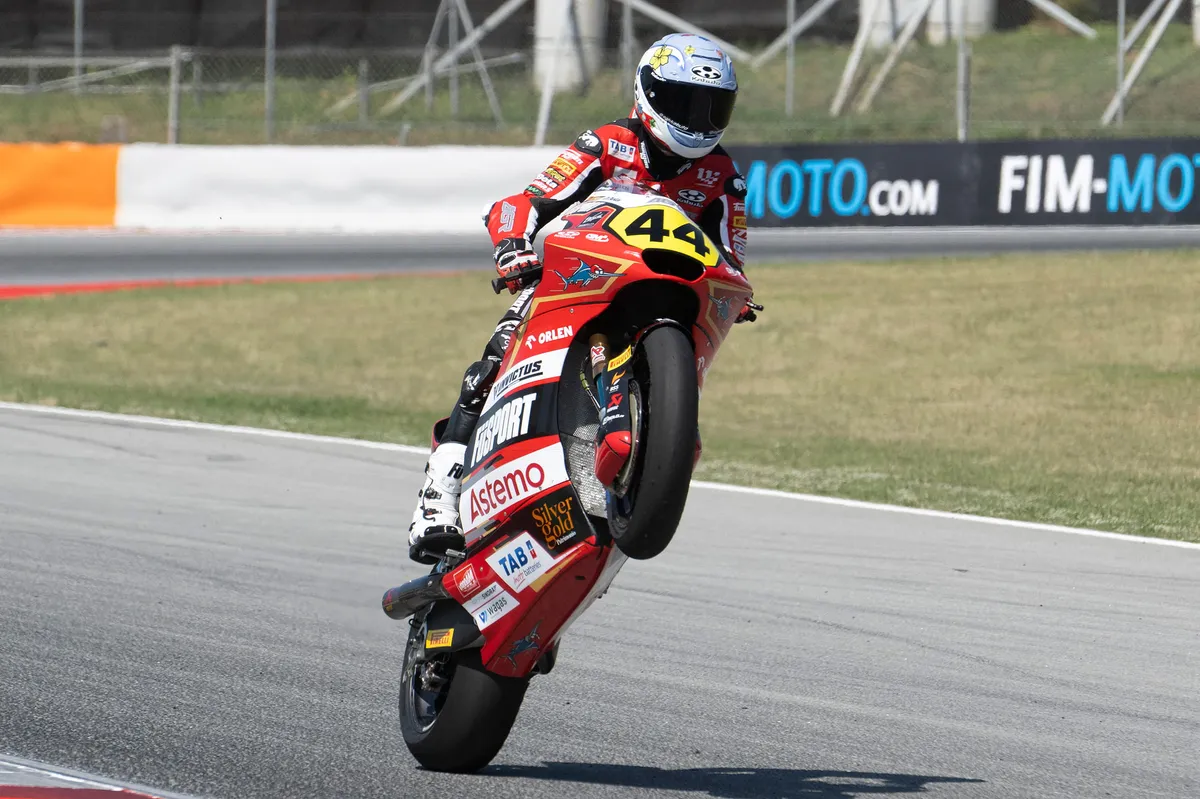
In stark contrast, Indonesian rider Mario Suryo Aji faced a challenging start to the weekend, finishing in 31st position. Representing Idemitsu Honda Team Asia, Aji struggled significantly to match the pace of the front-runners. The substantial time gap suggests a struggle with the bike's adaptability to the Le Mans surface, specifically regarding low-speed stability and traction efficiency upon acceleration from the apex.
From an analytical perspective, Aji's position at the bottom of the timing sheet points toward an urgent need for a total revision of the vehicle's baseline setup. At a circuit as demanding as Le Mans, any discrepancy in tire pressure or engine mapping can lead to a drastic loss of performance. For Aji, the lack of front-end grip appears to be a primary hurdle, preventing him from achieving the necessary corner speed to keep up with the mid-field group. Finding a a more aggressive steering geometry could be the key to improving his turn-in precision.
The session also highlighted a continuing trend of Spanish dominance in the Moto2 class, where riders from Spanish-based teams showed superior management of tire temperatures on the fluctuating French asphalt. The ability to keep the tires within the optimal operating window during the transition from the main straight to the technical sectors is what separates the top five from the rest of the field. For Honda Team Asia, optimizing the thermal degradation of the tires will be essential if they want to move Aji up the grid.
Looking ahead to the remaining sessions, the priority for Mario Suryo Aji and his technical crew will be the thorough analysis of telemetry data from FP1 to identify the specific sectors where the most time is being lost. With the limited time available before qualifying, the team must focus on improving the chassis balance and enhancing the drive off the corners. If Aji can stabilize the bike's behavior under braking and increase his exit speed, he can narrow the gap to the lead group and avoid a precarious starting position for the main race.
| POS | FOTO | RIDER / TEAM | TIME / GAP | PTS |
|---|---|---|---|---|
1 | 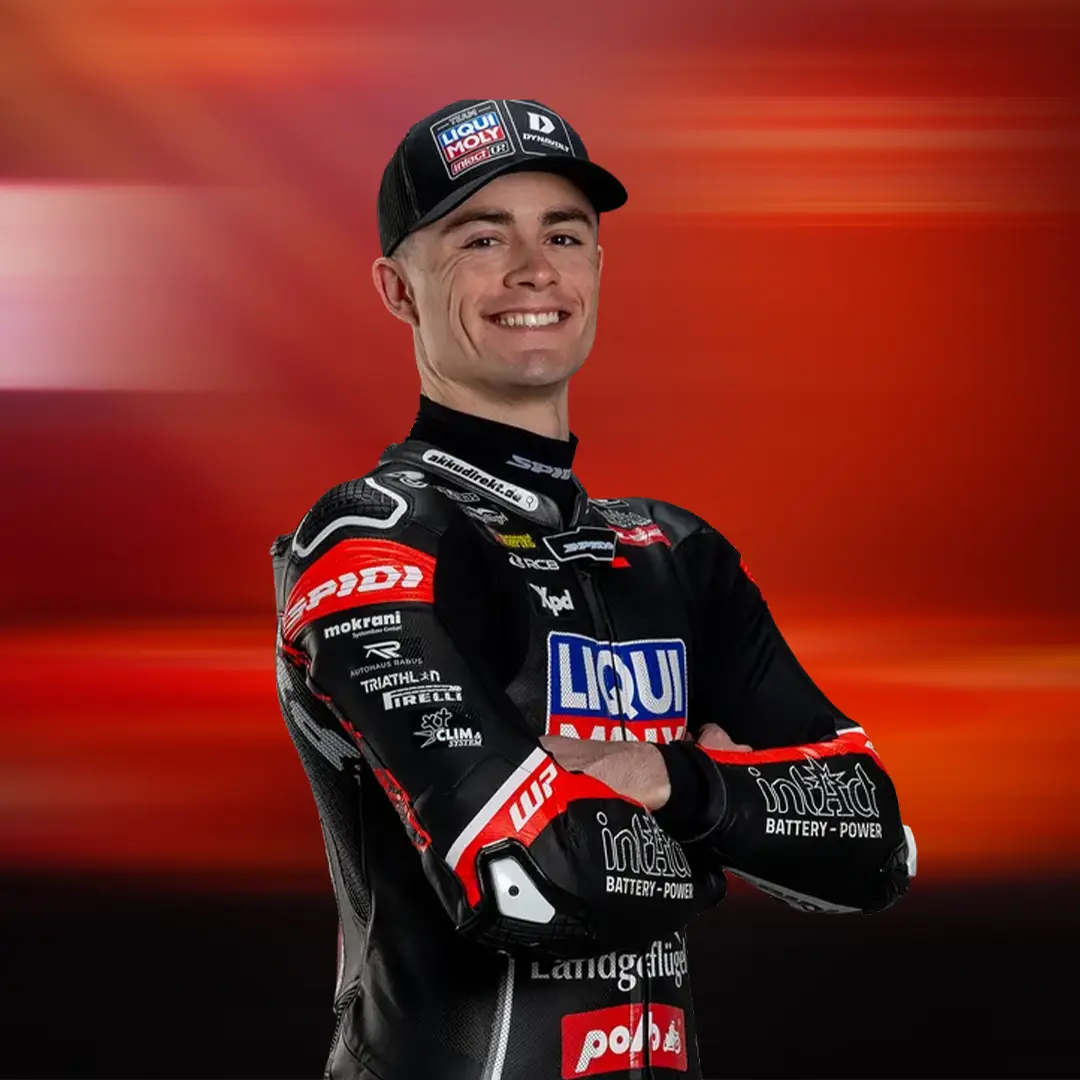 | Manuel GonzalezLIQUI MOLY Dynavolt Intact GP | 1:34.74s Spanyol | 0 |
2 | 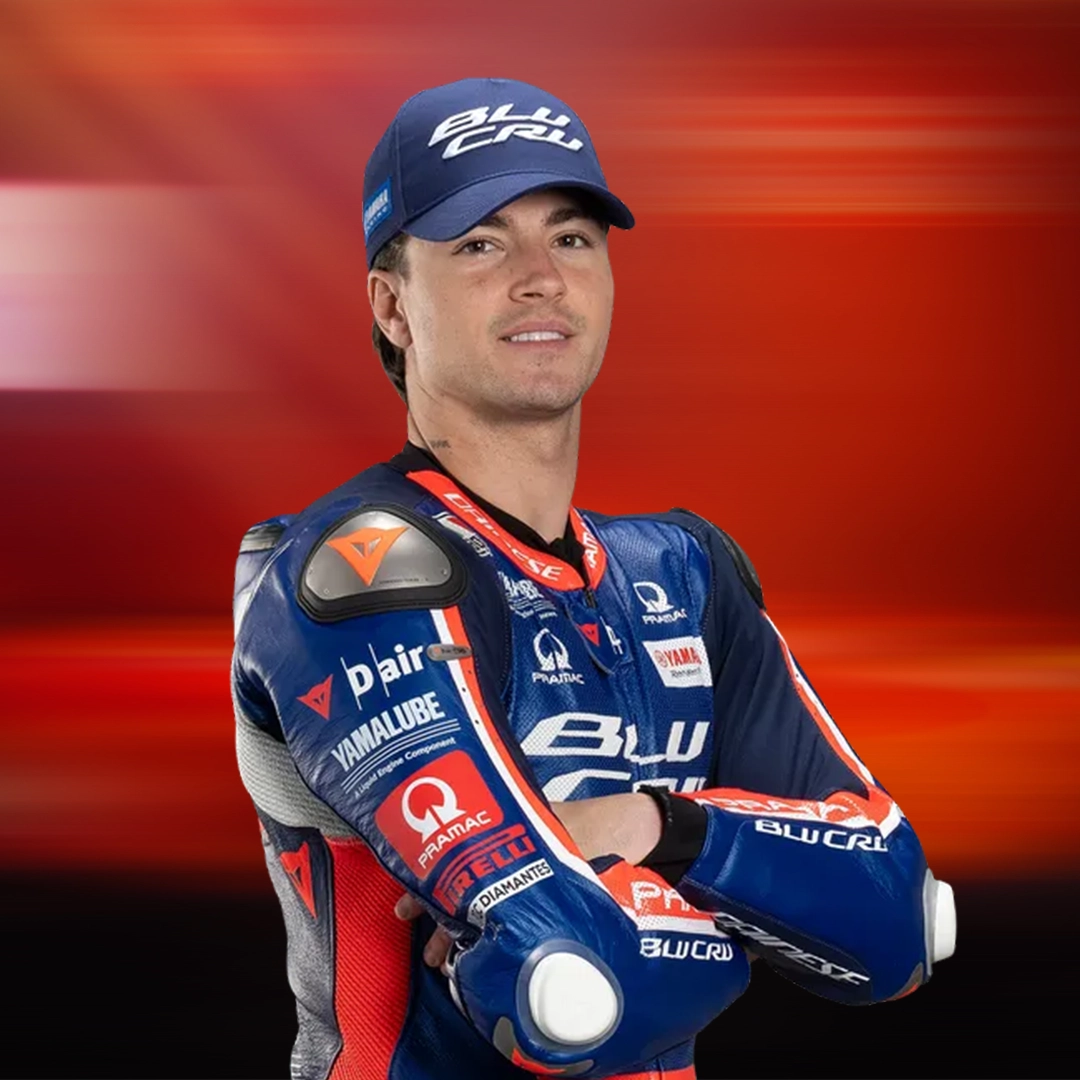 | Izan GuevaraBLU CRU Pramac Yamaha Moto2 | 1:34.82s Spanyol | 0 |
3 | 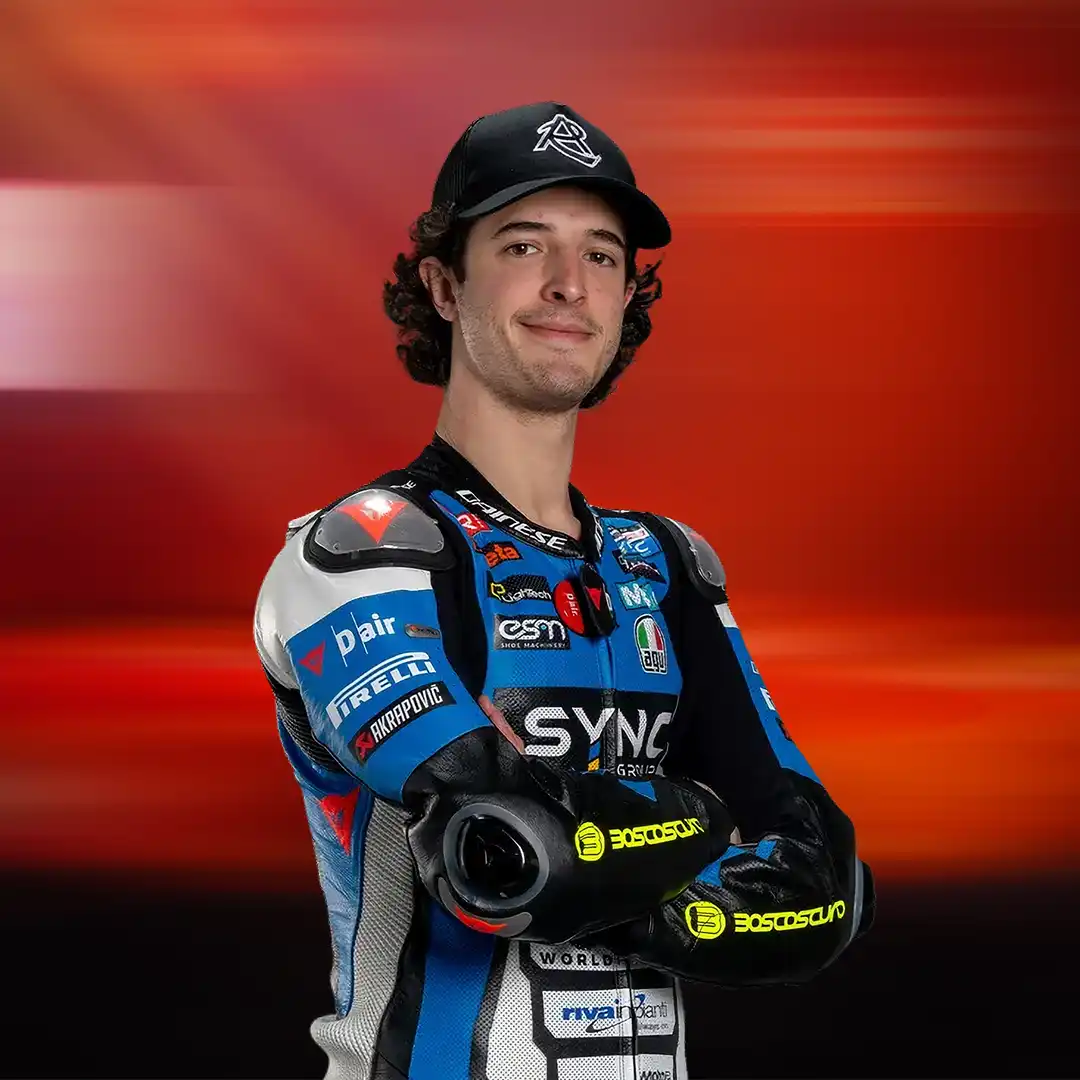 | Celestino ViettiFolladore SpeedRS Team | 1:34.84s Italia | 0 |
4 | 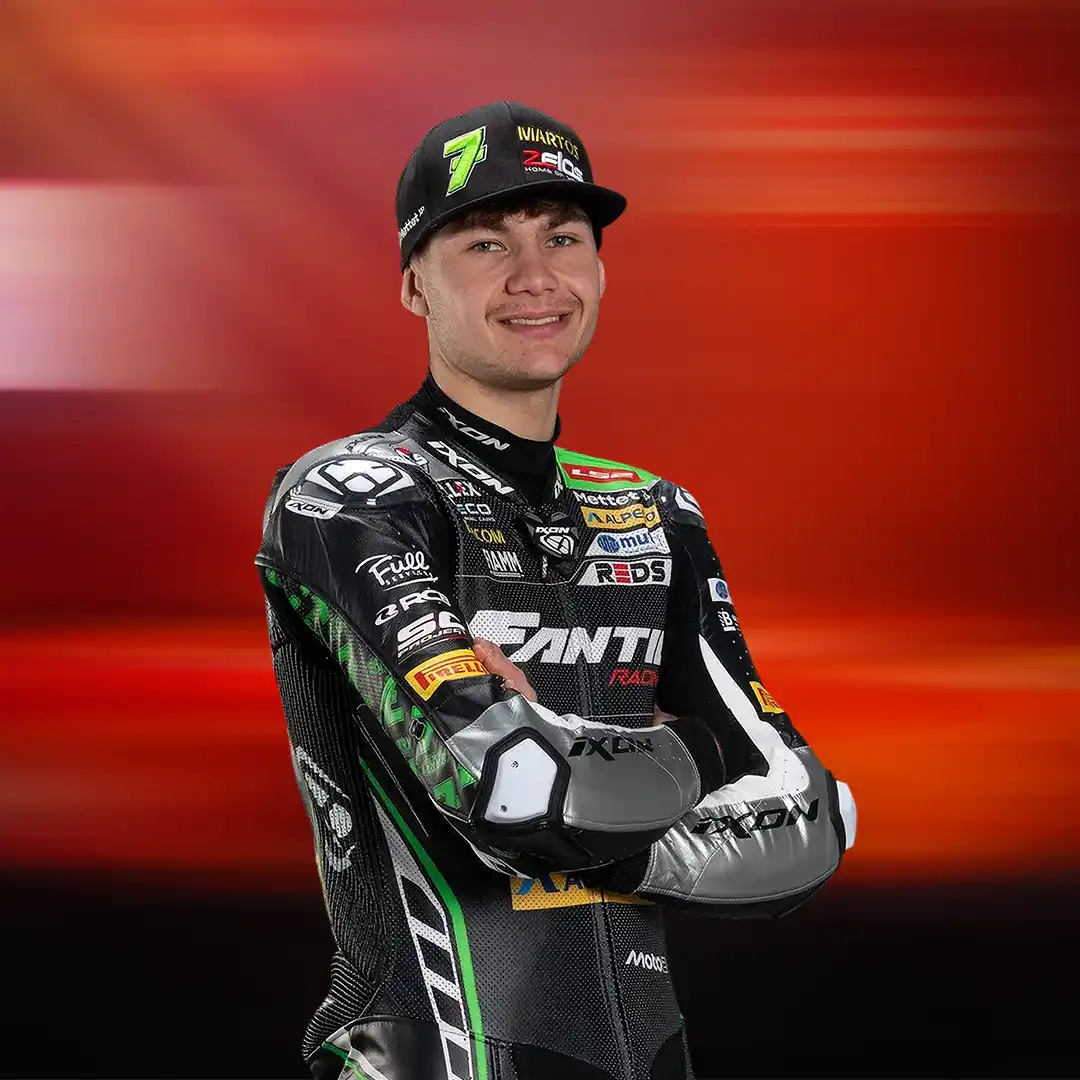 | Barry BaltusREDS Fantic Racing | 1:34.86s Belgia | 0 |
5 | 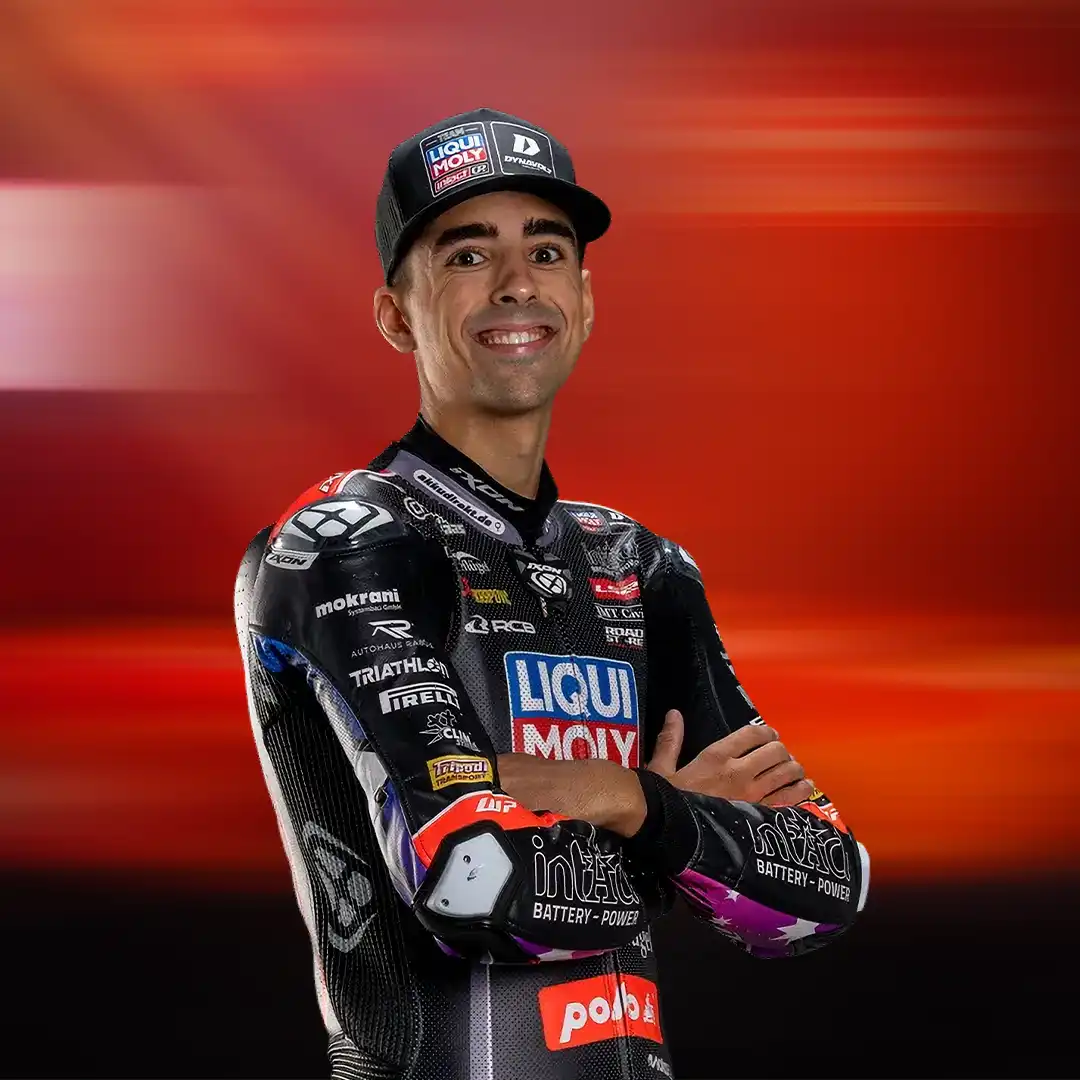 | Senna AgiusLIQUI MOLY Dynavolt Intact GP | 1:34.88s Australia | 0 |
6 | 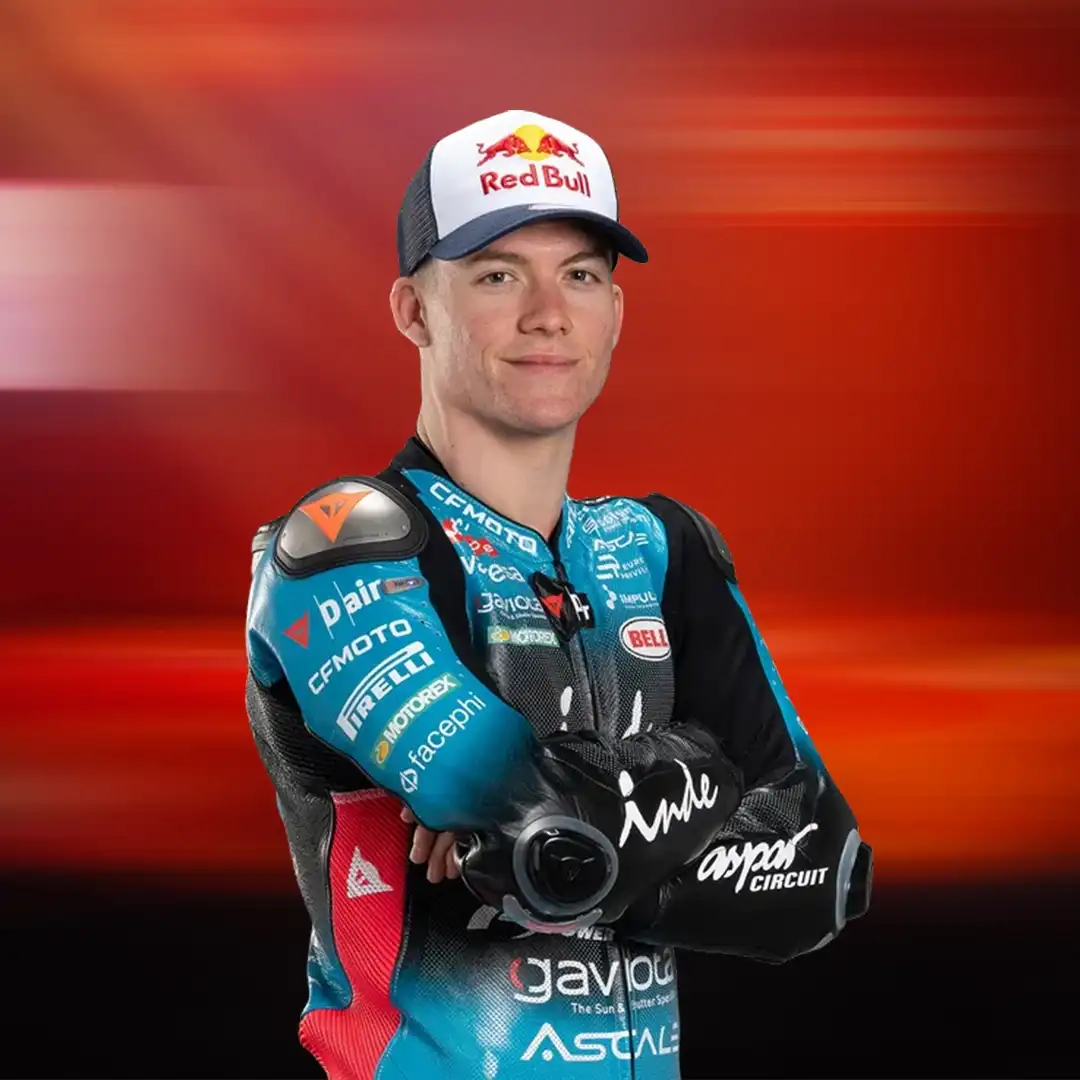 | Daniel HolgadoCFMOTO Inde Aspar Team | 1:34.88s Spanyol | 0 |
7 | 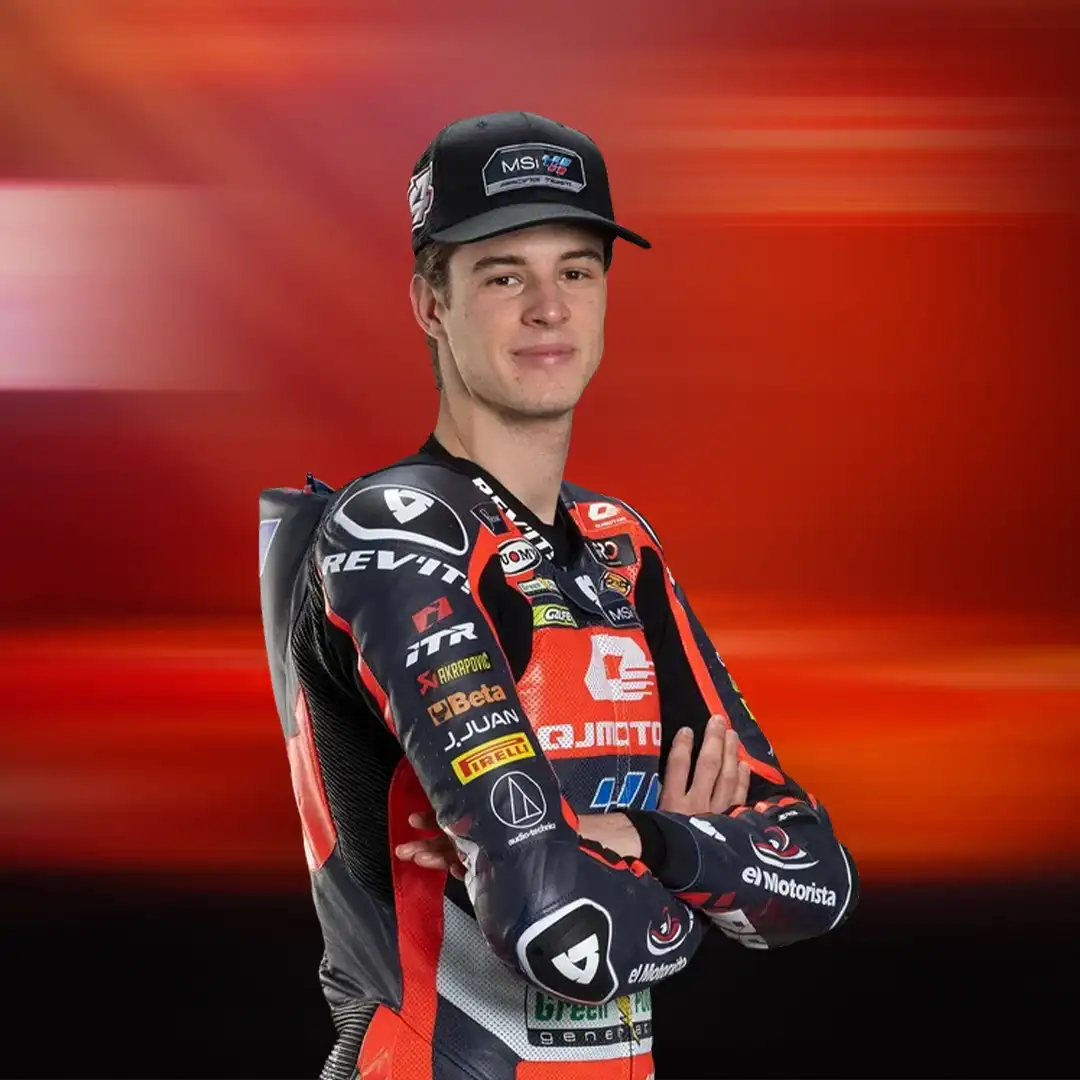 | Ivan OrtolaQJMOTOR El Motorista MSI | 1:34.91s Spanyol | 0 |
8 | 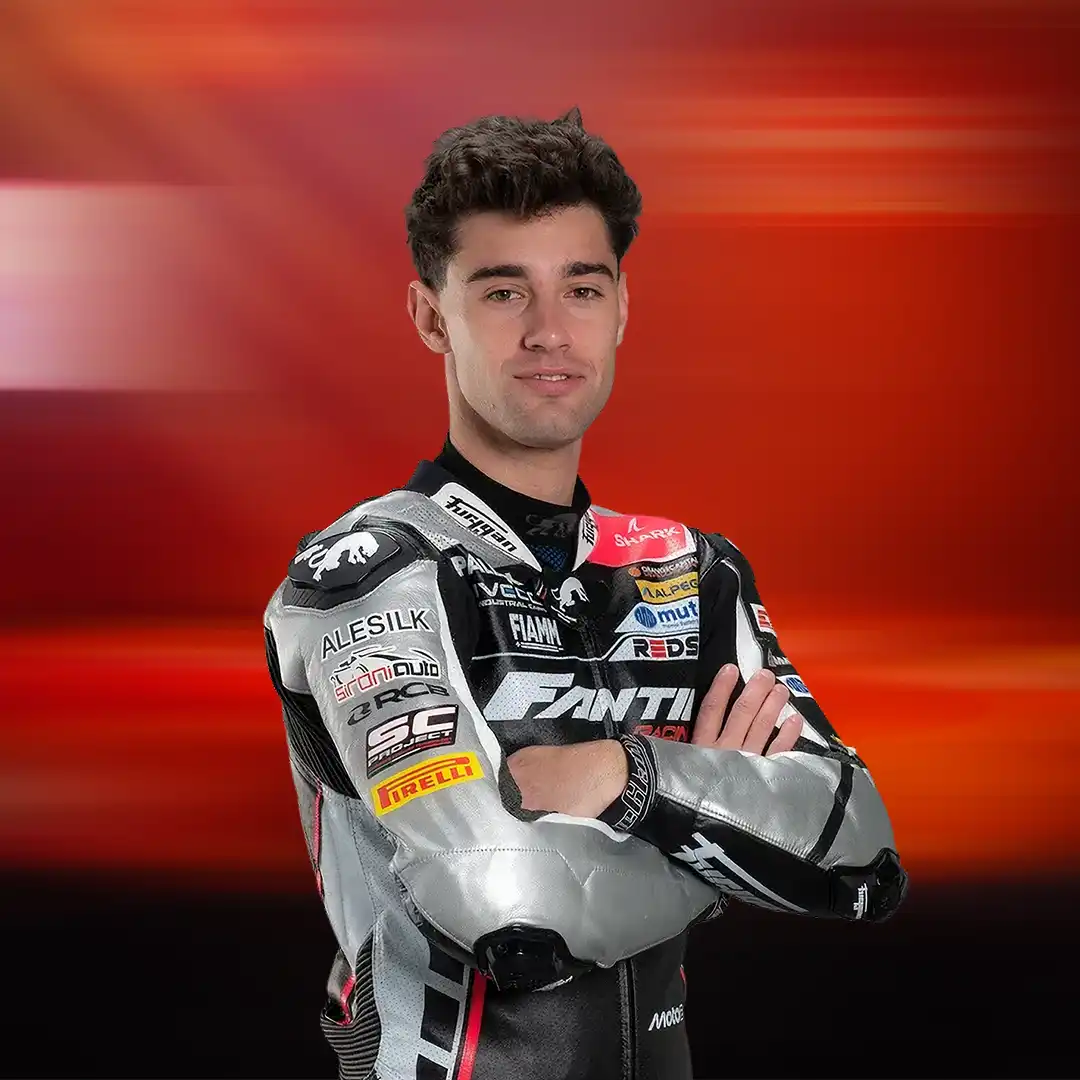 | Tony ArbolinoREDS Fantic Racing | 1:34.96s Italia | 0 |
9 | 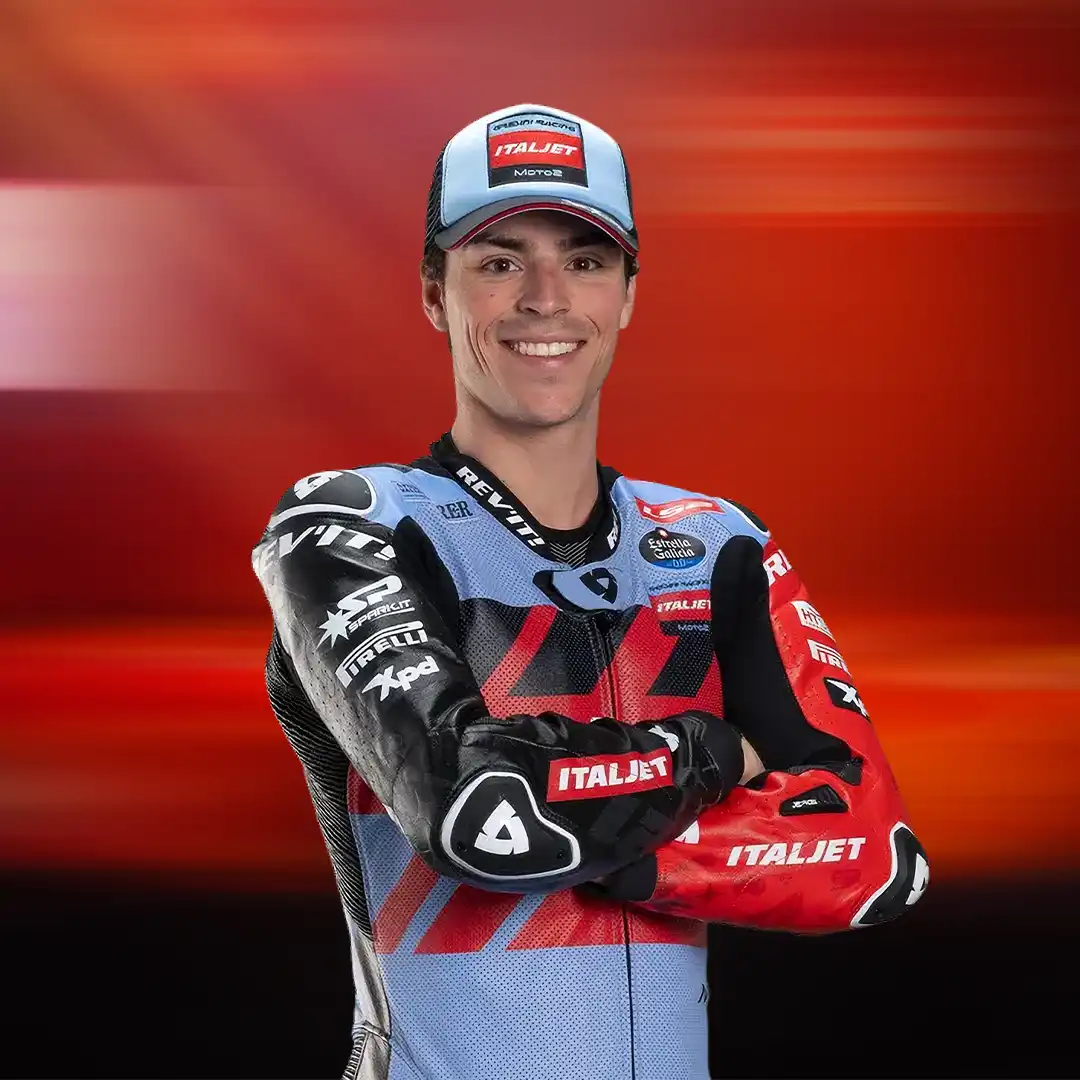 | Alonso LopezITALJET Gresini Moto2 | 1:34.99s Spanyol | 0 |
10 | 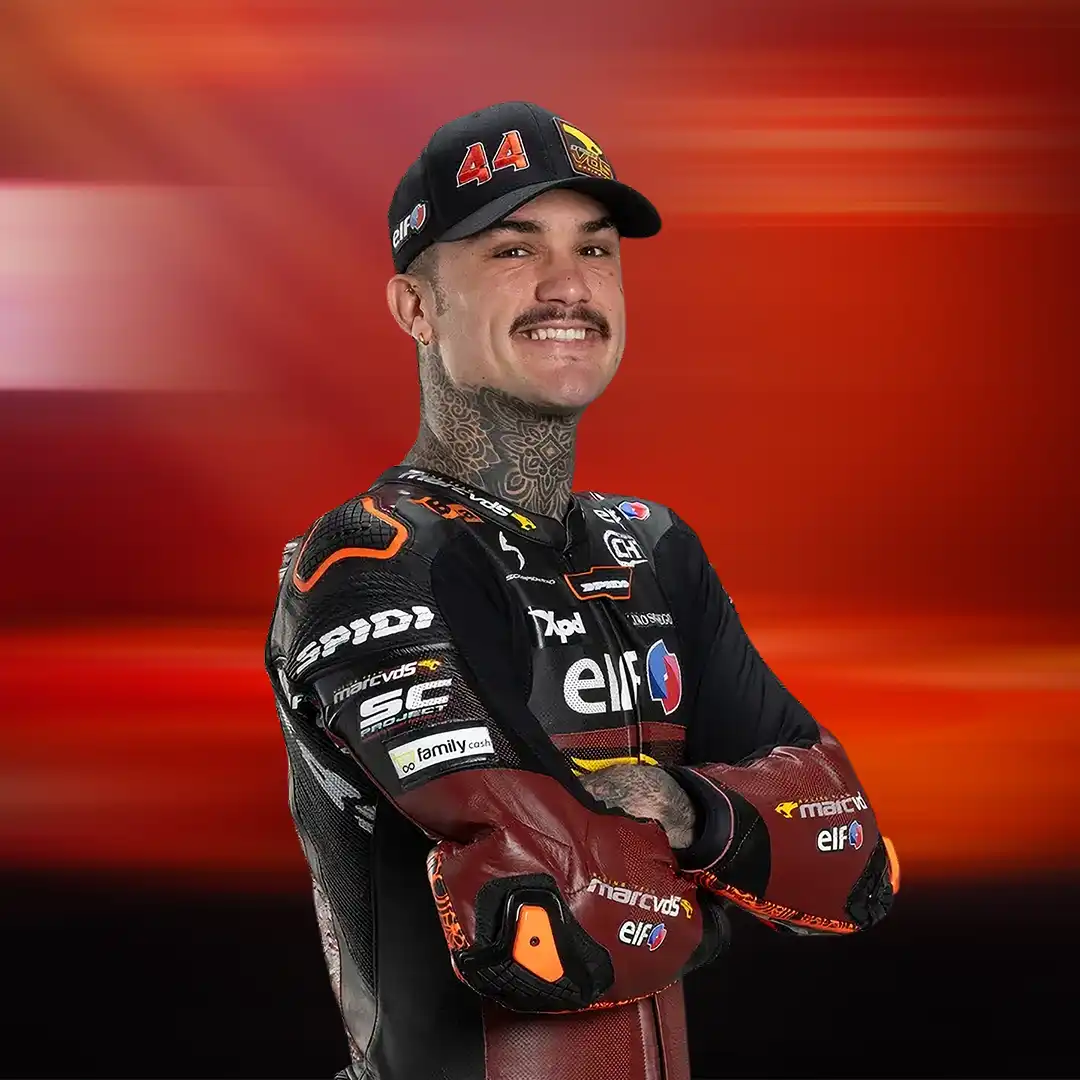 | Aron CanetELF Marc VDS Racing Team | 1:35.18s Spanyol | 0 |
11 | 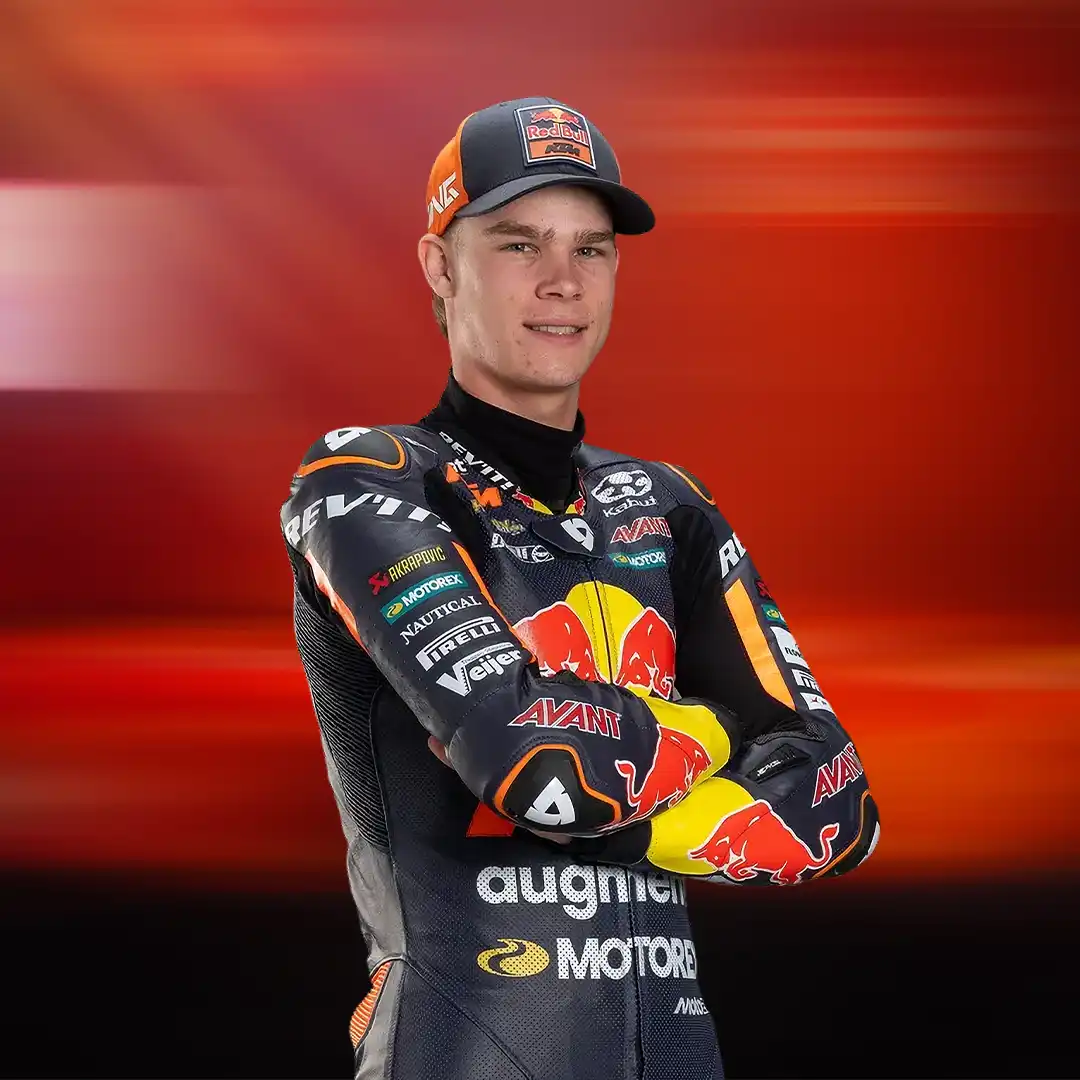 | Collin VeijerRed Bull KTM Ajo | 1:35.20s Belanda | 0 |
12 | 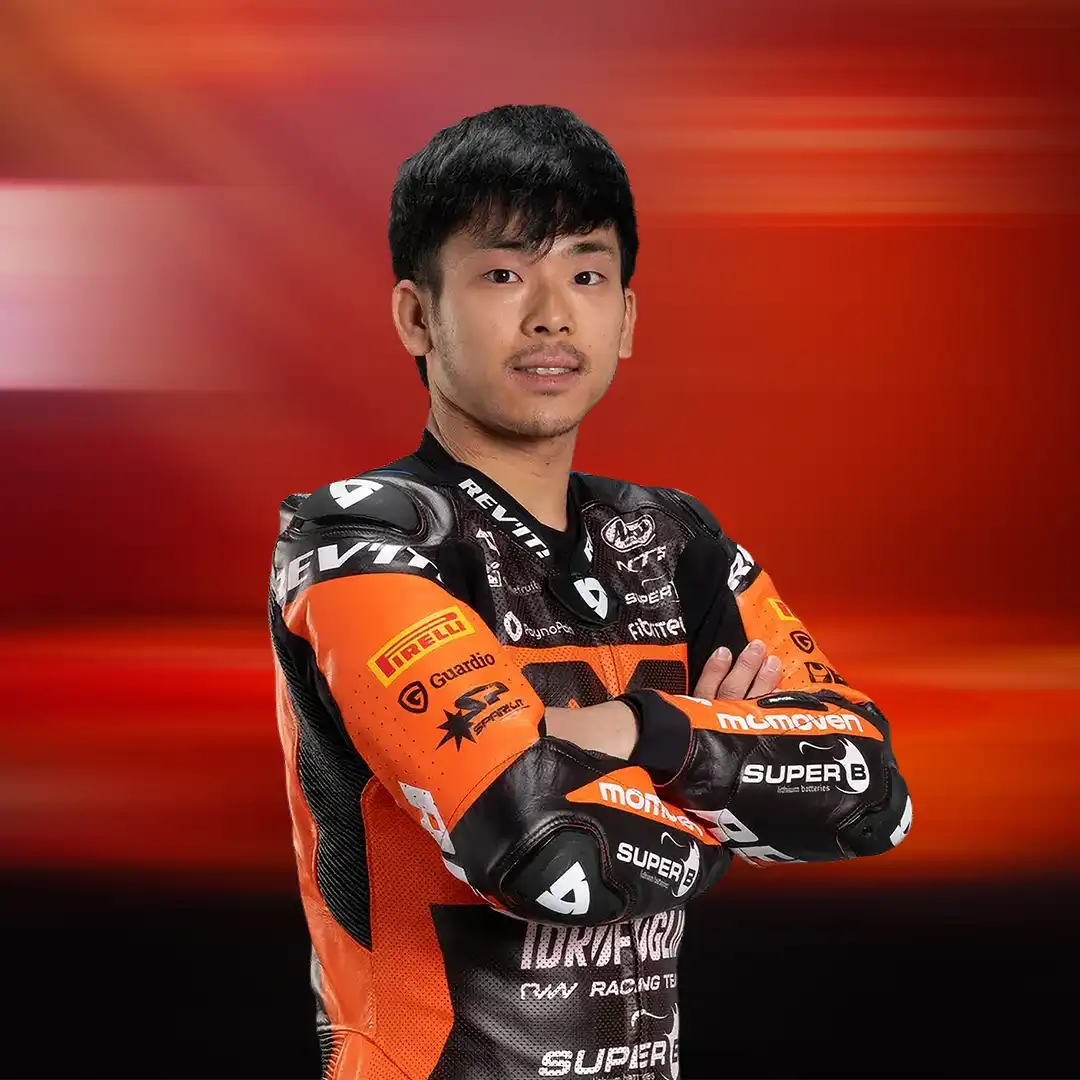 | Ayumu SasakiMomoven Idrofoglia RW Racing Team | 1:35.35s Jepang | 0 |
13 | 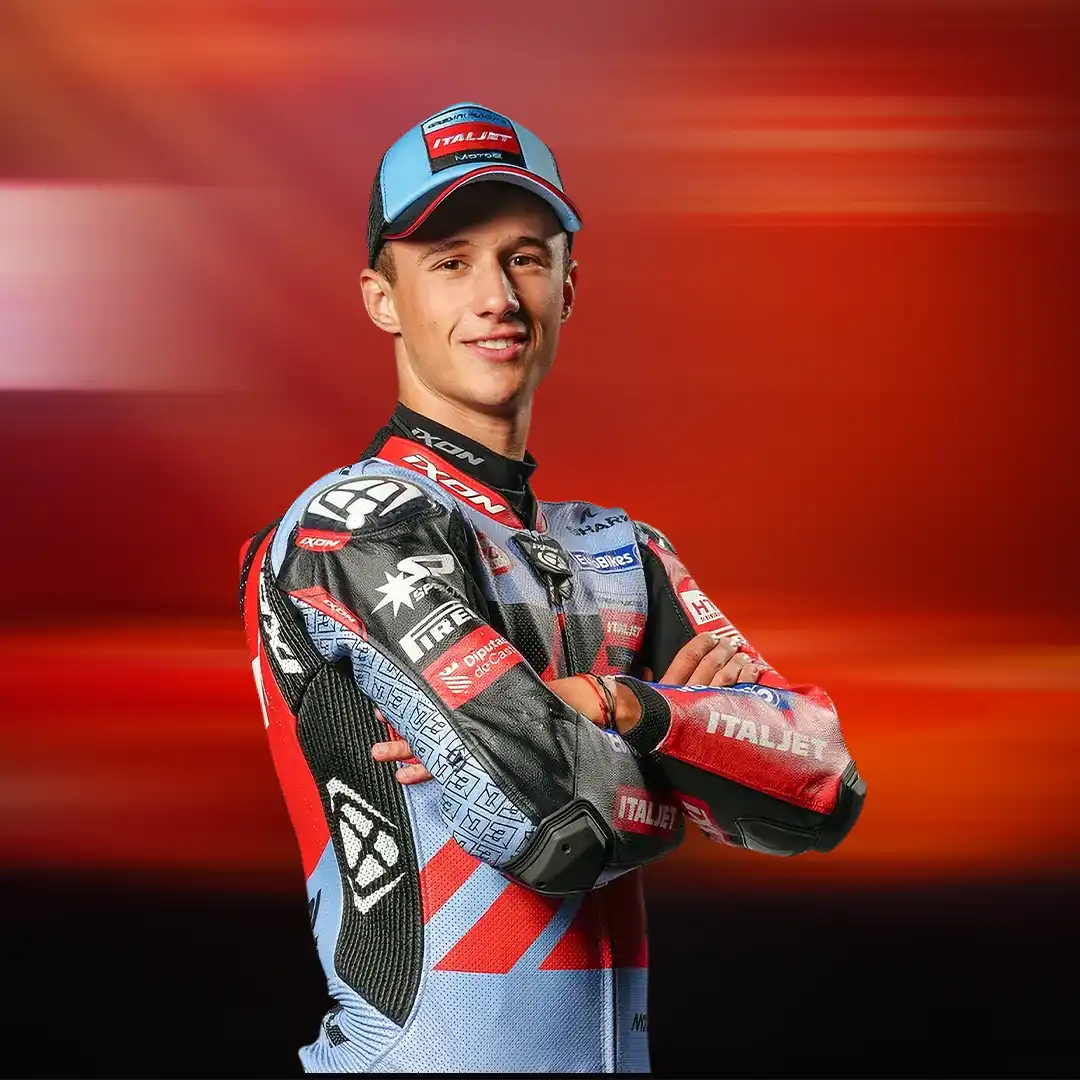 | Sergio GarciaITALJET Gresini Moto2 | 1:35.40s Spanyol | 0 |
14 | 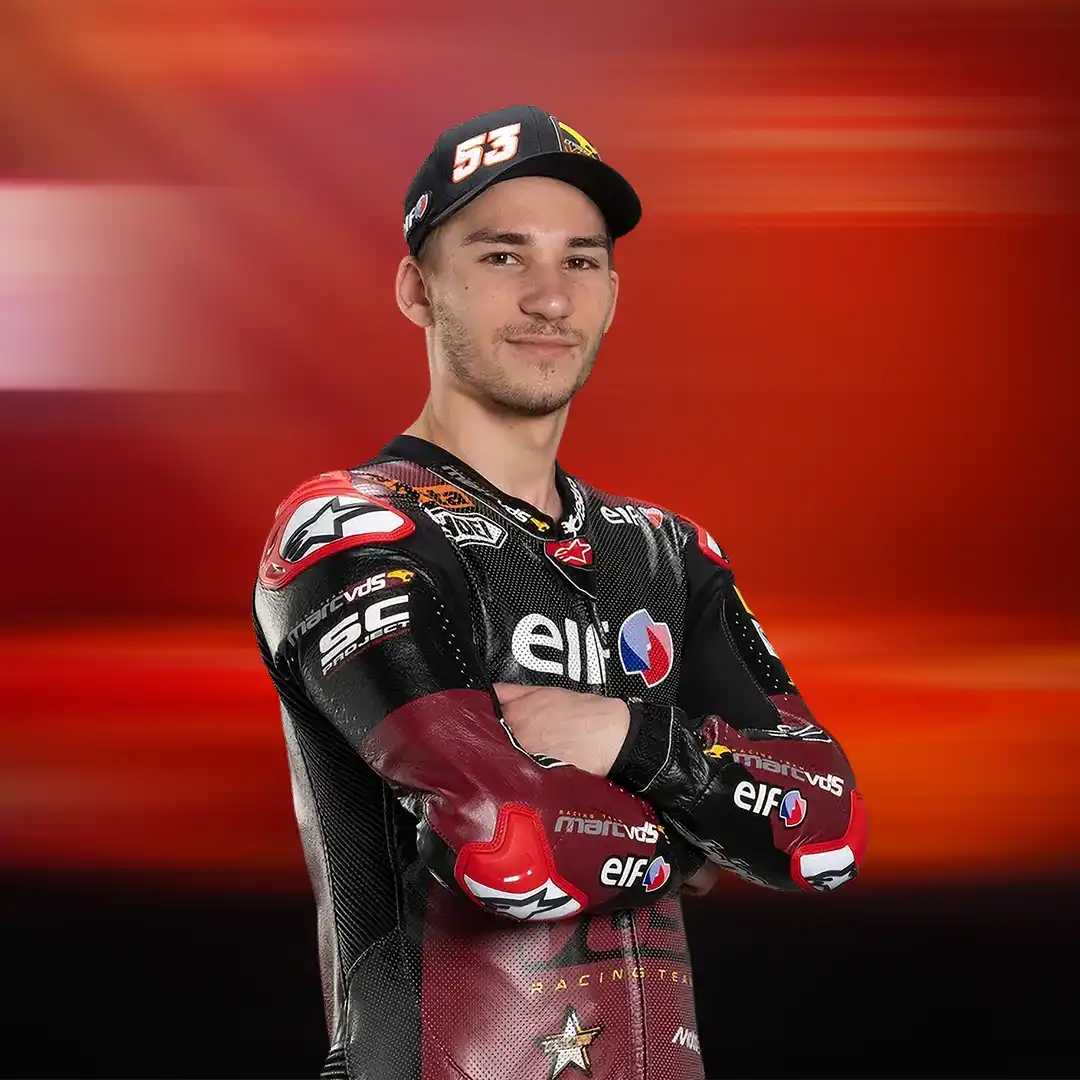 | Deniz OncuELF Marc VDS Racing Team | 1:35.50s Turki | 0 |
15 | 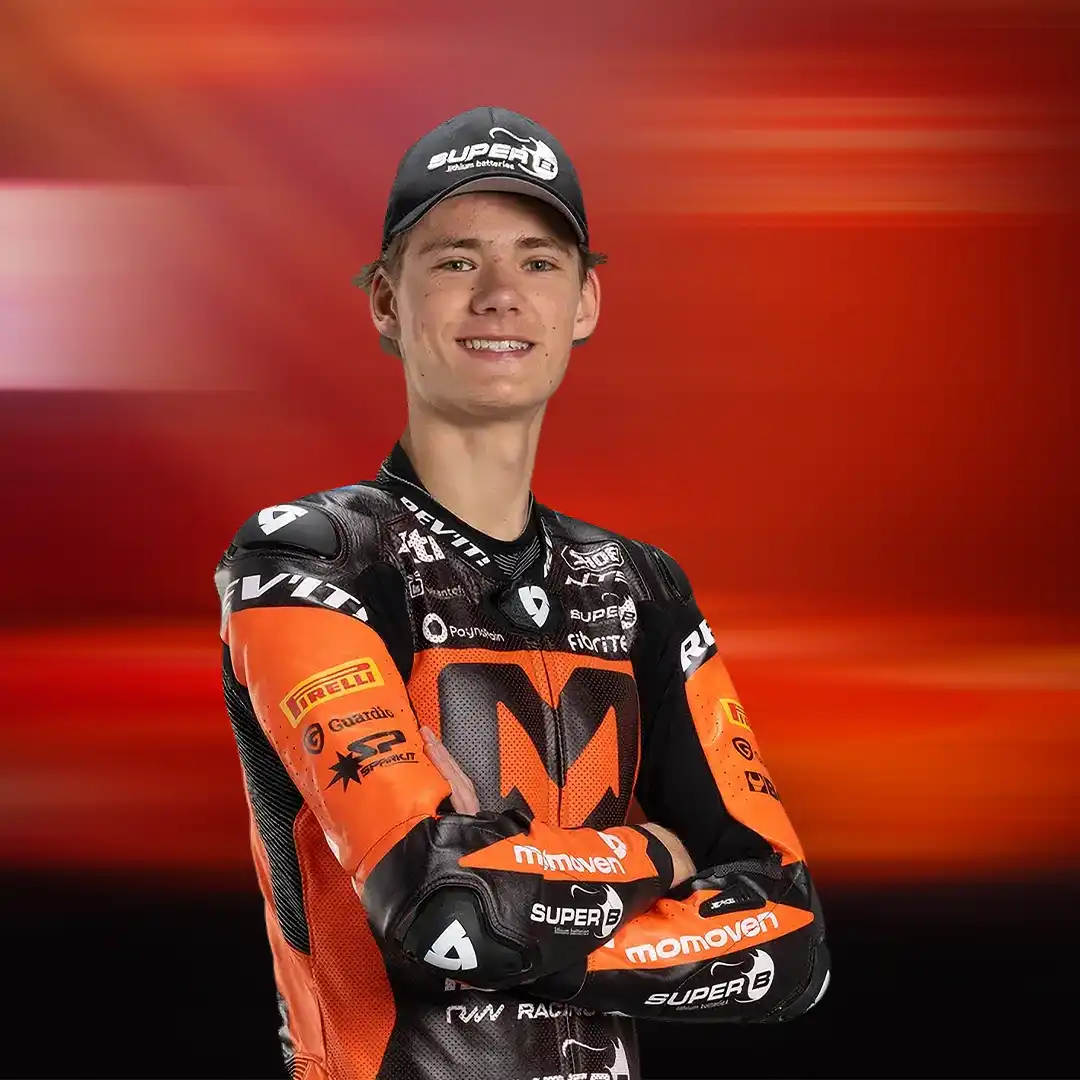 | Zonta Van Den GoorberghMomoven Idrofoglia RW Racing Team | 1:35.55s Belanda | 0 |
16 | 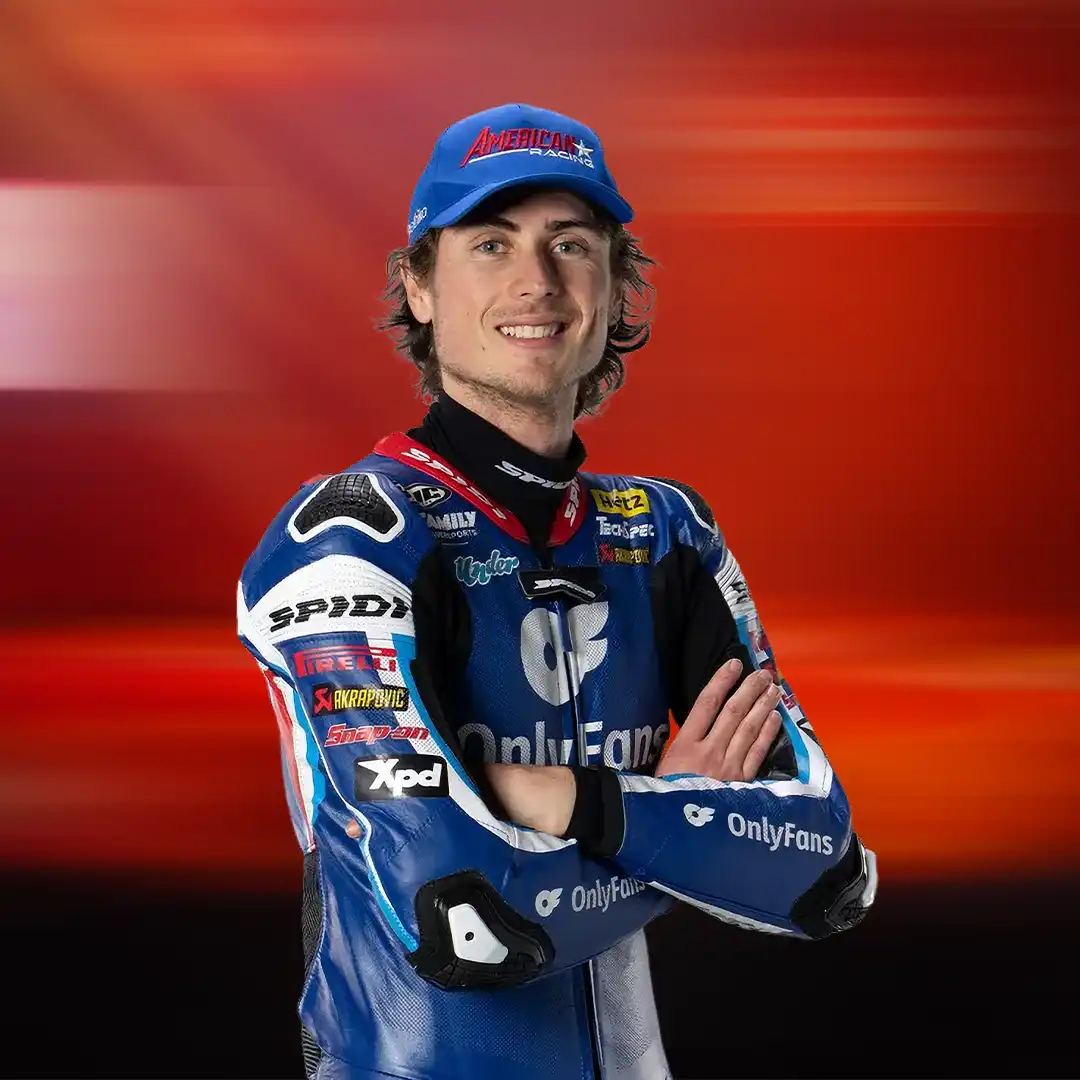 | Joe RobertsOnlyFans American Racing Team | 1:35.57s Amerika Serikat | 0 |
17 | 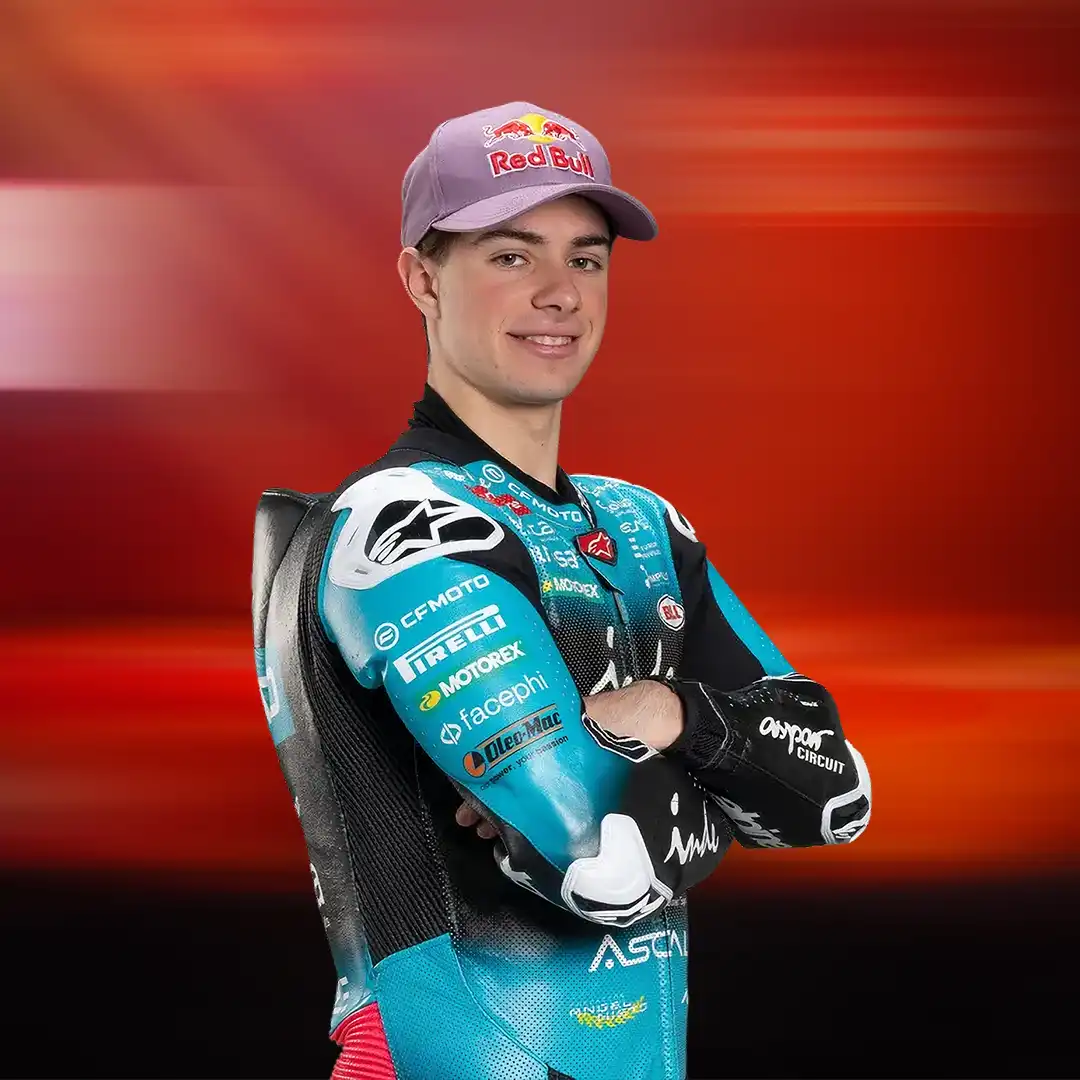 | David AlonsoCFMOTO Inde Aspar Team | 1:35.58s Kolombia | 0 |
18 | 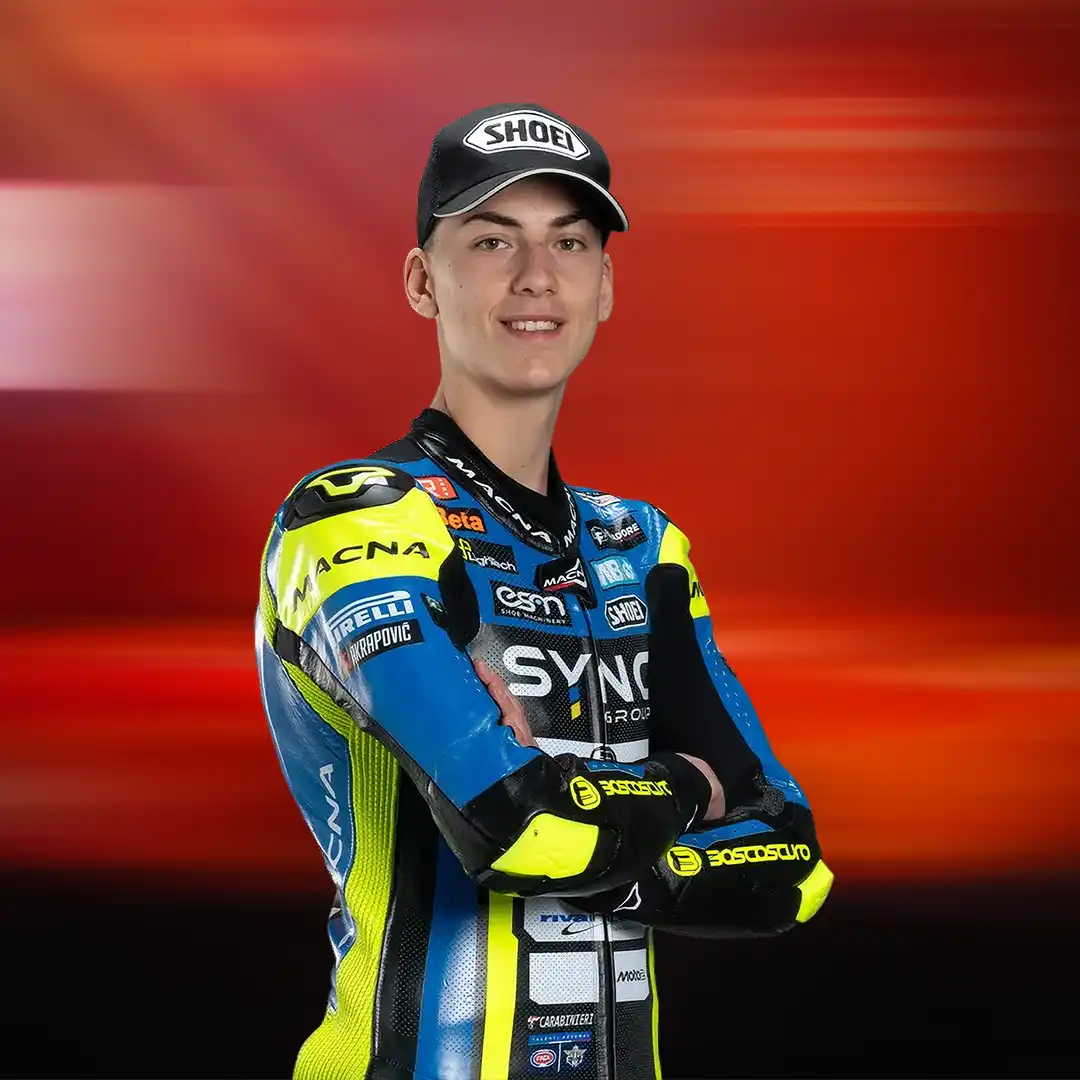 | Luca LunettaFolladore SpeedRS Team | 1:35.67s Italia | 0 |
19 | 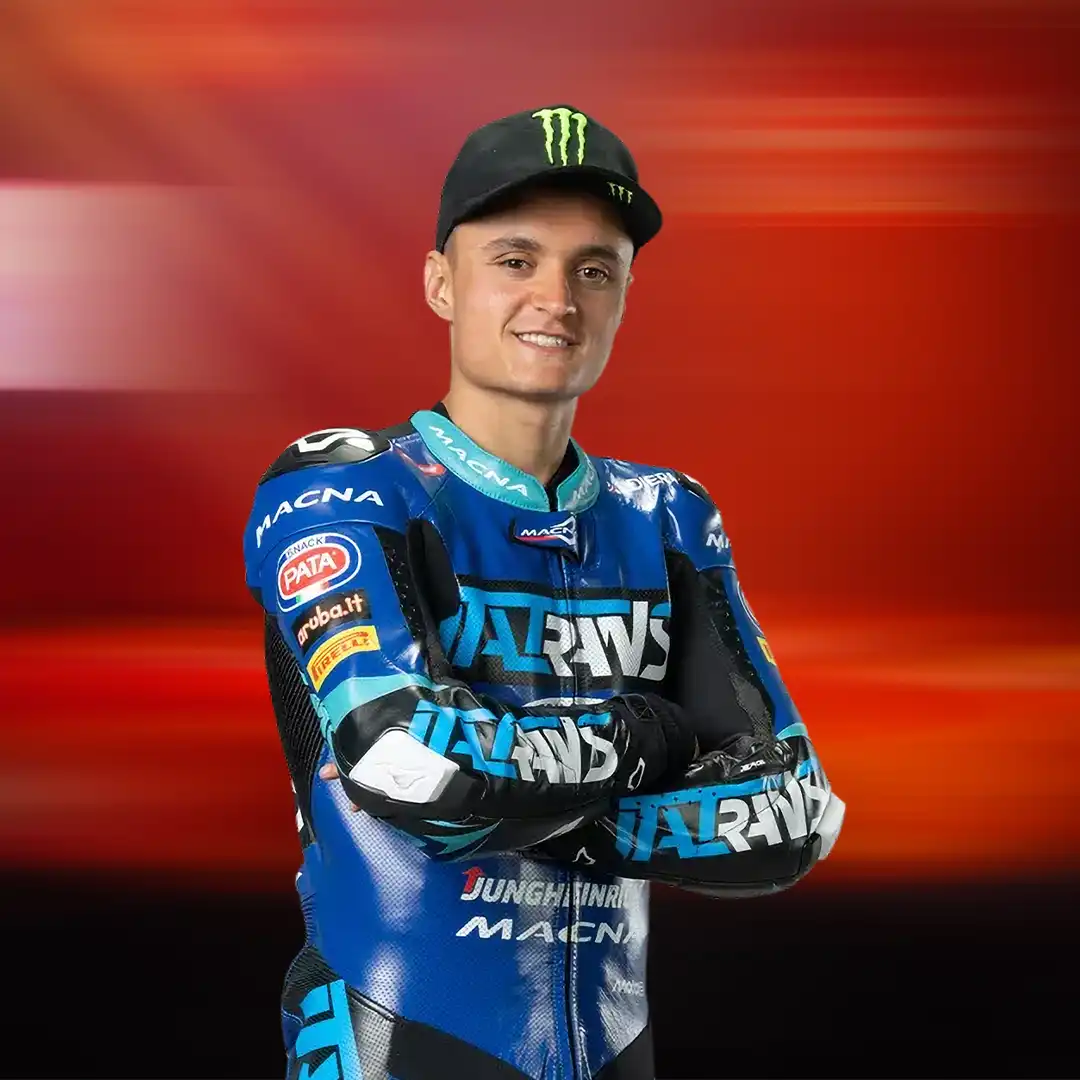 | Adrian HuertasItaltrans Racing Team | 1:35.70s Spanyol | 0 |
20 | 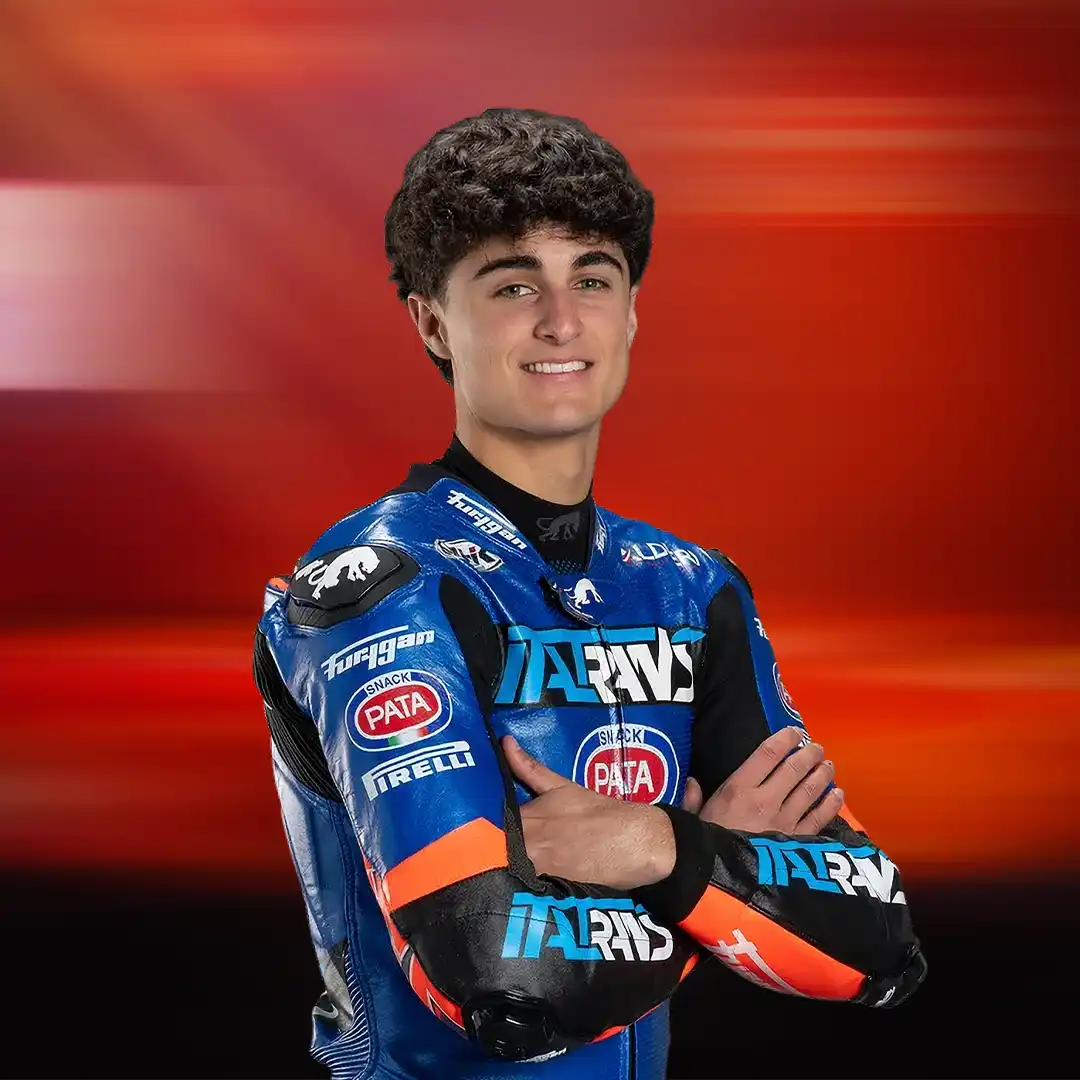 | Daniel MunozItaltrans Racing Team | 1:35.71s Spanyol | 0 |
21 | 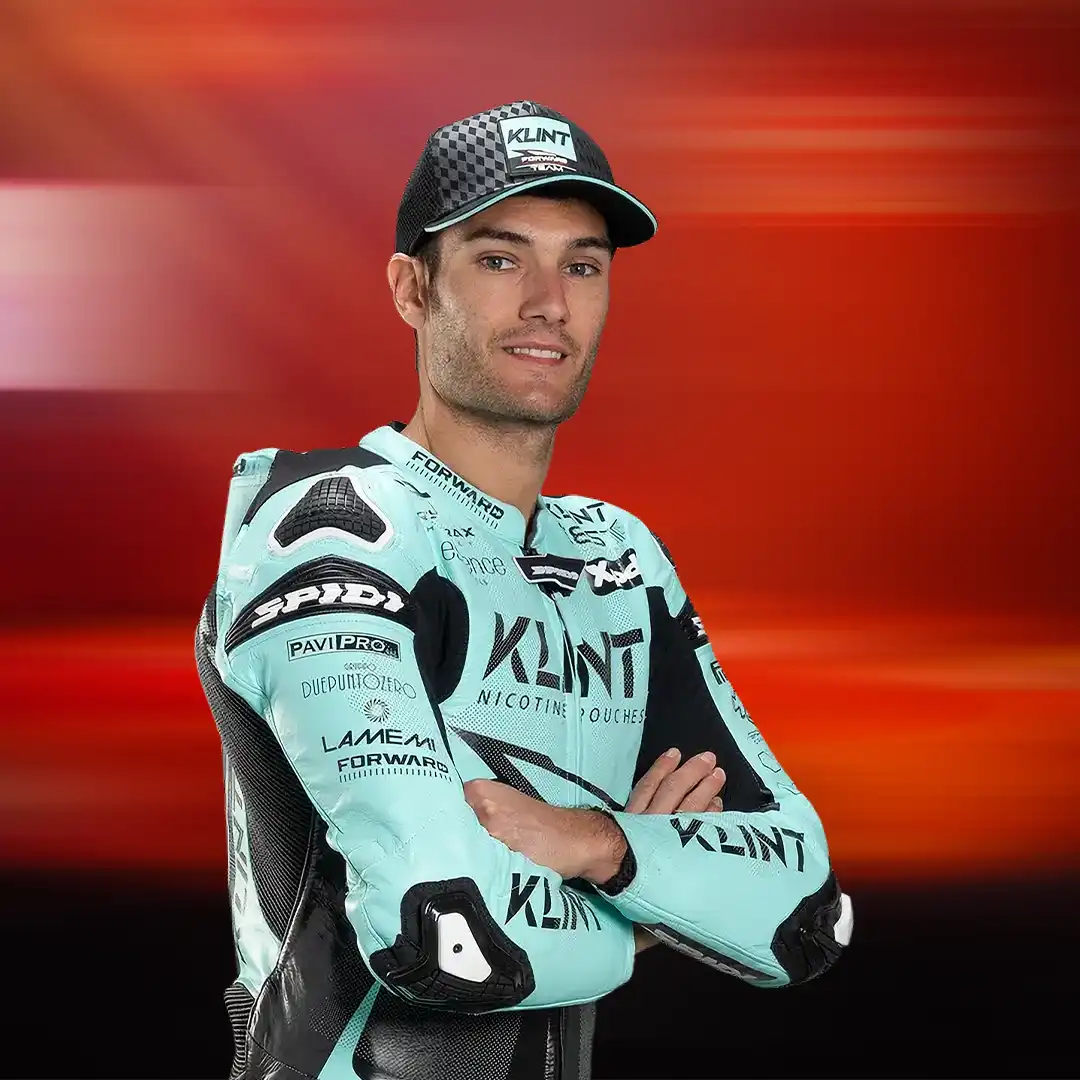 | Jorge NavarroKLINT Racing Team | 1:35.75s Spanyol | 0 |
22 | 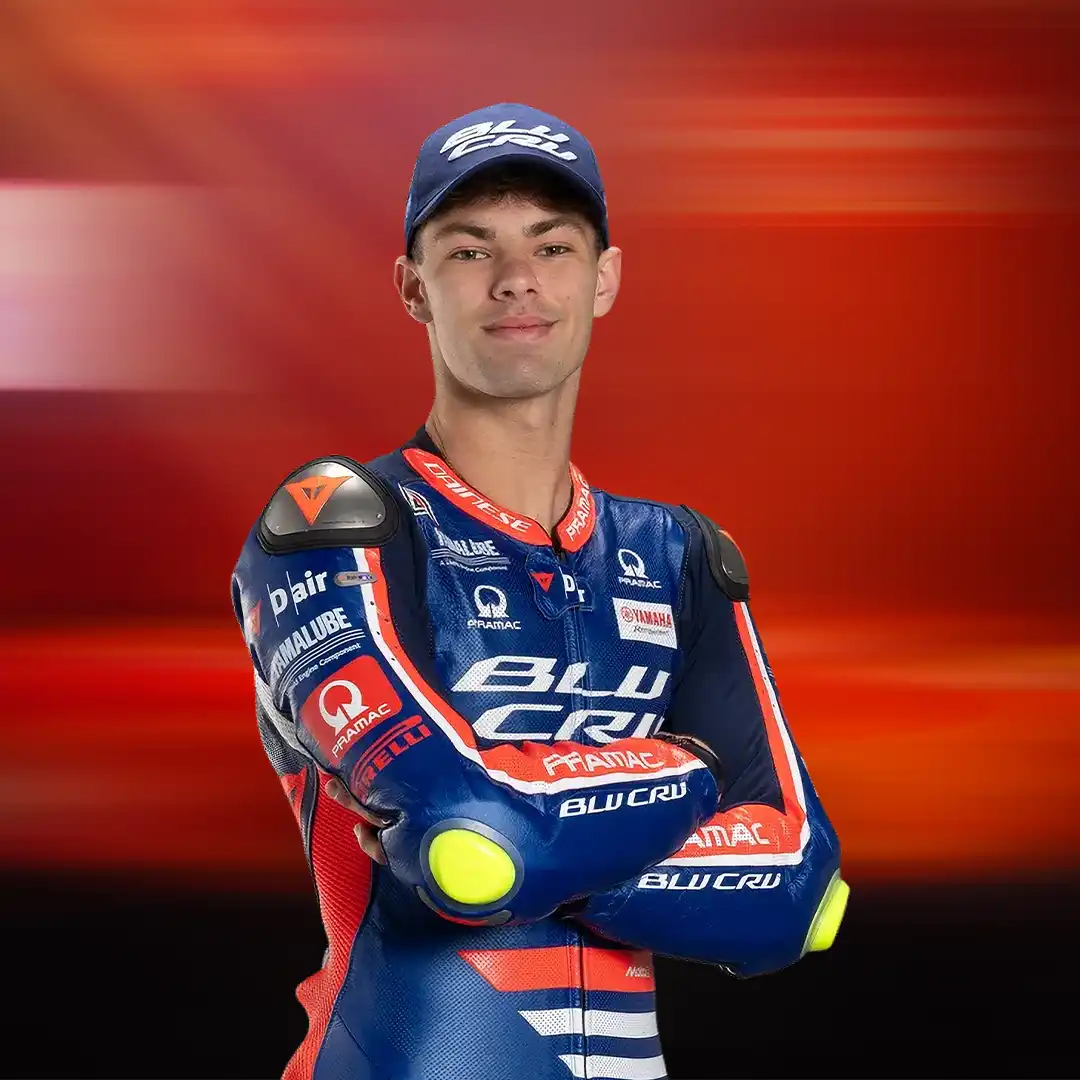 | Alberto FerrandezBLU CRU Pramac Yamaha Moto2 | 1:35.77s Spanyol | 0 |
23 | 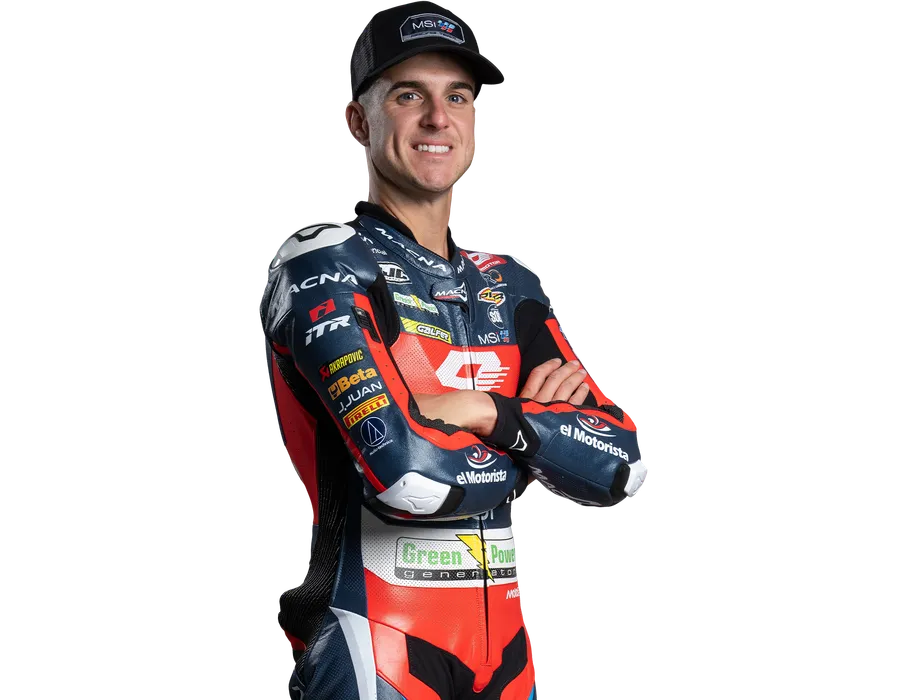 | Marcos RamirezQJMOTOR El Motorista MSI | 1:35.78s Spanyol | 0 |
24 | 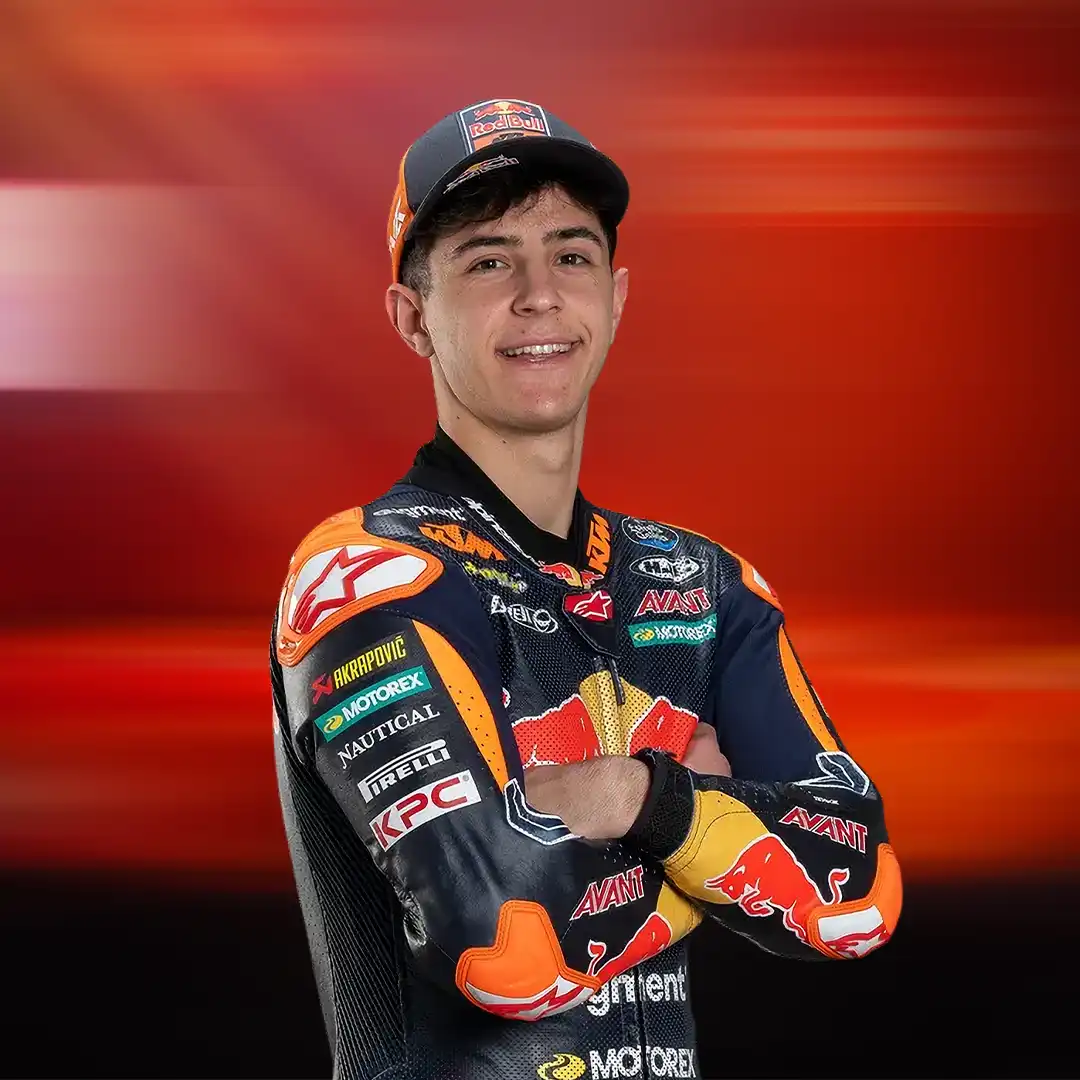 | Jose Antonio RuedaRed Bull KTM Ajo | 1:35.97s Spanyol | 0 |
25 | 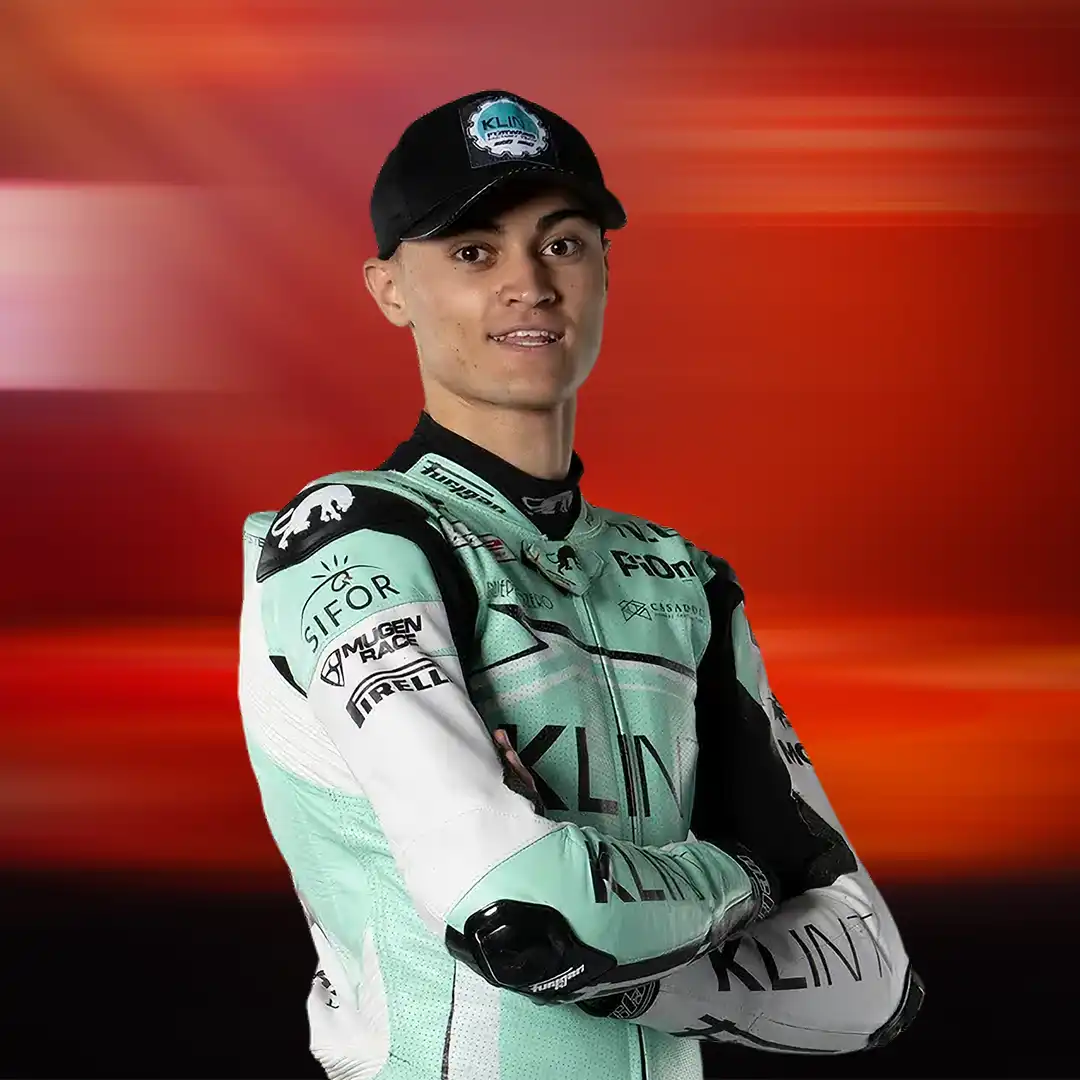 | Alex EscrigKLINT Racing Team | 1:36.04s Spanyol | 0 |
26 | 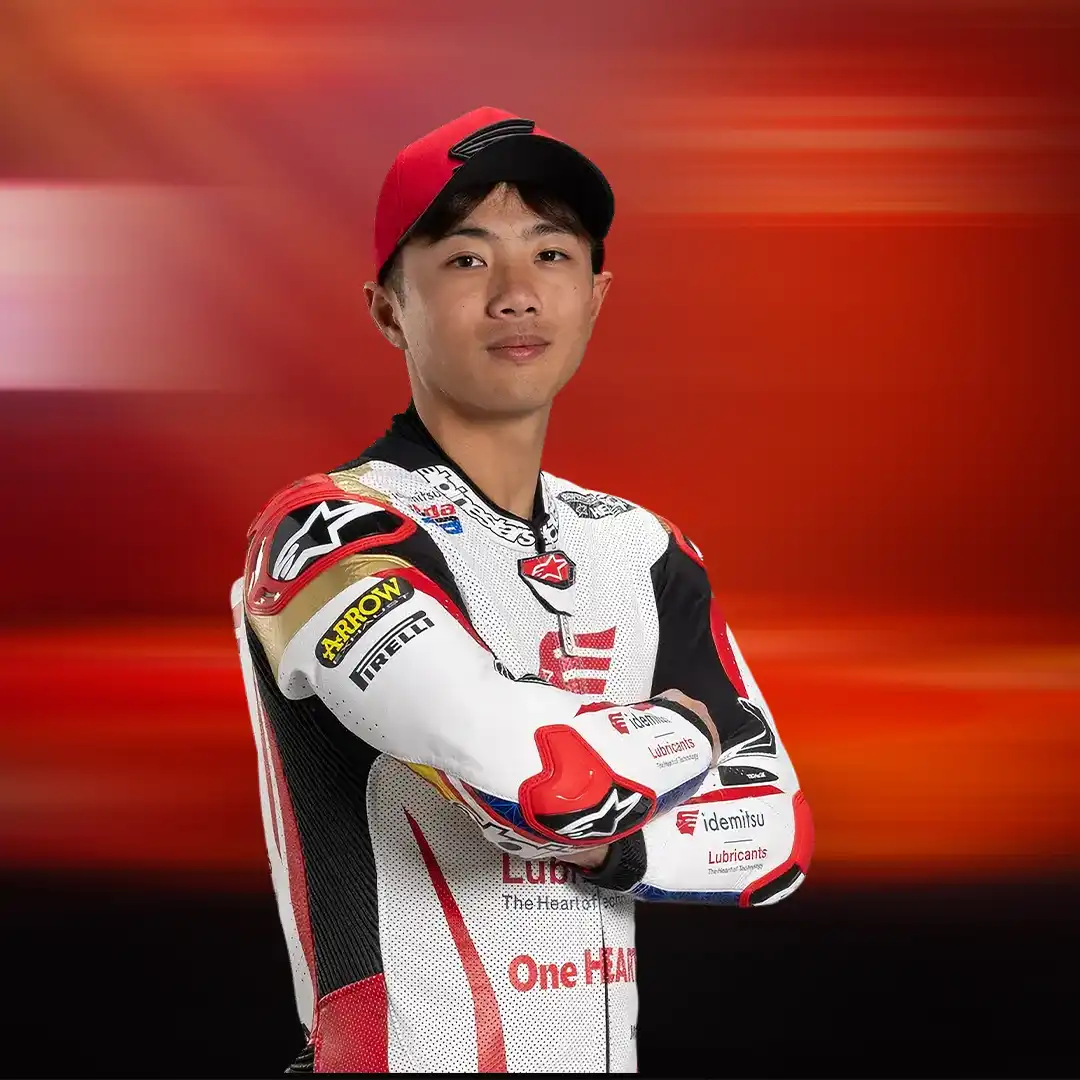 | Taiyo FurusatoIdemitsu Honda Team Asia | 1:36.30s Jepang | 0 |
27 | 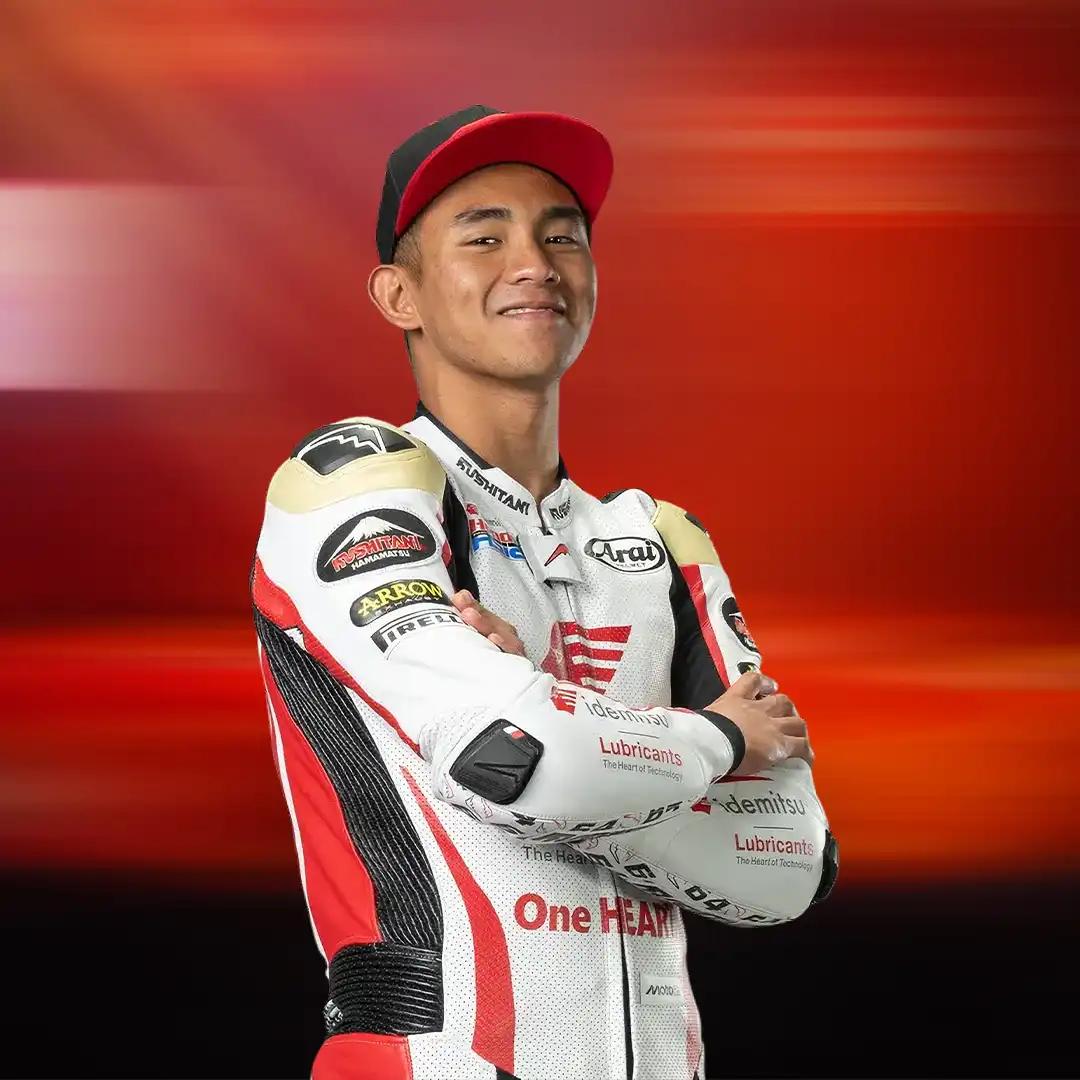 | Mario Suryo AjiIdemitsu Honda Team Asia | 1:36.44s Indonesia | 0 |
Read Also
Collin Veijer sukses operasi patah tulang selangka akibat crash Moto2 Austria. Simak kondisi terbaru dan peluang comeback di Jepang.
Marc VDS Racing Team will leave Moto2 after 2026 to focus on WorldSBK in 2027. Aron Canet and Deniz Oncu have already found new teams.
Izan Guevara wins the Austrian Moto2 2026 at Red Bull Ring from fifth on the grid, cutting the points gap to championship leader Manuel Gonzalez.
 Continue with Google
Discussion (0)
Join the Discussion!
Sign in easily to start commenting, replying, and interacting with other readers.
Latest Comments
No comments yet. Be the first!