







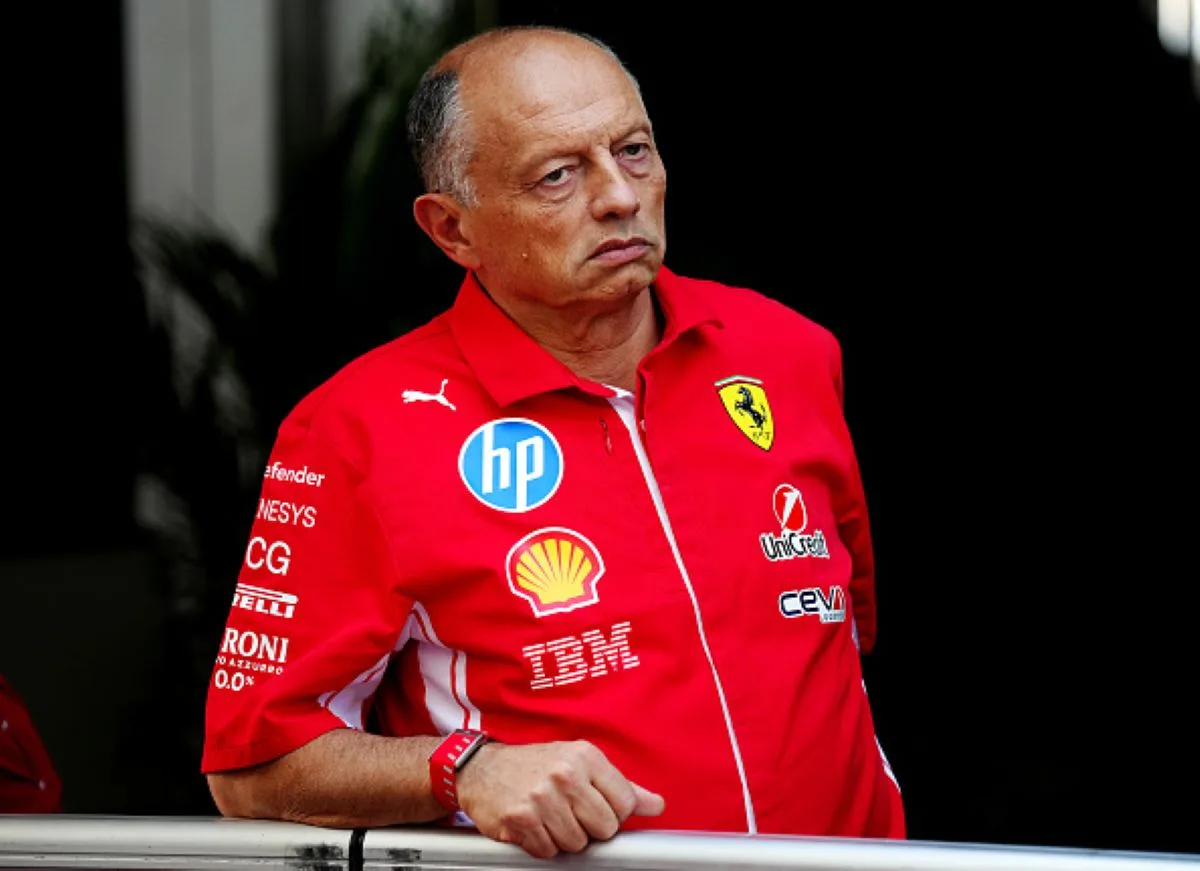
The race weekend at the Autodromo Jose Carlos Pace Interlagos left plenty of homework for Scuderia Ferrari. After securing only seventh and ninth place finishes with Charles Leclerc and Lewis Hamilton, Team Principal Fred Vasseur stepped up to offer a frank evaluation to the media.
The primary focal point was undoubtedly Hamilton's remarkable start to the race. The seven-time world champion sensationally gained eleven positions in a single lap alone. However, that blistering performance suddenly faded once the race entered the middle phase of the stint, where car number 44 noticeably lost its primary competitive edge.
Addressing this performance anomaly, Vasseur explained to Sky Sport F1 that tire pressure choices were the core factor behind the fluctuating pace. He noted that the technical decision acted like a double-edged sword, yielding instant gains at the launch while triggering subsequent complications later.
"It was probably a matter of tire pressure," Vasseur explained regarding the on-track situation. "There is a positive side and a negative side as with every choice: he did very well at the start but a little less so in the middle of the stint. You cannot make a first lap like that and then not pay some consequences for it."
Furthermore, the French manager admitted that his squad encountered tire grip issues throughout the entire race. The combination of compound choices and circuit characteristics meant the Prancing Horse failed to maximize the car's full potential, despite catching glimpses of promising speed late in the stints.
"We had some trouble with the tires during the race, so something was missing and for this reason the race did not go exactly as we wanted. Surely we can do better," he added, highlighting the team's shortcomings.
A similar evaluation was given regarding Leclerc's performance, which Vasseur deemed overly inconsistent. He pointed out that handling difficulties made it tough for the Monegasque driver to maintain steady lap time consistency, even though hidden potential was briefly visible when running older soft tires near the end.
Looking ahead to the upcoming round at the Las Vegas street circuit, Vasseur predicted extreme challenges due to projected freezing temperatures. The conditions will force engineers to reverse habits formed throughout the season, where teams usually focus on cooling tires rather than figuring out how to warm them up.
"Las Vegas? That will be an extreme race in terms of conditions because there will be 5 degrees Celsius and this means we will be in the opposite situation to what we have found all season: usually you try to cool the tires while there we will have to warm them up, so we will be totally the other way around," Vasseur concluded.

Read Also
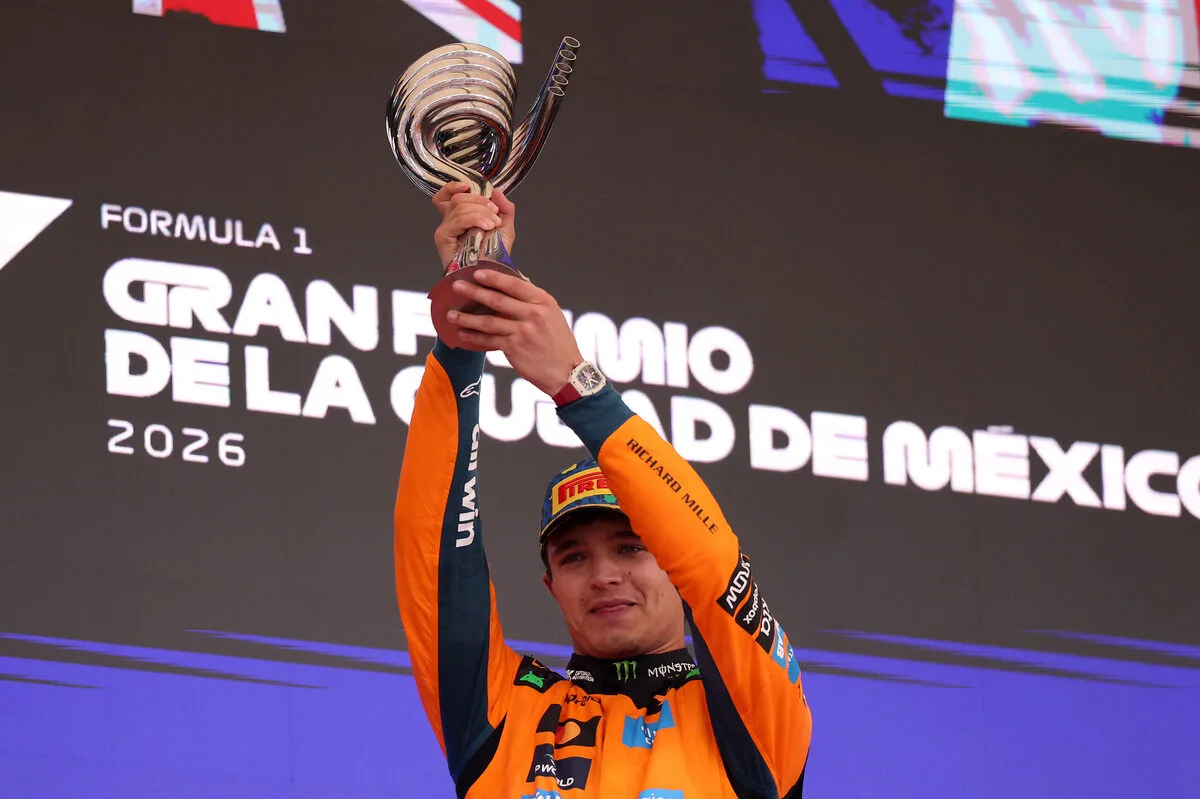
Lando Norris rayakan kemenangan dramatis di GP Brasil dan sebut duel ketatnya lawan Kimi Antonelli sebagai sinyal persaingan sengit. Baca analisisnya di sini!
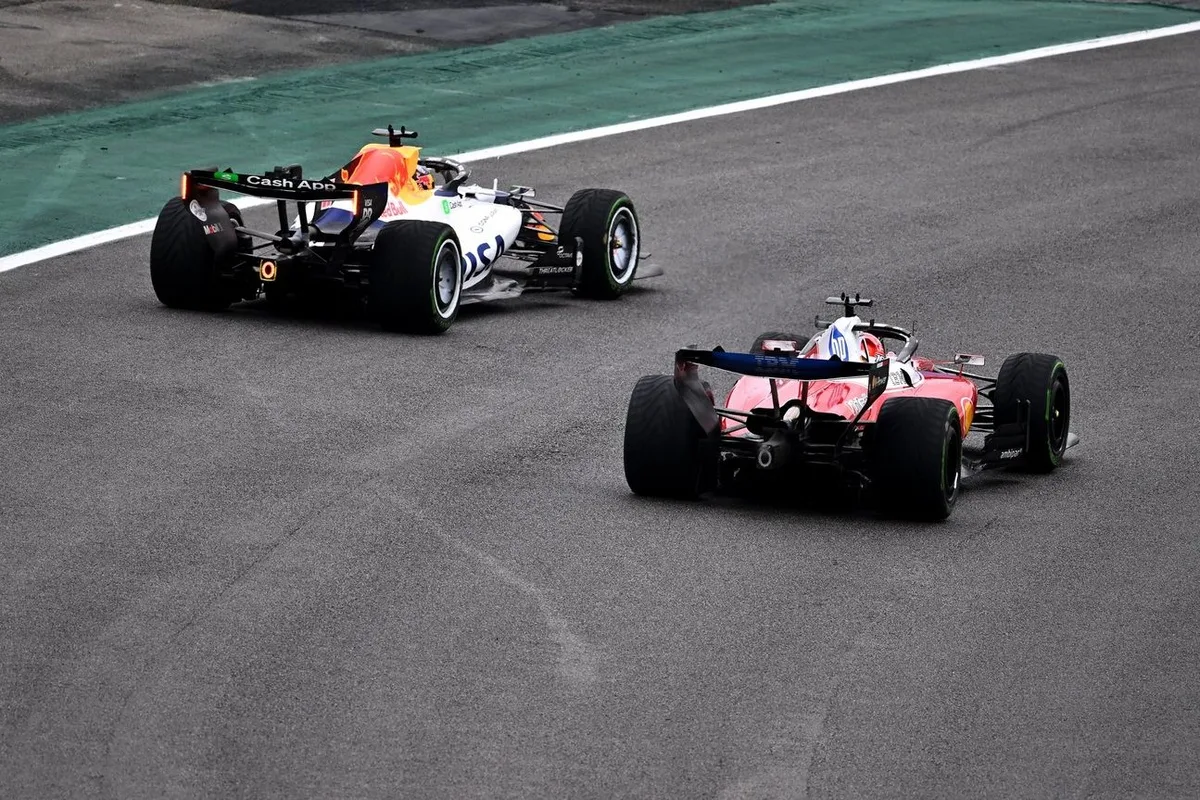
Kimi Antonelli dan Charles Leclerc dipanggil stewards F1 GP Brasil akibat investigasi unsafe release serta senggolan di lintasan. Baca analisis mendalam di sini
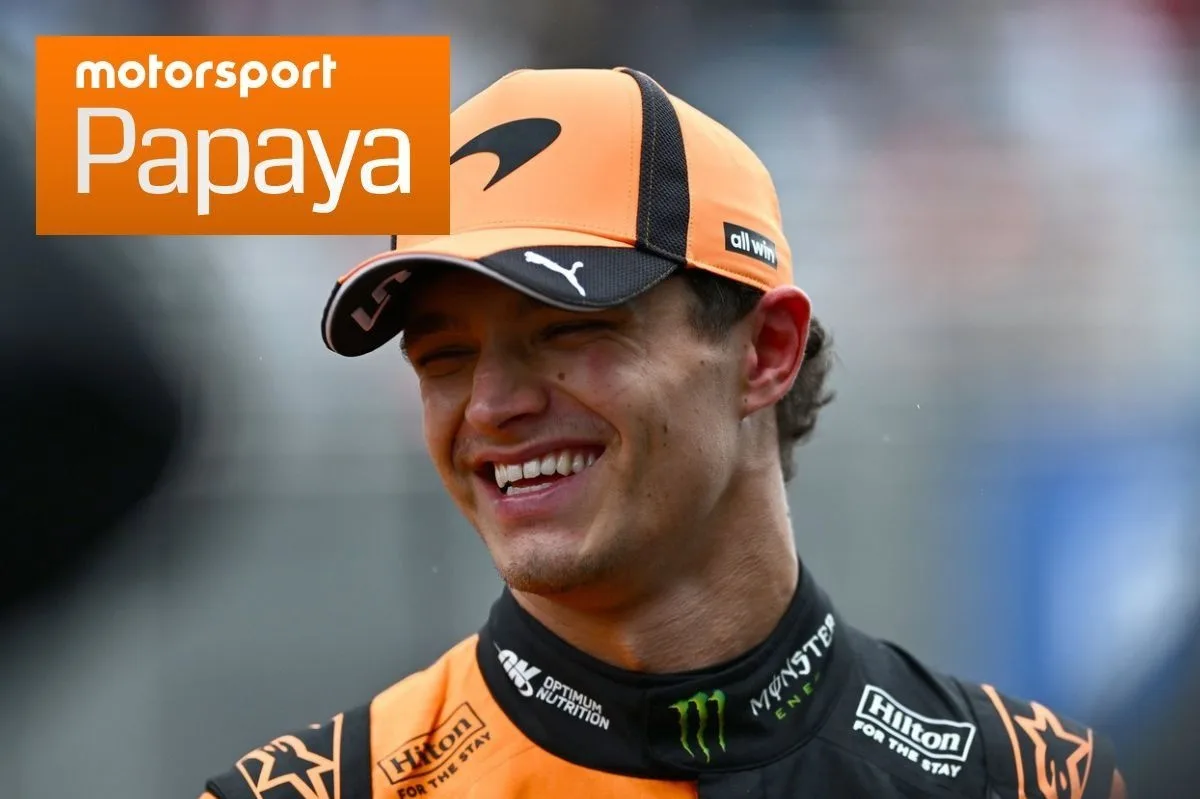
Simak kisah lengkap Lando Norris yang viral usai botol sampanye pecah dan terkena kembang api di podium GP Brasil. Baca analisis mendalam di sini.
 Continue with Google
Discussion (0)
Join the Discussion!
Sign in easily to start commenting, replying, and interacting with other readers.
Latest Comments
No comments yet. Be the first!